
A CT scan of the abdomen and stomach is a high-tech imaging test. It uses X-rays to make detailed pictures of the belly area. Doctors use it to find and understand many belly problems.ct scan of stomach12 Causes of Stomach and Chest Discomfort: Quick Guide to Symptoms and Relief
When you get a scan, you’ll lie on a table that moves into the CT scanner. This big, doughnut-shaped machine takes pictures of your belly. The abdominal CT scan helps doctors find answers without needing to cut you open.
This advanced tech makes super clear pictures of your belly fast. It helps doctors spot serious problems quickly and accurately.
Key Takeaways
- A CT scan of the abdomen and stomach is a computerized imaging procedure.
- It uses X-rays to create detailed cross-sectional pictures.
- The test is critical in diagnosing various abdominal issues.
- The procedure is non-invasive and provides clear answers.
- It helps physicians diagnose serious conditions quickly and accurately.
Understanding Abdominal CT Scans
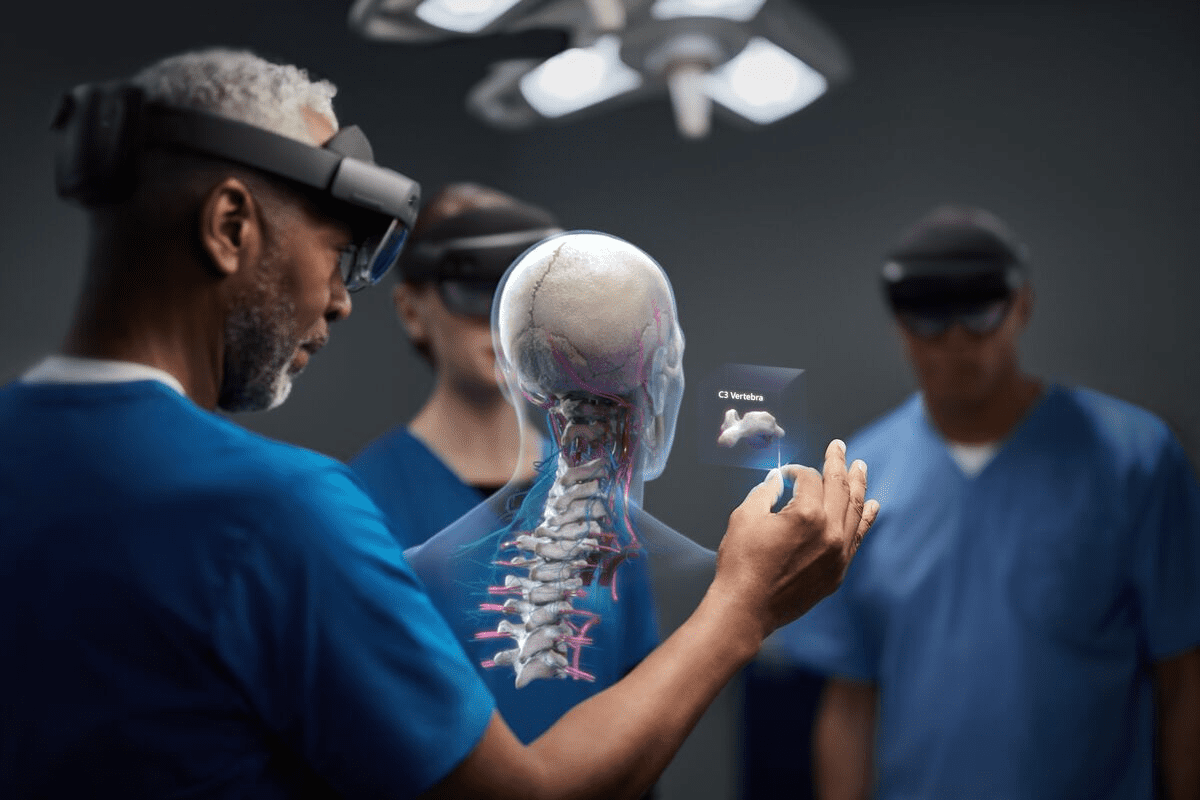
The abdominal CT scan is a high-tech tool that shows detailed images of the abdomen. It’s key in finding and treating many abdominal problems. We’ll look at what abdominal CT scans are, how they work, and their history.
Definition and Basic Principles
An abdominal CT scan is a safe way to see inside the abdomen. It uses X-rays and computers to make images. The X-ray machine moves around the body to get pictures from all sides.
Then, a computer puts these images together. This creates a full view of the abdominal area. It helps doctors find many issues, like injuries, infections, tumors, and blood vessel problems.
Development and History of CT Technology
CT technology started in the early 1970s and changed medicine a lot. The first CT scanner was made by Godfrey Hounsfield and Allan McLeod Cormack. They won the Nobel Prize in 1979 for their work.
Over time, CT scans have gotten better. They now scan faster, show clearer images, and use spiral CT scanning. These updates have made CT scans even more important in medicine.
Now, abdominal CT scans are used a lot to diagnose and keep track of abdominal issues. The technology keeps getting better, aiming to use less radiation and improve image quality.
CT Scan of Stomach: How It Works
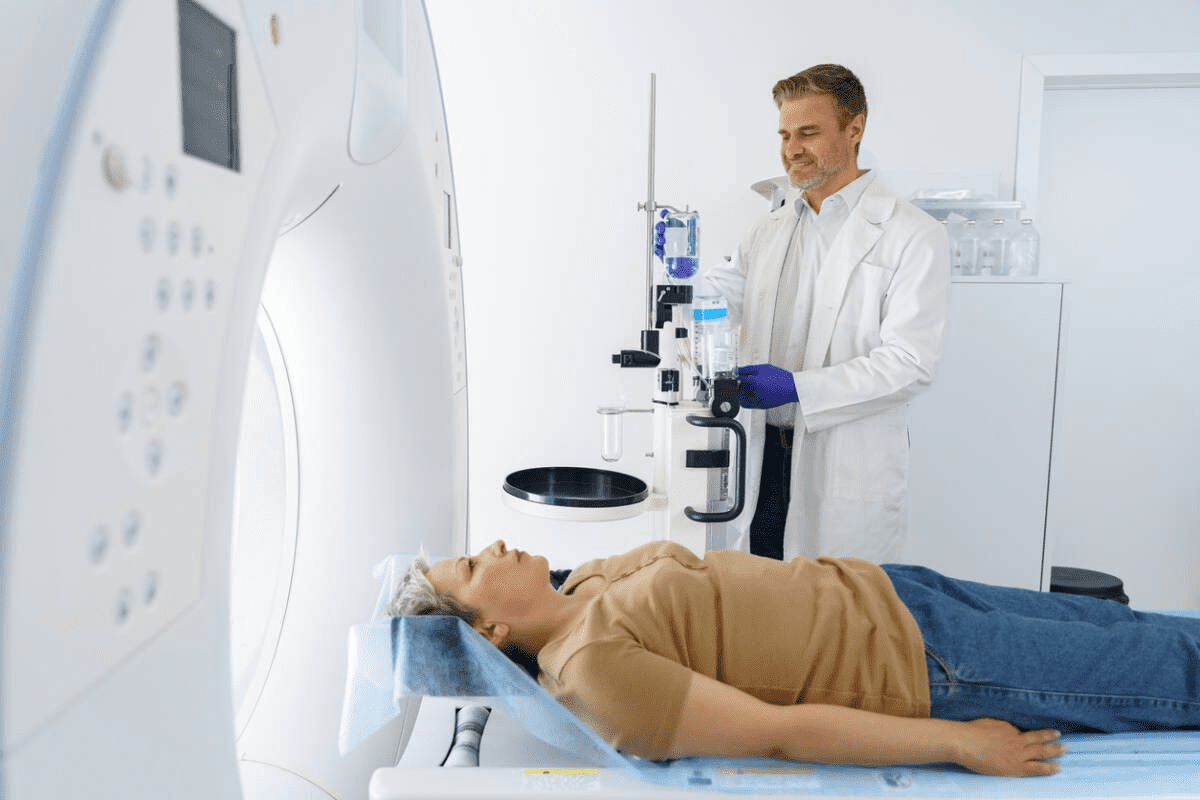
The CT scan of the stomach is a non-invasive way to check for problems in the abdomen. It lets us see the stomach and other organs clearly. This helps us find issues early, before they get worse.
X-ray Technology Behind CT Scanning
A CT scan uses X-rays to show what’s inside the body. X-rays are a kind of electromagnetic radiation that can go through soft tissues but not through denser things like bone. The scanner moves around the patient, taking pictures from different sides. Then, it makes detailed images of the body’s inside.
“The mix of X-ray tech and computer smarts has made CT scans key in today’s medicine,” say doctors. This tech gives us a clear look at the stomach and nearby tissues. It helps us make accurate diagnoses.
Cross-Sectional Imaging Process
The imaging process involves taking many X-ray pictures as the scanner moves. These pictures are then put together to show the body in slices. We can look at each slice or stack them to see a 3D image. This lets us see the stomach and its surroundings from all sides, giving us a full picture of what’s going on.
- The patient lies on a table that slides into the CT scanner.
- The scanner moves around the patient, taking X-ray pictures from different angles.
- The data is turned into detailed images using advanced computer tech.
3D Reconstruction Capabilities
One big plus of CT scans is their ability to make 3D images. This lets us see complex structures in more detail. It’s really helpful for finding problems in the stomach and nearby organs. By seeing things in 3D, doctors can understand how serious a problem is and plan the best treatment.
As medical tech gets better, so do CT scans. They offer deeper insights into the body’s inside. The 3D images made by modern CT scans are a big step forward. They help doctors make more accurate diagnoses and plan better treatments.
Medical Uses for Abdominal CT Scans
CT scans of the abdomen are key in diagnosing and managing health issues in the abdominal area. They give detailed images that help doctors spot many conditions affecting the organs inside.
Diagnosing Abdominal Pain Causes
Abdominal CT scans are mainly used to find the cause of abdominal pain. They can spot problems like gallstones, kidney stones, or appendicitis. Doctors say, “CT scans are very helpful in emergency situations when quick diagnosis is needed.”
“CT scans have changed how we diagnose abdominal conditions, giving clear and precise results in minutes.”
Medical Expert, Radiologist
Detecting Infections and Inflammation
Abdominal CT scans are also good at finding infections and inflammation in the abdominal area. They can spot conditions like diverticulitis or inflammatory bowel disease. This helps doctors plan the right treatment.
Identifying Tumors and Cancers
The ct scan abdominal procedure is key in finding tumors and cancers in the abdominal area. It helps find the size, location, and presence of tumors. This is important for cancer staging and treatment planning.
- Detection of liver cancer
- Identification of pancreatic tumors
- Diagnosis of kidney cancer
Evaluating Trauma and Internal Injuries
In cases of abdominal trauma, abdominal CT scans are vital. They help doctors see the extent of internal injuries. This helps them quickly decide on the right medical action for organs like the spleen, liver, or kidneys.
Organs and Structures Visualized
An abdominal CT scan gives a detailed look at the organs inside the abdominal cavity. It’s a key tool for spotting health problems in this area.
Stomach and Digestive Tract
The scan shows the stomach’s walls, what’s inside, and any issues like tumors or ulcers. It also looks at the small intestine and colon. This helps find problems like blockages or inflammation.
Liver, Gallbladder, and Pancreas
The scan is great for checking the liver, gallbladder, and pancreas. It finds liver diseases, gallstones, and pancreas problems like pancreatitis or tumors. This info is key for treating these important organs.
Kidneys and Adrenal Glands
Kidneys and adrenal glands are also seen on the scan. It spots kidney stones, cysts, or tumors, and adrenal gland issues like hyperplasia or tumors. This is vital for handling kidney and adrenal gland problems.
Blood Vessels and Lymph Nodes
The scan also looks at blood vessels and lymph nodes in the abdomen. It finds vascular issues like aneurysms or thrombosis, and swollen lymph nodes that might mean infection or cancer. The detailed images help plan treatments, like surgeries or biopsies.
In short, a CT scan of the abdomen is a detailed diagnostic tool. It offers insights into the health of many abdominal organs and structures. Its ability to show a wide range of details makes it essential for medical diagnosis and treatment planning.
Preparing for Your Abdominal CT Scan
An abdominal CT scan needs some prep to get clear images. This helps doctors diagnose your condition right. Preparing for a test can seem tough, but with the right help, it’s easier.
Pre-Scan Instructions and Requirements
Before your scan, we’ll give you specific steps to follow. Following these steps is key for accurate results. You might need to arrive 30 minutes early to fill out papers and get ready.
On scan day, take off metal items like jewelry and clothes with metal. You’ll also need to change into a hospital gown. It’s best to leave valuable things at home to avoid trouble.
Dietary and Fluid Restrictions
Before your scan, you might need to follow a diet. You might have to fast for 2 to 4 hours before the scan. Sometimes, you’ll drink a special liquid to help see certain parts of your abdomen.
Dietary Requirement | Guideline |
Fasting | 2 to 4 hours before the scan |
Oral Contrast | Drink as instructed by your doctor or radiology department |
Medication Considerations
Tell your doctor about any meds you’re taking. Some meds might need to be stopped or changed before your scan. Your doctor will tell you how to manage your meds for the scan.
By following these steps, you help make your abdominal CT scan safe and effective.
The Abdominal CT Scan Procedure
Let’s explore the abdominal CT scan procedure together. This test is key for spotting many abdominal issues. Knowing what to expect can ease your worries.
What to Expect During the Scan
You’ll lie on a table that moves into the CT scanner, a big, ring-shaped machine. Our team will make sure you’re in the right spot for the best images. The scan is usually fast, taking 10 to 30 minutes.
Key aspects of the scan include:
- Staying very quiet during the scan for clear pictures
- Maybe holding your breath for a bit
- Talking to the team through a special device
Duration and Patient Positioning
Most scans last about 30 minutes. Getting you in the right spot is key for good images. You’ll be placed on the table to get the best views of your abdomen.
Use of Oral and IV Contrast Materials
Contrast materials might be used to make images clearer. They can be taken by mouth or through an IV. This helps doctors see what’s going on in your abdomen better.
Tell your team about any allergies or sensitivities before the scan, if contrast is used.
The Scanning Process Step-by-Step
The CT scan process has a few steps:
- Preparation: You’ll get instructions on how to get ready, like what to eat or drink.
- Positioning: You’ll be placed on the CT table, and the team will make sure you’re comfy and in the right spot.
- Scanning: The table will slide into the CT scanner, and the images will be taken.
- Image Review: The team will check the images to make sure they’re good for diagnosis.
Knowing about the abdominal CT scan can make you feel more ready and less nervous. Our team aims to make the experience as easy and comfortable as possible.
Risks and Safety Considerations
Abdominal CT scans are useful for diagnosing, but they carry risks. It’s important for patients to know these risks to make smart health choices.
Radiation Exposure Levels and Concerns
CT scans use X-rays, which are a form of ionizing radiation. This means they expose you to more radiation than regular X-rays. The amount of radiation from a CT scan is higher.
Radiation Exposure Comparison
Imaging Test | Typical Effective Dose (mSv) |
Chest X-ray | 0.1 |
Abdominal CT Scan | 10 |
Pelvic CT Scan | 6 |
High radiation from CT scans can worry people about cancer risk. But, CT scans are often key in finding serious health issues. The benefits usually outweigh the risks.
Potential Contrast Material Reactions
CT scans also involve contrast materials to make certain areas clearer. These materials are usually safe but can cause allergic reactions in some.
- Mild reactions may include nausea, itching, or hives.
- Severe reactions can involve difficulty breathing, rapid heartbeat, or a drop in blood pressure.
Pregnancy and Other Contraindications
Pregnancy is a big reason to avoid CT scans because of radiation risks to the fetus. Other reasons might include certain health conditions or allergies to contrast materials.
In summary, CT scans have risks, but doctors weigh these against the benefits. Patients should talk to their doctors about any worries. This helps understand the risks and benefits for their situation.
Benefits of CT Scans Over Alternative Procedures
CT scans have changed how we diagnose diseases. They give us clear images of what’s inside our bodies. This makes them a key tool in medicine, better than other methods.
Accuracy and Diagnostic Capabilities
CT scans are very good at finding diseases. A study in the Journal of the American College of Radiology found they spot many conditions well. They show detailed pictures, helping doctors find and treat problems better.
A medical expert said, “CT scans help us see inside the body well. This means we can find and treat diseases in the belly better.” This is important for quick and right care for patients.
Eliminating Need for Exploratory Surgery
CT scans can often avoid the need for surgery. This lowers the risk of surgery problems and makes patients recover faster. Doctors can use CT scans to find problems without surgery, which helps patients and saves money.
Speed and Non-Invasive Nature
CT scans are quick. Modern scanners can make detailed images in just a few minutes. They are also gentle, causing less discomfort than other tests.
As technology gets better, CT scans will play an even bigger role in medicine. They will help doctors give better care, making patients happier and healthier.
Comparing CT Scans to Other Abdominal Imaging Tests
It’s important to know the differences between various abdominal imaging tests. Healthcare providers and patients need to understand this. Each imaging modality has its own benefits and limitations when diagnosing abdominal conditions.
CT Scan vs. Ultrasound
CT scans and ultrasounds are both useful for diagnosing. But they work in different ways. Ultrasound uses sound waves to create images, which is great for organs like the gallbladder and liver. Yet, it can’t offer the detailed images that CT scans do, which is important for complex anatomy or the whole abdomen.
CT scans use X-rays to create detailed images. This allows for a thorough check of abdominal structures. It’s perfect for finding conditions like appendicitis, tumors, and internal injuries.
CT Scan vs. MRI
MRI and CT scans are both advanced imaging tools. But they excel in different areas. MRI is great for soft tissue, which is good for organs like the liver, pancreas, and kidneys. But MRI scans take longer and might not be as easy to get.
CT scans are faster and show both soft tissues and bones well. This makes them great for emergency situations where quick diagnosis is key.
CT Scan vs. X-Ray
X-rays are a basic imaging tool that uses radiation. They’re quick and simple but lack the detail of CT scans. X-rays are good for finding issues like bowel obstructions or free air under the diaphragm. But they can’t give the full view that CT scans do.
CT scans offer a detailed view of abdominal structures. They’re better for diagnosing a wide range of conditions, from inflammatory diseases to complex injuries.
CT Scan vs. Endoscopy
Endoscopy involves using a flexible tube with a camera to look inside organs like the stomach and colon. It allows for direct visualization and biopsies. But, it’s more invasive than CT scans and not for all patients.
CT scans are a non-invasive option that gives a full view of the abdomen. They’re great for initial diagnosis and for tracking conditions over time.
In conclusion, CT scans are a top choice for diagnosing abdominal conditions. They offer speed, detail, and a full view. Knowing the strengths and weaknesses of each imaging modality helps healthcare providers pick the best test for each patient.
Conclusion
A CT scan of the abdomen and stomach is a key tool for doctors. It gives detailed pictures of inside organs and structures. This scan is great for finding many health issues, like pain, infections, and tumors.
The CT scan process is both accurate and painless. This makes it a top choice for both patients and doctors. Knowing how it works helps patients see its value in helping doctors decide on treatments.
CT scans are better than some other tests like ultrasound and MRI in some cases. They offer special benefits. As technology gets better, CT scans will keep being a big help in healthcare, giving doctors the info they need to help patients.
To wrap it up, the abdominal CT scan is a vital tool in today’s healthcare. It helps doctors make accurate diagnoses and treatments. This leads to better care for patients who get a CT scan of their stomach or other parts of their abdomen.
FAQ
What is a CT scan of the abdomen and stomach?
A CT scan of the abdomen and stomach is a test that uses X-rays and computer tech. It makes detailed images of the stomach, liver, pancreas, and intestines.
What is the purpose of an abdominal CT scan?
An abdominal CT scan helps diagnose and monitor many conditions. This includes abdominal pain, infections, tumors, and injuries.
How does a CT scan work?
A CT scan uses X-rays to capture images from different angles. These images are then put together by computer software to create detailed cross-sections.
What are the benefits of a CT scan over other imaging tests?
CT scans are very accurate and provide detailed images. They can diagnose many conditions, often without the need for surgery.
Are there any risks associated with CT scans?
While CT scans are safe, there are risks. These include radiation exposure and reactions to contrast materials. Pregnancy is also a contraindication.
How do I prepare for an abdominal CT scan?
To prepare for a CT scan, follow specific instructions. This may include dietary and fluid restrictions. Also, tell your doctor about any medications you’re taking.
What can I expect during the CT scan procedure?
During the procedure, you’ll lie on a table that slides into a CT scanner. You might get contrast materials to enhance the images.
How long does a CT scan take?
A CT scan usually takes 10-30 minutes to complete.
What is the difference between a CT scan and an MRI?
CT scans use X-rays and computer tech, while MRI uses a magnetic field and radio waves. MRI produces detailed images of internal structures.
Can I undergo a CT scan if I’m pregnant?
CT scans are not usually recommended during pregnancy due to radiation. But, in some cases, the benefits may outweigh the risks. Your doctor will advise you.
What is the role of contrast materials in CT scans?
Contrast materials, like oral or IV contrast, enhance CT scan images. They help highlight specific areas or structures.
How do CT scans compare to other abdominal imaging tests like ultrasound or endoscopy?
CT scans offer a unique combination of accuracy and detail. They are a valuable tool in diagnosing abdominal conditions. They often complement or surpass other imaging tests.
References
National Center for Biotechnology Information. Abdominal and Stomach CT Scan: Imaging for Diagnosis. Retrieved from https://pmc.ncbi.nlm.nih.gov/articles/PMC3487073/