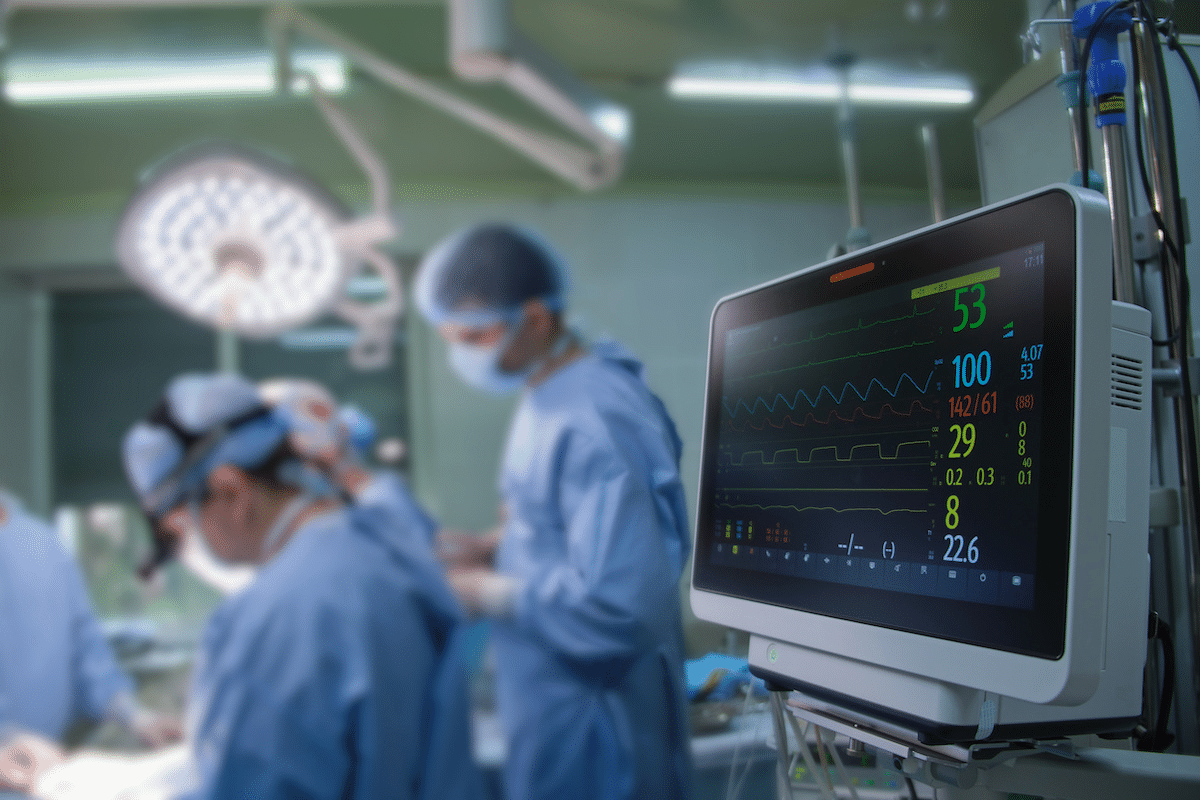
Medical imaging has changed healthcare a lot. It helps doctors find and treat problems better. Over 80 million CT scans are done every year in the U.S. This shows how important imaging is in medicine today. Get the definitive answer: what is more advanced than MRI? Understand the different roles of MRI and ct scan technology clearly.
We use MRI and CT scans to see inside our bodies. MRI shows soft tissues well, while CT scans give quick, detailed views of organs, bones, and blood vessels. Understanding the capabilities of each imaging method is essential for making accurate diagnoses.
This article will look at the differences between MRI and CT scans. It’s to help patients and doctors pick the best imaging for different health issues.
Key Takeaways
- Understanding the differences between MRI and CT scans is key for accurate diagnoses.
- MRI shows soft tissues well, while CT scans are better for bones and blood vessels.
- The right choice between MRI and CT scans depends on the health issue being looked at.
- Both MRI and CT scans are very important in today’s medical imaging.
- New imaging tech keeps getting better, helping doctors make more accurate diagnoses and improve patient care.
The Evolution of Medical Imaging
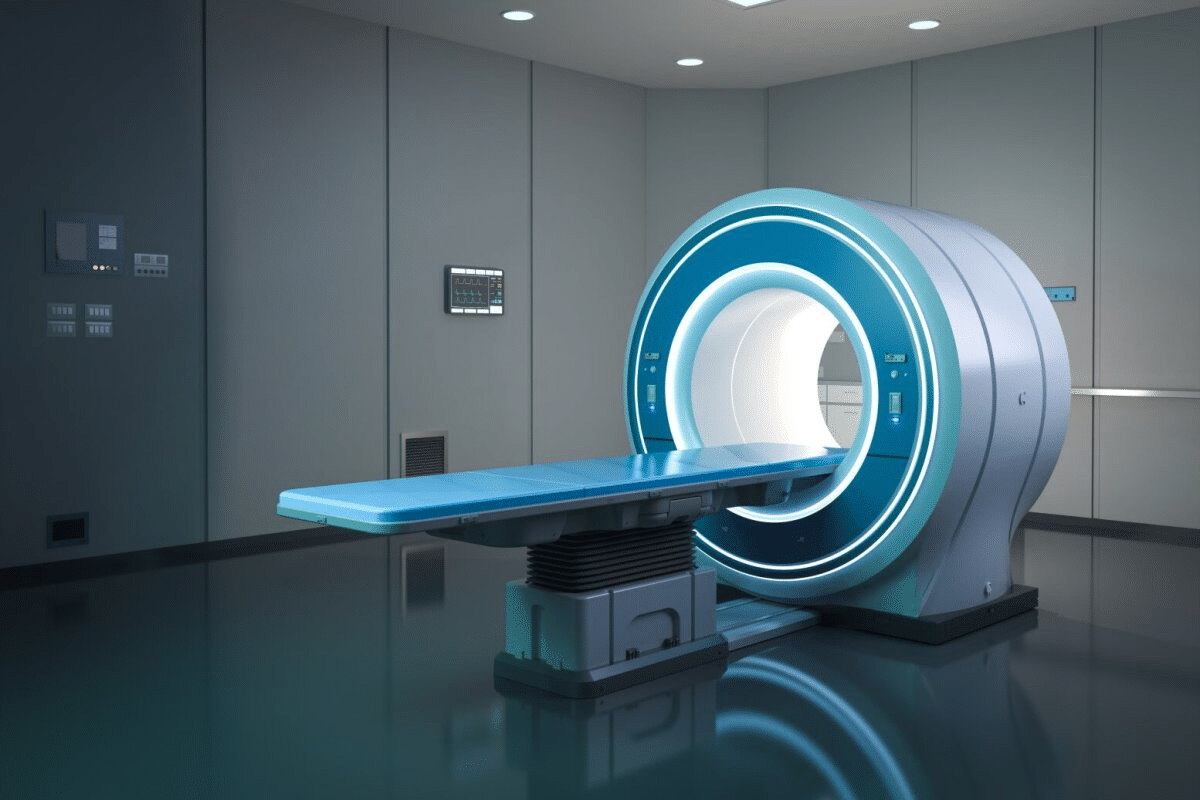
Medical imaging has changed a lot from the first X-rays. These changes have made it better for diagnosing and caring for patients. The evolution of medical imaging has progressed from basic X-rays to sophisticated techniques such as MRI and CT scanning.
From X-rays to Advanced Imaging
Wilhelm Conrad Röntgen discovered X-rays in 1895. At first, they were mainly used for looking at bones. But, as technology got better, we got more advanced imaging tools.
CT scans came in the 1970s, giving us detailed body images. MRI was introduced in the 1980s. It showed soft tissues clearly without harmful radiation.
The Impact of Technology on Diagnostic Medicine
New technologies in medical imaging have made diagnosing better. Today’s scans give detailed pictures of the body. This advancement enables healthcare professionals to detect issues at an earlier stage.
These advancements have positively impacted numerous fields within medicine. For example, MRI and CT scans are key for spotting and tracking diseases like cancer and heart problems.
|
Imaging Modality |
Primary Use |
Key Benefits |
|---|---|---|
|
X-ray |
Bone imaging, initial assessment |
Quick, widely available, low cost |
|
CT Scan |
Soft tissue and bone imaging, emergency diagnostics |
Fast, detailed cross-sectional images |
|
MRI |
Soft tissue imaging, neurological and musculoskeletal diagnostics |
High-resolution images, no ionizing radiation |
Understanding MRI Technology
MRI scans use magnetic fields and radio waves to create images. They are key in medicine, showing body parts without surgery or harmful radiation.
How MRI Works
MRI machines use a strong magnetic field and radio waves to make detailed images. First, the patient is placed in the machine. The magnetic field aligns hydrogen atoms in the body.
Then, radio waves disturb these atoms, causing them to send signals. The MRI machine catches these signals and turns them into images.
The magnetic field’s strength is key for clear images. Stronger fields, like in high-field MRI machines, help see small details better.
Applications of MRI Scans
MRI scans are used in many ways in medicine. They are great for:
- Seeing soft tissues like organs and tendons, which X-rays or CT scans can’t show.
- Diagnosing brain and spinal cord issues, like multiple sclerosis or spinal injuries.
- Looking at joints and muscle injuries, helping plan treatment.
- Finding and tracking cancer, seeing how it responds to treatment.
MRI’s ability to show detailed images without harmful radiation is a big plus. It’s very useful for patients needing many scans or where radiation is a worry.
Limitations of Traditional MRI
Even though MRI is powerful, it has some downsides. Traditional MRI machines can:
- Make some patients feel claustrophobic because of the tight space.
- Have trouble with patients who have metal implants or pacemakers.
- Not work well for very dense tissues like bone.
New MRI tech, like open machines and implants that work with MRI, are helping fix these issues. This makes MRI more available and useful.
In summary, MRI technology has changed how we diagnose diseases by giving us detailed, non-invasive images. Knowing how MRI works, its uses, and its limits helps us see its importance in healthcare today.
CT Scan: A Fundamental Imaging Technology
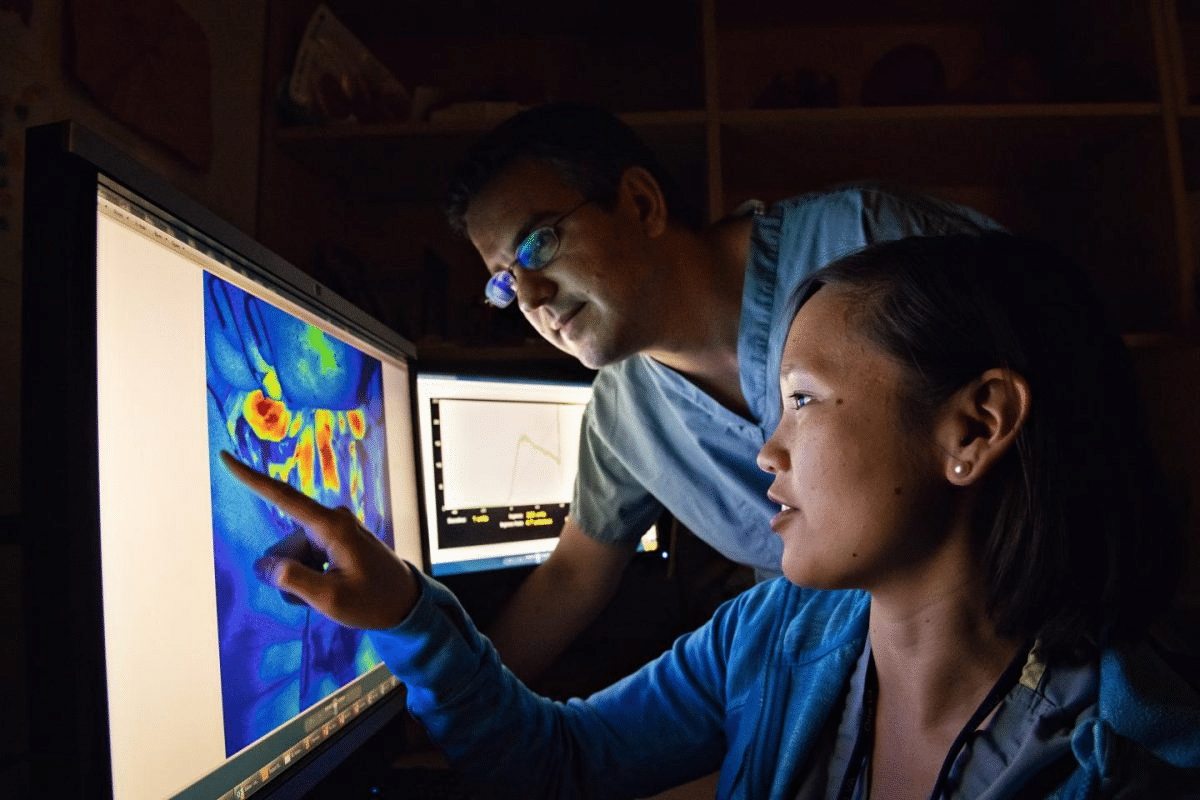
CT scan technology has greatly improved our ability to see inside the body. It helps doctors diagnose complex health issues. CT scans give detailed pictures of the body’s inside parts.
How CT Scans Work
CT scans use X-rays and computers to show the body’s inside. They rotate an X-ray source and detectors around the body. This captures data from many angles.
Common Applications of CT Scans
CT scans help diagnose many health issues, including:
- Cancer detection and staging
- Trauma and injury assessment
- Vascular diseases
- Infections and inflammatory conditions
They are very useful in emergencies. Quick and accurate diagnosis is key. CT scans give doctors the images they need to make good decisions.
Advantages and Limitations
CT scans are fast and give clear images. This is great in urgent care situations. They are also good at showing differences in tissue density.
But, CT scans use radiation. This is a worry, mainly for young patients or those needing many scans. They also don’t show soft tissue as well as MRI scans do.
Key benefits of CT scans include:
- Rapid imaging capability
- High-resolution images
- Effective for detecting a wide range of conditions
In summary, CT scans are key in healthcare today. They are fast and give clear images. But, they also have downsides like radiation exposure. Knowing these points helps doctors use them better.
MRI vs CT Scan: Key Differences
MRI and CT scans are used for different reasons. They each have their own strengths and weaknesses. Knowing these differences helps doctors choose the best test for each patient.
Imaging Principles Compared
MRI and CT scans work in different ways. MRI uses a strong magnetic field and radio waves to see inside the body. CT scans use X-rays to make detailed images.
MRI is great for soft tissues like the brain and joints. CT scans are better for bones and lungs because they are denser.
Radiation Exposure Considerations
One big difference is radiation. CT scans use X-rays, which can harm patients, mainly kids and those needing many scans. MRI doesn’t use X-rays, making it safer for those at risk.
Diagnostic Capabilities
MRI and CT scans are good for different things. MRI is top for soft tissues and helps find conditions like cancer and injuries. CT scans are quicker for emergencies, like finding injuries or bleeding.
|
Feature |
MRI |
CT Scan |
|---|---|---|
|
Imaging Principle |
Magnetic Field & Radio Waves |
X-rays |
|
Radiation Exposure |
No |
Yes |
|
Best for Imaging |
Soft Tissues (Brain, Spinal Cord, Joints) |
Bones, Lungs, Dense Tissues |
|
Diagnostic Use |
Soft tissue injuries, certain cancers, neurological conditions |
Emergency situations, internal injuries, bleeding |
Brain Imaging: CT vs MRI Comparison
It’s important to know the differences between CT and MRI scans for brain diagnoses. Each has its own strengths and is best for different situations.
When CT is Preferred for Brain Imaging
CT scans are top picks for emergency brain imaging. They’re fast and easy to find, perfect for quick checks after accidents or falls. They’re great for spotting bleeding, breaks, and objects in the brain. Their quick results are vital in urgent cases.
- Rapid assessment of acute head injuries
- Detection of hemorrhages and fractures
- Guiding emergency interventions
When MRI is the Better Choice
MRI is better for soft tissue details, like tumors, infections, and diseases like multiple sclerosis. MRI effectively visualizes soft tissues, aiding in the identification and measurement of lesions. MRI also checks brain function with special techniques.
- Detailed assessment of brain tumors and lesions
- Diagnosis of neurological conditions like multiple sclerosis
- Evaluation of brain infections and abscesses
Acute vs. Chronic Conditions
Choosing between CT and MRI depends on the condition’s type. For sudden issues like stroke or trauma, CT is first because it’s fast and good at finding bleeding. For long-term problems, like dementia or epilepsy, MRI is better for detailed brain views.
|
Condition |
Preferred Imaging Modality |
Rationale |
|---|---|---|
|
Acute Stroke |
CT |
Rapid detection of hemorrhage |
|
Chronic Epilepsy |
MRI |
Detailed assessment of hippocampal structure |
Cancer Detection and Staging: MRI vs CT Scan
Choosing between MRI and CT scans is key for finding and staging cancer. Each has its own strengths. The right choice depends on the cancer type, where it is, and its stage.
Accuracy of CT Scans for Cancer
CT scans are often used for cancer detection. They are good at showing tumors in the belly and chest. They also help find cancer in lymph nodes and other parts of the body.
Key advantages of CT scans include:
- They are quick, which is good for patients who can’t stay in one place for long.
- They give clear images of inside organs and structures.
- They can spot many types of cancer, like lung, liver, and pancreatic cancers.
MRI Advantages in Oncology
MRI is great for soft-tissue contrast. It’s very useful for tumors in hard-to-see places like the brain, spine, and pelvis. It also helps see how far tumors have spread into nearby tissues.
Notable benefits of MRI in oncology include:
- It shows soft tissues very well, helping to see tumor edges.
- It doesn’t use radiation, making it safer for more scans and younger patients.
- It can show how tissues work through special techniques.
Choosing the Right Modality by Cancer Type
Choosing between MRI and CT scans depends on the cancer type. MRI is often better for brain tumors and prostate cancer because of its soft-tissue contrast. CT scans are usually used for lung cancer and tumors in the belly.
|
Cancer Type |
Preferred Imaging Modality |
Rationale |
|---|---|---|
|
Brain Tumors |
MRI |
Superior soft-tissue contrast for detailed brain anatomy. |
|
Lung Cancer |
CT Scan |
High sensitivity for detecting lung nodules and lymph node involvement. |
|
Prostate Cancer |
MRI |
Excellent visualization of the prostate gland and surrounding tissues. |
Knowing the strengths of MRI and CT scans helps doctors make better choices. This improves how well we can find and understand cancer.
Advanced MRI Technologies
New MRI technologies are changing medical imaging. They offer better ways to diagnose and treat diseases. These advancements make MRI images clearer and more accurate.
High-Field MRI
High-field MRI uses stronger magnetic fields for better images. This leads to improved diagnostic accuracy for complex cases. The main benefits are:
- Enhanced image clarity
- Better visualization of small structures
- Improved detection of subtle abnormalities
Functional MRI (fMRI)
Functional MRI (fMRI) tracks brain activity by looking at blood flow changes. It’s a big leap in neuroimaging, helping doctors map brain functions. fMRI is great for:
- Pre-surgical planning
- Mapping brain function in relation to tumors or lesions
- Research into neurological disorders
Diffusion Tensor Imaging (DTI)
Diffusion Tensor Imaging (DTI) shows detailed tissue information. It measures water molecule diffusion to reveal tissue details. DTI’s main uses are:
- Assessing white matter integrity
- Planning neurosurgical procedures
- Researching neurological and psychiatric conditions
These advanced MRI technologies are expanding what medical imaging can do. They help doctors diagnose and treat better. As these technologies grow, we’ll see more breakthroughs in medical diagnosis.
PET Scans: Beyond Structural Imaging
PET scans are a big step forward in medical imaging. They show more than just what’s inside our bodies. Unlike other imaging methods, PET scans tell us about how our tissues and organs work.
How PET Scans Work
PET scans use a special radioactive tracer that we inject into our bodies. This tracer goes to areas that are very active, like growing cancer cells. The PET scanner picks up the signals from the tracer, showing us how our body’s processes work.
The most common tracer is Fluorodeoxyglucose (FDG). It’s a sugar molecule with a radioactive tag. Cancer cells, which use more sugar than normal cells, show up on the scan. This helps doctors find and understand cancer better.
Applications in Oncology and Neurology
In cancer care, PET scans are key for finding, understanding, and tracking cancer. They can spot cancer cells that other tests miss.
In brain health, PET scans help see how the brain works. They can spot problems like Alzheimer’s and Parkinson’s by showing where the brain isn’t working right.
PET-CT and PET-MRI Hybrid Systems
Combining PET with CT or MRI makes diagnosis even better. PET-CT gives us both the metabolic info from PET and the detailed pictures from CT. This gives a full picture of how our body works.
PET-MRI, on the other hand, has better soft-tissue detail than CT. It’s great for brain scans and checking soft-tissue tumors.
PET scans are a vital tool in today’s medicine. They help catch problems early and track how treatments are working.
“The advent of PET imaging has revolutionized our understanding of cancer biology and has significantly impacted clinical management.”
|
Imaging Modality |
Primary Use |
Key Benefits |
|---|---|---|
|
PET |
Metabolic activity assessment |
Early detection of metabolic changes |
|
PET-CT |
Cancer staging, treatment monitoring |
Combines metabolic and anatomical information |
|
PET-MRI |
Brain imaging, soft-tissue assessment |
Superior soft-tissue contrast |
SPECT Imaging: Nuclear Medicine Advances
SPECT imaging has changed the game in medical diagnosis. It gives us detailed views of how our bodies work. SPECT, or Single Photon Emission Computed Tomography, is a way to see inside the body. It helps us understand how our organs and tissues function.
Principles of SPECT Technology
SPECT uses a gamma camera to catch gamma rays from a special tracer. The camera moves around the patient, taking pictures from different sides. These images are then put together to show a 3D view of the body’s inner workings.
Key components of SPECT technology include:
- Gamma camera
- Radioactive tracer
- Image reconstruction software
Clinical Applications
SPECT imaging is used in many areas, like cancer, heart, and brain studies. It helps find tumors, check how cancer spreads, and see how well the heart works. This is because it shows how organs function.
|
Clinical Area |
Application of SPECT Imaging |
|---|---|
|
Oncology |
Tumor detection, cancer staging |
|
Cardiology |
Myocardial perfusion assessment |
|
Neurology |
Evaluation of neurodegenerative diseases |
Comparing SPECT to Other Modalities
SPECT is often compared to PET and CT scans. PET scans are more sensitive but cost more. CT scans show body structure well but don’t give SPECT’s functional insights.
The right imaging choice depends on what doctors need to know for patient care.
Knowing SPECT’s strengths and limits is key for its use in medicine. By using SPECT with other scans, doctors can understand patients better. This leads to better diagnoses and treatments.
Ultrasound and Elastography: Non-Radiation Alternatives
Medical imaging is getting better, thanks to ultrasound and elastography. These methods are great because they don’t use radiation. This is a big plus when you’re worried about radiation.
Advanced Ultrasound Technologies
Ultrasound has come a long way. It gives clear images without using harmful radiation. It’s perfect for many uses, like checking on babies and muscles.
Key advancements include: better transducers, improved signal processing, and 3D and 4D imaging. These changes make ultrasound even better for diagnosing. It means doctors can make more accurate diagnoses and use fewer tests.
Shear Wave Elastography
Shear wave elastography is a new way to check how stiff tissues are. It’s great for looking at liver fibrosis, breast lumps, and thyroid nodules.
This method sends waves through tissues and measures how fast they move. This tells doctors about tissue stiffness. It’s a safe way to check on health without needing to do invasive tests.
Advantages in Specific Diagnostic Scenarios
Ultrasound and elastography have big benefits in certain situations:
|
Diagnostic Scenario |
Advantages |
|---|---|
|
Liver Disease Assessment |
Elastography gives a safe way to check liver fibrosis, cutting down on liver biopsies. |
|
Breast Lesion Characterization |
Using ultrasound and elastography together makes it easier to tell if a breast lump is cancerous. |
|
Thyroid Nodule Evaluation |
Elastography helps find how stiff thyroid nodules are. This helps spot the ones that might be cancerous. |
These technologies help doctors give safer, more precise tests to patients. This meets the need for tests that don’t use radiation.
Molecular Imaging: Seeing Cellular Function
Now, we can see how cells work thanks to molecular imaging. This tool helps doctors make more accurate treatments. It lets us see and measure how our bodies work at the molecular level.
Principles of Molecular Imaging
Molecular imaging uses advanced imaging like PET and MRI. It also uses biology to focus on certain cell activities. This is done with special agents that attach to specific molecules, making them visible.
Creating these agents is key. They must find and bind to certain disease markers. This way, molecular imaging can spot diseases early and understand them at a molecular level.
Applications in Personalized Medicine
Molecular imaging is vital for personalized medicine. It gives doctors detailed info on a patient’s disease. This helps tailor treatments, making them more effective and safer.
In cancer, it helps find the genetic causes of tumors. In brain diseases, it shows molecular changes. This helps doctors diagnose and track these conditions better.
Future Directions
The future of molecular imaging looks bright. Scientists are working on new probes and better imaging tech. Hybrid systems like PET-MRI will make it even more powerful.
As it grows, molecular imaging will play a bigger role in healthcare. It will lead to more precise and personalized treatments. Its ability to reveal disease mechanisms at a molecular level is huge.
Artificial Intelligence in Medical Imaging
Artificial intelligence (AI) is changing how we diagnose diseases. AI helps doctors understand images better, making diagnoses more accurate. It also makes clinical work easier.
AI-Enhanced MRI and CT Interpretation
AI uses machine learning to look at medical images. It spots things that humans might miss. This leads to better diagnoses.
AI can measure important details in images, like tumor size. It also finds patterns linked to health outcomes. This is key for tracking treatment success.
Computer-Aided Diagnosis
Computer-aided diagnosis (CAD) systems use AI to help doctors. They quickly analyze lots of data, giving insights for better decisions.
CAD systems boost accuracy for many conditions, like cancer and brain disorders. They point out risky areas, helping doctors catch more problems.
|
Modality |
AI Application |
Clinical Benefit |
|---|---|---|
|
MRI |
Tumor segmentation |
Improved cancer staging |
|
CT |
Lung nodule detection |
Early detection of lung cancer |
|
MRI/CT |
Image registration |
Enhanced diagnostic accuracy |
The Future of AI in Radiology
The future of AI in radiology is exciting. AI will get smarter, leading to new uses in medical imaging. This includes predicting patient outcomes and tailoring treatments.
AI will link imaging data with other health info, like genetics. This will give doctors a full picture of patient health. AI tools will also help doctors work more efficiently, boosting their confidence.
But, we must tackle issues like data quality and algorithm clarity. We also need to follow rules to make the most of AI in medical imaging.
7T MRI and Ultra-High-Field Imaging
The introduction of 7T MRI has changed medical imaging. It brings us closer to diagnosing and treating complex diseases. We can now see details we couldn’t before.
Technical Advancements
7T MRI has seen big technical improvements. Higher field strengths mean better images. This is great for spotting small details or problems that were hard to see before.
New coil technology and pulse sequences are key. They help deal with the challenges of high-field imaging. This includes issues like inhomogeneity and specific absorption rate (SAR) limitations.
Clinical Applications
7T MRI is being used in many areas, like neurological and musculoskeletal imaging. It’s very useful for complex brain conditions, like epilepsy and multiple sclerosis.
In muscle and joint imaging, 7T MRI helps us see more clearly. This is important for planning surgeries or tracking disease.
Advantages Over Standard MRI
7T MRI gives us higher resolution images and improved diagnostic accuracy. This means we can help patients more by making precise diagnoses and treatments.
Also, 7T MRI is more sensitive to tissue properties. This could lead to new discoveries in research and diagnosis.
Multimodal Imaging: Combining Technologies
Multimodal imaging is a big step forward in medical diagnostics. It uses many imaging technologies together. This gives doctors a clearer view of what’s inside the body.
By mixing different imaging methods, doctors can see more details. This leads to better diagnosis and treatment plans.
PET-MRI Systems
PET-MRI systems mix PET’s function info with MRI’s detailed images. This combo lets doctors see how organs and tissues work and look.
- Enhanced Diagnostic Accuracy: PET-MRI systems help spot diseases like cancer and brain issues more accurately.
- Reduced Radiation Exposure: Using PET-MRI might cut down on the need for many scans. This means less radiation for patients.
SPECT-CT Integration
SPECT-CT combines SPECT’s function info with CT’s detailed images. This mix gives doctors more to work with.
The good things about SPECT-CT include:
- Improved Localization: SPECT-CT helps pinpoint where problems are. This is key for treating diseases like cancer.
- Enhanced Diagnostic Confidence: SPECT-CT gives doctors both function and anatomy info. This makes treatment plans more effective.
Benefits of Combined Approaches
Using many imaging methods together has big advantages. It leads to better diagnosis, care, and treatment plans. Multimodal imaging gives a full picture of patient health. This means better health outcomes for everyone.
Emerging Technologies in Medical Imaging
The future of medical imaging looks bright. New technologies like hyperpolarized MRI, magnetic particle imaging, and quantum imaging are coming. They promise to change healthcare by giving us clearer images, better diagnoses, and tailored treatments.
Hyperpolarized MRI
Hyperpolarized MRI is a big step up from traditional MRI. It boosts the signal-to-noise ratio, letting us see more of what’s happening inside our bodies. This could help doctors spot and track cancer better by showing how tumors work.
Key benefits of hyperpolarized MRI include:
- Enhanced metabolic imaging capabilities
- Improved detection of early disease processes
- Better monitoring of treatment response
Magnetic Particle Imaging
Magnetic Particle Imaging (MPI) uses tiny iron oxide particles to create detailed images. It’s very sensitive and precise, making it great for seeing blood vessels and finding cancer.
“MPI has the power to change medical imaging. It offers a super-sensitive way to see many diseases.”
Quantum Imaging Techniques
Quantum imaging uses quantum mechanics to make images clearer and more detailed. It could help doctors find diseases sooner and diagnose them more accurately.
Using quantum imaging in medicine could bring:
- Clearer and better images
- More accurate diagnoses
- New ways to detect and track diseases
As these new technologies grow, we’ll see big changes in medical imaging. This means better care and more effective disease management for everyone.
Conclusion: The Future of Advanced Medical Imaging
Advanced medical imaging technologies are changing the game. High-field MRI, PET-MRI hybrid systems, and artificial intelligence are making big waves. They are helping doctors make more accurate diagnoses and treatments.
New technologies like hyperpolarized MRI and quantum imaging are coming soon. These will make diagnosing diseases even better. This means patients will get better care and live healthier lives.
We’re leading the way in healthcare, supporting patients from around the world. As medical imaging gets better, we’re ready to use these new tools. Our goal is to keep improving patient care.
FAQ
What is the main difference between MRI and CT scans?
MRI scans use a strong magnetic field and radio waves to show detailed images of soft tissues. CT scans, on the other hand, use X-rays to create images of bones and lungs. MRI is better for soft tissues, while CT scans are better for dense tissues.
Which is better for brain imaging, MRI or CT scan?
MRI is usually better for brain imaging because it shows soft tissues like the brain and blood vessels in detail. But, CT scans are quicker and used in emergencies like strokes or head trauma.
Are MRI scans safe?
MRI scans are mostly safe but have some risks. These include claustrophobia, allergic reactions to contrast agents, and problems with certain implants. Always tell your doctor about any medical conditions or implants before an MRI.
How do CT scans work?
CT scans use X-rays to make detailed images of the body’s internal structures. A rotating X-ray tube emits the X-rays, and a computer reconstructs the images.
What are the advantages of MRI over CT scans?
MRI has better soft tissue contrast and can image in multiple planes. It also doesn’t use ionizing radiation. MRI is great for conditions like multiple sclerosis and joint disorders.
Can MRI scans detect cancer?
Yes, MRI scans can find and stage cancer. They’re good for imaging certain cancers like prostate and breast cancer. But, the best imaging modality depends on the cancer type and location.
What is the difference between a PET scan and an MRI or CT scan?
PET scans use a radioactive tracer to show metabolic activity, while MRI and CT scans show anatomical structures. PET scans are often used in oncology and neurology to check disease activity and treatment response.
Are there any alternatives to MRI and CT scans?
Yes, alternatives like ultrasound and X-rays exist. Ultrasound is non-invasive and non-ionizing, often used for the abdomen, pelvis, and blood vessels.
How is artificial intelligence used in medical imaging?
Artificial intelligence (AI) is used in medical imaging to improve image interpretation and detect abnormalities. AI algorithms can recognize patterns in images and suggest diagnoses to radiologists.
What is the future of medical imaging?
Medical imaging’s future includes advancements in technologies like higher-field MRI and improved CT scanner design. AI and emerging technologies like quantum imaging will also enhance diagnostic capabilities.
References
National Center for Biotechnology Information. Evidence-Based Medical Insight. Retrieved from https://www.ncbi.nlm.nih.gov/books/NBK22391/