Did you know Cardiovascular Intensive Care Units (CVICUs) are very tough? They deal with complex cardiac patients and use advanced tech. CVICU nurses are key in giving specialized care to those with serious heart issues. Searching for a “CVICU near me“? We explore why the CVICU is often considered the most intense and hardest ICU.
Finding the right critical care unit can be tough. CVICU stands for Cardiovascular Intensive Care Unit. It’s a special part of hospitals for patients with severe heart problems. CVICU is important because it offers intensive care to patients who need close monitoring and life-saving treatments.
Need specialized care? It’s important to find a critical care unit nearby. We help you find intensive care units ready for complex cardiac cases. This ensures you get the best care possible.
Key Takeaways
- CVICU is a specialized ICU for cardiac patients.
- CVICU nurses provide critical care to heart patients.
- Locating a CVICU or specialized icu is crucial for cardiac care.
- Advanced technology is used in CVICUs for patient care.
- Finding a cvicu near me ensures timely medical intervention.
The Hierarchy of Intensive Care Units
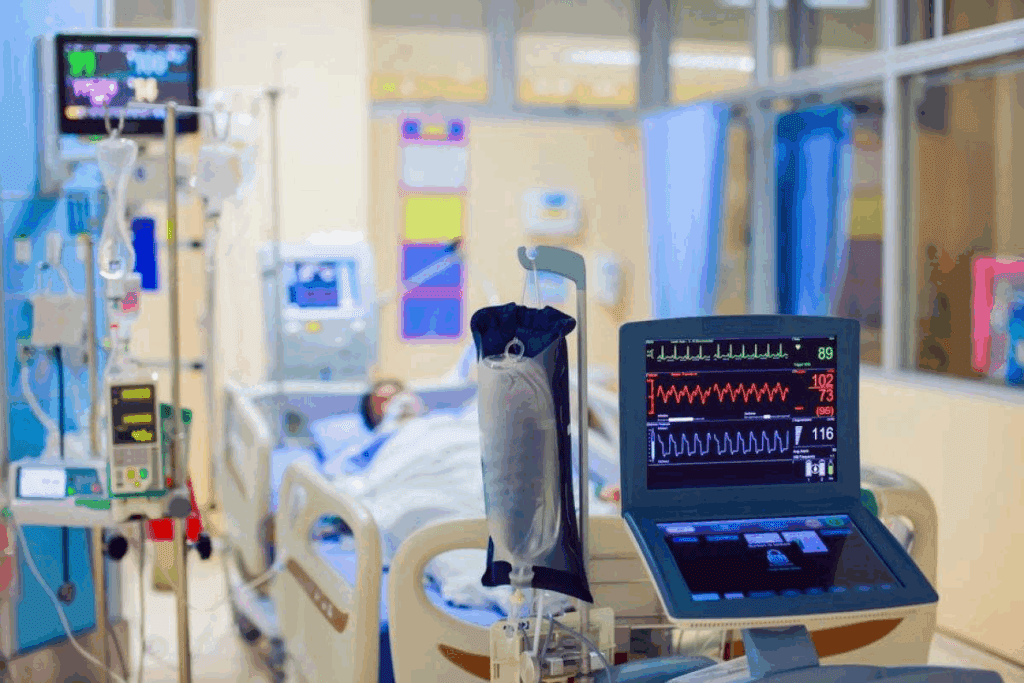
a highly detailed, realistic photorealistic scene of a state-of-the-art cardiovascular intensive care unit (CVICU), a specialized area of a hospital focused on the critical care of patients with severe heart and circulatory conditions. Bright, clinical lighting illuminates the scene, showcasing a bustling environment filled with advanced medical equipment and attentive healthcare professionals. In the foreground, a team of nurses and doctors are tending to a patient connected to various life-support systems, their expressions conveying the gravity of the situation. In the middle ground, rows of high-tech monitoring stations and diagnostic machines line the walls, while the background reveals the organized chaos of the unit, with patients being wheeled in and out, and staff moving purposefully between tasks. The atmosphere is one of intense focus and unwavering dedication to saving lives.
ICUs are classified based on the needs of critically ill patients. They offer specialized care. It’s key to know the different ICUs and their roles in healthcare today.
The Purpose and Function of Critical Care
Critical care units help patients in critical conditions. ICU nursing is crucial here. Nurses need to be very skilled to monitor and care for these patients.
ICUs focus on life-saving care and constant monitoring. They have advanced technology and a team of experts. This team includes intensivists, nurses, and other specialists.
How ICUs Are Categorized in Modern Healthcare
ICUs are sorted by the care they offer, like medical or cardiac. For example, a cardiovascular intensive care unit (CVICU) deals with heart conditions. They need to know a lot about heart diseases and treatments.
Sorting ICUs by type helps tailor care to patient needs. This approach leads to better treatment and outcomes for patients.
Factors That Determine ICU Difficulty
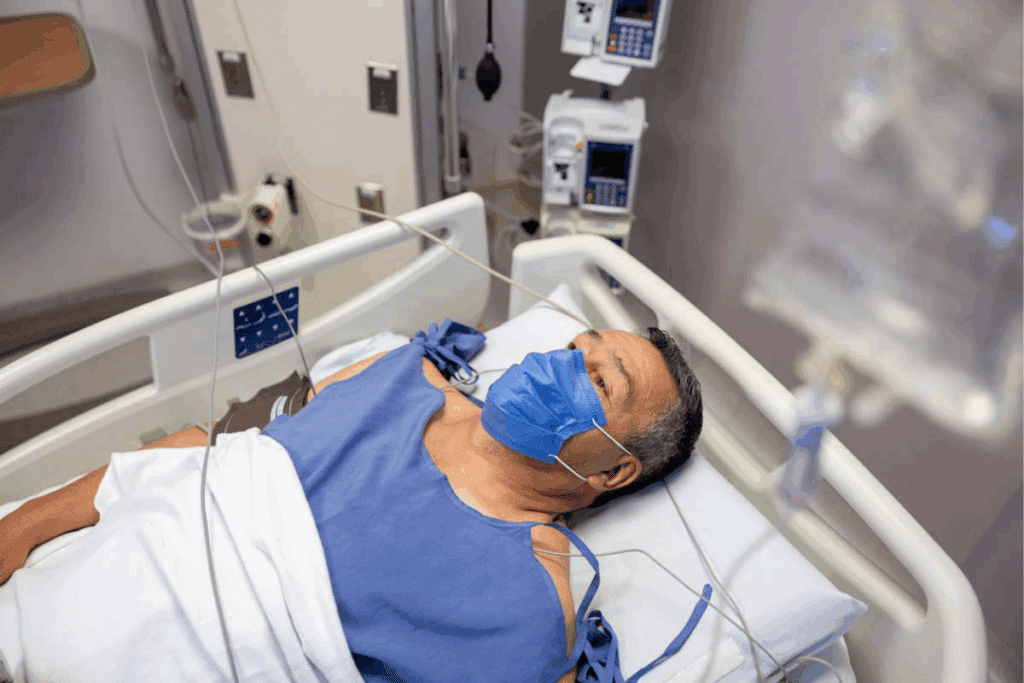
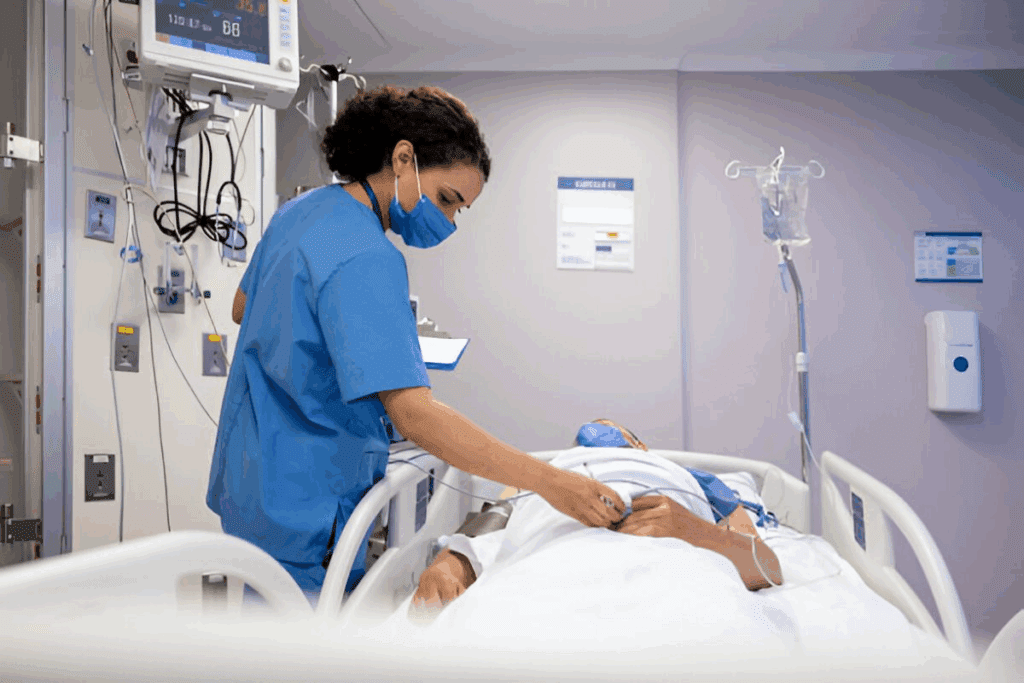
A dedicated CVICU nurse stands vigilant at the bedside, their scrubs crisp and professional. Intricate medical equipment surrounds them, a symphony of blinking lights and digital readouts. The nurse’s expression is one of focused concentration, their hands deftly managing the array of tubes and wires, ensuring the patient’s vital signs remain stable. The room is bathed in a warm, gentle lighting, creating a soothing atmosphere that belies the intensity of the critical care environment. The nurse’s gaze is unwavering, their expertise and compassion evident in every movement, as they work tirelessly to provide the highest level of care.
Knowing what makes an ICU tough is key for patients and staff. The challenge in an Intensive Care Unit (ICU) varies a lot. It depends on several important factors.
Patient Acuity and Complexity
The type of patients in an ICU greatly affects its difficulty. For example, a Cardiovascular ICU (CVICU) handles patients with serious heart issues. These patients need close monitoring and advanced care.
CVICU nurses must have special skills to manage these cases. They deal with complex heart care and monitoring.
In ICUs like CVICU or Cardiothoracic ICU (CTICU), patients are very sick. They often need life-saving treatments and constant watch. Nurses in these places must be good at using critical care tools and making fast, smart choices.
Technical Equipment and Monitoring Systems
The tech used in ICUs is very advanced. This includes systems for heart monitoring, breathing machines, and more. CVICU nurses need to know how to use and understand these tools well.
These systems help doctors and nurses make quick decisions. But, they also mean staff must be very skilled in using and interpreting the data.
Required Knowledge Base and Decision-Making Speed
ICU staff, especially in places like CVICU, need a lot of knowledge. They must know about critical care, medicines, and the diseases they treat. They also need to make fast, smart choices.
The job of an ICU nurse includes quickly figuring out complex problems and making decisions that can change a patient’s life. Working in ICUs is fast-paced and requires staying calm and thinking clearly in emergencies.
In summary, how hard an ICU is depends on many things. These include the patients’ health, the tech used, and the staff’s knowledge. Knowing these factors helps us understand the big challenges faced by healthcare workers in these places.
Medical ICU (MICU): Challenges and Complexity
A sterile, well-lit medical intensive care unit (MICU) with advanced medical equipment and technology. The foreground features a hospital bed surrounded by a variety of life-support devices, including IV drips, heart monitors, and mechanical ventilation systems. The middle ground showcases a team of dedicated healthcare professionals in scrubs and masks, intently monitoring patient vitals and administering care. The background depicts the organized chaos of the MICU, with medical supplies, diagnostic machines, and a sense of urgency in the air. The lighting is a balanced mix of cool, bright overhead illumination and warm task lighting, creating a clinical yet focused atmosphere. The camera angle is slightly elevated, providing a comprehensive view of the complex and challenging environment of the MICU.
In the Medical ICU, the care for patients is very complex. This is because of the serious conditions these patients have. MICU nurses are key in caring for these patients, who may have severe issues like breathing problems or sepsis.
Common Conditions Treated in MICU
The MICU is for patients with life-threatening medical issues. Some common conditions include:
- Respiratory failure needing a ventilator
- Sepsis and septic shock
- Acute kidney injury
- Cardiac issues like heart attacks or shock
A leading critical care specialist notes, “The MICU is a highly specialized unit. It needs a team effort to handle complex patient conditions.”
“The ability to quickly assess and respond to patient changes is key in the MICU.”
Required Skills for MICU Nurses
MICU nurses are vital in managing patients with complex needs. They need:
- Advanced life support skills
- Ability to read complex monitoring data
- Strong critical thinking and decision-making
- Good communication with the team
Dealing with critically ill patients shows that MICU nurses must be highly skilled and flexible. They not only give top-notch care but also support families in tough times.
Surgical ICU (SICU): Unique Demands
A modern, well-equipped surgical intensive care unit (SICU) with state-of-the-art medical equipment and technology. The foreground features a patient’s bed surrounded by various life-support systems, monitors, and medical devices. In the middle ground, healthcare professionals in scrubs and lab coats move with a sense of urgency, carefully monitoring the patient’s condition. The background showcases the calm, sterile environment of the SICU, with clean, white walls and subdued lighting that creates a professional, high-tech atmosphere. The overall scene conveys the specialized and critical nature of the Surgical ICU, where the most complex and delicate medical cases are managed with the utmost care and precision.
The Surgical ICU (SICU) is a special place for intensive care. It focuses on patients who have just had major surgery. This unit needs a team with advanced skills and the latest medical tools.
Post-Operative Critical Care Challenges
Patients in the SICU face many complex issues. They need careful monitoring and detailed post-operative care. The main hurdles include managing pain, watching for complications, and supporting them during recovery.
The SICU team faces several big challenges:
- Managing patients with many health problems
- Dealing with complications like infections or bleeding
- Working with surgical teams and other experts
- Supporting patients and their families emotionally
SICU Nurse Responsibilities and Workflow
SICU nurses are key in caring for post-operative patients. Their duties include:
- Watching patients’ vital signs and brain function
- Giving medicines and managing pain
- Helping with complex wound care and drainage systems
- Working with the team to plan and carry out care
The SICU’s workflow is always changing. Nurses must be good at setting priorities, making fast decisions, and adjusting to new patient needs. Good communication and teamwork are vital in this fast-paced setting.
Understanding the SICU’s unique needs helps us see the important role of SICU nurses and the healthcare team. They provide top-notch care to patients after big surgeries.
Neurological ICU (NICU): Brain and Spinal Cord Focus
A sterile, well-lit neurological intensive care unit with advanced medical equipment. In the foreground, a patient lying on a hospital bed, surrounded by monitoring devices and IV lines. Beside the bed, a team of doctors and nurses carefully attending to the patient. The middle ground features state-of-the-art diagnostic machines, including MRI scanners and EEG monitors, displaying real-time data. In the background, a panoramic view of the ICU, with rows of beds, specialized lighting, and a hushed atmosphere of focused medical attention. The scene conveys a sense of clinical precision, cutting-edge technology, and the critical importance of providing comprehensive neurological care.
Caring for patients with severe brain and spinal cord injuries is a special task. It needs both technical skill and caring touch, often found in a Neurological ICU (NICU).
The NICU is a special part of hospitals. It treats patients with serious brain and spinal cord problems. These issues can include brain injuries, strokes, spinal cord injuries, and complex neurological disorders.
Complexity of Neurological Critical Care
Neurological critical care is very complex. This is because the brain and spinal cord are very delicate. Patients in the NICU need careful watching and quick actions to avoid more damage.
It’s also important to have accurate diagnoses and treatment plans. Advanced diagnostic tools and techniques, like continuous EEG monitoring and intracranial pressure monitoring, are key to managing these patients well.
| Condition | Common NICU Interventions | Monitoring Techniques |
| Traumatic Brain Injury | ICP management, sedation management | Intracranial pressure monitoring, EEG |
| Stroke | Thrombolytic therapy, blood pressure management | Continuous blood pressure monitoring, neurological checks |
| Spinal Cord Injury | Spinal stabilization, management of autonomic dysreflexia | Continuous blood pressure monitoring, neurological checks |
Specialized Knowledge Required in NICU
NICU nurses and doctors need specialized knowledge in neuroanatomy, neurophysiology, and managing neurological conditions. They must understand the results of neurological assessments and the newest treatments.
The care team also needs to be good at using advanced technology. This includes monitoring systems and therapeutic equipment specific to neurological care.
Working in a NICU requires technical skill and emotional strength. It’s important to make quick, informed decisions in stressful situations. Also, being able to support patients and their families through tough times is crucial.
Pediatric ICU (PICU): Caring for Critical Children
An intensive care unit for pediatric patients, with sleek, modern equipment and a soothing, pastel color palette. In the foreground, a team of attentive medical professionals carefully monitor a young patient’s vital signs, their expressions a blend of concern and determination. The middle ground features specialized medical beds and monitoring stations, bathed in soft, indirect lighting that creates a calming atmosphere. In the background, large windows offer glimpses of a serene, natural landscape, providing a sense of tranquility and hope. The scene conveys the delicate, yet critical, nature of caring for critically ill children, with a focus on the dedicated efforts of the healthcare team.
Pediatric critical care is a complex field. It needs both technical skills and emotional strength. Caring for sick kids requires advanced medical knowledge and a caring touch.
The Pediatric ICU (PICU) is for kids with serious illnesses. It’s made to meet the needs of kids from babies to teens.
Challenges in Pediatric Critical Care
Caring for sick kids is tough. Their small size and growing bodies need special care. Families also face a lot of emotional stress, so healthcare teams must be very supportive.
Some big challenges in PICU include:
- Managing complex medical conditions with limited pediatric-specific data
- Utilizing specialized equipment designed for pediatric patients
- Providing emotional support to families during critical illness
- Coordinating care among multidisciplinary teams
Demands on PICU Staff
PICU staff face big emotional and technical challenges. They must make quick, important decisions. They also deal with the emotional side of caring for sick kids and their families.
| Skill | Description |
| Technical Expertise | Proficiency in using pediatric-specific medical equipment and techniques |
| Emotional Resilience | Ability to cope with the emotional demands of caring for critically ill children and supporting their families |
| Communication Skills | Effective communication with families and multidisciplinary teams to ensure comprehensive care |
The work in a PICU is both rewarding and challenging. Staff must handle high-pressure situations while keeping a caring and family-focused approach.
In conclusion, the Pediatric ICU is a specialized place. It needs staff with technical skills and emotional strength. Understanding the challenges and demands helps us support healthcare professionals in caring for critically ill children.
Cardiovascular ICU (CVICU): Why It’s Often Considered the Hardest
A brightly lit, high-contrast interior of a state-of-the-art cardiovascular intensive care unit (CVICU). The foreground features a team of medical professionals in crisp, sterile uniforms gathered around a patient’s bed, intently monitoring a complex array of life-support equipment. The middle ground showcases the advanced medical technology, including sleek, high-resolution monitors displaying real-time vital signs and diagnostic data. In the background, a panoramic window offers a glimpse of a bustling urban cityscape, underscoring the fast-paced, high-stakes nature of the CVICU. The overall scene conveys a sense of urgency, precision, and unwavering dedication to saving lives in the face of the most critical cardiovascular emergencies.
The Cardiovascular ICU (CVICU) is known for its high-stakes environment. Here, precision and speed are key. It’s a special part of hospitals that cares for patients with severe heart problems or those who have had heart surgery.
Cardiac patients and their procedures add to the CVICU’s challenges. These patients often have many health issues. They need a detailed care plan that covers their heart problems and other health concerns.
Complexity of Cardiac Patients and Procedures
Cardiac patients in the CVICU face unique challenges. Their conditions are complex. They need:
- Continuous monitoring of their heart status
- Advanced life-support interventions
- Precise adjustments of heart medications
The procedures in the CVICU, like cardiac catheterizations, require skill and judgment. They are crucial for heart transplant patients’ post-operative care.
Advanced Technology and Hemodynamic Monitoring
The CVICU uses advanced technology. This includes:
- Hemodynamic monitoring systems that show heart function in real-time
- Mechanical circulatory support devices like pumps and assist devices
These tools help nurses and doctors make quick, informed decisions. This is vital in the CVICU’s fast-paced setting.
High-Stakes Decision Making and Rapid Interventions
In the CVICU, the difference between success and failure is small. Healthcare providers must make critical decisions fast, often with little information. They need strong knowledge and the ability to stay calm under pressure.
“The CVICU environment is dynamic and demanding, requiring a unique blend of technical expertise, critical thinking, and compassionate care.”
The CVICU’s challenges go beyond technology and procedures. It’s also about the human side. The emotional and psychological demands on staff are high. They need resilience and a strong support system.
Finding a CVICU Near Me: Locating Quality Cardiac Critical Care
Looking for the best CVICU near you starts with knowing what makes a top cardiovascular ICU. Being close to quality care is key for recovery and happiness.
Researching and Evaluating Local CVICU Facilities
To find a top CVICU in your area, start by looking at local hospitals with cardiovascular ICUs. Check their websites for info on CVICU services, like the level of care and treatments. Also, look at patient outcomes.
It’s important to check the quality of care. Look for facilities with good accreditation and successful cardiac care records. Reading patient reviews can also help you understand their satisfaction.
Online Resources for Finding Specialized Cardiac Care
There are many online tools to help you find a CVICU. Use hospital rating websites and healthcare directories for detailed info on services and patient care. Professional medical associations’ websites also offer recommendations.
Online forums and support groups for cardiac patients can share valuable insights and personal experiences.
Questions to Ask When Choosing a CVICU
When picking a CVICU, ask important questions. Find out about the medical staff’s qualifications, the nurse-to-patient ratio, and the latest cardiac care technologies.
- What specialized cardiac services are offered?
- How does the CVICU handle emergencies and complications?
- Are there support services for families and caregivers?
By asking these questions and doing your research, you can choose the best CVICU for your needs or your loved ones.
CVICU vs. CTICU: Understanding the Differences
CVICU and CTICU are two intensive care units with different focuses. They offer specialized care for heart and lung issues. Knowing their differences helps healthcare workers and patients understand their needs better.
Patient Populations and Typical Conditions
CVICU deals with patients who have heart problems. This includes those who have had heart surgery or are facing heart attacks.
CTICU, however, focuses on patients who have had surgery on their heart and lungs. This includes surgeries for the heart and chest area.
| Characteristics | CVICU | CTICU |
| Primary Focus | Cardiovascular conditions | Cardiothoracic surgery patients |
| Typical Patient Conditions | Acute coronary syndromes, post-cardiac surgery | Post-cardiothoracic surgery, including cardiac and thoracic procedures |
| Specialized Care | Advanced hemodynamic monitoring, cardiac medication management | Complex post-operative care for cardiothoracic surgery, including pain management and respiratory support |
Specialized Equipment and Procedures in Each Unit
CVICU and CTICU both use advanced medical tools. CVICU focuses on heart monitoring and pumps to stabilize heart function.
CTICU also uses these tools but adds more for lung surgery. They handle chest tubes and wound care for lung surgery patients.
In summary, CVICU and CTICU both care for serious heart and lung cases. But, they focus on different patients and use different treatments.
CVICU Nursing: Career Path and Requirements
Becoming a CVICU nurse needs a mix of technical skills, critical thinking, and compassion. We’ll look at the education, certifications, and skills needed for success in this challenging yet rewarding field.
Education and Certification Requirements
To start as a CVICU nurse, you need a solid nursing foundation. This can be through an Associate’s or Bachelor’s degree in Nursing. Then, gaining critical care experience is crucial.
Many CVICU nurses begin in general ICU or other critical care units. This experience helps them specialize in cardiovascular care.
Certification shows your expertise. The CCRN (Critical Care Registered Nurse) certification from the American Association of Critical-Care Nurses (AACN) is highly valued. Specializing further with CSC (Certified in Cardiovascular Surgery) or CCT (Certified in Cardiovascular Technology) certifications is also beneficial.
Essential Skills and Experience Needed
CVICU nurses need various skills, including:
- Advanced cardiovascular life support (ACLS)
- Hemodynamic monitoring and management
- Proficiency in using various cardiac assist devices
- Strong critical thinking and decision-making abilities
They must also have experience with complex cardiac cases and the latest cardiovascular care technologies. Aspiring CVICU nurses should seek opportunities in cardiovascular units for hands-on experience.
The Psychological Impact of Working in High-Stress ICUs
ICU nurses face intense challenges every day. Their work can deeply affect their mental health. The high-stress environment of ICUs, where life-or-death choices are made, can be very taxing.
Working in such high-pressure units can lead to burnout and compassion fatigue in critical care nurses. Burnout makes nurses feel emotionally drained, detached, and less accomplished. Compassion fatigue is the emotional toll of seeing and dealing with traumatic events.
Burnout and Compassion Fatigue Among Critical Care Nurses
Burnout and compassion fatigue are big concerns for ICU nurses. Their work puts them in constant high-stress situations. This can lead to emotional exhaustion and a sense of detachment.
Symptoms of burnout include:
- Chronic fatigue
- Cynicism towards patients and colleagues
- Reduced performance and efficiency
Compassion fatigue shows up as:
- Emotional numbing
- Reduced empathy
- Increased absenteeism
Coping Strategies and Support Systems
It’s vital for ICU nurses to have ways to cope and support. This includes:
Mindfulness and self-care practices help manage stress. Regular training on stress management is also helpful.
Support from colleagues and supervisors is key. A supportive work environment can greatly reduce burnout and compassion fatigue.
Organizational support like EAPs and mental health resources is crucial. Adequate staffing also plays a big role in nurses’ mental health.
By understanding the mental challenges ICU nurses face, we can create a better work environment. This will help them stay healthy and sustain their careers in critical care.
ICU Nursing Jobs: Finding Opportunities in Cardiovascular Care
The need for skilled CVICU and critical care nurses is growing fast. This is because healthcare is changing and needs more nurses who can handle intensive care well. These nurses play a key role in providing top-notch care in critical settings.
How to Stand Out in the Application Process
To get noticed for CVICU and critical care nursing jobs, focus on your experience and skills. Here’s how:
- Tailor your resume: Make sure to highlight your experience in critical care and heart nursing. Include any special training or certifications.
- Showcase your skills: Talk about your ability to handle stress and your knowledge of advanced medical tools.
- Pursue continuing education: Keep learning about the newest in heart and critical care nursing.
By doing these things and keeping your career goals in mind, you can boost your chances in this competitive field.
Conclusion: Navigating the Challenges of Critical Care
Critical care nursing is both tough and rewarding. It needs special skills and knowledge. ICUs like CVICU are key in giving advanced care to very sick patients.
CVICU faces unique challenges. It deals with complex cardiac patients and procedures. Nurses must make quick, high-stakes decisions.
ICU nursing is special. It combines technical skills, emotional strength, and caring. Nurses in ICUs work hard to save lives and improve outcomes.
The healthcare world is always changing. The need for top-notch critical care will keep growing. Supporting ICU nurses is crucial. It ensures patients get the best care in tough situations.
FAQ
What does CVICU stand for?
CVICU stands for Cardiovascular Intensive Care Unit. It’s a special part of hospitals. Here, patients with serious heart problems get the care they need.
What is the role of a CVICU nurse?
CVICU nurses take care of very sick heart patients. They handle complex conditions and use advanced tools. They also make quick decisions to save lives.
Why is CVICU considered one of the hardest ICUs?
CVICU is tough because of the serious heart issues patients face. It needs advanced tech and quick thinking. Nurses must act fast in emergencies.
How do I find a CVICU near my location?
Look for local hospitals with heart care units. Check online reviews and ask doctors for recommendations. This helps you find a good place for care.
What is the difference between CVICU and CTICU?
CVICU deals with heart care. CTICU, or Cardiothoracic ICU, focuses on heart and lung surgeries. It also handles patients after thoracic surgery.
What education and certification are required to become a CVICU nurse?
You need a nursing degree and critical care experience. CVICU nurses also get certifications like CCRN or CSC. These show they’re experts in their field.
What are the common conditions treated in MICU?
MICU treats many medical issues. This includes breathing problems, infections, and organ failure. Nurses here need to know a lot and be very skilled.
How do SICU nurses manage post-operative care challenges?
SICU nurses deal with complications after surgery. They watch patients closely and act fast to solve problems. This helps patients recover well.
What are the unique challenges of working in PICU?
PICU nurses care for very sick kids. They need technical skills and emotional strength. They also support families during tough times.
How can ICU nurses cope with burnout and compassion fatigue?
Nurses can fight burnout by taking care of themselves. They should talk to colleagues and mentors. Stress management helps them stay well.
What is the current job market like for CVICU nurses?
There’s a big need for CVICU nurses. This is because more people need heart care. There are lots of job openings in hospitals and critical care units.
How can I stand out when applying for CVICU nursing jobs?
To get noticed, highlight your experience and skills. Make sure your resume and cover letter are strong. Be ready to talk about your qualifications in interviews.
References
National Center for Biotechnology Information. Evidence-Based Medical Insight. Retrieved from https://pubmed.ncbi.nlm.nih.gov/38829938/