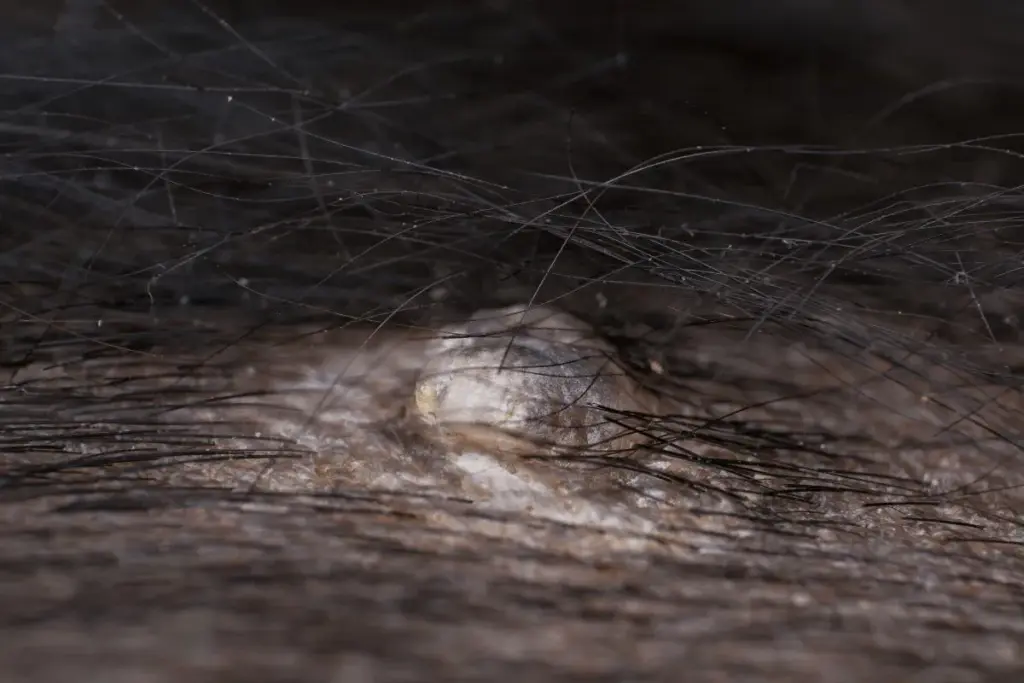
Sebaceous cysts are benign skin growths that can appear in various parts of the body. They are often mistaken for simple skin lumps. Knowing where they usually show up can help in prevention and care. We often find these cysts on the scalp, face, neck, back, and upper arms.
A 2021 clinical review shows that the scalp, ears, back, face, neck, and scrotum are common places for sebaceous cysts. At Liv Hospital, we are dedicated to giving our patients the best care. We use the latest medical methods and focus on our patients’ needs.
Key Takeaways
- Sebaceous cysts are benign growths that can appear on various body parts.
- Common locations include the scalp, face, neck, back, and upper arms.
- A clinical review identified the scalp, ears, back, face, neck, and scrotum as prevalent sites.
- Liv Hospital offers comprehensive care using the latest medical protocols.
- Understanding typical locations can aid in prevention and care.
Understanding Sebaceous Cysts
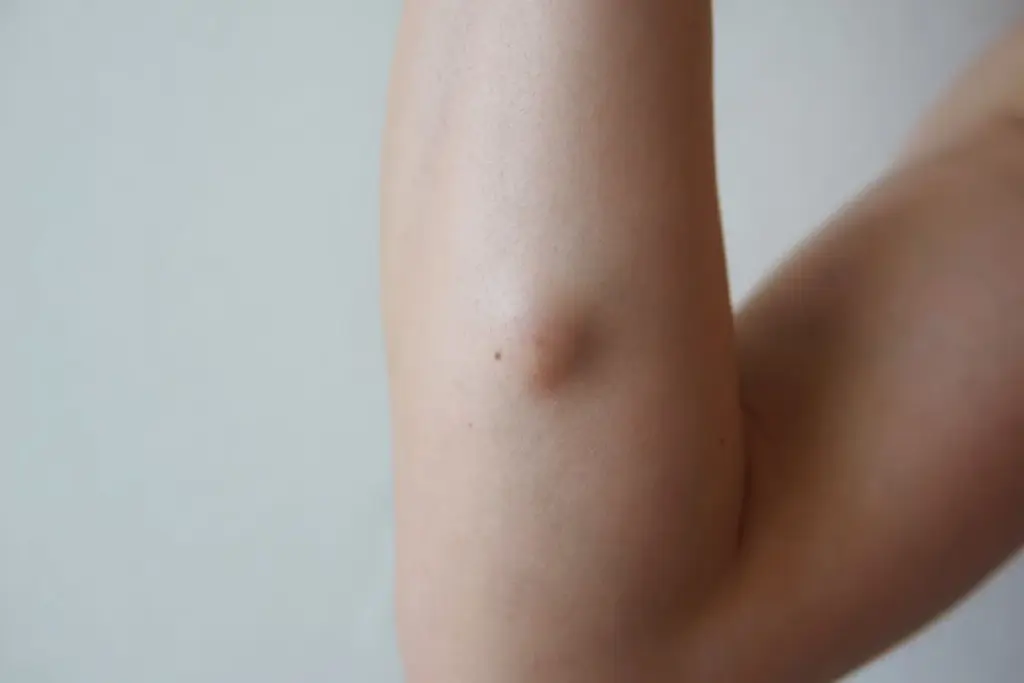
Sebaceous cysts are a common skin issue, but they’re not what they seem. They’re not actually from the sebaceous glands. Instead, they’re usually epidermoid or pilar cysts. These are harmless, closed sacs under the skin.
What Are Sebaceous Cysts?
Sebaceous cysts are also known as epidermal inclusion cysts or epidermoid cysts. They’re filled with a soft, semi-solid stuff. They can pop up anywhere on the body. Medical studies show they’re not from the sebaceous glands. They happen when skin cells grow in the wrong way.
Common Misconceptions About Sebaceous Cysts
Many think sebaceous cysts come from bad hygiene or the sebaceous glands. But, this isn’t true. They’re often misdiagnosed and linked to genetics. Knowing the truth helps clear up confusion about what they are and how to treat them.
Types of Sebaceous Cysts
There are mainly two kinds of cysts called sebaceous cysts: epidermoid cysts and pilar cysts. Epidermoid cysts can show up anywhere. Pilar cysts mostly appear on the scalp, with about 90% found there. Knowing which type you have is key to finding the right treatment.
The Anatomy and Formation of a Cyst
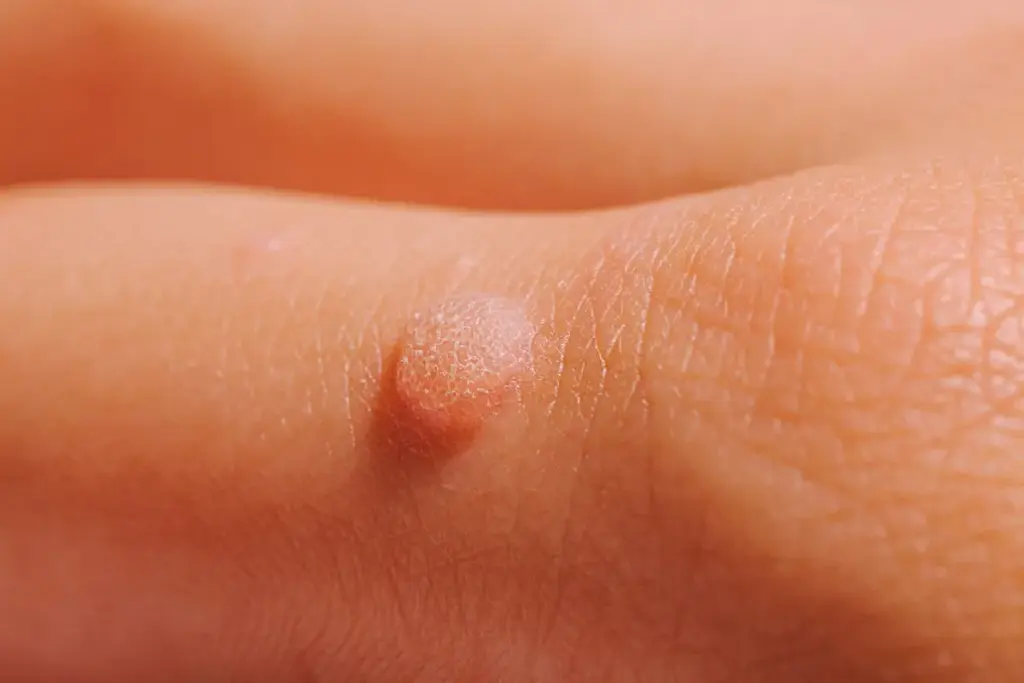
It’s important to know how sebaceous cysts form to treat them well. These cysts often appear in areas with more hair. This fact is key for both patients and doctors.
How Sebaceous Cysts Develop
Sebaceous cysts form when the infundibulum gets blocked. The infundibulum is part of the hair follicle that connects the sebaceous gland to the skin. This blockage causes sebum to build up, leading to cyst formation.
Sebaceous glands are key in making these cysts. They produce sebum, an oily substance that keeps the skin moist.
Structure of Sebaceous Cysts
A sebaceous cyst has a wall lined with epithelial cells, like those in the skin. It’s filled with semi-solid keratinous debris.
The cyst wall is thin and can easily break. If it does, it might cause inflammation and infection.
|
Characteristics |
Description |
|---|---|
|
Cyst Wall |
Lined with epithelial cells |
|
Cyst Contents |
Semi-solid keratinous debris |
|
Common Locations |
Hair-bearing areas |
The Role of Sebaceous Glands
Sebaceous glands are vital in making sebaceous cysts. They make sebum, which goes into the hair follicle and then to the skin. If the gland or duct gets blocked, a cyst forms.
Knowing how sebaceous glands work is key to treating these cysts. Our team at Liv Hospital stays up-to-date on the latest research on sebaceous cysts.
Most Common Locations for Sebaceous Cysts
Sebaceous cysts can pop up almost anywhere on the body. But some spots are more likely to get them. This is because of how many sebaceous glands are there and other body features.
Overview of Distribution Patterns
Sebaceous cysts often show up where sebaceous glands are most active. These glands make sebum, an oily substance that keeps the skin moist. Places like the scalp, face, neck, and back are common spots because of their many sebaceous glands.
The spots where sebaceous cysts appear are not random. They depend on the number of sebaceous glands and other things like hormones and genes. For example, the scalp is a hotspot because of its many hair follicles and sebaceous glands.
Why Certain Areas Are More Susceptible
Some body parts are more likely to get sebaceous cysts because of their shape and function. For example, the scalp is more prone because of its many hair follicles. The face and back are also common spots because of their high sebaceous gland activity.
Other factors like friction, injury, or blocked sebaceous glands also play a role. For instance, the neck and ears can get cysts from clothes or jewelry rubbing against them.
Statistical Breakdown of Cyst Locations
A 2021 clinical review found that sebaceous cysts are more common in men, with a 2:1 male to female ratio. They are most common in adults aged 20-40. The review also found that the scalp, face, neck, and back are the top spots for these cysts.
Sebaceous cysts are more common in areas with lots of sebaceous glands. Here’s a breakdown of where they are most likely to appear:
- The scalp accounts for about 30% of cases.
- The face makes up around 25% of cases.
- The neck and back account for about 20% and 15% of cases, respectively.
- The ears and genital areas make up the rest.
At Liv Hospital, our team looks at each case closely. We decide the best treatment based on the cyst’s location, size, and other details.
Sebaceous Cysts on the Scalp
The scalp is a common spot for sebaceous cysts. This is because it has lots of sebaceous glands. These glands make sebum, an oily substance that keeps hair and skin moist. If a gland gets blocked, a cyst can form.
Prevalence and Characteristics
Sebaceous cysts on the scalp are quite common. About 90% of pilar cysts, a type of sebaceous cyst, appear here. Pilar cysts feel smooth and firm and are usually not harmful. They can grow in size and may appear alone or in groups.
At Liv Hospital, we’ve seen many scalp cysts. While they’re not usually dangerous, they can be uncomfortable and affect how people look.
Pilar Cysts and Their Relationship to the Scalp
Pilar cysts come from hair follicles, making the scalp a prime spot for them. They are filled with keratinous material and are lined with epithelial cells. The scalp’s many hair follicles make it a common place for these cysts to grow.
Knowing about pilar cysts is key to managing them. They are usually firm, can move around, and might not cause symptoms unless they get inflamed or infected.
Management Challenges for Scalp Cysts
Dealing with scalp cysts can be tricky because of where they are. Surgery is often the best option, but it must be done carefully to avoid harming nearby hair follicles. At Liv Hospital, we use advanced surgery to reduce scarring and protect the scalp.
|
Characteristics |
Pilar Cysts |
Other Sebaceous Cysts |
|---|---|---|
|
Location |
Primarily on the scalp |
Can occur anywhere on the body |
|
Origin |
Derived from hair follicles |
Arise from blocked sebaceous glands |
|
Texture |
Smooth and firm |
Variable, often softer |
Dealing with scalp cysts can be stressful. Our team is dedicated to giving full care, from finding out what’s wrong to treating it. We aim for the best results for our patients.
Facial Sebaceous Cysts
Sebaceous cysts on the face are common and can worry people. They can pop up in many places, affecting how we feel about ourselves.
Common Facial Locations
Sebaceous cysts often show up where there are more sebaceous glands. This includes:
- The nose and surrounding areas
- The cheeks
- The forehead
- Around the eyes and eyebrows
These cysts can be different sizes. They might be more noticeable in certain lights or when we make certain faces.
Impact on Appearance and Social Concerns
Even though they’re usually harmless, facial sebaceous cysts can affect how we look. This can make us feel:
- Self-conscious about our looks
- Embarrassed to be around others
- Worried about our mental health if we don’t get them treated
Talking to a healthcare professional is key. They can help find the best way to treat them.
Treatment Considerations for Visible Areas
When treating face cysts, we think about a few things. We want to avoid scars and make sure you look good afterward. These include:
- The size and where the cyst is
- What your skin is like
- The chance of scars or color changes after treatment
At our place, we use the latest methods and care for each person. We aim to treat face cysts well, so you look and feel great.
Neck and Ear Cyst Formation
At Liv Hospital, we’ve seen many sebaceous cysts on the neck and ears. These spots are not only visible but also sensitive. They can cause discomfort and worry for many.
Patterns of Development
Sebaceous cysts on the neck and ears start like those elsewhere. They come from blocked sebaceous glands. The blockage can be due to various factors, like genes, environment, or irritation.
The way these cysts grow can be affected by the area’s anatomy. For example, the ears have more sebaceous glands, making them prone to cysts.
Unique Characteristics of Ear Cysts
Ear cysts have special traits. They might get infected more easily because of their location. This makes them harder to treat.
The ear’s narrow canals and folds can trap dirt and bacteria. This raises the risk of serious problems. If you have pain, discharge, or hearing loss, see a doctor right away.
Challenges in Treatment
Treating neck and ear cysts is tough because of their location and the risk of complications. Surgical removal is usually the best option. But, it needs careful planning to avoid harming nearby tissues.
At Liv Hospital, our team is ready to tackle these challenges. We use the latest methods to make sure treatment works well. We also aim to reduce scarring and help your skin heal fast.
Back and Trunk as Common Cyst Sites
Sebaceous cysts often pop up on the back and trunk. These spots have lots of sebaceous glands. This makes them perfect for cysts to grow.
Distribution Patterns
Where cysts show up on the back and trunk can differ a lot. They usually appear where there are more sebaceous glands. The upper back is often hit hard because it has a lot of these glands.
Things like skin friction and irritation can also play a part. These happen when clothes rub against the skin.
Size and Growth Characteristics
Sebaceous cysts on the back and trunk can be different sizes. Some are small and easy to miss, while others can grow big and cause trouble. They grow slowly, sometimes taking years to show up.
It’s important to keep an eye on them. This helps decide when to take action, if needed.
Accessibility Issues for Treatment
Getting to sebaceous cysts on the back and trunk can be tough. Those on the upper back or hard spots are hard to get to.
At Liv Hospital, we use special methods and positions. This helps our team treat these cysts well, making our patients more comfortable and happy.
Genital and Perianal Region Cysts
Sebaceous cysts can show up in the genital and perianal areas. These spots need extra care because of their sensitive location. They can also affect how well a person lives.
Scrotal Cysts in Men
Men can get sebaceous cysts in their scrotum. These cysts are usually not harmful but can get infected or inflamed. This might need a doctor’s check-up.
At Liv Hospital, we know how to handle scrotal cysts. We make sure our patients get the best care.
Vulvar Cysts in Women
Vulvar cysts happen in the vulvar area. They can cause pain or discomfort, making everyday activities hard.
Our team at Liv Hospital is great at dealing with vulvar cysts. We create treatment plans that fit each patient’s needs.
Special Considerations for Sensitive Areas
Cysts in sensitive areas need extra care. People with these cysts might feel anxious or upset. They need a caring and professional approach.
We make sure our patients feel supported. We help them find the best way to deal with their condition.
|
Location |
Common Issues |
Treatment Considerations |
|---|---|---|
|
Scrotal |
Discomfort, inflammation, infection |
Surgical removal, infection management |
|
Vulvar |
Pain, discomfort during activities |
Personalized treatment plans, surgical options |
|
Perianal |
Pain, discomfort during bowel movements |
Conservative management, surgical intervention |
At Liv Hospital, we aim to give top-notch healthcare. We support international patients with care and understanding. Our team is here to help those with sensitive area cysts.
Rare Locations for Sebaceous Cyst Development
Sebaceous cysts can show up in places you might not expect. They are not just found in common spots. Knowing about these rare areas is key for the right diagnosis and treatment.
Palms and Soles
Sebaceous cysts are very rare on the palms and soles. This is because these spots don’t have many sebaceous glands. But when they do pop up, they can be tricky to figure out what they are.
Breast Tissue
Epidermoid cysts, a type of sebaceous cyst, can sometimes be found in the breast. These cysts are usually not harmful but can worry people because of where they are. It’s important to get a correct diagnosis to rule out other issues.
Other Uncommon Sites
Sebaceous cysts can also show up in places like the genital area or inside organs, but this is very rare. The best way to handle these cysts is to catch them early and get them diagnosed right.
|
Rare Location |
Characteristics |
Diagnostic Challenges |
|---|---|---|
|
Palms and Soles |
Lack of sebaceous glands, rare occurrence |
Misdiagnosis as other cysts or lesions |
|
Breast Tissue |
Benign epidermoid cysts |
Differentiating from other breast lesions |
|
Genital Area |
Extremely rare, varied presentation |
Accurate diagnosis to avoid complications |
It’s important for doctors to know about these rare places for sebaceous cysts. At Liv Hospital, we keep up with the latest research to give our patients the best care.
Demographic and Risk Factors for Cyst Formation
Demographic factors greatly influence the formation of sebaceous cysts. They affect some groups more than others. Knowing these factors helps us spot who’s at risk and how to prevent it.
Gender Differences
Studies show a clear gender gap in sebaceous cysts, with men being 2 times more likely to get them. The reasons behind this are not yet clear.
Age Distribution
Most adults between 20 and 40 get sebaceous cysts. This age range might be due to hormonal changes during the reproductive years.
A 2021 clinical review backs this up. It points out age as a key risk factor for getting sebaceous cysts.
Genetic and Familial Patterns
Genetics also play a big part in getting sebaceous cysts. If your family has a history of cysts, you’re more likely to get them. This shows a possible genetic link.
Environmental and Lifestyle Factors
Environmental and lifestyle factors also affect the risk of getting sebaceous cysts. Things like certain exposures and lifestyle choices can lead to cyst formation.
At Liv Hospital, we focus on these risk factors for early care. By knowing who’s at risk, we can offer better guidance and treatment for sebaceous cysts.
Medical Conditions Associated with Sebaceous Cysts
It’s important to know the medical conditions linked to sebaceous cysts. This knowledge helps in treating them effectively. Sebaceous cysts, though usually harmless, can be related to other health problems.
Acne and Sebaceous Cyst Development
Acne and sebaceous cysts are often connected. Both involve the sebaceous glands, which make skin oil. When these glands get blocked, cysts can form.
Key factors linking acne and sebaceous cysts include:
- Increased sebum production
- Clogged pores
- Bacterial infection
Effective acne treatment can lower the chance of getting sebaceous cysts. Our team at Liv Hospital stresses the need for good skin care.
Hormonal Influences on Cyst Formation
Hormonal changes can affect the growth of sebaceous cysts. Hormones, like androgens, can make the glands produce more oil. This can lead to clogged glands.
“Hormonal influences play a key role in the development of sebaceous cysts. This shows why we need a detailed treatment plan.”
Dermatologist
The table below shows how hormones can affect sebaceous cysts:
|
Hormonal Factor |
Effect on Sebaceous Glands |
|---|---|
|
Androgen Increase |
Stimulates oil production |
|
Estrogen Fluctuations |
Can influence gland activity |
Gardner’s Syndrome and Other Genetic Conditions
Gardner’s Syndrome is a rare genetic disorder linked to many sebaceous cysts. This shows how genetics play a part in cyst formation.
Other genetic conditions can also make people more likely to get sebaceous cysts. This highlights the need for a detailed medical history when diagnosing.
At Liv Hospital, we aim to provide full care. We address both the symptoms and the underlying causes of sebaceous cysts.
When to Seek Medical Attention for Cysts
Knowing when to see a doctor for sebaceous cysts is key to avoiding problems. These cysts are usually harmless but can sometimes need medical help.
Warning Signs and Symptoms
Keep an eye on your sebaceous cysts for any signs that might mean you need a doctor. Look out for:
- Rapid growth or a big size increase
- Pain or tenderness around the cyst
- Redness, swelling, or inflammation
- Pus or discharge from the cyst
- Fever or feeling generally unwell
If you notice any of these, see a healthcare professional right away. At Liv Hospital, we tell patients to get help when they need it to avoid bigger issues.
Potential Complications by Location
The place where a sebaceous cyst is can affect the problems it might cause. For example:
|
Location |
Potential Complications |
|---|---|
|
Scalp |
Infection, abscess formation, scarring |
|
Face |
Cosmetic concerns, infection, possible scarring |
|
Genital or Perianal Area |
Pain, infection, hygiene issues |
Knowing these possible issues can help you know when to get medical help.
Emergency Situations
At times, a sebaceous cyst can be an emergency. If you have severe symptoms like intense pain, quick swelling, or trouble moving, get help right away.
At Liv Hospital, we’re dedicated to quick and good care for sebaceous cysts. If you’re worried about a cyst or notice any warning signs, contact us without delay.
Conclusion: Understanding the Distribution and Management of Sebaceous Cysts
Sebaceous cysts can pop up in many places on the body. Knowing where they show up and how to manage them is key to treating them well. We’ve talked about where they often appear, who they affect, and other health issues that might be linked to them.
Getting a correct diagnosis and treatment for sebaceous cysts shows a dedication to top-notch care. At Liv Hospital, we focus on managing these cysts properly. This way, patients get all the help they need. Our team is ready to give world-class care, including for international patients looking for advanced treatments.
Handling sebaceous cysts requires different strategies, from simple treatments to removing them surgically. Knowing what sebaceous cysts are and how they can affect people helps doctors give care that fits each patient’s needs.
Good treatment not only relieves symptoms but also improves life quality for those with sebaceous cysts. We aim to offer care that is both caring and top-notch. This ensures the best results for our patients.
FAQ
What is a sebaceous cyst?
A sebaceous cyst is a non-cancerous skin growth. It can show up in different parts of the body. People often call them epidermoid or pilar cysts.
Are sebaceous cysts actually sebaceous?
No, they are not from sebaceous glands. Instead, they are called epidermoid or pilar cysts.
Where are sebaceous cysts most commonly found?
They often appear on the scalp, face, neck, back, and trunk. The scalp is a common spot for pilar cysts.
What is the difference between an epidermoid cyst and a pilar cyst?
Both are types of sebaceous cysts. Epidermoid cysts are more common. Pilar cysts usually appear on the scalp.
Can sebaceous cysts be found on the palms or soles?
Yes, though it’s rare, they can appear on palms or soles. These cases are considered uncommon.
Are sebaceous cysts influenced by hormonal changes?
Yes, hormonal changes can affect their formation and growth. Conditions like acne can also be linked to their development.
When should I seek medical attention for a sebaceous cyst?
See a doctor if the cyst grows fast, hurts, or shows signs of infection. Also, if it’s in a sensitive or visible area.
Can sebaceous cysts be a sign of an underlying genetic condition?
In some cases, they might be linked to genetic syndromes like Gardner’s syndrome. This shows why a full medical check-up is important.
How are sebaceous cysts treated?
Treatment usually involves surgery. The method depends on the cyst’s size, location, and other factors.
Are sebaceous cysts more common in certain age groups or genders?
They can happen in any age group, but most often between 20-40 years. Some studies suggest they might be more common in men.
Can environmental factors influence the development of sebaceous cysts?
Yes, lifestyle and environmental factors can play a role. This highlights the need for preventive care.
What is the role of sebaceous glands in the formation of sebaceous cysts?
Despite their name, they are not directly caused by sebaceous glands. Instead, they are related to the hair follicle or epidermal inclusion.
References
- Wikipedia. Sebaceous cyst. Available from: https://en.wikipedia.org/wiki/Sebaceous_cyst Wikipedia
- Weir CB, St.Hilaire NJ. Epidermal Inclusion Cyst. StatPearls [Internet]. Treasure Island (FL): StatPearls Publishing; updated August 8, 2023. Available from: https://www.ncbi.nlm.nih.gov/books/NBK532310/ NCBI
- (Wiley / Clinical Case Reports) Case report article. Available from: https://onlinelibrary.wiley.com/doi/full/10.1002/ccr3.8714
- PMC article, 2022. Available from: https://www.ncbi.nlm.nih.gov/pmc/articles/PMC9746606/
- News-Medical. Sebaceous Cyst: Causes and Treatment. Available from: https://www.news-medical.net/health/Sebaceous-Cyst-Causes-and-Treatment.aspx



 Departments
 Related Videos
 Our Doctors
 News
News