Sebaceous cysts can worry many people. Recent studies suggest that some vitamins might help heal the skin when dealing with these cysts. Knowing how vitamins affect skin health is key to managing them well.
Vitamins like E and B3 might help a lot with skin health. Medical places like Liv Hospital are using new ways to help skin heal better. By looking into vitamins that aid in skin healing, we can learn how to handle sebaceous cysts better.
Key Takeaways
- Certain vitamins may support skin healing when managing sebaceous cysts.
- Vitamins E and B3 have shown promising benefits in supporting skin health.
- Understanding the role of vitamins in skin health is important for effective management.
- Medical centers are innovating by integrating evidence-based solutions for optimal skin health outcomes.
- Exploring the right vitamins can help in better managing sebaceous cysts.
What Are Sebaceous Cysts and Why Do They Form?
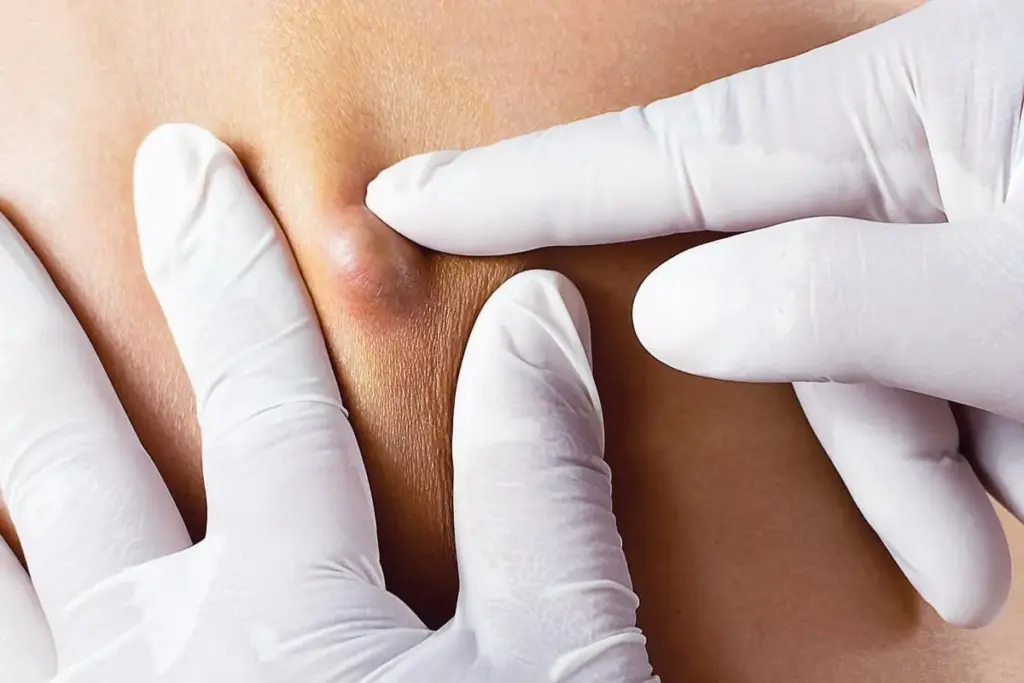
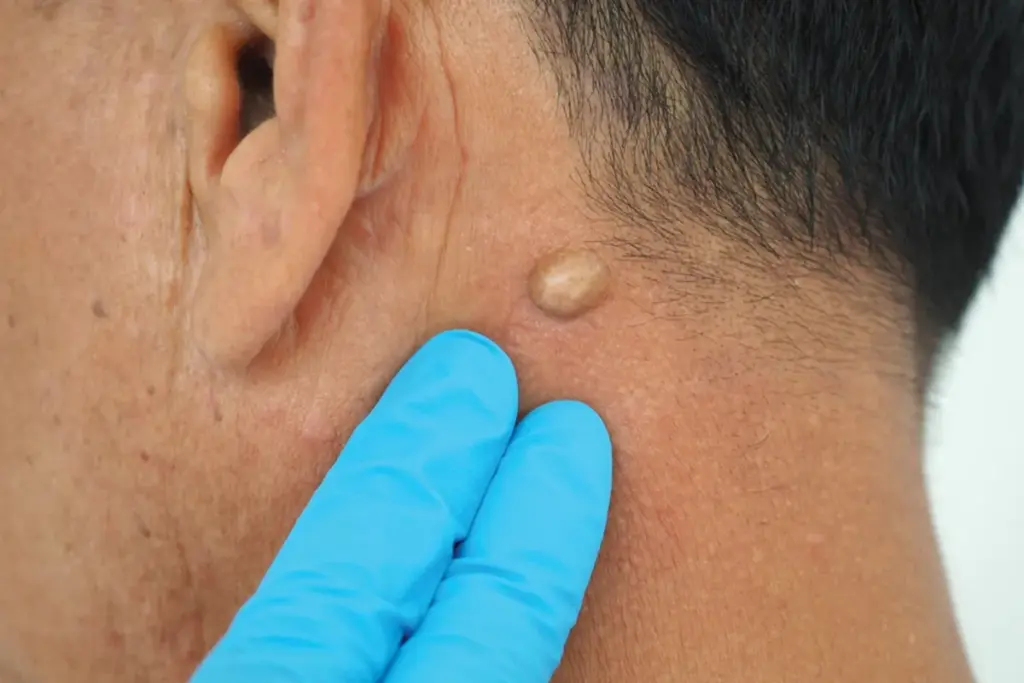
Sebaceous cysts, also known as epidermoid cysts, are small, closed sacs under the skin. They can grow in size and are filled with a semi-solid substance.
Definition and Characteristics
Sebaceous cysts grow slowly and are not harmful. They are usually painless and non-inflammatory unless they get infected. These cysts are made of epithelial cells and contain keratin, a protein found in skin, hair, and nails.
Common Locations on the Body
Sebaceous cysts can appear almost anywhere but are most common on the face, neck, and trunk. They often show up in areas with lots of sebaceous glands, but they’re not caused by these glands.
Differentiating from Other Skin Conditions
It’s important to tell the difference between sebaceous cysts and other skin issues like lipomas or dermatoid cysts. Getting a correct diagnosis from a healthcare professional is key for proper treatment.
The Science Behind Cyst Development

Sebaceous cysts form due to a complex process. We’ll look into how sebaceous glands work and what causes cysts to form. This knowledge helps us find ways to prevent and treat these cysts.
Sebaceous Gland Function
Sebaceous glands keep our skin healthy by making sebum. This sebum keeps our skin moist and protected. The infundibulum, the top part of the hair follicle, is where this sebum is released.
When sebum can’t flow out properly, cysts can form. Sebaceous glands are everywhere on our body, but they’re most common on our face, neck, and chest. They’re key to keeping our skin hydrated and strong.
Factors That Trigger Cyst Formation
Several things can cause sebaceous cysts to form. These include:
- Genetic predisposition
- Trauma to the skin
- Blockage of the sebaceous gland or duct
- Hormonal fluctuations
- Infection or inflammation
When the gland or duct gets blocked, sebum builds up. This leads to cysts. Blockages can be caused by dead skin, dirt, or other things. Sometimes, these cysts can get infected or inflamed, causing pain and needing medical help.
Knowing what causes sebaceous cysts helps us see why taking care of our skin is so important. Vitamins play a big role in keeping our skin healthy.
How Vitamins Influence Skin Health and Healing
Vitamins play a big role in how our skin heals and stays healthy. They help our body fix itself. Our skin, the biggest organ, needs vitamins to work right.
We’ll look at how vitamins affect skin health at the cell level. We’ll see how they help repair skin and work their magic.
Cellular Mechanisms of Skin Repair
Fixing the skin is a complex job. It involves many cells, growth factors, and nutrients. Vitamins are key in this process by:
- Helping cells grow and change
- Controlling inflammation and the immune system
- Boosting growth factors and cytokines
- Keeping skin structures strong with antioxidants
A healthy skin can fix itself well. Vitamins like Vitamin C and Vitamin E protect it from damage. They keep the skin barrier strong.
Vitamin Pathways in Dermal Tissue
Vitamins affect skin health in many ways. For example, Vitamin D helps with the immune system and cell growth. Vitamin A derivatives are important for skin cell differentiation.
The ways vitamins work are complex. They involve many cell actions. Some key actions include:
- Changing gene expression to control cell behavior
- Working with specific receptors to start cell responses
- Being part of important enzymatic reactions for skin health
Understanding these pathways shows how vital vitamins are for healthy skin. They help our skin heal and stay in top shape.
Vitamin E: Research-Backed Benefits for Cyst Healing
Vitamin E is key for healing sebaceous cysts. Its antioxidants help skin health and natural healing.
Enhancing Healing through Clinical Studies
Many studies have looked at Vitamin E’s effect on wound healing and skin health. They found Vitamin E helps by making skin more elastic and reducing scars.
Key findings from these studies include:
- Improved wound closure rates
- Enhanced collagen synthesis
- Reduced oxidative stress
Effective Topical Application Methods
Using Vitamin E oil or creams on the skin is effective. Apply it to the cyst to help it heal.
Methods of topical application include:
- Direct application of Vitamin E oil
- Using creams or ointments containing Vitamin E
Guidelines for Oral Supplementation
Oral Vitamin E also boosts skin health. Always follow the recommended dose and talk to a doctor before starting.
Recommended oral supplementation guidelines:
- Typical dosages range from 15 to 30 mg per day
- Consultation with a healthcare provider is advised
- Monitoring for possible interactions with other drugs
Vitamin B3 (Niacin): Controlling Sebum Production
Vitamin B3 plays a big role in skin health. It helps control sebum production, which can affect sebaceous cysts. Sebum is an oily substance that can lead to cysts if not managed right.
Mechanism of Action on Sebaceous Glands
Vitamin B3, as Niacinamide, lowers sebum production. It does this by changing how the sebaceous glands work. Research shows it also reduces inflammation and boosts skin health. This might be due to its effect on the immune system and skin barrier.
Nicotinamide vs. Niacin Forms
Vitamin B3 comes in different forms, like Niacin and Nicotinamide. Nicotinamide is better for skin care because it has fewer side effects. It makes skin more elastic and reduces swelling, which is great for skin health.
Evidence from Placebo-Controlled Studies
Studies have looked into Vitamin B3’s effects on sebum and skin. One study showed Nicotinamide cut sebum production a lot. Here’s a quick summary:
|
Treatment |
Reduction in Sebum Production |
Side Effects |
|---|---|---|
|
Nicotinamide |
Significant reduction |
Minimal |
|
Placebo |
No significant change |
None |
Knowing how Vitamin B3 affects sebum helps us manage sebaceous cysts. It shows adding Vitamin B3 to skincare can be beneficial, mainly for those with cysts.
Vitamin A Derivatives for Cyst Management
Vitamin A derivatives, like retinoids, are being studied for managing cysts. They help control skin cell turnover, which is key in treating sebaceous cysts.
Retinoids and Their Effect on Skin Cell Turnover
Retinoids boost cell turnover and prevent gland clogging. This helps reduce cysts and their return. They regulate skin cell growth and turnover.
Mechanism of Action: Retinoids change gene expression to control cell growth. They prevent keratin buildup, which blocks pores and causes cysts.
Prescription Options
There are many prescription retinoids for skin issues, including sebaceous cysts. Isotretinoin, adapalene, and tretinoin are some examples. Isotretinoin, for example, is strong and used for severe acne and cysts.
- Isotretinoin: Effective for severe acne and sometimes used for sebaceous cysts.
- Adapalene: A topical retinoid used for mild to moderate acne.
- Tretinoin: Another topical retinoid that promotes cell turnover.
Over-the-Counter Alternatives
For those who can’t or don’t want to use prescription retinoids, there are OTC options. Retinol and retinyl palmitate are less strong but help skin health and cyst management.
Retinol: A popular OTC retinoid that turns into retinoic acid in the skin, promoting cell turnover.
While Vitamin A derivatives show promise in managing sebaceous cysts, it’s vital to talk to a healthcare professional. They can help choose the right treatment for you based on your needs and medical history.
Vitamin C: Supporting Tissue Regeneration
Vitamin C is key in helping tissues heal, like in the case of epidermoid cysts. It’s very important for skin health and the healing process.
Role in Collagen Formation
Vitamin C is vital for making collagen, which is important for skin strength and repair. It helps in healing epidermoid cysts. We’ll see how Vitamin C helps make more collagen.
Collagen making needs Vitamin C to work right. Without it, skin gets weak and healing slows down.
Topical Formulations and Stability
Using Vitamin C on the skin is popular for its health benefits. But, how well it stays stable in these products matters a lot. We’ll look at different types and how stable they are.
Vitamin C can break down quickly when exposed to air, light, or heat. To keep it stable, products use special forms or additives. Knowing how stable these products are is key to their effectiveness.
|
Formulation Type |
Stability Profile |
Effectiveness |
|---|---|---|
|
L-Ascorbic Acid |
Unstable in aqueous environments |
Highly effective for collagen synthesis |
|
Magnesium Ascorbyl Phosphate |
Stable, water-soluble derivative |
Effective for skin brightening and collagen support |
|
Sodium Ascorbate |
Stable, less acidic |
Effective for antioxidant properties |
Combining with Other Nutrients for Enhanced Results
Using Vitamin C with other nutrients can boost its benefits for the skin. We’ll look at how Vitamin C works with other vitamins and minerals.
Vitamin C and Vitamin E together offer better protection against damage. Adding zinc to Vitamin C helps the immune system and healing.
Knowing how to mix Vitamin C with other nutrients can help support skin health and healing.
Vitamin D: Immune Regulation for Cyst Prevention
Vitamin D is key for keeping the immune system in check, which might help prevent sebaceous cysts. It helps control the immune system and a lack of it can lead to skin problems.
Research on Vitamin D and Skin Disorders
Many studies have looked into Vitamin D’s effect on skin health. Vitamin D receptors are found in skin cells, showing its role in skin health and disease.
Key findings include:
- Vitamin D’s role in managing immune responses and inflammation.
- A link between Vitamin D deficiency and more skin disorders.
- How Vitamin D supplements might help skin health.
Optimal Blood Levels for Skin Health
It’s important to keep Vitamin D levels in the blood just right for skin health. The best range is usually seen as 20 to 40 ng/mL. Some research even suggests levels up to 60 ng/mL could be good.
Things that can affect Vitamin D levels include:
- How much sun you get and your skin color.
- Eating foods rich in Vitamin D.
- Using Vitamin D supplements.
Sources: Sunlight, Diet, and Supplements
Vitamin D comes from different places. Getting sunlight is a natural way to make Vitamin D in your skin.
Food sources include:
- Fatty fish like salmon and mackerel.
- Fortified dairy and cereals.
- Supplements, which are good in winter or for those who don’t get much sun.
Knowing how Vitamin D helps the immune system and keeping levels right can lower the chance of getting sebaceous cysts.
The Role of Zinc and Other Minerals in Cyst Treatment
Zinc has anti-inflammatory properties that help treat cysts inside the skin. It’s very useful for treating sebaceous cysts, a common skin issue.
Anti-Inflammatory Effects of Zinc
Zinc helps control the immune system and lowers inflammation. It can make sebaceous cysts smaller and less red. Its anti-inflammatory effects can also lessen the pain from these cysts.
Zinc works in many ways to fight inflammation. It not only reduces swelling but also helps in healing by repairing tissues. This makes zinc a key mineral for managing sebaceous cysts.
Mineral Synergy with Vitamins
Zinc works better when paired with certain vitamins. Together with vitamins like Vitamin E and Vitamin C, it boosts healing. Vitamin C is important for making collagen, and with zinc, it helps wounds heal faster.
Using both minerals and vitamins is best for skin health and cyst treatment. This approach ensures the body gets all it needs to fight off sebaceous cysts.
Topical and Oral Administration of Zinc
Zinc can be applied topically or taken orally for cyst treatment. Applying zinc topically targets the cyst, reducing inflammation and aiding in healing. Taking zinc orally helps keep the body’s zinc levels up for overall skin health.
It’s wise to talk to a healthcare professional about how to use zinc. They can help figure out the best way to take zinc based on your needs and cyst severity. They can also advise on the right amount and form of zinc.
Natural Remedies That Complement Vitamin Therapy
We look at natural remedies that go well with vitamin therapy for sebaceous cysts. Vitamins are key for skin health. Natural remedies add extra benefits like reducing inflammation and helping with healing.
Aloe Vera’s Healing Properties
Aloe vera is known for its soothing and anti-inflammatory effects. It’s great for managing sebaceous cysts. Aloe vera gel can be applied to the affected area to lessen redness and swelling.
Its antimicrobial properties also prevent infection, a common issue with sebaceous cysts. For the best results, use aloe vera gel regularly. Always talk to a healthcare professional first.
Apple Cider Vinegar Applications
Apple cider vinegar is another natural remedy for sebaceous cysts. Its acidity can dry out the cyst, possibly shrinking it. To apply, use a cotton ball with diluted apple cider vinegar to avoid skin irritation.
Some people also drink apple cider vinegar. But, this should be done with a doctor’s advice. For more on home remedies for cysts, check out Healthline’s guide.
Essential Oils with Anti-Inflammatory Effects
Certain essential oils, like tea tree oil and lavender oil, have anti-inflammatory and antimicrobial properties. Tea tree oil is known for reducing inflammation and fighting infection. Always dilute these oils with a carrier oil before applying to avoid irritation.
While essential oils can be helpful, use them carefully. Always get advice from a healthcare professional to ensure safe and effective treatment.
Dietary Approaches to Support Cyst Healing
A balanced diet full of vitamins and minerals is key for healing cysts. What we eat greatly affects our skin health. Some foods help, while others can slow down healing.
Foods Rich in Skin-Supporting Vitamins
Eating foods high in vitamins A, C, D, and E is good. Vitamin A boosts the immune system and keeps skin healthy. Sweet potatoes, carrots, and dark greens are full of it.
Vitamin C is great for collagen and is in citrus fruits, strawberries, and bell peppers. Vitamin D comes from sunlight, fatty fish, and fortified dairy. Vitamin E, found in nuts and seeds, protects skin cells.
Anti-Inflammatory Diet Patterns
An anti-inflammatory diet can reduce cyst inflammation. Eat foods like salmon and flaxseeds for omega-3s. Berries and green tea are full of antioxidants.
Whole grains, lean proteins, and veggies also help skin health. Drinking lots of water is key. It flushes out toxins and keeps skin flexible.
Foods to Limit or Avoid
Some foods can make cysts worse. Avoid processed foods, sugary snacks, and saturated fats. Dairy can also cause problems for some due to hormones.
Following a balanced, anti-inflammatory diet can improve skin health. It may help cysts heal faster. Remember, everyone’s body is different, so be patient with dietary changes.
When to Seek Medical Intervention for Cysts
Knowing when to get medical help for sebaceous cysts is key. Many can be treated without surgery. But, some need medical help to avoid serious problems.
Warning Signs of Infection
Watch for signs of infection in sebaceous cysts. Look for increased redness, swelling, warmth, and pain. If you see these, get medical help fast.
Ignoring infection signs can lead to bigger issues. Keep an eye on your cyst and get help if it looks or feels off.
Indications for Professional Treatment
Not every cyst needs to be removed. But, some do. If a cyst is persistently painful, big, or getting bigger, see a doctor. Also, if it looks different or gets infected, get medical help.
Medical Procedures for Removal
When you need medical help, there are options. Surgical removal is common. It’s a small surgery to take out the cyst and stop it from coming back.
Other treatments might include steroid injections for swelling or antibiotics for infection. The right treatment depends on the cyst and your health.
Getting medical help on time is important. It helps avoid problems and manage cysts well. If you’re not sure what to do, always talk to a doctor.
Liv Hospital’s Approach to Treating Sebaceous Cysts
Our team at Liv Hospital is dedicated to creating personalized treatment plans for sebaceous cysts. We use the latest research to guide our approach. We know that every patient is different, and we tailor our care to meet those needs.
Evidence-Based Protocols
At Liv Hospital, we follow evidence-based protocols for the best care. Our treatment plans are based on the latest research and guidelines. This ensures our patients get the most effective treatments.
Our approach includes:
- Comprehensive diagnosis to understand the cyst
- Personalized treatment plans for each patient
- Minimally invasive surgery when needed
Multidisciplinary Care Team
Liv Hospital has a multidisciplinary care team with specialists from different fields. Our team includes dermatologists, surgeons, and other healthcare professionals. They work together to create and implement treatment plans.
|
Specialist |
Role in Treatment |
|---|---|
|
Dermatologist |
Diagnosis and non-surgical treatment of sebaceous cysts |
|
Surgeon |
Surgical removal of cysts when necessary |
|
Nurse Practitioner |
Patient education and post-procedure care |
Advanced Treatment Options
We offer advanced treatment options for sebaceous cysts. This includes minimally invasive surgery and new therapies. Our goal is to treat effectively while reducing recovery time and scarring.
Some advanced options at Liv Hospital include:
- Laser treatment to reduce cyst appearance
- Microsurgical techniques for precise removal
- Post-operative care for best healing
Creating a Comprehensive Skin Care Routine
To prevent sebaceous cysts, you need a detailed skin care plan. This plan should include daily habits and products full of vitamins. A good routine keeps your skin healthy and stops cysts from forming.
Daily Practices for Prevention
Preventing sebaceous cysts starts with daily skin care. Cleansing your skin twice a day with a gentle cleanser is key. It removes dirt and oil, preventing clogged pores.
Exfoliating regularly also helps. It gets rid of dead skin cells and boosts cell renewal.
Choose non-comedogenic products to avoid clogged pores. Also, wash your hands before touching your face to stop bacteria spread.
Incorporating Vitamin-Rich Products
Adding vitamins to your routine boosts skin health. Vitamin E protects your skin from damage. Vitamin C helps with collagen and healing.
Products with retinoids, from Vitamin A, prevent clogged pores. Make sure to pick products that fit your skin type and start with small amounts to avoid irritation.
Consistency and Long-Term Management
Being consistent is vital for a good skin care routine. Stick to your routine even if you don’t see results right away. Managing sebaceous cysts takes time and effort.
Keep checking and tweaking your routine as needed. This might mean changing products with the seasons or as your skin changes.
With a detailed skin care plan, daily habits, and vitamin-rich products, you can lower sebaceous cysts. This keeps your skin healthy and strong.
Conclusion: Developing a Personalized Vitamin Strategy
Creating a personalized vitamin plan is key to managing sebaceous cysts. Knowing how different vitamins and nutrients work helps tailor a plan for better skin health.
When making a vitamin plan, think about your skin type, any nutritional gaps, and your overall health. Vitamins like Vitamin E, Vitamin B3, and Vitamin A derivatives are important for healthy skin. They help reduce the chance of getting sebaceous cysts.
It’s important to talk to healthcare experts to find the right plan for you. They can help make a detailed plan. This plan might include vitamins, changing your diet, and natural remedies to help heal and prevent cysts.
By using a personalized vitamin strategy, you can actively manage sebaceous cysts and improve your skin health. This, along with medical care when needed, can lead to better results and a healthier life.
FAQ
What is a sebaceous cyst?
A sebaceous cyst is a harmless, closed sac under the skin. It’s filled with a thick, oily substance. This substance is produced by the skin’s oil glands.
What causes sebaceous cysts to form?
Sebaceous cysts form when the hair follicle’s top part gets blocked. This blockage causes oil to build up, forming a cyst. Genetics, hormonal changes, and skin injuries can lead to this.
Are sebaceous cysts cancerous?
Mostly, sebaceous cysts are not cancerous. But, in rare cases, they can turn cancerous. If you see any unusual changes, see a doctor right away.
How can vitamins help manage sebaceous cysts?
Vitamins like Vitamin E, B3, A, C, and D are key for skin health. They help heal, reduce swelling, and control oil production.
Can dietary changes help in managing sebaceous cysts?
Yes, eating foods rich in vitamins and following an anti-inflammatory diet can help. Foods with antioxidants, omega-3s, and fiber are good for the skin.
When should I seek medical help for a sebaceous cyst?
If you notice signs of infection like redness, swelling, or pain, get medical help. Also, if the cyst is big, doesn’t go away, or bothers you, see a doctor.
What are the treatment options for sebaceous cysts?
Treatment options include surgery, cyst removal, and managing it with vitamins and diet. The best choice depends on your situation and should be decided with a doctor.
Can natural remedies complement vitamin therapy for sebaceous cysts?
Yes, natural remedies like aloe vera, apple cider vinegar, and certain essential oils can help. They work well with vitamin therapy to manage cysts.
How can I prevent sebaceous cysts from forming?
To prevent cysts, take good care of your skin. Use vitamin-rich products and eat a balanced diet. This helps keep your skin healthy.
Are there any specific vitamins that can help reduce sebum production?
Vitamin B3, in its nicotinamide form, helps control sebum. This can help manage sebaceous cysts.
References
- Healthline. Home Remedies for Cysts: What Works. Adrian White; medically reviewed by Cynthia Cobb, DNP, APRN, WHNP-BC, FAANP. Updated February 20, 2024. Available from: https://www.healthline.com/health/home-remedies-for-cysts
- Zito PM, Scharf R. Epidermoid Cyst. In: StatPearls [Internet]. Treasure Island (FL): StatPearls Publishing; 2019 Jan–. Updated 2019. Available from: https://www.ncbi.nlm.nih.gov/pmc/articles/PMC6380979/
- Cameron DS, Hilsden RJ, Dufresne RG. Epidermal Inclusion Cyst Complications and Management. Journal of Cutaneous Medicine and Surgery. 2013;17(6):508-512. Available from: https://www.ncbi.nlm.nih.gov/pmc/articles/PMC3612440/



 Departments
 Related Videos
 Our Doctors
 News
News