
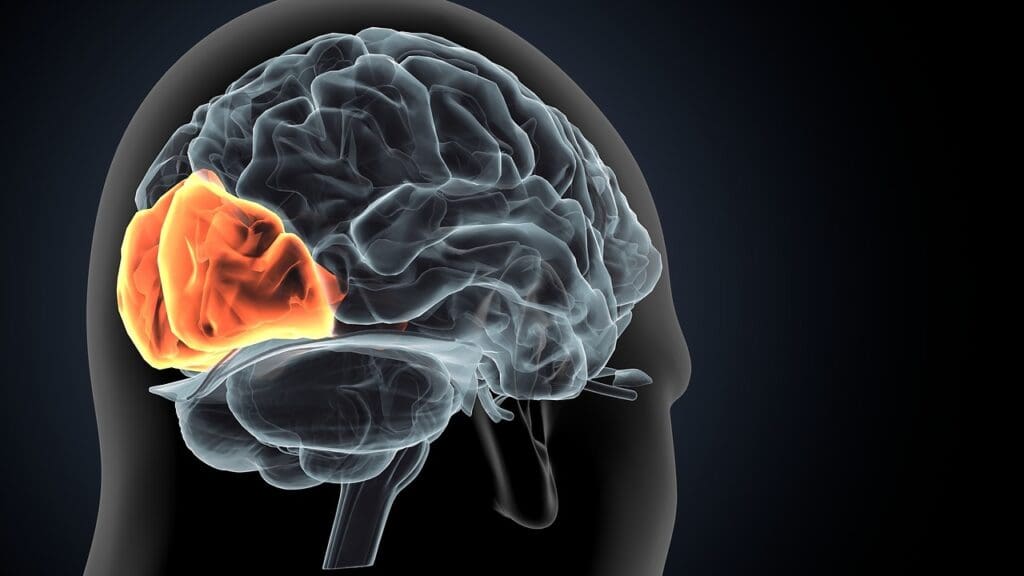
At Liv Hospital, we understand the importance of cystic neoplasm brain. It’s a condition with fluid-filled parts in brain tumors. These can be harmless or dangerous, so finding and treating them is key.
Cystic parts are found in many brain tumors, like glioblastomas, more in younger people. We aim to give top-notch care to all patients, including those from abroad. We make sure they get the best treatment for their condition.
Key Takeaways
- Understanding cystic neoplasm brain is key for good patient care.
- Cystic brain lesions can be harmless or dangerous.
- Certain brain tumors often have cystic parts.
- Spotting cystic brain lesions early is important for treatment.
- Liv Hospital offers complete care for cystic brain lesion patients.
What Is Cystic Neoplasm Brain: Definition and Medical Significance
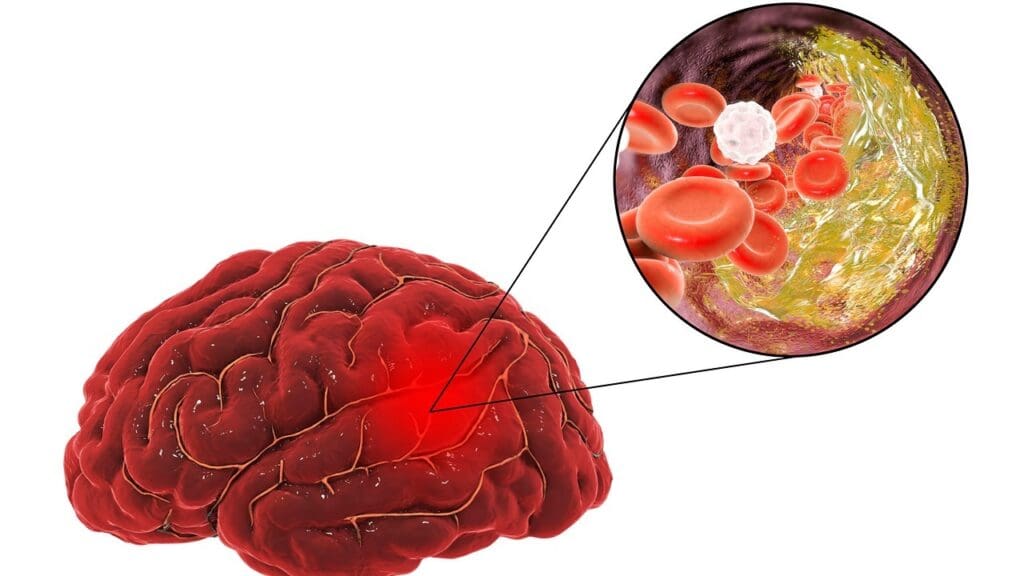
Cystic neoplasms in the brain are tumors filled with fluid. They can be either benign or malignant. The presence of cystic components in brain tumors complicates their diagnosis and treatment.
The Nature of Fluid-Filled Tumors in the Brain
Fluid-filled tumors in the brain come from different causes. They can be part of primary brain tumors or from metastatic disease. The nature of these cysts, whether benign or malignant, significantly influences the clinical approach. For example, some benign cysts may not need aggressive treatment. But malignant cystic tumors need quick and often complex treatment plans.
Importance in Neurological Diagnosis and Treatment
Getting the right diagnosis for cystic brain lesions is key for treatment. Diagnostic imaging techniques, such as MRI, play a vital role in identifying these lesions. Knowing the details of cystic neoplasms helps neurologists and neurosurgeons plan the best treatment. This can include surgery or radiation therapy, based on the lesion’s nature and location.
Dealing with cystic neoplasms shows their huge medical importance.
“The accurate diagnosis and treatment of cystic brain lesions are critical for improving patient outcomes.”
Understanding these conditions helps healthcare providers give more tailored and effective care.
The Spectrum of Cystic Brain Lesions: From Benign to Malignant
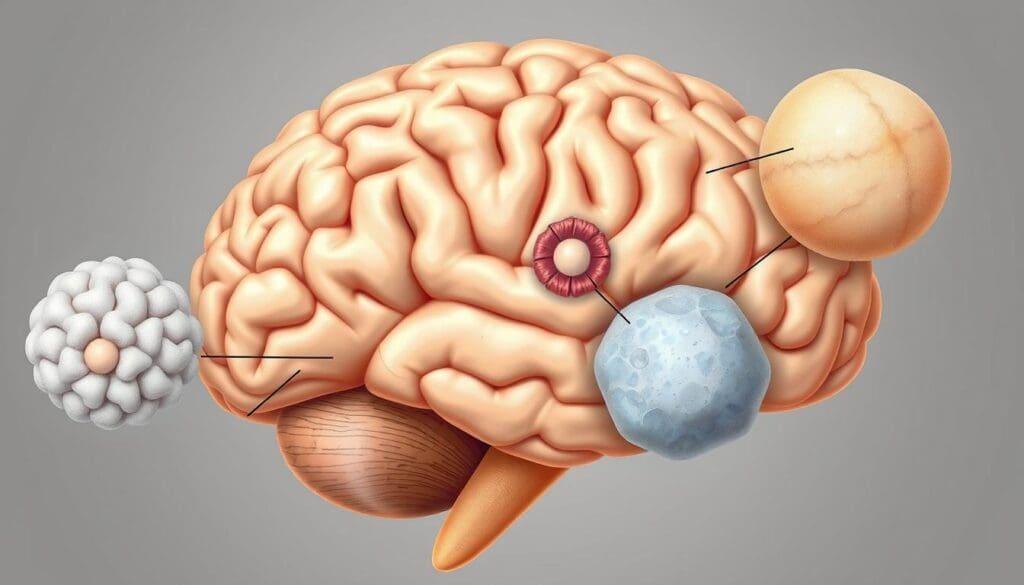
Cystic brain lesions are a complex challenge, ranging from benign to malignant. They can cause headaches, seizures, and neurological deficits. This greatly affects the quality of life for those affected.
Benign Cystic Formations and Their Characteristics
Benign cysts in the brain are non-cancerous and often have a better prognosis. They can be congenital or acquired and may not show symptoms for a long time. MRI is key in finding and understanding these cysts.
Recent studies show that accurately diagnosing benign cysts is vital. It helps in choosing the right treatment Nature article.
Malignant Cystic Tumors and Their Behavior
Malignant cystic tumors are cancerous and can grow fast and spread. They often have cystic parts that can be seen on scans. Radiation oncology is important in treating these tumors, with treatments tailored to each case.
Understanding how these tumors behave is key to finding effective treatments.
Managing cystic brain lesions needs a team effort. It involves knowing each lesion’s details and the patient’s needs.
7 Critical Facts About Cystic Lesions in the Brain
It’s important to know about cystic lesions in the brain for the right diagnosis and treatment. These are fluid-filled structures in the brain. They can be linked to many conditions, from harmless cysts to dangerous tumors.
Cystic Components Present in 7-23% of Glioblastomas
Glioblastomas are the most aggressive brain cancers. They often have cystic parts. Research shows 7% to 23% of glioblastomas have these cystic features. This affects how they are diagnosed and treated.
Higher Prevalence in Younger Patients
Cystic brain lesions are more common in younger people. This is important for doctors to know when they’re checking for these lesions in different age groups.
Common Neurological Symptoms
People with cystic brain lesions may have headaches, seizures, and problems with thinking. The symptoms vary based on where and how big the lesion is.
MRI as the Gold Standard for Detection
Magnetic Resonance Imaging (MRI) is the best way to find and understand cystic brain lesions. MRI shows the size, location, and details of the lesion. This is key for making a diagnosis and planning treatment.
Differential Diagnosis Challenges
Figuring out what kind of cystic brain lesion someone has can be hard. There are many possible causes, like abscesses, metastases, and benign cysts. Doctors need to carefully look at the imaging and symptoms to make an accurate diagnosis.
Epidermoid Cysts Represent Less Than 1% of Intracranial Tumors
Epidermoid cysts are rare, benign tumors. They make up less than 1% of brain tumors. They grow slowly and can cause symptoms by pressing on the brain.
Treatment Approaches Vary by Type and Location
The treatment for cystic brain lesions depends on their type, where they are, and how big they are. Some may not need treatment, while others might need surgery or other treatments like radiation therapy.
| Lesion Type | Common Symptoms | Typical Treatment |
|---|---|---|
| Glioblastoma with cystic components | Headaches, seizures, cognitive decline | Surgery, radiation, chemotherapy |
| Epidermoid cysts | Headaches, cranial nerve deficits | Surgical resection |
| Metastatic cystic lesions | Varies depending on primary cancer | Surgery, radiation, systemic therapy |
Recognizing Symptoms of Cystic Lesion in Brain
It’s important to know the symptoms of cystic lesions in the brain for quick diagnosis and treatment. People with cystic brain lesions may show different symptoms. This depends on where and how big the lesion is.
Headache Patterns and Characteristics
Headaches are a common sign of cystic lesions in the brain. These headaches can feel dull and last a long time. Sometimes, they can be very bad and happen often.
Things like the size and where the lesion is can affect headaches. Also, if there’s more pressure inside the skull.
- Location-specific headaches: Headaches can be on the side of the lesion or all over.
- Morning headaches: These can be worse because of more pressure inside the skull after sleeping.
Seizure Types and Frequency
Seizures are another big symptom of cystic lesions on brain. The kind and how often seizures happen can differ a lot. Things like where the lesion is, how close it is to the brain’s surface, and if there’s swelling around it matter.
Seizures can be focal, affecting one part of the brain, or generalized, affecting both sides.
Neurological Deficits Based on Tumor Location
The place of a cystic lesion in the brain affects the symptoms a person might have. For example, lesions near the motor cortex can cause weakness or paralysis. Lesions in the frontal lobe might change a person’s personality or how they think.
Knowing these symptoms is key to diagnosing and treating cystic lesions in brain well.
Diagnostic Imaging and Assessment of Cystic Lesions on Brain
Getting a precise diagnosis of cystic brain lesions is key to finding the best treatment. We use top-notch imaging methods to check these lesions carefully.
MRI Features and Interpretation
Magnetic Resonance Imaging (MRI) is vital for spotting cystic brain lesions. It gives us clear pictures of the lesion’s size, where it is, and what it looks like. This includes if it has solid parts or changes when contrast is added.
We use MRI to tell apart different cystic lesions. These can be tumors, abscesses, or harmless cysts.
MRI features like T1 and T2 images, diffusion-weighted scans, and contrast enhancement help us figure out what the lesion is. For example, diffusion-weighted imaging is great for spotting abscesses. They usually show up as areas with limited diffusion.
CT Scan and Other Imaging Modalities
Though MRI is the top choice, CT scans are used in urgent cases. They’re fast and can spot calcifications and bleeding. We also use PET scans to see how active the lesion is. This helps us tell if it’s harmless or not.
Distinguishing Between Abscesses, Metastases, and Benign Cysts
Telling apart different cystic lesions is tough but very important. We look at the images, how the patient feels, and sometimes, tissue samples. For instance, metastatic lesions might have a cyst with a part that shows up on contrast, but benign cysts usually don’t.
By mixing advanced imaging with our medical knowledge, we can accurately diagnose and treat cystic brain lesions. This leads to better results for our patients.
Types of Cystic Neoplasm Brain Conditions
It’s important to know about the different types of cystic neoplasm brain conditions. This knowledge helps in creating effective treatment plans. These conditions range from primary brain tumors to metastatic lesions, each needing a specific approach.
Primary Brain Tumors with Cystic Components
Primary brain tumors with cystic parts are a big part of cystic brain lesions. These include glioblastomas, astrocytomas, and other gliomas with cysts. The cysts in these tumors can change how they grow and react to treatment.
For example, glioblastomas with cysts have different outcomes than solid ones.
- Glioblastomas: These are very aggressive primary brain tumors and often have cysts.
- Astrocytomas: These tumors can be low-grade or high-grade and may have cysts.
Metastatic Lesions with Cystic Features
Metastatic brain lesions can also have cysts, making diagnosis harder. These metastases come from cancers in other parts of the body, like the lung or breast. The cysts in these metastases can affect how they are treated.
Key characteristics of metastatic cystic lesions include:
- They come from cancers outside the brain
- They can have cysts that look like primary brain tumors
- They can appear in multiple places
Rare Cystic in Brain Tumors: Epidermoid and Dermoid Cysts
Epidermoid and dermoid cysts are rare brain tumors. They are benign and come from epithelial cells. They can be told apart by their contents and how they look under a microscope.
Characteristics of these rare cysts include:
- Epidermoid cysts: They are lined with squamous epithelium and filled with keratinous material.
- Dermoid cysts: They have dermal elements like hair follicles and sebaceous glands, along with an epithelial lining.
Knowing about these different cystic neoplasm brain conditions is key for accurate diagnosis and treatment. We understand how complex these conditions are. We are dedicated to giving full care to patients with cystic brain lesions.
Treatment Strategies for Cystic Brain Lesions
Choosing the right treatment for cystic brain lesions depends on several factors. We look at the type, size, and where the lesion is in the brain. This helps us pick the best treatment plan for each patient.
Surgical Resection Techniques and Outcomes
Surgery is often the first choice for treating cystic brain lesions. We use advanced techniques like microsurgery and stereotactic surgery. These methods help us remove the lesion carefully, without harming the brain around it.
The success of surgery depends on how much of the lesion we can remove and the patient’s health. Sometimes, surgery is combined with other treatments like radiation therapy. We make sure our patients understand all their options.
Radiation-Based Therapies
Radiation therapy is another effective treatment for some cystic brain lesions. It includes external beam radiation therapy and stereotactic radiosurgery. These methods allow us to target the lesion precisely, protecting the brain.
We consider radiation therapy as a main treatment or to support surgery. We tailor the treatment to each patient’s needs and health.
Systemic and Targeted Treatments
For malignant or spreading cystic brain lesions, we use chemotherapy and targeted therapy. These treatments are often used together with other methods. Our goal is to get the best results for our patients.
We work closely with our patients to find the best treatment plan. We also provide ongoing support and care. This ensures our patients get the best possible care.
Liv Hospital’s Expertise in Managing Cystic Neoplasms
Liv Hospital is all about putting patients first. We’re experts in treating cystic brain lesions. Our team is ready to help international patients with top-notch care.
Advanced Diagnostic and Treatment Protocols
We use the latest tech to find and treat cystic neoplasms at Liv Hospital. Our facilities are top-notch, helping us give precise care.
We make treatment plans just for you. You might get surgery, radiation, or medicine. We choose the best option for your case.
| Treatment Option | Description | Benefits |
|---|---|---|
| Surgical Resection | Minimally invasive surgery to remove the cystic lesion | High success rate, reduced recovery time |
| Radiation Therapy | Targeted radiation to shrink or eliminate the lesion | Non-invasive, preserves surrounding tissue |
| Systemic Treatment | Medication-based treatment to manage symptoms and lesion growth | Effective for managing symptoms, can be used in conjunction with other treatments |
Multidisciplinary Approach to Complex Cases
Our team at Liv Hospital is a mix of experts. We work together on tough cases of cystic neoplasms. This team effort ensures you get the best care.
Patient-Centered Care and International Standards
We focus on patient care at Liv Hospital. We meet international standards, making sure you get care that’s both caring and effective.
We follow the latest guidelines for quality care. This means you get the best results possible.
Conclusion: Prognosis and Living with Cystic Brain Lesions
Understanding cystic neoplasm brain and its management can greatly improve patient outcomes and quality of life. The prognosis for patients with cystic brain lesions depends on several factors. These include the type, size, and location of the lesion, as well as the effectiveness of treatment.
We have seen that a complete care and support system is key in managing cystic lesion brain conditions. At Liv Hospital, we use advanced diagnostic and treatment methods. This ensures a team effort in handling complex cases.
Patients with cystic in brain conditions need regular monitoring and follow-up care. By focusing on patient-centered care and following international standards, we can improve treatment results. This also enhances the quality of life for these patients.
Effective management of cystic brain lesions requires teamwork between healthcare providers, patients, and their families. By working together, we can achieve better results and offer support throughout the treatment journey.
What is a cystic neoplasm brain?
A cystic neoplasm brain is a type of brain tumor. It has fluid-filled parts or cysts. These can be either harmless or cancerous.
What are the common symptoms of cystic lesions in the brain?
Symptoms include headaches, seizures, and problems with the nervous system. This depends on where and what kind of lesion it is.
How are cystic brain lesions diagnosed?
Doctors use MRI scans to diagnose these lesions. MRI is the best method. Sometimes, CT scans or other tests are used to learn more about the lesion.
What are the treatment options for cystic brain lesions?
Treatment depends on the lesion’s type, location, and details. It might include surgery, radiation, or other treatments.
Are cystic components common in glioblastomas?
Yes, about 7-23% of glioblastomas have cystic parts. This shows how important it is to understand these lesions.
How do benign and malignant cystic brain lesions differ?
Benign cysts have clear characteristics and behaviors. Malignant cysts are aggressive and can harm the brain a lot.
What is the role of Liv Hospital in managing cystic neoplasms?
Liv Hospital offers top-notch care for cystic neoplasms. They use advanced tests and treatments. They focus on each patient’s needs, following international standards.
Can cystic brain lesions be treated effectively?
Yes, with the right diagnosis and treatment, many patients see better outcomes. They can live a better life.
What are epidermoid and dermoid cysts?
Epidermoid and dermoid cysts are rare brain tumors. Epidermoid cysts make up less than 1% of brain tumors.
How do cystic lesions in the brain affect neurological health?
Cystic lesions can cause many neurological symptoms. This depends on the lesion’s location and type. It can greatly affect a patient’s life.
References
- Frontiers in Oncology : https://www.frontiersin.org/journals/oncology/articles/10.3389/fonc.2020.580750/full
- PMC – PubMed Central : https://www.ncbi.nlm.nih.gov/pmc/articles/PMC3876643
- ACS Journals Online Library : https://acsjournals.onlinelibrary.wiley.com/doi/full/10.3322/caac.21693
- Nature Scientific Reports : https://www.nature.com/articles/s41598-023-33617-x
- PMC – PubMed Central : https://pmc.ncbi.nlm.nih.gov/articles/PMC9808441