
High blood pressure is a big problem worldwide. But, a simple solution is right in your kitchen.
At Liv Hospital, we focus on nutrition to help our patients. The Dietary Approaches to Stop Hypertension, or DASH diet, is a proven way to lower blood pressure and boost health.
The DASH diet is top-rated for heart health and managing high blood pressure. It’s all about eating foods rich in nutrients and cutting down on salt. This approach greatly lowers the risk of heart disease and stroke.
Key Takeaways
- The DASH diet is a scientifically proven eating plan to lower blood pressure.
- It focuses on nutrient-dense foods and limits sodium intake.
- Recognized as the “Best Heart-Healthy Diet” by U.S. News & World Report.
- Helps reduce the risk of heart disease and stroke.
- A practical, medication-free approach to cardiovascular wellness.
Understanding Hypertension and Its Health Impacts
High blood pressure, or hypertension, is a serious health issue. It affects the blood vessels, heart, and kidneys. If not treated, it can lead to severe health problems.
Hypertension is diagnosed when blood pressure is too high. The top number, systolic pressure, is 140mmHg or higher. The bottom number, diastolic pressure, is 90mmHg or higher. Knowing what high blood pressure is helps in managing it.
What Defines High Blood Pressure
Blood pressure is measured in millimeters of mercury (mmHg). It’s shown as two numbers: systolic and diastolic. High blood pressure means the heart works too hard to pump blood.
Health Risks Associated with Hypertension
The risks of hypertension are big. High blood pressure can cause heart disease, stroke, and kidney disease. It can also harm blood vessels, eyes, and other organs.
The Role of Diet in Blood Pressure Management
Diet is key in managing blood pressure. The DASH diet is very effective. It focuses on whole grains, fruits, vegetables, lean proteins, and low-fat dairy. Eating these foods can help lower blood pressure and prevent related health issues.
Understanding hypertension and its effects helps us manage our blood pressure. We can do this by changing our diet and making other lifestyle changes.
The DASH Diet: Origins and Principles
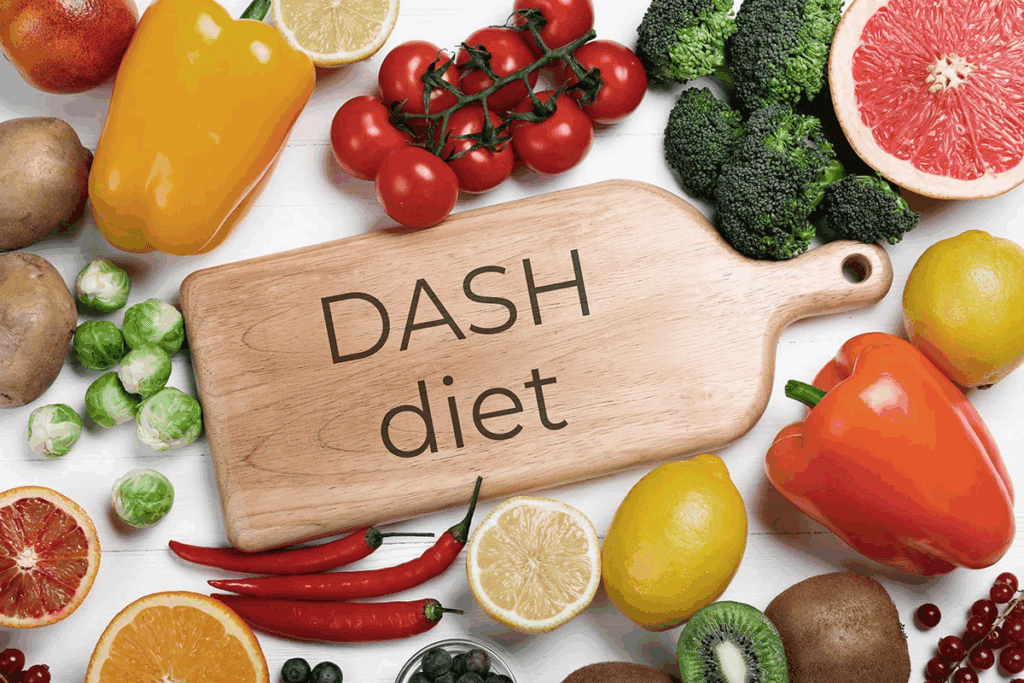
The DASH diet comes from NIH research. It’s a way to lower blood pressure through diet. The DASH diet, short for Dietary Approaches to Stop Hypertension, was made by the National Institutes of Health (NIH). It’s a detailed diet plan for managing high blood pressure.
Development by the National Institutes of Health
Researchers at the National Heart, Lung, and Blood Institute (NHLBI) created the DASH diet. They work for the NIH in the United States. They wanted to find a diet to fight hypertension, a big risk for heart disease.
The DASH diet focuses on nutrient-rich foods and balanced eating. It aims to lower blood pressure and boost heart health.
Scientific Foundations of the Approach
The DASH diet is based on the idea that diet affects blood pressure. It suggests eating foods high in potassium, calcium, and magnesium. These help lower blood pressure.
It also advises cutting down on sodium. Too much sodium can raise blood pressure in some people.
DASH vs. Other Blood Pressure Diets
The DASH diet is unique in its all-around approach. It doesn’t just focus on one food or nutrient. Instead, it promotes a balanced diet with many food types.
Compared to diets like the Mediterranean diet, the DASH diet focuses more on sodium reduction. It also pushes for more nutrients good for blood pressure.
The DASH diet’s name, Dietary Approaches to Stop Hypertension, shows its main goal. It’s backed by science, making it a solid choice for lowering blood pressure through diet.
Clinical Evidence Supporting DASH Diet Effectiveness
The DASH diet has been proven to lower blood pressure through clinical trials. We’ll look at key studies that show its benefits.
Results from the DASH and PREMIER Trials
The DASH and PREMIER trials showed the DASH diet’s power. The DASH trial, led by the National Heart, Lung, and Blood Institute, tested three diets. It found the DASH diet lowered blood pressure more than the control diet.
The PREMIER trial added lifestyle changes like exercise and weight loss to the DASH diet. This combo led to even bigger blood pressure drops.
“The PREMIER trial demonstrated that a complete lifestyle change, including the DASH diet, can greatly lower blood pressure. It’s as effective as one medication.”
Documented Blood Pressure Reductions
Studies show the DASH diet can cut systolic blood pressure by 6.74 to 11.2 mmHg. Diastolic blood pressure drops by 3.54 mmHg compared to other diets. These changes happen quickly.
| Study | Systolic BP Reduction (mmHg) | Diastolic BP Reduction (mmHg) |
|---|---|---|
| DASH Trial | 6.74 | 3.54 |
| PREMIER Trial | 11.2 | Not Available |
DASH-Sodium Study Findings
The DASH-Sodium study looked at sodium’s effect on blood pressure with the DASH diet. It found that cutting sodium to 1500mg/day added to blood pressure drops.
By combining the DASH diet with less sodium, people can see even more blood pressure reductions. This makes the diet even more effective.
Essential Nutrients in the DASH Diet Plan
The DASH diet is packed with nutrients that help keep blood pressure healthy. It focuses on a balanced mix of these nutrients. This helps manage high blood pressure and boosts heart health.
Potassium, Calcium, and Magnesium Sources
The DASH diet highlights foods rich in potassium, calcium, and magnesium. These minerals are key for blood pressure control. Foods like bananas, spinach, and fish are good sources of potassium. Low-fat dairy and nuts are rich in calcium and magnesium.
Key sources of these minerals include:
- Potassium: Bananas, spinach, avocados
- Calcium: Low-fat dairy products, fortified plant-based milk
- Magnesium: Almonds, spinach, black beans
Protein and Dietary Fiber Requirements
Protein and dietary fiber are also important in the DASH diet. You can get protein from lean meats, fish, beans, and nuts. Fiber is found in whole grains, fruits, veggies, and legumes. Both help keep the heart healthy and blood pressure in check.
Dietary fiber is very important. It lowers cholesterol and improves digestion. Foods high in fiber include whole wheat, oatmeal, apples, carrots, and broccoli.
Sodium Restriction Guidelines (1500mg Target)
The DASH diet suggests keeping sodium intake under 2,300mg a day. Aim for 1,500mg if you’re at risk or have high blood pressure. Cutting down on sodium can lower blood pressure and heart disease risk.
To meet this goal, watch the sodium in processed foods. Reading labels and choosing low-sodium options is key.
By focusing on these nutrients and following sodium guidelines, you can manage blood pressure and enhance health.
DASH Diet Food Groups and Recommended Servings
Knowing the DASH diet’s food groups and servings is key to its benefits. It aims for a balanced diet rich in nutrients but low in unhealthy fats and sodium.
Fruits and Vegetables (8-10 Servings Daily)
Fruits and vegetables are vital in the DASH diet. They give us essential vitamins, minerals, and fiber. Aim for 8-10 servings a day, with a variety of colors for a wide range of nutrients.
Examples of 1 serving: 1 medium fruit, 1/2 cup fresh, frozen, or canned fruit, or 4 ounces of juice.
Whole Grains and High-Fiber Foods
Whole grains are also key, providing fiber, vitamins, and minerals. Go for 6-8 servings a day, including whole wheat bread, brown rice, and whole grain pasta.
Examples of 1 serving: 1 slice whole grain bread, 1/2 cup cooked brown rice, or 1/2 cup whole grain pasta.
Lean Proteins and Low-Fat Dairy Options
Lean proteins and low-fat dairy are important for protein and calcium. Aim for 2-3 servings of low-fat dairy and lean protein sources like poultry, fish, and legumes.
Examples of 1 serving: 1 cup low-fat milk, 1.5 ounces lean meat, or 1/2 cup cooked legumes.
Heart-Healthy Fats and Oils
Healthy fats are good for the heart and should be used in moderation. Good sources include olive oil, avocados, and nuts.
Examples of 1 serving: 1 teaspoon olive oil, 1/4 avocado, or 1 ounce of nuts.
| Food Group | Recommended Daily Servings | Examples of 1 Serving |
|---|---|---|
| Fruits and Vegetables | 8-10 | 1 medium fruit, 1/2 cup fresh/frozen/canned fruit |
| Whole Grains | 6-8 | 1 slice whole grain bread, 1/2 cup cooked brown rice |
| Lean Proteins and Low-Fat Dairy | 2-3 | 1 cup low-fat milk, 1.5 ounces lean meat |
| Heart-Healthy Fats | Moderation | 1 teaspoon olive oil, 1/4 avocado |
Foods to Limit or Avoid for Blood Pressure Control
To keep blood pressure in check, it’s important to know which foods to avoid. The DASH diet helps by cutting down on certain foods that can raise blood pressure.
High-Sodium Processed and Packaged Foods
Many processed and packaged foods are loaded with sodium. This is bad news for blood pressure. Try to cut down on items like canned soups, frozen meals, and processed snacks. They’re high in sodium and low in good stuff.
Examples of high-sodium foods to limit:
- Canned soups and broths
- Processed meats like bacon and sausage
- Instant noodles and packaged snacks
Saturated and Trans Fat Sources
Fats like saturated and trans fats are not good for your heart. They can make “bad” cholesterol levels go up. So, it’s best to avoid foods like fatty meats, full-fat dairy, and processed baked goods.
Healthier alternatives include:
- Lean proteins like poultry and fish
- Low-fat dairy products
- Baked goods made with healthier fats
Added Sugars and Sweetened Beverages
Too much added sugar, like in sweet drinks, can cause weight gain and high blood pressure. It’s wise to cut down on sugary drinks like soda, sports drinks, and sweetened teas or coffees.
Tips for reduction:
- Choose water or unsweetened beverages
- Read labels to identify hidden sugars
- Opt for fresh fruit instead of sugary snacks
By watching what you eat and making smart choices, you can help manage your blood pressure. This is key to keeping your heart healthy.
Creating a Sustainable DASH Diet Meal Plan
To make the DASH diet a sustainable choice, creating a meal plan is key. A good meal plan helps you stick to the diet’s principles every day. This ensures you get the most health benefits over time.
Weekly Meal Planning Strategies
Effective meal planning is the heart of a successful DASH diet. Start with a weekly plan that includes a variety of DASH-compliant foods. Choose recipes that are full of fruits, vegetables, whole grains, and lean proteins. Make sure they are low in sodium and saturated fats.
To make meal planning easier, follow these steps:
- Plan meals around seasonal produce for freshness and variety.
- Make a shopping list based on your meal plan to avoid impulse buys.
- Cook in bulk and store meals for later to save time.
- Use leftovers in your meal plan to reduce waste.
Sample DASH-Compliant Daily Menus
Here’s a sample daily menu that follows the DASH diet:
| Meal | Food | Serving Size |
|---|---|---|
| Breakfast | Whole-grain cereal with low-fat milk and banana | 1 cup cereal, 1 cup milk, 1 banana |
| Lunch | Grilled chicken breast with roasted vegetables and quinoa | 3 oz chicken, 1 cup vegetables, 1/2 cup quinoa |
| Dinner | Baked salmon with brown rice and steamed broccoli | 3 oz salmon, 1/2 cup brown rice, 1 cup broccoli |
| Snack | Low-fat yogurt with berries | 6 oz yogurt, 1/2 cup berries |
Calorie Adjustments for Weight Management
Managing weight on the DASH diet means adjusting calories based on your needs. The diet helps with weight loss and maintenance by focusing on nutrient-dense foods and portion control.
To adjust calories, follow these steps:
- Find out your daily calorie needs based on age, sex, weight, height, and activity level.
- Adjust portion sizes to meet your calorie needs.
- Keep an eye on your weight and adjust as needed.
By following these tips and incorporating the DASH diet into your life, you can manage your weight sustainably. This will also improve your overall health.
Practical Implementation Tips for DASH Success
To follow the DASH diet well, you need to know how and why. It’s not just about eating right; it’s about using smart strategies every day.
Smart Grocery Shopping Strategies
Shopping smart is key to a good DASH diet. Focus on fresh fruits, veggies, whole grains, and lean meats. Always check labels to avoid too much sodium and sugar.
- Make a shopping list based on DASH diet recommendations.
- Shop the perimeter of the store where fresh produce and meats are typically located.
- Choose low-sodium and low-sugar options when purchasing packaged goods.
Decoding Food Labels for DASH Compliance
Understanding food labels is vital for sticking to the DASH diet. We must know how to spot good nutrients and avoid bad additives. Look for:
| Nutrient | DASH Recommendation |
|---|---|
| Sodium | Less than 2300mg per serving; aim for 1500mg daily |
| Sugar | Choose products with less than 8g of sugar per serving |
| Potassium | Select foods high in potassium like fruits and vegetables |
Restaurant Dining on the DASH Diet
Eating out on the DASH diet can be tough, but it’s doable. Plan ahead by looking at menus online. Choose dishes that fit the DASH diet. When you order, go for:
- Grilled or baked entrees instead of fried.
- Vegetables and fruits as side dishes.
- Whole grains when available.
By using these tips, you can stick to the DASH diet and manage your blood pressure.
Enhancing Results: Combining DASH with Lifestyle Changes
The DASH diet is great for lowering blood pressure. But, adding other healthy habits can make it even better. We suggest combining it with regular exercise, managing stress, and drinking less alcohol. Quitting smoking is also key.
Physical Activity Recommendations
Being active is essential for a healthy lifestyle. Aim for 150 minutes of moderate exercise or 75 minutes of vigorous exercise weekly. Activities like brisk walking, cycling, or swimming are good. Also, do strength training two or more times a week to boost heart health.
Key Benefits of Regular Physical Activity:
- Lowers blood pressure
- Improves cardiovascular health
- Enhances overall well-being
- Supports weight management
Stress Management Techniques
Managing stress is important for keeping blood pressure healthy. Try activities like meditation, deep breathing, or yoga. These can help reduce stress’s negative effects on your heart.
Some effective stress management techniques include:
- Mindfulness meditation
- Progressive muscle relaxation
- Journaling
- Engaging in hobbies
Alcohol Moderation and Smoking Cessation
Drinking less and quitting smoking are big steps for heart health. Limit alcohol to moderate amounts (up to one drink a day for women, two for men). If you smoke, get help to quit.
Benefits of Alcohol Moderation and Smoking Cessation:
- Reduces blood pressure
- Lowers risk of cardiovascular disease
- Improves overall health and well-being
By adding these lifestyle changes to the DASH diet, you can see even more benefits for your heart and overall health.
Conclusion: Embracing DASH as a Long-Term Solution
We’ve looked at the DASH diet as a way to manage blood pressure. It’s clear that this diet can improve your heart health for the long run. By following the DASH diet, you can enjoy meals good for high blood pressure and make better choices about what to eat when blood pressure is high.
The DASH diet is not just a short-term fix. It’s a long-term way to handle high blood pressure. When you add it to other healthy habits like exercise and managing stress, you can see big improvements in your health.
In short, adopting the DASH diet for the long haul can really help with blood pressure. We suggest you keep learning about the DASH diet’s benefits. Also, talk to your doctor to make a plan that fits your life.
FAQ
What is the DASH diet?
The DASH diet, or Dietary Approaches to Stop Hypertension, is a well-studied eating plan. It helps lower blood pressure and improve health. It focuses on nutrient-rich foods and limits sodium.
How does the DASH diet help manage hypertension?
The DASH diet manages hypertension by focusing on whole grains, fruits, vegetables, lean protein, and low-fat dairy. These foods are rich in potassium, calcium, and magnesium. It also limits sodium intake.
What are the key nutrients emphasized in the DASH diet?
The DASH diet highlights potassium, calcium, and magnesium from fruits, vegetables, and low-fat dairy. It also focuses on protein, dietary fiber, and sodium restriction.
What foods should be limited or avoided on the DASH diet?
High-sodium processed foods, saturated and trans fats, and added sugars should be limited or avoided. This helps control blood pressure.
How can I create a sustainable DASH diet meal plan?
To create a sustainable DASH diet meal plan, plan meals for the week. Use sample DASH-compliant daily menus. Adjust calorie intake for weight management.
What are some practical tips for successfully implementing the DASH diet?
Practical tips include smart grocery shopping and decoding food labels for DASH compliance. Learn to dine out while following the DASH diet.
Can combining the DASH diet with other lifestyle changes enhance health outcomes?
Yes, combining the DASH diet with regular physical activity, stress management, moderation in alcohol, and quitting smoking can enhance health outcomes.
What is the recommended sodium intake on the DASH diet?
The DASH diet recommends a sodium intake target of 1500mg per day to help lower blood pressure.
How many servings of fruits and vegetables are recommended daily on the DASH diet?
The DASH diet recommends 8-10 servings of fruits and vegetables daily.
Is the DASH diet suitable for weight management?
Yes, the DASH diet can be adjusted for weight management. Modify calorie intake while keeping the diet’s core principles.
How does the DASH diet compare to other diets like the Mediterranean diet?
Both diets focus on whole, nutrient-dense foods. But the DASH diet is designed to manage blood pressure. It has a unique balance and emphasis on certain nutrients.
No suitable reference found.
References
National Center for Biotechnology Information. Evidence-Based Medical Guidance. Retrieved from https://pubmed.ncbi.nlm.nih.gov/32330233/