

Getting ready for your surgery date can feel overwhelming. But, with the right help, you can feel more confident. Liv Hospital focuses on you, making sure you get the support you need. This makes your surgery and recovery smoother.
To make your surgery schedule a success, follow some key steps. Wear clean, comfy clothes and skip makeup, lotion, or jewelry. Also, don’t forget to bring important papers with you. Island Health suggests planning how you’ll get to and from the hospital. And, make sure someone trustworthy is home with you after surgery.
Key Takeaways
- Wear clean, loose-fitting clothing on your surgery date
- Avoid wearing makeup, lotion, or jewelry
- Bring all essential documents to the hospital
- Plan your transportation to and from the hospital
- Arrange for a responsible adult to stay with you post-surgery
Why Surgical Preparation Matters
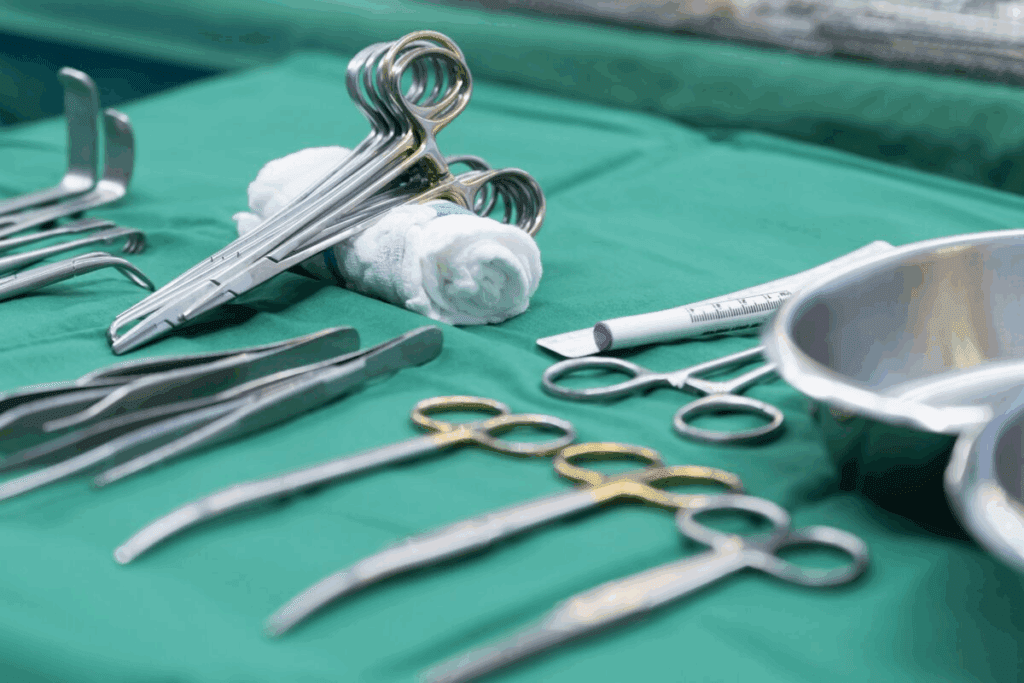
Getting ready for surgery is key to avoiding risks and making recovery smoother. It involves steps that help patients and doctors work together for the best results.
Reduced Complications Through Proper Preparation
Thorough preparation cuts down on possible problems. By following pre-surgery advice and adjusting your lifestyle, you can greatly reduce risks during and after surgery.
Island Health says preparation is vital for fewer complications and better results. It means understanding the surgery, managing meds, and planning for aftercare.
Impact on Recovery and Healing Times
Good preparation not only lowers risks but also speeds up recovery and healing. Patients who are well-prepared face fewer issues after surgery, leading to quicker healing.
A good prep plan includes diet tips, managing meds, and arranging for care after surgery. Sticking to these can make recovery better.
Setting Realistic Expectations
Setting clear expectations is also important in preparation. Knowing what to expect during recovery can lead to better results and happiness.
Understanding the surgery timeline, possible hurdles, and the role of your support person helps mentally and emotionally prepare for what’s ahead.
| Preparation Aspect | Benefit |
| Following Preoperative Instructions | Reduces Risk of Complications |
| Managing Medications | Minimizes Adverse Interactions |
| Arranging Post-Surgery Care | Ensures Smooth Recovery |
By focusing on these areas, patients can make sure they’re ready for surgery. This leads to better results and a more positive experience overall.
Planning Weeks Before Your Procedure

To reduce stress and avoid problems, start planning and preparing for your surgery weeks early. This early preparation is key for several important reasons. It affects how well the surgery goes and how you recover.
Medical Clearance Requirements
Getting medical clearance is a first step. Your doctor will check if you’re healthy enough for surgery. This might include blood tests or scans to spot any risks.
Doctors say, “A good check-up before surgery is vital to avoid risks.” Having all clearances means your team can prepare better for your surgery.
Arranging Time Off and Recovery Support
Next, plan to take time off from work or school for recovery. The time needed depends on your surgery and personal situation. Also, make sure you have recovery support from family, friends, or caregivers to help with daily tasks.
- Plan for someone to drive you home after surgery.
- Arrange for help with household chores and meal preparation.
- Consider having someone stay with you overnight.
Home Preparation for Post-Surgery Recovery
Preparing your home is also vital. Home preparation means making your home safe and comfy for recovery. This includes:
RVH suggests making your home safe by moving things within reach and setting up a cozy spot to rest. Also, remove any dangers. Having the right supplies and easy meals ready can reduce stress during recovery.
“A well-prepared home environment can significantly impact the recovery experience, making it easier for patients to rest and heal.”
By focusing on medical clearance, arranging for time off and support, and preparing your home, you can make your surgery and recovery smoother.
Essential Documentation for Surgery
Getting ready for surgery means preparing the right documents. This makes the process smoother and more efficient. Patients need to collect and organize different documents to help with their care.
Required Identification and Insurance Information
Bring a valid photo ID and your insurance card to the surgery facility. Island Health says to also bring your BC Services Card or Personal Health Number. Or, you can show proof of a different Medical Insurance Plan. This is key to verify who you are and who covers your care.
Medical History and Allergy Documentation
It’s essential to share your full medical history, including any allergies. This helps doctors make better decisions for your care. It also lowers the chance of complications. Make sure your medical records are current and easy to find.
Consent Forms and Advance Directives
Understanding and filling out consent forms and advance directives is important. Consent forms explain what the surgery involves and the risks. Advance directives tell doctors what you want if you can’t speak for yourself. Talk to your healthcare team about these to make sure your wishes are known.
Having the right documents ready is key for a good surgery experience. It’s up to the patient to make sure all documents are complete and ready for the surgery day.
Managing Medications Before Surgery
Managing your medications before surgery is very important. It helps prevent problems. As a patient, you should play an active role in managing your medications before surgery.
Creating a Complete Medication List
To make sure your surgical team knows everything, make a detailed list of your medications. Include:
- Prescription drugs
- Over-the-counter medications
- Vitamins and supplements
- Herbal remedies
RVH suggests bringing all your medications in their original containers to your pre-surgery appointment. This makes it easier for your team to review and manage your medications.
Medications to Avoid or Adjust
Some medications might need to be changed or stopped before surgery. Your healthcare provider will look at your list and tell you what to do with:
- Blood thinners that may need to be paused
- Diabetes medications that require dosage adjustments
- Other medications that could interact with anesthesia
It’s very important to follow these instructions carefully. This ensures your safety during the surgery.
Special Instructions for Chronic Conditions
If you have a chronic condition like diabetes or hypertension, you’ll need special care before surgery. Your healthcare team will give you personalized advice on:
- Adjusting medication dosages
- Monitoring your condition closely before surgery
- Managing possible interactions between your chronic condition medications and surgical medications
By working closely with your healthcare team, you can ensure that your chronic conditions are well-managed during the surgical process.
In conclusion, managing your medications before surgery is a team effort. By making a detailed medication list, following instructions, and following special advice for chronic conditions, you can help make your surgery safe and successful.
Dietary Guidelines and Fasting Requirements
To stay safe during surgery, it’s key to follow the right diet and fasting rules. Good nutrition before surgery can greatly affect your recovery.
Standard NPO (Nothing by Mouth) Guidelines
Island Health tells patients to stop eating solid food and drinking non-clear fluids at midnight before surgery. This rule helps keep you safe during the operation by lowering the chance of aspiration.
NPO guidelines typically include:
- Stopping solid foods and non-clear fluids at midnight
- Avoiding clear fluids for a specified period before surgery, usually 2 hours
- Not consuming any food or drink during the specified fasting period
Special Dietary Considerations
Some people have special diet needs or restrictions that need to be adjusted from the usual NPO rules. It’s important to tell your healthcare provider about any dietary restrictions, allergies, or conditions that might affect your nutrition.
Examples of special dietary considerations include:
- Diabetes management
- Food allergies or intolerances
- Gastrointestinal conditions
Hydration Within Medical Guidelines
It’s important to stay hydrated, but only within the guidelines given by your healthcare team. Clear fluids, like water or clear broth, are usually okay up to a certain time before surgery.
Last Meal Recommendations
A light meal is suggested for the evening before surgery. Avoid heavy, fatty, or spicy foods. This helps ensure an empty stomach at surgery time, reducing risks.
| Meal Type | Recommended Timing | Examples |
| Solid Food | Stop at midnight | Regular meals, heavy or fatty foods |
| Clear Fluids | Stop 2 hours before surgery | Water, clear broth |
| Last Meal | Light meal the night before | Soup, toast, avoiding heavy or spicy foods |
By following these dietary guidelines and fasting rules, you can help make your surgery safe and successful. Always talk to your healthcare provider for specific advice that fits your needs.
What to Wear and Bring on Your Day of Surgery
On your surgery day, wearing comfy clothes and bringing the right items is key. You want to be as comfortable as you can. Also, make sure to follow your healthcare team’s advice.
Appropriate Clothing Choices
Choosing the right clothes for surgery is important. Wear clean, loose-fitting clothing that won’t get in the way. Don’t wear makeup, lotion, or jewelry because they can be risky during surgery. RVH says to pick clothes that are easy to get to the area where you’ll be operated on.
Personal Items for Overnight Stays
If you’re staying overnight, pack the right personal items. Bring a reusable bag for your stuff. Here are some must-haves:
- Comfortable clothes for after surgery
- Toiletries like toothbrush, toothpaste, and hygiene items
- Slippers or comfy shoes
- Phone and charger
- Books or a tablet for fun
| Item | Description |
| Comfortable Clothes | Loose-fitting clothes for recovery |
| Toiletries | Toothbrush, toothpaste, and personal hygiene items |
| Slippers | Comfortable footwear for walking |
Items to Leave at Home
There are things you should not bring to surgery. Leave jewelry, makeup, and nail polish at home. Also, don’t bring contact lenses or cases unless your surgeon says it’s okay. And leave valuable items like lots of cash or irreplaceable things at home.
By following these tips, your surgery day will go smoothly. Always listen to what your healthcare team tells you about what to wear and bring.
The Day of Surgery: Hour-by-Hour Timeline
A detailed hour-by-hour guide for the day of surgery helps in setting realistic expectations and reducing stress. Understanding the sequence of events can make the experience less daunting for patients.
Night Before Preparation
Preparation the night before surgery is key. Here’s what to do:
- Ensure all necessary documents are ready.
- Follow dietary instructions provided by the healthcare team.
- Get a good night’s rest.
Morning of Surgery Routine
The morning of surgery is simple:
- Take any prescribed medications as instructed.
- Follow the fasting instructions.
- Wear comfortable, loose clothing.
Transportation Planning
Planning transportation to the hospital is essential. Island Health advises patients to plan a ride to and from the hospital and to arrive on time for their scheduled surgery.
Hospital Arrival and Check-in
Upon arrival, patients will go through a check-in process. This includes:
| Step | Description | Time |
| 1. Check-in | Register at the front desk. | 15 minutes |
| 2. Documentation | Verify insurance and identification. | 10 minutes |
| 3. Pre-surgery prep | Change into a hospital gown and prepare for surgery. | 30 minutes |
Your Support Person’s Role During Surgery Time
A support person is key in your surgical journey. They offer emotional comfort and practical help. Having a trusted adult with you can greatly improve your experience.
Choosing the Right Support Person
Picking the right support person is important. They should be someone you trust and can stay calm. RVH advises patients to have a support person stay with them for 24 hours after surgery.
- Someone who can drive you home after the procedure
- A person who can assist with medication management
- An individual who can provide emotional support during the recovery process
Responsibilities During Your Procedure
Your support person’s duties start before surgery. They need to:
- Arrive at the hospital or surgical center with you
- Provide necessary documentation and information to the surgical team
- Be available to ask questions and receive updates on your status
Communication with the Surgical Team
Good communication between your support person and the surgical team is key. They should be ready to:
- Ask questions about your care and recovery
- Receive updates on your surgical progress
- Understand and follow any instructions provided by the surgical team
Preparing for Post-Anesthesia Care
Post-anesthesia care is a critical part of your recovery. Your support person should be ready to:
- Monitor your condition and report any concerns to the nursing staff
- Assist with managing any post-operative pain or discomfort
- Ensure you follow the recommended post-operative instructions
Knowing your support person’s role can make your surgery smoother. It’s important to choose someone who supports you emotionally and can handle practical care.
Conclusion: Your Final Pre-Surgery Checklist
As you get ready for surgery, it’s important to check off every item on your final pre-surgery checklist. Island Health offers a detailed guide to help you prepare. This includes a checklist that covers everything you need to do.
Make sure to confirm your surgery date and time. Also, arrange for someone to take care of you after the surgery. Follow the specific instructions given to you by your healthcare team. By doing this, you can lower the chance of problems and get better faster.
Getting ready for surgery is a big step. Take the time to go over your checklist carefully. Ask any questions you have and follow your healthcare team’s advice. This will help you be ready for your surgery and recovery.
FAQ
What should I wear on the day of surgery?
Wear clean, loose clothes that are easy to take off and put back on. Don’t wear jewelry, makeup, or nail polish. They can get in the way of the surgery or recovery.
What documents do I need to bring to the hospital on the day of surgery?
Bring your ID, insurance info, medical history, and any allergy documents. Make sure you’ve filled out consent forms and advance directives.
How should I manage my medications before surgery?
Make a list of all your medications and tell your surgical team. Some meds might need to be changed or stopped before surgery. If you have chronic conditions, follow the special instructions from your healthcare team.
What are the dietary guidelines and fasting requirements before surgery?
Know the NPO guidelines and any special diet rules you need to follow. Stay hydrated but follow medical guidelines. Also, know what to eat for your last meal before surgery.
Can I have a support person with me during surgery?
Yes, having someone with you can be comforting and helpful. Choose a responsible adult who can help during the procedure. They should also be able to communicate with the surgical team and help with post-anesthesia care.
What should I do the night before surgery?
Follow the instructions from your healthcare team the night before. This might include showering, taking certain meds, and getting enough sleep.
How do I plan for transportation to the hospital on the day of surgery?
Arrange for someone to drive you to the hospital and pick you up after. Consider how long it takes to get there and plan your time.
What is the typical timeline for the day of surgery?
Know the day’s schedule, from preparing the night before to getting to the hospital. This includes your morning routine and travel time.
How can I prepare my home for post-surgery recovery?
Make your home ready by stocking up on supplies like wound care and easy meals. This helps prevent accidents and makes recovery more comfortable.
What are the benefits of proper surgical preparation?
Good preparation can lower risks, speed up recovery, and set realistic goals. Being prepared helps patients take an active role in their recovery and get better results.
References
Centers for Disease Control and Prevention. (2021). Guidelines for preoperative patient preparation to prevent surgical site infections. Morbidity and Mortality Weekly Report, 70(4), 125–129. Retrieved from
https://www.cdc.gov/mmwr/volumes/70/wr/mm7004a3.htm



 Departments
 Related Videos
 Our Doctors
 News
News