Deep venous thrombosis in the arm, or UE DVT, is a serious issue. It happens when a blood clot forms in the deep veins of the arm. This can lead to severe health problems if not caught early.
It’s important to know the causes, symptoms, and ways to prevent UE DVT. At Liv Hospital, experts focus on caring for patients with upper extremity DVT. They work hard to ensure patients get the best care possible.
Key Takeaways
- UE DVT accounts for 5-10% of all DVT cases.
- Early diagnosis is critical to prevent severe health consequences.
- Liv Hospital provides comprehensive care for UE DVT patients.
- Understanding the causes and symptoms is vital for effective treatment.
- Prevention strategies can help reduce the risk of developing UE DVT.
Understanding Upper Extremity Venous Thrombosis
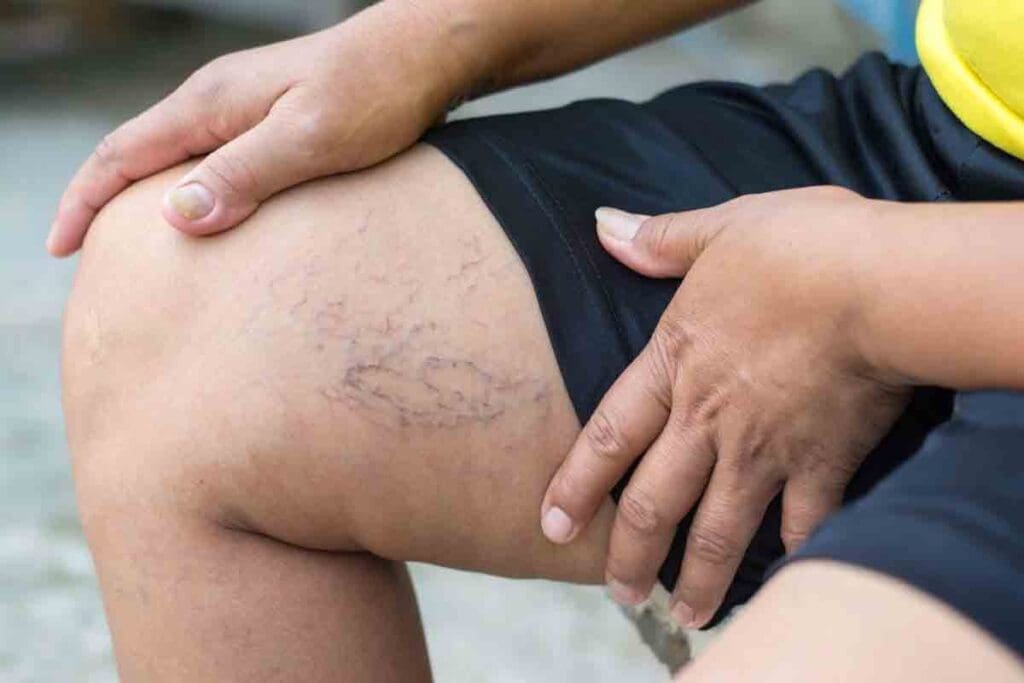
Upper extremity venous thrombosis, or arm DVT, is when blood clots form in the deep veins of the arm. It’s less common than DVT in the legs but can cause a lot of problems.
What Defines Arm DVT?
Arm DVT is when a blood clot forms in the deep veins of the upper arm. The brachial vein is often affected. Blood clots can form due to central venous catheters, trauma, or hypercoagulable states.
A medical expert notes, “Diagnosing upper extremity DVT needs a keen eye, mainly in those with risk factors like central venous catheters or cancer.”
“Having a central venous catheter increases the risk of upper extremity DVT. This shows the importance of managing these catheters carefully.”
Anatomical Considerations
The anatomy of the upper arm’s veins is key to understanding arm DVT. The brachial and axillary veins are often affected. The brachial vein, alongside the brachial artery, is a common site for clots.
Knowing the anatomy helps in diagnosing and treating arm DVT well. The veins’ location near arteries and the presence of valves are important in DVT’s development and effects.
In summary, upper extremity venous thrombosis is a serious condition. It needs a clear understanding of its definition and anatomy for proper management.
Fact 1: Deep Venous Thrombosis in Arm Accounts for 5-10% of All DVT Cases

Deep Venous Thrombosis (DVT) in the arm is less common than in the legs. Yet, it makes up a big part of all DVT cases. Knowing the stats and who gets it helps doctors diagnose and treat it better.
Statistical Overview
Upper extremity DVT makes up about 5-10% of all DVT cases. Studies show that about 2 people out of 100,000 get upper extremity DVT each year. This shows it’s less common than leg DVT but just as important to treat.
The number of upper extremity DVT cases is going up. This is because more people are using central venous catheters and other medical devices. Key facts include:
- 5-10% of all DVT cases occur in the upper extremity.
- Annual incidence rate is approximately 2 per 100,000 people.
- Increased incidence is associated with the use of central venous catheters.
Demographic Patterns
There are certain trends and risk factors for upper extremity DVT. Age is a big factor, with older people being more at risk. Gender also plays a role, with some studies showing women might get it more often.
Other factors and risks include:
- Age: Older individuals are at higher risk.
- Gender: Women may have a slightly higher incidence.
- Presence of central venous catheters or other medical devices.
- History of cancer or other chronic conditions.
Knowing these patterns helps doctors spot who’s at higher risk. This way, they can take steps to prevent it.
Fact 2: Brachial Vein is Most Commonly Affected in Upper Arm DVT
The brachial vein is key in the upper arm and often gets involved in deep venous thrombosis (DVT). It’s important for draining blood from the upper limb.
Anatomy of the Brachial Vein
The brachial vein runs with the brachial artery and is paired. It starts from the radial and ulnar veins, sometimes staying paired, and goes up to drain into the axillary vein.
Its location and structure make it prone to DVT. This is due to:
- Its deep location, making it more likely to get blocked.
- The presence of valves, which can sometimes cause blood clots.
- External pressure or injury to the arm, which can harm the vein.
Other Affected Veins
While the brachial vein is most often affected, other veins in the upper arm can also get involved in DVT. These include:
- The axillary vein, which continues from the brachial vein and can face similar issues.
- The subclavian vein, a major vein that can be affected, often due to central venous catheters.
- The cephalic and basilic veins, which are superficial but can sometimes be involved.
Knowing about the anatomy and where DVT can occur in the upper arm is key for diagnosis and treatment. These veins can lead to various symptoms and complications.
Fact 3: Major Risk Factors for Developing UE DVT
It’s important to know the risk factors for upper extremity deep vein thrombosis (UE DVT). This knowledge helps prevent and treat it early. Several factors can lead to UE DVT, and knowing them helps everyone stay safe.
Central Venous Catheters
Central venous catheters are a big risk for UE DVT. They’re used in hospitals for giving medicine or fluids. The catheter can cause veins to clot. Studies show patients with these catheters are more likely to get UE DVT.
Repetitive Arm Movements
Repetitive arm movements also raise the risk of UE DVT. Jobs or sports that use the arms a lot can cause vein problems. This is because the veins get compressed or irritated.
Underlying Medical Conditions
Certain underlying medical conditions increase UE DVT risk. Cancer, for example, can make blood clot more easily. Cancer treatments like chemotherapy also raise the risk. Other conditions, like heart failure and obesity, can also increase the risk.
Knowing these risk factors is key to spotting and treating UE DVT early. Healthcare providers can then take steps to prevent it.
Fact 4: Recognizing Symptoms of Upper Extremity DVT
It’s important to know the signs of upper extremity deep vein thrombosis (DVT) to get help quickly. DVT in the upper body can show different symptoms, from mild to severe.
Primary Symptoms
The main signs of upper extremity DVT are swelling, pain, and tenderness in the arm. These happen because the blood flow is blocked by a clot.
- Swelling: Fluid builds up in the affected limb, causing swelling.
- Pain: Pain can be mild or very severe, getting worse with movement.
- Tenderness: The area may feel sore when touched.
Secondary Symptoms
Some people also notice redness, warmth, and a feeling of heaviness in their arm.
- Redness: The skin over the vein may look red or different.
- Warmth: The area feels warmer than the rest of the skin.
- Heaviness: Some feel their arm is heavy or tired.
When to Seek Medical Attention
If you have severe pain, sudden swelling, or trouble moving your arm, get medical help right away. Early treatment can greatly improve your chances of recovery.
“Prompt medical evaluation is critical for individuals suspected of having upper extremity DVT, as timely treatment can prevent serious complications.”
Knowing the symptoms of upper extremity DVT and when to see a doctor is key. If you notice anything unusual in your arm, see a healthcare professional without delay.
Fact 5: Diagnostic Approaches for Arm Venous Thrombosis
Healthcare professionals use various methods to diagnose arm venous thrombosis. These include imaging and lab tests. Accurate diagnosis is key for effective treatment and avoiding complications.
Imaging Techniques
Imaging is a key tool in diagnosing arm venous thrombosis. Ultrasound is the most common method. It checks blood flow and finds clots without harming the patient.
Other methods include:
- Venography: Uses X-rays and dye to see the veins.
- Computed Tomography (CT) scan: Gives detailed images of the veins and clots.
- Magnetic Resonance Imaging (MRI): Helps see the veins and find clots in complex cases.
Laboratory Tests
Laboratory tests add to the diagnosis by providing more information. Key tests include:
| Test | Purpose |
| D-dimer | Checks for clot fragments in the blood, showing possible thrombosis. |
| Complete Blood Count (CBC) | Looks at blood health and can show signs of infection or inflammation. |
| Coagulation Studies | Tests how well blood clots, helping find clotting problems. |
Together, these methods help doctors accurately diagnose arm venous thrombosis. They then create a treatment plan.
Fact 6: Treatment Options for Brachial Vein DVT
Managing brachial vein DVT involves different treatments for each patient. The goal is to stop the clot from growing, lower the chance of pulmonary embolism, and ease symptoms.
Anticoagulation Therapy
Anticoagulation therapy is key in treating brachial vein DVT. It uses medicines to thin the blood and stop new clots. Anticoagulants don’t dissolve clots but prevent them from getting bigger. Heparin, warfarin, and newer drugs like rivaroxaban and apixaban are used. For more info, check Verywell Health.
Thrombolysis
In some cases, thrombolysis is an option. It uses medicines to break down the clot. This method is for those with severe symptoms or high risk of complications. It’s risky and done in a hospital setting.
Surgical Interventions
Surgery is rare for brachial vein DVT but might be needed in some cases. This includes removing the clot surgically. It’s for high-risk patients or when other treatments fail.
Recovery Timeline
The time it takes to recover from brachial vein DVT varies. It depends on the clot’s size, treatment success, and patient factors. Most start feeling better in a few weeks, but full recovery can take longer. Regular check-ups with healthcare providers are important to track progress and adjust treatment.
Fact 7: Untreated Upper Limb DVT Complications
Not treating upper limb DVT can lead to serious problems. These include pulmonary embolism and post-thrombotic syndrome. It’s key to know these risks to see why treatment is so important.
Pulmonary Embolism Risk
Pulmonary embolism is a serious condition. It happens when a blood clot moves to the lungs. Medical studies show it’s a big risk for those with untreated upper limb DVT.
The severity of pulmonary embolism can vary. But it often needs quick medical help. Symptoms include shortness of breath, chest pain, and in severe cases, cardiac arrest.
Post-Thrombotic Syndrome
Post-thrombotic syndrome (PTS) is another risk of untreated upper limb DVT. PTS can cause chronic pain, swelling, and limited mobility in the affected limb. These symptoms can greatly affect a patient’s quality of life.
| Complication | Symptoms | Impact |
| Pulmonary Embolism | Shortness of breath, chest pain | Potentially life-threatening |
| Post-Thrombotic Syndrome | Chronic pain, swelling, limited mobility | Significant impact on quality of life |
In conclusion, untreated upper limb DVT can lead to severe complications. These can have lasting effects on a patient’s health. Getting a diagnosis and treatment early is key to avoiding these issues.
Prevention Strategies for High-Risk Individuals
To prevent DVT in high-risk individuals, a mix of lifestyle changes and medical steps is needed. Understanding and using these strategies can greatly lower the risk of Deep Venous Thrombosis in the arm.
Lifestyle Modifications
Making lifestyle changes is key to preventing DVT. Regular physical activity is important because it boosts blood flow and lowers clot risk. High-risk individuals should aim for 30 minutes of moderate exercise daily.
It’s also important to avoid prolonged periods of immobility. For those with jobs that involve sitting or standing for long hours, taking breaks to move is essential. Simple actions like stretching or short walks can help a lot.
Medical Preventive Measures
Medical steps are also vital for preventing DVT. Anticoagulant medication is often given to prevent blood clots. The type and amount of medication depend on the person’s risk factors and medical history.
Using compression stockings is another effective measure. These stockings help blood flow in the veins, lowering clot risk. They are recommended for those at high risk due to surgery, bed rest, or other factors.
| Prevention Strategy | Description | Benefit |
| Regular Exercise | Engage in at least 30 minutes of moderate-intensity physical activity most days. | Improves blood circulation, reducing clot risk. |
| Avoiding Prolonged Immobility | Take regular breaks to move around if your job involves long periods of sitting or standing. | Reduces the risk of blood clots forming due to stagnation. |
| Anticoagulant Medication | Prescribed medication to prevent blood clot formation. | Reduces the risk of DVT in high-risk individuals. |
| Compression Stockings | Wearing stockings that improve blood flow in the veins. | Helps prevent clot formation by improving venous circulation. |
Combining lifestyle changes and medical steps can help high-risk individuals lower their DVT risk. It’s important to talk to a healthcare provider to find the best prevention plan for you.
Living with and Managing Upper Extremity Deep Vein Thrombosis
Living with upper extremity DVT can be tough, but it’s possible to stay active. To manage it well, you need medical treatment, lifestyle changes, and ongoing care.
Long-term Care Considerations
For long-term care, anticoagulation therapy is key. It stops the clot from getting bigger and lowers the chance of pulmonary embolism. People on this therapy need regular checks to make sure it’s working right and to avoid bleeding.
Along with medical help, making lifestyle changes is important. This means avoiding long periods of sitting, drinking plenty of water, and keeping a healthy weight. These steps can lower the risk of problems and boost your health.
Impact on Daily Activities
Upper extremity DVT can change how you do daily tasks, mainly if they use the affected arm. You might need to change your daily habits to not make it worse. For instance, avoiding heavy lifting or doing the same arm movements over and over can help.
Even with these challenges, many people with upper extremity DVT can keep up with their daily life with some tweaks. It’s key to work with your healthcare team to find a plan that fits your life and needs.
Managing upper extremity DVT also means knowing the signs of serious problems, like pulmonary embolism, and when to get medical help. Being proactive and informed helps you manage your condition better and lessens its impact on your life.
Conclusion
It’s important to know about deep venous thrombosis in the arm to avoid serious problems. Upper extremity DVT is not as common as lower extremity DVT but is just as dangerous. It can lead to pulmonary embolism and post-thrombotic syndrome.
DVT in the arm is complex. It involves its definition, anatomy, risk factors, symptoms, diagnosis, and treatment. Risk factors include central venous catheters, repetitive arm movements, and certain medical conditions.
Managing upper extremity DVT requires quick diagnosis and treatment. This can include anticoagulation therapy, thrombolysis, or surgery. Understanding these steps helps individuals take action to reduce its impact.
In summary, knowing the risks and taking steps to prevent DVT in the arm can greatly improve health outcomes. This summary emphasizes the need for awareness and action against upper extremity DVT.
FAQ
What is upper extremity deep vein thrombosis (DVT)?
Upper extremity DVT is a blood clot in the arm’s deep veins. It can happen due to many reasons like catheters, arm movements, and health issues.
What are the symptoms of upper extremity DVT?
Symptoms include swelling, pain, warmth, and redness in the arm. You might also see visible veins. Sometimes, there are no symptoms at all.
How is upper extremity DVT diagnosed?
Doctors use ultrasound and lab tests to find upper extremity DVT. These tests check for clots and rule out other conditions.
What are the treatment options for brachial vein DVT?
Treatment includes medicines to stop clotting and dissolve the clot. Sometimes, surgery is needed to remove the clot or fix damaged veins.
References
- Centers for Disease Control and Prevention (CDC). (2024). Deep vein thrombosis (DVT) in upper extremities. CDC. https://www.cdc.gov/bloodclots/arms/index.html