Iron deficiency anemia affects over 1 billion people worldwide. It’s a big health problem. This condition happens when you don’t have enough iron. It makes you feel tired, weak, and can cause other health issues.
But, there’s good news. Iron deficiency anemia treatment has many steps. You can take iron supplements, change your diet, and fix the root causes. Knowing about these anemia treatment options is the first step to feeling better.
Key Takeaways
- Iron deficiency anemia is a widespread condition that requires a complete treatment plan.
- Effective treatment includes iron supplements and making changes to your diet.
- It’s important to understand the causes to manage the condition well.
- Ferritin levels are key in diagnosing iron deficiency.
- A detailed guide can help you find the right treatment options.
Understanding Iron Deficiency Anemia
Iron deficiency anemia happens when the body doesn’t have enough iron. This is needed to make hemoglobin, a key protein in red blood cells. Hemoglobin carries oxygen to all parts of the body.
What Is Iron Deficiency Anemia?
Iron deficiency anemia means there are fewer red blood cells or less hemoglobin in the blood. This makes it hard for the body to carry oxygen. It leads to symptoms.
Iron deficiency anemia can range from mild to severe and is often associated with other health issues; understanding its causes is essential for effective treatment. Knowing what causes and affects iron deficiency anemia is key to treating it.
The Role of Iron in Blood Health
Iron is vital for healthy blood cells. It’s a big part of hemoglobin, which carries oxygen from the lungs to the body’s tissues. Without enough iron, the body can’t make enough red blood cells, causing anemia.
Iron also helps the immune system and is important for energy and thinking.
- Key functions of iron in the body include:Production of hemoglobin and red blood cells
- Transport of oxygen to tissues and organs
- Support for the immune system
- Energy production and metabolism
Prevalence and Risk Factors
Iron deficiency anemia is a big health issue worldwide. It affects many people. Some groups are more at risk, like women of childbearing age, pregnant women, kids, and those with chronic diseases.
Factors that increase the risk of iron deficiency anemia include:
- Not getting enough iron from food
- Chronic blood loss from menstruation, surgery, or internal bleeding
- Poor iron absorption because of stomach or gut problems
- More iron needs during pregnancy or when growing
Knowing these risk factors helps in preventing and treating the condition early.
Common Symptoms of Iron Deficiency Anemia
Symptoms of iron deficiency anemia can vary from mild to severe. They can impact many areas of health. Iron is key for making hemoglobin, which carries oxygen to our body’s tissues and organs. Without enough iron, our body’s tissues and organs don’t get enough oxygen, leading to various symptoms.
Physical Symptoms
Physical symptoms often show up first. Common signs include:
- Persistent fatigue and weakness
- Pale skin due to reduced hemoglobin
- Shortness of breath even when performing simple tasks
- Dizziness or lightheadedness
- Cold hands and feet
- Headaches
These symptoms happen because our body’s tissues and organs don’t get enough oxygen. Oxygen is vital for their proper functioning.
Cognitive and Emotional Symptoms
Iron deficiency anemia can also affect our mind and emotions. People may notice:
- Difficulty concentrating and decreased productivity
- Memory problems
- Mood swings, including irritability and anxiety
- Depression
Not having enough iron can harm our brain function and emotional balance. This can impact our daily life and how we connect with others.
When to Seek Medical Attention
Seeing a doctor is key if symptoms don’t go away or get worse. Early treatment can prevent serious problems and improve life quality. If you notice:
- Severe fatigue that interferes with daily activities
- Increasing shortness of breath
- Persistent dizziness or fainting spells
- Chest pain or rapid heartbeat
Getting medical help quickly can find the cause of your symptoms. It will guide the right treatment.
Causes of Iron Deficiency Anemia
It’s important to know why iron deficiency anemia happens. This condition occurs when the body lacks enough iron. Iron is needed to make hemoglobin, a key protein in red blood cells. Hemoglobin helps carry oxygen throughout the body.
Inadequate Iron Intake
Inadequate iron intake is a main reason for iron deficiency anemia. This can happen if you don’t eat enough iron-rich foods. It’s also common during pregnancy when the body needs more iron.
- Dietary patterns that are low in iron-rich foods
- Increased iron requirements during pregnancy or breastfeeding
- Vegetarian or vegan diets that are not well planned
Blood Loss
Blood loss is another big cause of iron deficiency anemia. Blood loss can happen for many reasons, including:
- Menstrual blood loss in women
- Gastrointestinal bleeding due to ulcers, cancer, or other conditions
- Surgery or trauma
- Frequent blood donation
Chronic blood loss can slowly use up the body’s iron. This can lead to anemia over time.
Impaired Iron Absorption
Some conditions can impair the body’s ability to absorb iron from food. This can lead to iron deficiency anemia. These include:
- Celiac disease
- Gastric bypass surgery
- Autoimmune gastritis
- Certain medications that reduce stomach acid
Diagnosing Iron Deficiency Anemia

To find out if someone has iron deficiency anemia, doctors use several tools. They do physical exams and blood tests. This way, they can make sure they get the diagnosis right. Getting it right is key to treating it well.
Physical Examination
A physical exam is the first step in finding iron deficiency anemia. Doctors look for signs like:
- Pale skin
- Fatigue
- Shortness of breath
- Rapid heartbeat
This exam gives doctors a good idea of the patient’s health and if they might have anemia.
Blood Tests for Iron Deficiency
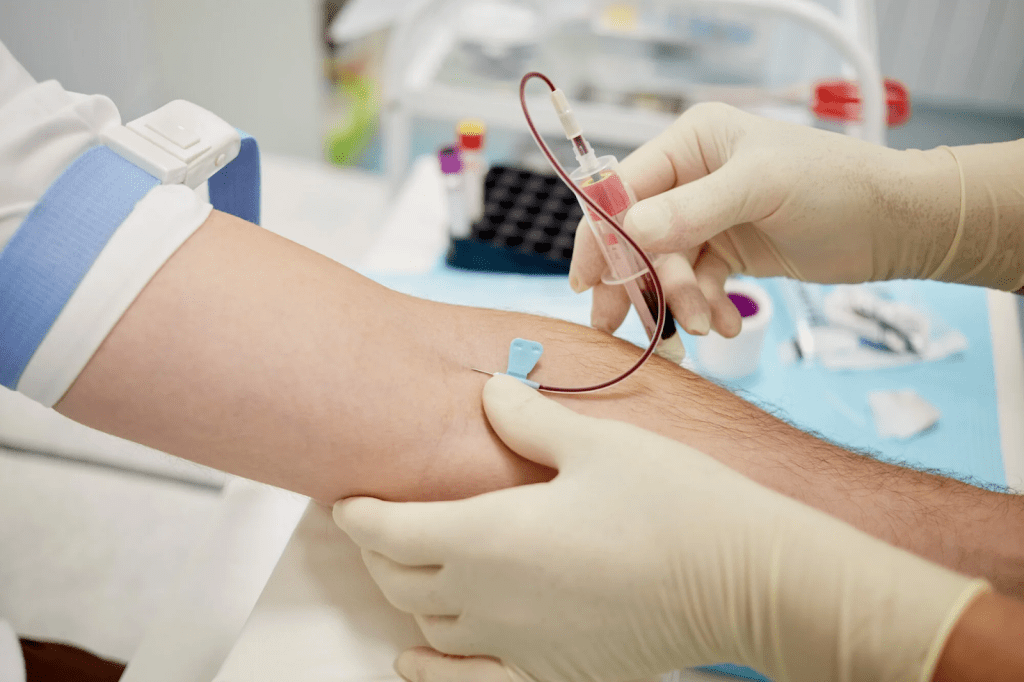
Blood tests are very important for diagnosing iron deficiency anemia. They include:
- Complete Blood Count (CBC): Checks hemoglobin and hematocrit levels.
- Iron Level Test: Directly measures blood iron.
- FerritinTest: Shows how much iron is stored in the body.
These tests help doctors see how bad the iron deficiency is and if treatment is working.
Additional Diagnostic Procedures
Sometimes, more tests are needed to find the underlying cause of iron deficiency anemia. These can include:
- Endoscopy: Looks for bleeding in the stomach or intestines.
- Colendoscopy: Checks the whole colon for bleeding.
These tests help find the main reason for the iron deficiency. This way, doctors can treat it more effectively.
Understanding Normal Iron Levels
Knowing what normal iron levels are is key to spotting and treating iron deficiency anemia. Iron is essential for making hemoglobin. This protein in red blood cells carries oxygen around the body.
Normal Hemoglobin Ranges for Adults
Hemoglobin levels show how much iron you have. For adults, the normal range is different for men and women. This is because of their body differences.
| Gender | Normal Hemoglobin Range (g/dL) |
| Men | 13.8-17.2 |
| Women | 12.1-15.1 |
Normal Ferritin Levels
Ferritin stores iron, and its levels show how much iron you have. For men, normal ferritin ranges from 20-250 ng/mL. For women, it’s 10-120 ng/mL. But, these can change a bit between labs.
Iron Level Differences Between Men and Women
Men and women have different iron levels because of menstrual blood loss in women and body size. Women tend to have less iron than men. This makes them more likely to get iron deficiency anemia.
| Normal Ferritin Range (ng/mL) | |
| Men | 20-250 |
| Women | 10-120 |
It’s important to know these differences to diagnose and treat iron deficiency anemia right. Doctors look at many factors when they check your iron levels.
Deficiency Anemia Treatment: Medical Approaches
Managing iron deficiency anemia involves several treatments. The main goal is to increase iron levels and improve hemoglobin. This helps reduce symptoms.
Oral Iron Supplements
Oral iron supplements are often the first treatment. They come in different forms like ferrous sulfate and ferrous gluconate. It’s important to pick the right type and dosage to avoid side effects. These supplements help increase iron levels, supporting hemoglobin production.
Intravenous Iron Therapy
Intravenous iron therapy is for those who can’t take oral supplements or have severe deficiency. It injects iron directly into the blood. This method is fast and useful for those with chronic diseases or after bariatric surgery.
Blood Transfusions
Blood transfusions are needed for severe anemia with symptoms like fatigue and shortness of breath. They quickly raise red blood cell counts. But, this is usually for the most severe cases.
Addressing Underlying Causes
Effective treatment also means finding and fixing the cause. This could be menstrual blood loss, bleeding in the gut, or not enough iron in the diet. A doctor might suggest diet changes, medications, or other treatments based on your situation.
How to Take Iron Supplements Correctly
Properly taking iron supplements is important. It helps your body absorb iron better and reduces side effects. This way, iron supplements can effectively treat iron deficiency anemia.
Timing for Maximum Absorption
To get the most out of iron supplements, take them on an empty stomach. Do this 1 hour before or 2 hours after eating. But, if you get stomach problems, try taking them with a little food.
Vitamin C boosts iron absorption. So, eating foods or drinking drinks high in vitamin C, like orange juice, with your iron supplements is good.
Foods and Medications That Affect Absorption
Some foods and medicines can block iron absorption. For example, calcium-rich foods and tea or coffee can lower iron absorption. It’s best to avoid these around the time you take iron supplements.
- Avoid dairy products for at least 2 hours before or after taking iron supplements.
- Limit tea and coffee consumption around the time of taking supplements.
- Some medications, such as antacids, can also interfere with iron absorption.
Managing Side Effects
Iron supplements can cause stomach problems like constipation, nausea, and stomach cramps. Here are ways to handle these side effects:
- Start with a lower dose and gradually increase it.
- Take iron supplements with food if they cause stomach upset.
- Stay hydrated and maintain a diet rich in fiber to help prevent constipation.
If side effects don’t go away, talk to your healthcare provider. They can suggest other options or adjust your supplement plan.
Comparing Iron Supplement Options
Knowing the differences between iron supplements is key to treating iron deficiency anemia. There are many products, each with its own benefits and drawbacks.
Ferrous vs. Ferric Iron Formulations
Iron supplements come in ferrous and ferric forms. Ferrous iron, like ferrous sulfate, is better absorbed. But, ferric iron, like ferric citrate, might cause fewer stomach problems.
Slow-Release vs. Regular Formulations
Slow-release iron helps avoid stomach issues. But, it might not be as well absorbed. Regular iron is absorbed faster but can cause stomach problems.
Liquid vs. Tablet Forms
Liquid iron is great for those who can’t swallow pills. It’s also good for kids. But, it can stain teeth. Pills and capsules are common and come in different strengths.
Prescription vs. Over-the-Counter Options
Some iron supplements need a doctor’s prescription. This is for severe cases or when iron is given through a vein. OTC options are easier to get and work for mild cases. Prescription iron might have higher doses or special formulas.
Choosing the right iron supplement depends on your body’s needs and how well you can tolerate it. It’s important to find one that works well and doesn’t cause too many side effects.
Dietary Approaches to Treating Iron Deficiency
A well-planned diet is key in managing iron deficiency anemia. Adding specific foods to your diet can greatly improve iron levels and health.
Iron-R coordinat Rich Foods
It’s important to eat foods rich in iron if you have iron deficiency anemia. These foods are divided into two groups: heme iron sources and non-heme iron sources.
- Heme Iron Sources: Red meat, poultry, fish, and seafood are high in heme iron. This type of iron is absorbed better by the body.
- Non-Heme Iron Sources: Legumes, lentils, spinach, and fortified cereals are non-heme iron sources. While not as easily absorbed as heme iron, eating them with vitamin C can help.
Foods That Enhance Iron Absorption
Some foods can help your body use iron better. This is true for both heme and non-heme iron sources.
| Food | Enhancement Mechanism |
| Vitamin C-rich foods (citrus fruits, bell peppers) | Vitamin C greatly improves non-heme iron absorption. |
| Meat, poultry, and fish | Protein in these foods can help absorb non-heme iron better when eaten together. |
“Eating foods high in vitamin C (like citrus fruits or bell peppers) with heme iron sources can really boost iron absorption.”
Foods That Inhibit Iron Absorption
Some foods can actually block iron absorption. Knowing which ones can help those with iron deficiency anemia make better food choices.
- Caffe Products: Tea and coffee have polyphenols that can lower iron absorption.
- Calcium-rich Foods: While good for bones, too much calcium can reduce iron absorption.
- Foods High in Phytates: Phytates in whole grains and legumes can bind to iron, making it harder to absorb.
Knowing which foods to eat and avoid can help manage iron deficiency anemia through diet.
Creating an Iron-Boosting Meal Plan
Making an iron-boosting meal plan is easy and tasty with the right tips. You can plan meals that are full of iron and help your body absorb it better. This guide will help you make a meal plan that boosts your iron intake. You’ll get ideas for breakfast, lunch, dinner, and snacks that are packed with iron or help your body use it better.
Breakfast Options
Start your day with an iron-rich breakfast to boost your iron levels. Try adding iron-rich foods like fortified cereals to your morning meal. Adding foods high in vitamin C, like oranges or orange juice, can also help your body absorb iron better.
- Iron-fortified oatmeal with sliced banana and honey
- Scrambled eggs with spinach and whole wheat toast
- Greek yogurt with iron-rich nuts like pumpkin seeds
Lunch and Dinner Ideas
For lunch and dinner, choose main courses and sides that are high in iron. Red meat, poultry, and fish are great sources of iron. You can also try plant-based options like lentils, chickpeas, and dark leafy greens.
| Meal Type | Iron-Rich Idea |
| Lunch | Grilled chicken salad with spinach, chickpeas, and a citrus vinaigrette |
| Dinner | Beef stew with lentils and dark leafy greens |
| Lunch | Lentil soup with a side of iron-fortified bread |
| Dinner | Grilled salmon with roasted vegetables and quinoa |
Snacks and Desserts
Snacks and desserts can also help increase your iron intake. Opt for snacks like dried fruits and nuts that are high in iron. Dark chocolate, eaten in moderation, is also a good source of iron.
- Dried apricots and prunes
- Trail mix with iron-rich nuts like cashews and almonds
- Dark chocolate squares
By adding these iron-rich foods to your meals, you can fight iron deficiency anemia. Don’t forget to eat foods high in vitamin C too. They help your body absorb iron better.
Complementary Nutrients for Treating Anemia
For people with anemia, taking iron is just the start. It’s also important to get other nutrients. These help make healthy red blood cells and boost overall health.
Vitamin C and Iron Absorption
Vitamin C boosts iron absorption from plant-based foods. Eating foods high in vitamin C, like citrus fruits and bell peppers, with iron-rich foods helps. For example, orange juice with a meal can increase iron absorption.
Vitamin B12 and Folate
Vitamin B12 and folate are key for making red blood cells. Not having enough of these can cause anemia. Eating foods like leafy greens and animal products is important for those with anemia.
Other Supportive Nutrients
Copper and vitamin A also help with anemia. Copper aids in making red blood cells, and vitamin A helps iron work right. Getting enough of these through food or supplements is good for health.
| Nutrient | Role in Anemia Treatment | Food Sources |
| Vitamin C | Enhances iron absorption | Citrus fruits, strawberries, bell peppers |
| Vitamin B12 | Critical for red blood cell production | Animal products, fortified cereals |
| Folate | Essential for red blood cell production | Leafy greens, legumes, fortified cereals |
| Copper | Supports red blood cell production | Nuts, shellfish, legumes |
Multivitamin Considerations
A multivitamin can help if you have anemia. But, pick one with iron and other nutrients carefully. Don’t take too much. Always talk to a doctor before starting supplements.
Timeline for Recovery from Iron Deficiency Anemia
The journey to overcome iron deficiency anemia takes time. It depends on how severe the condition is and how well the treatment works. Knowing this timeline helps manage expectations and adjust treatment plans as needed.
Short-term Improvements
In the first few weeks of treatment, some symptoms start to get better. Energy levels often increase within 2-3 weeks as the body starts to get more iron. It’s important to keep following the treatment plan to make sure iron levels get back to normal.
Long-term Recovery Expectations
It can take several months to fully recover from iron deficiency anemia. It usually takes 6 months to a year or more to fully replenish iron stores. Sticking to the treatment plan and making lifestyle changes are key to long-term recovery.
Monitoring Progress
Regular checks are important to see if treatment is working and to make any needed changes. This includes:
- Regular blood tests to check iron levels and hemoglobin
- Monitoring for improvements in symptoms such as fatigue, weakness, and shortness of breath
- Adjusting iron supplementation or dietary plans as needed based on test results and symptom relief
When to Expect Symptom Relief
Symptoms can improve at different rates for different people. Generally, cognitive symptoms and fatigue start to improve within the first month of treatment. Physical symptoms like pale skin and hair loss may take longer. It’s important to be patient and work closely with healthcare providers to manage symptoms effectively.
By understanding the recovery timeline and working closely with healthcare providers, individuals can effectively manage iron deficiency anemia and achieve full recovery.
Special Considerations for Different Populations
Healthcare providers must tailor iron deficiency anemia treatment for various patient groups. What works for one might not work for another. This is due to different health needs, nutritional requirements, and body conditions.
Pregnant Women
Pregnant women need more iron because of the growing fetus and increased blood volume. Iron deficiency anemia can cause preterm labor and low birth weight. So, pregnant women often need stronger iron supplements.
Children and Adolescents
Iron deficiency anemia can slow growth in kids and teens. Treatment must fit the child’s age, weight, and health. It’s also important to teach them about getting enough iron through food.
Elderly Patients
Older adults often face more health challenges when treating iron deficiency anemia. Choosing the right iron supplement and dosage is key to avoid bad reactions with other medicines.
Athletes
Athletes, mainly those in endurance sports, risk iron deficiency more. This is because of faster red blood cell loss. Their treatment should include diet changes and possibly supplements to meet their iron needs.
The following table summarizes key considerations for these populations:
| Population | Special Considerations | Recommended Approach |
| Pregnant Women | Higher iron demand, risk of preterm labor | Intensive iron supplementation, close monitoring |
| Children and Adolescents | Impact on growth and development | Dietary counseling, age-appropriate supplementation |
| Elderly Patients | Comorbidities, possible drug interactions | Careful iron supplement choice, watch for side effects |
| Athletes | Increased iron loss, higher demand | Dietary adjustments, targeted supplementation |
Managing Iron Deficiency with Chronic Conditions
Chronic conditions make managing iron deficiency anemia harder. Diseases like inflammatory bowel disease, celiac disease, chronic kidney disease, and heavy menstrual bleeding affect iron levels. They also make treatment less effective.
Inflammatory Bowel Disease
Inflammatory bowel disease (IBD) can cause iron deficiency anemia. This is due to chronic inflammation and bleeding in the gut. It’s important to manage IBD to treat anemia.
Treatment Considerations:
- Iron supplements might be needed, but they can worsen IBD symptoms.
- Instead, intravenous iron therapy is often recommended for those with active IBD.
Celiac Disease
Celiac disease is an autoimmune disorder that reacts to gluten. It can lead to iron deficiency anemia by reducing iron absorption in the small intestine.
Management Strategies:
- Following a strict gluten-free diet is key to managing celiac disease and improving iron absorption.
- Iron supplements may be necessary until the intestinal lining heals.
Chronic Kidney Disease
Chronic kidney disease (CKD) often causes anemia. This is due to less erythropoietin production and poor iron use. Treating CKD-related anemia involves addressing these issues.
Treatment Approaches:
- Erythropoiesis-stimulating agents (ESAs) help stimulate red blood cell production.
- Iron supplementation, often through intravenous administration, is also critical.
Heavy Menstrual Bleeding
Heavy menstrual bleeding is a common cause of iron deficiency anemia in women. Treatment aims to reduce menstrual blood loss and replenish iron stores.
Management Options:
| Treatment | Description | Benefits |
| Hormonal therapies | Medications to regulate menstrual cycles | Reduces menstrual bleeding |
| Tranexamic acid | Medication to reduce bleeding | Effective in reducing menstrual blood loss |
| Iron supplements | Oral or intravenous iron | Replenishes iron stores |
Managing iron deficiency anemia with chronic conditions requires a detailed approach. It involves treating both the anemia and the underlying condition. Healthcare providers can develop effective treatment plans by understanding the relationship between these conditions and anemia.
When to Consult Healthcare Providers
Knowing when to see a doctor is key for treating anemia well. It’s important to understand your condition and watch out for complications during treatment.
Warning Signs During Treatment
While getting treatment for anemia, watch out for warning signs. Look for severe fatigue, shortness of breath, and serious side effects from iron supplements. If you see these, talk to your doctor right away.
Follow-up Testing Recommendations
It’s important to have regular tests to check how treatment is going. Your doctor might suggest periodic blood tests to see if your iron and hemoglobin levels are improving. These tests help figure out if your treatment is working.
Questions to Ask Your Doctor
Having questions ready for your doctor can help you understand your treatment better. Ask about how long treatment will last, possible side effects of medications, and lifestyle changes that can help you recover.
Working with Specialists
Sometimes, you might need to see specialists like gastroenterologists or hematologists. Your primary doctor can refer you to them if needed. Working with a team of doctors ensures you get the best care and helps find the root cause of your anemia.
Preventing Iron Deficiency Anemia Recurrence
To stop iron deficiency anemia from coming back, a good plan is needed. This plan should include diet, lifestyle, and regular health checks. It helps keep iron levels healthy over time.
Dietary Strategies
Eating the right foods is key to avoiding iron deficiency anemia. Foods rich in iron like red meat, poultry, fish, beans, lentils, and fortified cereals are important. Also, eating foods high in vitamin C helps iron absorption. So, foods like citrus fruits, bell peppers, and tomatoes are good choices.
But, some foods can block iron absorption. For example, calcium can do this. So, it’s best to eat foods and supplements high in calcium away from iron-rich foods.
Lifestyle Modifications
Changing your lifestyle can also help prevent iron deficiency anemia. For those with heavy menstrual bleeding, treatments can help. Also, fixing any gut problems that might cause blood loss or poor iron absorption is important.
A healthcare expert says, “Making lifestyle changes, like diet and managing health issues, is key to keeping iron levels healthy.”
“The most effective way to prevent iron deficiency anemia is through a combination of dietary changes and addressing any underlying health issues.”
Regular Monitoring
Regular health checks and blood tests are vital. They help keep an eye on iron levels and catch any problems early. Healthcare providers can give advice tailored to your needs.
- Schedule regular blood tests to check iron levels.
- Monitor for symptoms of anemia recurrence.
- Adjust diet and supplements as necessary based on healthcare provider recommendations.
Maintenance Supplementation
For some, taking supplements is needed to keep iron levels up. This is true for those at risk, like pregnant women or those with chronic blood loss.
Oral iron supplements can help. But, it’s important to follow a healthcare provider’s advice to avoid too much iron, which can be harmful.
Conclusion
Treating iron deficiency anemia needs a mix of medical care, diet changes, and lifestyle shifts. Understanding anemia, its signs, and treatment options is key. This includes iron supplements and diet changes.
Using iron pills, IV iron, or blood transfusions with diet changes helps manage anemia. Adding iron-rich and vitamin C-rich foods to your diet boosts iron levels.
A good diet plan and medical care can ease symptoms and stop them from coming back. Keeping an eye on iron levels and taking supplements as needed is important. These steps help fight iron deficiency anemia and boost health.
FAQ
What is iron deficiency anemia?
Iron deficiency anemia is when your body lacks enough iron. This is needed to make hemoglobin, a protein in red blood cells. Hemoglobin carries oxygen to your body’s parts.
What are the symptoms of iron deficiency anemia?
Symptoms include feeling very tired, weak, and pale. You might also have shortness of breath, dizziness, and headaches. In severe cases, it can lead to serious health problems.
How is iron deficiency anemia diagnosed?
Doctors use a physical exam, medical history, and blood tests. These tests check your hemoglobin and ferritin levels. Ferritin shows how much iron your body has.
What are normal hemoglobin and ferritin levels?
For adults, normal hemoglobin levels are 13.5 to 17.5 g/dL for men and 12 to 16 g/dL for women. Ferritin levels should be between 20 to 250 ng/mL for men and 10 to 120 ng/mL for women. These numbers can vary by lab.
How can I treat iron deficiency anemia?
Treatment includes iron supplements and changing your diet to eat more iron. You also need to fix any issues that cause iron loss, like heavy periods or gut problems.
What are the best iron supplements for anemia?
The best iron supplement depends on what works for you. Ferrous sulfate is common, but some people prefer ferrous gluconate or ferric citrate.
How do I take iron supplements correctly?
Take iron supplements on an empty stomach. If they upset your stomach, take them with a little food. Vitamin C helps iron absorption, but tea, coffee, and calcium can block it.
What foods are rich in iron?
Foods high in iron include red meat, poultry, fish, beans, lentils, tofu, spinach, and fortified cereals. Eating foods high in vitamin C, like citrus fruits, with iron-rich foods boosts absorption.
Can dietary changes alone treat iron deficiency anemia?
Dietary changes are important, but they might not be enough for severe cases. Supplements are often needed to replace lost iron.
How long does it take to recover from iron deficiency anemia?
Recovery time varies based on the severity and treatment. It can take months to a year or more to fully replenish iron stores.
Can iron deficiency anemia be prevented?
Yes, you can prevent it by eating a diet rich in iron and managing menstrual blood loss. Also, manage conditions that can lead to iron deficiency.
Are there any complications associated with untreated iron deficiency anemia?
Yes, untreated anemia can cause problems like poor brain function, increased infection risk, and heart issues in severe cases.
How often should I have my iron levels checked?
Check iron levels based on your risk factors and health conditions. Regular check-ups with your doctor will help decide how often.
Can athletes be more prone to iron deficiency anemia?
Yes, athletes, and those in endurance sports, are at higher risk. They lose more iron through sweat and might not get enough from their diet.
Is iron deficiency anemia common during pregnancy?
Yes, it’s common in pregnancy due to increased iron needs. Doctors often screen for it and may recommend supplements.
Reference
- Tolkien, Z., Stecher, L., Mander, A. P., Pereira, D. I., & Powell, J. J. (2015). Ferrous sulfate supplementation causes significant gastrointestinal side-effects in adults: A systematic review and meta-analysis. PLOS ONE, 10(2), e0117383. https://pubmed.ncbi.nlm.nih.gov/25658198/



 Departments
 Related Videos
 Our Doctors
 News
News