Being underweight can lead to a serious health issue: anemia. This condition, caused by a lack of key nutrients, affects millions globally. Proper nutrition is key in stopping and treating anemia.
Managing iron deficiency needs a detailed plan. Our guide covers all important aspects of deficiency anemia treatment. It helps readers understand how to handle and beat this condition. If symptoms don’t go away, getting medical help is essential.
Key Takeaways
- Anemia is a complication of being underweight, indicating a lack of essential nutrients.
- Proper nutrition plays a critical role in preventing and managing anemia.
- A detailed approach is needed for effective anemia treatment.
- Knowing the causes and symptoms is vital for timely medical action.
- Seeking medical attention is key if symptoms don’t improve.
Understanding Anemia: Definition and Types
Anemia is a condition where there are fewer red blood cells or less hemoglobin in the blood. This makes it hard for tissues and organs to get enough oxygen. It can cause many health problems.
We will look into what anemia is and its types. We will focus on iron deficiency anemia, the most common type.
What Is Anemia?
Anemia is not a disease but a sign of another problem. It happens when the body lacks red blood cells or has cells without enough hemoglobin. The anemic definition includes conditions where there’s not enough healthy red blood cells or hemoglobin.
Common Types of Anemia
There are many types of anemia, each with its own cause and treatment. The most common types are:
| Type of Anemia | Cause | Characteristics |
| Iron Deficiency Anemia | Lack of iron | Low hemoglobin, fatigue, weakness |
| Vitamin Deficiency Anemia | Lack of vitamins like B12 | Fatigue, weakness, neurological changes |
| Anemia of Chronic Disease | Chronic diseases like cancer or HIV/AIDS | Varies, often related to chronic inflammation |
Knowing the types of anemia is key to managing and treating it. Iron deficiency anemia is the most common. It often comes from not getting enough iron, chronic bleeding, or needing more iron.
Recognizing Iron Deficiency Anemia Symptoms
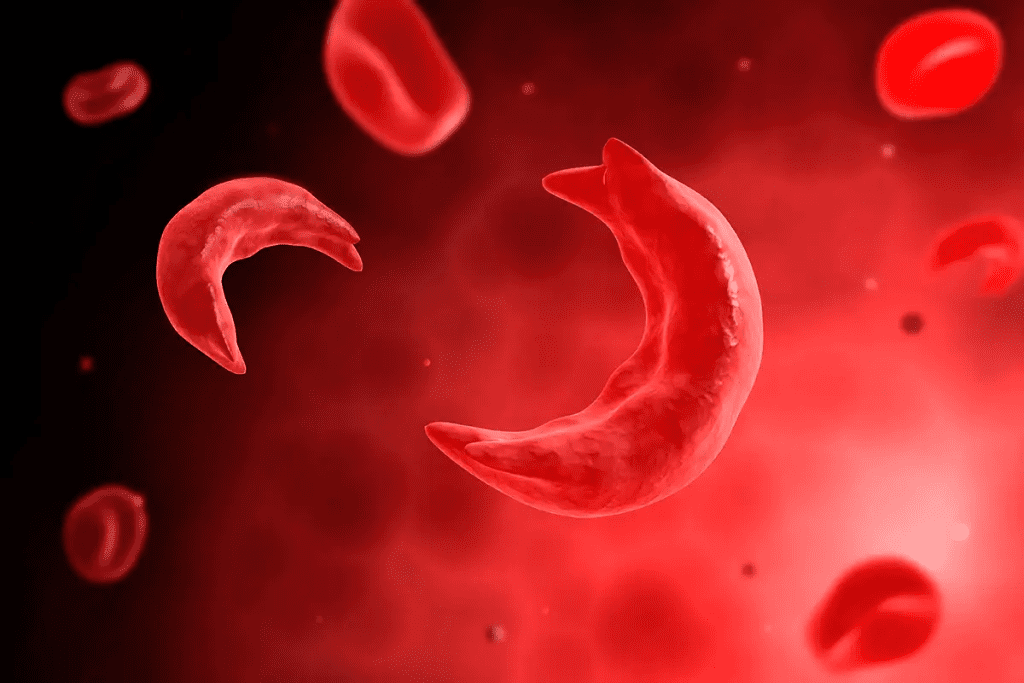
Iron deficiency anemia symptoms can be hard to spot at first. But catching them early is key to getting better. We’ll go over the common signs of iron deficiency anemia. This will help you see if you might be at risk.
Early Warning Signs
The first signs of iron deficiency anemia are subtle. They include:
- Persistent fatigue and weakness
- Pale skin due to reduced hemoglobin
- Shortness of breath even when performing simple tasks
- Dizziness or lightheadedness
- Headaches
These symptoms happen because your body doesn’t make enough hemoglobin. Hemoglobin is a protein in red blood cells that carries oxygen. As iron deficiency gets worse, these symptoms get stronger.
Advanced Symptoms
If iron deficiency anemia isn’t treated, it can get worse. Then, you might see:
- Cold hands and feet due to poor circulation
- Brittle nails or hair loss
- Restless leg syndrome
- Pica, a condition characterized by cravings for non-food items like ice or dirt
Seeing a doctor is important if you have many of these symptoms. Early treatment can greatly improve your life and stop serious problems.
Knowing the iron deficiency symptoms and anemia symptoms helps you stay healthy. If you’re diagnosed with iron deficiency anemia, there are treatments to help manage it.
Normal Hemoglobin Levels: What You Should Know
Knowing about normal hemoglobin levels is key to spotting and treating anemia. Hemoglobin is a protein in red blood cells that carries oxygen. If levels are off, it can mean health problems, like anemia.
Normal hemoglobin levels change with age, sex, and other factors. Women and men have different ranges because of their body differences.
Hemoglobin Normal Range for Women
Adult women usually have hemoglobin levels between 12 to 16 grams per deciliter (g/dL). This can vary a bit between labs but stays close. If a woman’s level is lower, it might mean she has iron deficiency anemia.
Hemoglobin Normal Range for Men and Children
Men’s normal hemoglobin levels are a bit higher, from 13.5 to 17.5 g/dL. Kids’ levels change a lot with age. For example, newborns have more hemoglobin that goes down as they get older. It’s important to look at age-specific ranges for kids.
Remember, these are general guidelines. What’s normal can vary a bit by lab. Things like altitude, smoking, and health conditions can also affect what’s normal for you.
Knowing your hemoglobin level is a big step in finding and treating anemia. If your levels are not in the normal range, your doctor can figure out why and suggest treatment.
Understanding Iron Levels in the Body
Keeping iron levels healthy is key for feeling good, mainly for those at risk of iron deficiency anemia. Iron is essential for making hemoglobin, a protein in red blood cells. It carries oxygen from the lungs to the body’s tissues and organs. Without enough iron, the body can’t get the oxygen it needs to work right.
Normal Iron Levels for Women
Women usually have iron levels between 60 to 170 micrograms per deciliter (mcg/dL). But, these numbers can change based on age, menstrual status, and health. Women of childbearing age often lose more iron due to menstruation. Pregnant women need more iron, so their levels should be checked by a doctor.
It’s vital for women to keep their iron levels up to avoid iron deficiency anemia. This condition can cause tiredness, weakness, and a weak immune system. Blood tests can show if iron levels are okay.
Normal Iron Levels for Men
Men usually have more iron than women, with levels between 80 to 180 mcg/dL. They are less likely to have iron deficiency anemia unless they have a health problem or are losing blood.
It’s important for men to keep their iron levels normal. This helps make healthy red blood cells and prevents iron deficiency problems.
Knowing and keeping iron levels in check is important for both men and women. Regular health checks and blood tests can spot any issues early. By knowing the normal iron levels and taking steps to keep them, people can lower their risk of iron deficiency anemia and other health problems.
Diagnosing Anemia: Tests and Procedures
Anemia diagnosis involves several steps and tests to find out the type and how severe it is. Getting the right diagnosis is key to treating it well.
We use blood tests and medical checks to find anemia. The first step is usually a Complete Blood Count (CBC). This test looks at different parts of the blood, like red blood cells and hemoglobin levels.
Complete Blood Count (CBC)
A CBC is a basic test for anemia. It shows what’s in the blood, helping doctors spot problems. The test checks:
- Red Blood Cell Count (RBC): The number of red blood cells in the blood.
- Hemoglobin (Hb): The protein in red blood cells that carries oxygen.
- Hematocrit (Hct): The proportion of red blood cells in the blood.
If these numbers are off, it might mean you have anemia. This leads to more tests.
| Measurement | Normal Range | Indications of Anemia |
| Hemoglobin (g/dL) | 13.8-17.2 (Men), 12.1-15.1 (Women) | Below normal range |
| Hematocrit (%) | 40.7-50.3 (Men), 36.1-44.3 (Women) | Below normal range |
Ferritin Level Testing
Ferritin testing is also very important. Ferritin stores iron, and low levels often mean iron deficiency anemia. This test shows if the anemia is due to iron lack.
“Ferritin testing is essential for diagnosing iron deficiency anemia, as it reflects the body’s iron stores.” – Medical Professional
Additional Diagnostic Tests
Other tests might be needed to find why you have anemia. These include:
- Vitamin B12 and Folate Level Tests: To find deficiencies that cause anemia.
- Reticulocyte Count: To see if the bone marrow is making new red blood cells.
- Bone Marrow Biopsy: Sometimes, to look at the bone marrow for problems.
These tests help us figure out why you have anemia. They help us plan the best treatment for you.
How to Take Iron Pills Correctly for Maximum Absorption
To get the most out of iron supplements, knowing how to take them is key. Iron pills are a common treatment for iron deficiency anemia. But, how well they work depends on when you take them and what you eat.
Timing Your Supplements
The time you take iron pills matters a lot. It’s best to take them on an empty stomach, an hour before or two hours after eating. But, if they upset your stomach, you can take them with a little food.
Also, some medicines and foods can block iron absorption. For example, calcium supplements and antacids can lower iron absorption. So, it’s good to take them at different times.
| Timing | Recommendation |
| Before Meals | Take iron pills 1 hour before meals for better absorption. |
| With Meals | If you experience stomach upset, take with a small amount of food. |
| Spacing with Other Supplements | Avoid taking iron with calcium supplements or antacids. |
Foods to Avoid When Taking Iron
Some foods can make it harder for your body to absorb iron. Stay away from foods high in calcium, tea, coffee, and foods with phytates (like whole grains and legumes). They can lower iron absorption.
But, vitamin C can help iron absorption. Eating foods high in vitamin C (like citrus fruits, bell peppers, and tomatoes) with iron-rich foods or supplements is good.
By knowing how to take iron pills right and watching what you eat, you can make your supplements work better. This can help improve your treatment results.
Best Iron Supplements for Anemia: Comparing Options
Choosing the right iron supplement for anemia means knowing the differences between types. There are many options, so it’s key to compare each one carefully.
Slow-Release vs. Regular Iron Supplements
Iron supplements have different release types, like slow-release and regular. Slow-release iron supplements release iron slowly, which might help avoid stomach problems. Regular iron supplements release iron fast, leading to higher iron levels but also more stomach issues.
When picking between slow-release and regular, think about your stomach and how bad your anemia is. Some people find slow-release easier on their stomach, but it might not work as well for everyone.
Liquid vs. Pill Forms
Iron supplements come in liquid and pill forms. Liquid iron supplements are good for those who can’t swallow pills or have stomach problems. They’re easy on the stomach and absorbed quickly.
Iron pills are the most common type. They’re easy to take over time and can be cheaper than liquids. But, they might upset your stomach more.
| Formulation Type | Advantages | Disadvantages |
| Slow-Release Iron | Reduced gastrointestinal side effects, convenient dosing | Potential for reduced absorption, higher cost |
| Regular Iron | Higher peak iron levels, generally less expensive | Increased risk of gastrointestinal side effects |
| Liquid Iron | Gentle on the stomach, quick absorption | May be more expensive, less convenient for travel |
| Pill Form Iron | Convenient for long-term use, generally less expensive | May cause gastrointestinal side effects, difficulty swallowing |
Finding the best iron supplement for anemia means finding one that works well and is easy to take. Always talk to a doctor to find the right one for you.
How to Treat Anemia Fast: Rapid Improvement Strategies
To treat anemia quickly, a complete treatment plan is key. This plan should include medical and dietary changes. By using both, people can speed up their recovery from anemia.
Combination Therapies
Combination therapies use many treatment methods at once to fight anemia better. This might mean taking iron supplements with vitamin C to help absorb iron.
Nutritional synergy is important in these therapies. For example, eating foods high in vitamin C (like citrus fruits or bell peppers) with iron-rich foods boosts iron absorption a lot.
“The combination of iron supplements and dietary adjustments can lead to a more rapid improvement in anemia symptoms.” -Medical Expert
Dietary Acceleration Techniques
Dietary acceleration focuses on better diet habits to help treat anemia. This means eating iron-rich foods, avoiding things that block iron absorption, and improving nutrition overall.
- Eat iron-rich foods like red meat, spinach, and fortified cereals.
- Don’t drink tea or coffee with meals, as they block iron absorption.
- Eat vitamin C-rich foods with iron-rich foods to improve absorption.
By using these dietary tips and the right medical treatment, people can speed up their anemia recovery.
Managing Side Effects of Iron Supplements
Managing side effects is key when taking iron supplements for anemia. These supplements are vital for iron deficiency but can sometimes cause discomfort. We will look at common side effects and how to lessen them.
Common Side Effects
Iron supplements can lead to issues like constipation, diarrhea, and stomach cramps. Some people might feel nauseous or vomit. These side effects can vary and affect daily life. Knowing about them helps manage them better.
Strategies to Reduce Side Effects
To lessen iron supplement side effects, several strategies work. Adjusting when you take your iron supplement can help. Taking it with food or before bed may reduce stomach issues. Also, increasing fiber intake can help with constipation.
Starting with a lower dose and gradually increasing it can also help. This allows your body to adjust. Drinking plenty of water is also beneficial.
- Take iron supplements with food to reduce stomach upset.
- Consider a slow-release formulation to minimize gastrointestinal side effects.
- Increase your intake of fiber-rich foods to help with constipation.
- Drink plenty of water to stay hydrated.
By using these strategies, you can manage iron supplement side effects. This makes treatment more comfortable.
How Long Does It Take for Iron Supplements to Work?
Knowing how long iron supplements take to work is key. The time it takes can vary. This depends on the iron deficiency’s severity, the supplement type, and how well you respond to it.
Timeline for Symptom Improvement
Most people start seeing symptom improvements in a few weeks after starting iron supplements. The first sign is often an increase in young red blood cells, seen in 2-3 weeks. But, it usually takes about 6-8 weeks for hemoglobin levels to really go up.
It’s important to keep taking the supplements even if you feel better before the expected time. This ensures your iron levels are fully replenished. It can take several months to see the full benefits of iron supplements.
Monitoring Progress
Keeping an eye on how you’re doing is vital when taking iron supplements. Regular blood tests are needed to see if the treatment is working. Doctors usually check your hemoglobin and iron levels at follow-up visits and adjust the treatment as needed.
It’s also important to track your symptoms and share any changes with your doctor. This teamwork helps tailor the treatment to fit your needs best. It ensures you get the best results.
Dietary Approaches to Treat Iron Deficiency Anemia
Iron deficiency anemia can be managed with the right diet. Eating certain foods can help reduce symptoms and boost health.
Iron-Rich Foods
Eating foods high in iron is key to treating anemia. Red meat, poultry, and fish are great sources. Also, legumes like lentils, chickpeas, and black beans are full of iron and easy to add to meals.
Fortified cereals and dark leafy greens like spinach and kale are also good. It’s important to mix up your diet to get enough iron from various sources.
Foods That Enhance Iron Absorption
It’s not just about eating iron-rich foods. Foods that boost iron absorption are also important. Vitamin C-rich foods like citrus fruits, bell peppers, and tomatoes help iron absorption when eaten with iron-rich foods.
But, some foods can block iron absorption. Caffeine and tea are examples. It’s best to drink less of them, mainly around meal times.
Making smart food choices can help those with anemia recover faster and feel better overall.
Treating Other Types of Deficiency Anemia
Iron deficiency anemia is the most common, but other types like vitamin B12 and folate deficiency anemia need different treatments. Knowing these differences is key to managing them well.
Vitamin B12 Deficiency Anemia Treatment
Vitamin B12 deficiency anemia is treated with vitamin B12 supplements. These can be taken by mouth or injected, based on the severity and how well the body absorbs it.
The treatment starts with high doses and then moves to maintenance. It’s important to keep an eye on vitamin B12 levels to adjust the treatment as needed.
Folate Deficiency Anemia Treatment
Folate deficiency anemia is treated with folate supplements, usually folic acid. The amount and how long you take it depends on why you’re deficient and how severe it is.
Along with supplements, eating more foods rich in folate is advised. It’s also important to fix any underlying issues that might be causing the deficiency.
Looking at how vitamin B12 and folate deficiency anemia are treated shows why getting the right diagnosis is so important. Here’s a quick comparison:
| Deficiency Type | Common Treatment | Administration Route |
| Vitamin B12 | Vitamin B12 supplements | Oral or Injection |
| Folate | Folic acid supplements | Oral |
In summary, treating different types of deficiency anemia needs a personalized plan. Understanding the unique needs of vitamin B12 and folate deficiency anemia helps doctors provide better care.
Conclusion: Living Well While Managing Anemia
Managing anemia well is key to a better life. Knowing about the condition, its signs, and how to treat it helps a lot. We’ve looked at ways to fight iron deficiency anemia, like changing what we eat, taking iron pills, and other treatments. Dealing with anemia means more than just treatment. It’s about watching your health closely, sticking to your treatment plan, and making lifestyle changes. By making smart choices and teaming up with doctors, people can lessen anemia’s effects on their day-to-day life. Handling anemia is a long-term effort that needs patience and the right support. With the right plans and help, people can stay active and healthy even with anemia. Our aim is to give readers the tools and confidence to manage their anemia well, improving their health and happiness.
FAQ
What is anemia and how is it diagnosed?
Anemia is when you have too few red blood cells or not enough hemoglobin. Doctors use tests like a complete blood count (CBC) and ferritin level tests to find it.
What are the symptoms of iron deficiency anemia?
Signs include feeling very tired, weak, and pale. You might also get short of breath or dizzy. In severe cases, you could have chest pain or trouble thinking clearly.
What are normal hemoglobin levels for women, men, and children?
Hemoglobin levels change with age and sex. Women usually have 12-16 g/dL, men 13.5-17.5 g/dL. Kids’ levels depend on their age.
How do I take iron supplements correctly?
Take iron supplements when your stomach is empty. Avoid dairy and tea, as they can block iron absorption. Vitamin C can help your body absorb iron better.
What are the different types of iron supplements available?
There are many iron supplements, like slow-release and regular types. You can find them in liquid or pill form. Each has its own benefits and drawbacks.
How long does it take for iron supplements to work?
It might take weeks to months for iron supplements to start working. It’s important to check your progress with regular blood tests.
What are the common side effects of iron supplements?
Side effects often include constipation, nausea, and stomach pain. To lessen these, try taking your supplements with food or switching to a different type.
How can I manage iron deficiency anemia through diet?
Eat foods high in iron like red meat, spinach, and fortified cereals. Also, add foods rich in vitamin C to help your body absorb iron better.
What are the treatment options for other types of deficiency anemia?
For vitamin B12 deficiency, you might need supplements or injections. Folate deficiency anemia is treated with folate supplements.
Can anemia be treated quickly?
Treatment time varies, but combining therapies and changing your diet can speed up recovery. Always follow your doctor’s advice.
What is the normal range of iron in women?
Refrences
NHS. (2023, February 20). Vitamin B12 or folate deficiency anaemia – Symptoms. https://www.nhs.uk/conditions/vitamin-b12-or-folate-deficiency-anaemia/symptoms/
Langan, R. C., & Goodbred, A. J. (2017). Vitamin B12 deficiency: Recognition and management. American Family Physician, 96(6), 384-389. https://www.aafp.org/pubs/afp/issues/2017/0915/p384.html