
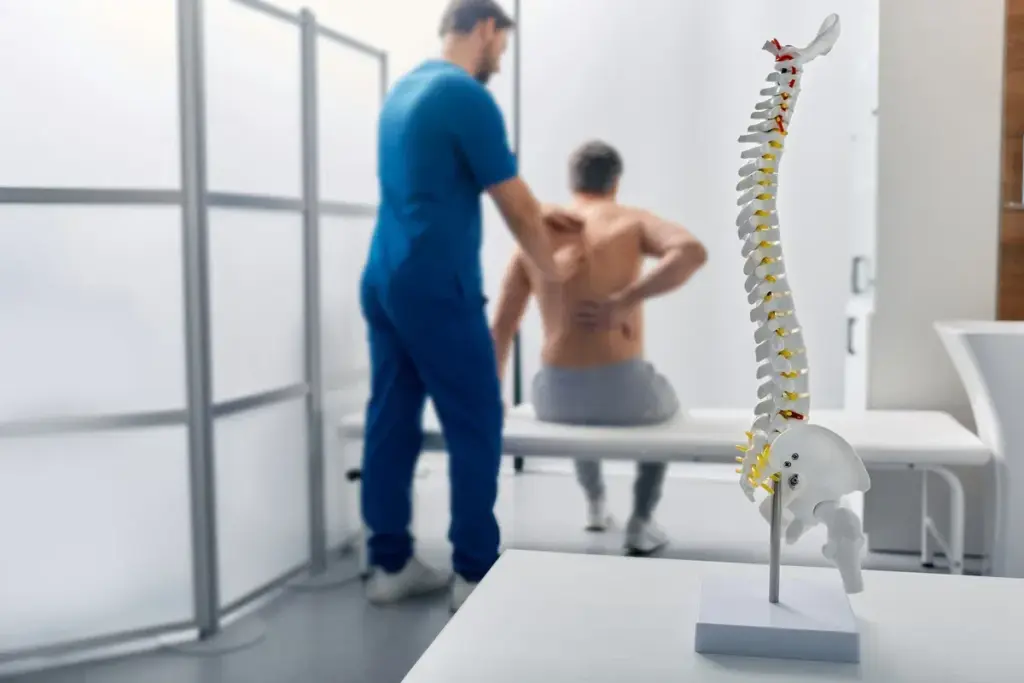
People worried about paralysis after a spinal injury have good reason. Medical studies show spinal cord injuries can cause big disabilities, including paralysis.
A spinal contusion, or a bruised spinal cord, happens when the spinal cord gets hurt. This damage can lead to paralysis. It’s important to know what a contusion means in medical terms to understand the injury’s severity.
In medical speak, a contusion is when tissues or organs get hurt from a blow. This can cause bruising and swelling. When it happens in the spinal cord, it can lead to losing motor functions or feeling.
Key Takeaways
- A spinal contusion is a serious injury that can potentially lead to paralysis.
- Understanding the medical implications of a contusion is vital for patients and caregivers.
- Spinal cord injuries are a significant cause of disability worldwide.
- Prompt medical attention is key for managing spinal contusions effectively.
- The severity of a spinal contusion determines the extent of possible paralysis.
What Is a Spinal Cord Contusion?
It’s important to understand what a spinal cord contusion is. It’s also known as a bruised back or back contusion. It happens when the spinal cord gets damaged because of trauma.
Medical Definition of Contusion
A contusion is a bruise caused by blood leaking into the tissue after trauma. When it happens to the spinal cord, it means there’s bleeding into the tissue. This can damage the spinal cord and affect its function. The key factor is trauma causing the injury.
How Spinal Contusions Differ from Other Injuries
Spinal contusions are different from other spinal injuries. They involve bruising but don’t necessarily tear or completely disrupt the spinal cord. Knowing this is key for diagnosing and treating the injury. It helps doctors understand how well the spinal cord can recover and what treatment is best.
How to Define Contused Spinal Cord in Medical Terms
To understand a contused spinal cord, knowing medical terms is key. A contused spinal cord, or spinal cord contusion, happens when the spinal cord gets bruised or injured.
Doctors classify spinal contusions by how severe they are. This affects treatment and recovery chances. Knowing these terms helps doctors diagnose and treat better.
Clinical Terminology and Classification
Spinal contusions have their own medical terms. “Contusion” means the spinal cord is bruised. This can happen from different injuries. The classification helps doctors figure out the injury’s severity and the best treatment.
Grading the Severity of Spinal Contusions
Doctors grade spinal contusions from mild to severe. This grading is important for planning treatment and predicting recovery.
Mild Contusions
Mild contusions don’t cause much damage. Symptoms are usually short-lived and can get better on their own.
Moderate Contusions
Moderate contusions are more serious. They cause noticeable symptoms that might need medical help.
Severe Contusions
Severe contusions are the worst. They can lead to lasting and serious nerve damage.
|
Contusion Severity |
Symptoms |
Prognosis |
|---|---|---|
|
Mild |
Temporary and reversible |
Generally good |
|
Moderate |
Noticeable symptoms |
Variable |
|
Severe |
Significant neurological deficits |
Often poor |
Knowing how severe spinal contusions are is key for doctors. It helps them plan the best treatment and tell patients what to expect.
Causes of Spinal Cord Contusions
It’s important to know why spinal cord contusions happen. These injuries can greatly affect a person’s life. The damage can vary based on the cause.
Traumatic Injuries
Traumatic injuries often lead to spinal cord contusions. These can happen from falls, assaults, or other incidents that hurt the spine. When the spine gets hit hard, the spinal cord can bruise. Quick medical help is key to avoid lasting harm.
Sports-Related Incidents
Sports injuries are another big reason for spinal cord contusions. High-impact sports like football or rugby raise the risk of spinal harm. Being aware and taking preventive steps can help lower injury risk.
Vehicular Accidents
Car, motorcycle, and bicycle crashes also cause spinal cord contusions. The impact from a crash can bruise or severely injure the spine. Wearing safety gear can reduce the chance of spinal injuries in accidents.
In summary, knowing the causes of spinal cord contusions is vital. By understanding the risks from injuries, sports, and accidents, we can take steps to prevent them. This helps protect our spines.
The Connection Between Spinal Contusions and Paralysis
Spinal cord injuries and paralysis are linked in a complex way. The severity of the contusion plays a big role. Spinal contusions, or bruises on the spinal cord, can happen from many accidents. They can mess up how the cord works.
How Contusions Affect Nerve Function
Spinal contusions can harm the nerve fibers in the spinal cord. This harm stops the brain from talking to the rest of the body. This can lead to paralysis.
The damage can cause swelling, bleeding, or direct harm to nerve cells. This can lead to losing feeling or moving below the injury.
Temporary vs. Permanent Paralysis
Paralysis from a spinal contusion can be either short-term or permanent. It depends on how bad the injury is and the treatment.
Incomplete vs. Complete Spinal Cord Injuries
Incomplete spinal cord injuries mean some nerve function is left. Complete injuries mean no nerve function below the injury. The type of injury affects recovery chances.
Factors Determining Paralysis Outcomes
Many things decide how paralysis from a spinal contusion turns out. These include how bad the injury is, how fast and good the medical care is, and the person’s health. Rehabilitation efforts are also key in getting back function.
The amount of paralysis depends on the injury’s severity and where it is. Knowing this helps manage hopes and guide treatment.
Symptoms of a Bruised Spinal Cord
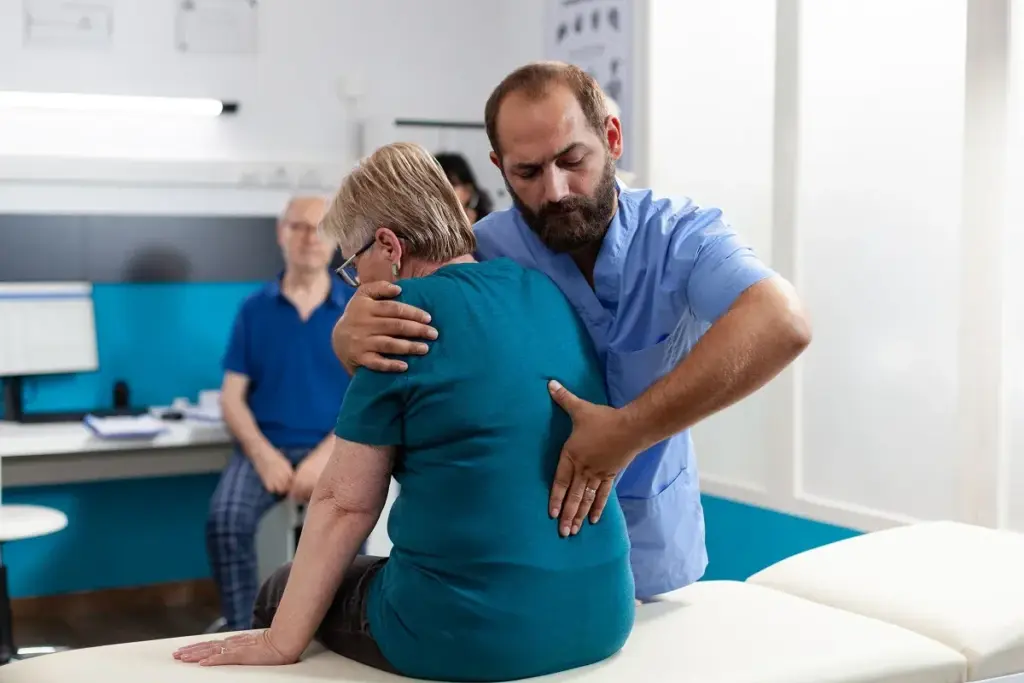
Symptoms of a bruised spinal cord vary by person. They depend on how bad the injury is and where it is. Knowing these symptoms is key to getting the right medical help.
Physical Manifestations
The physical signs of a bruised spinal cord are clear. They include visible signs and discomfort.
Bruising on Lower Back and Spine
One obvious sign is bruising on the lower back and spine. This bruising might also cause swelling.
Pain and Sensitivity
Pain is a common symptom, from mild to severe. There’s also often increased sensitivity to touch or pressure in the affected area.
Neurological Symptoms
Neurological symptoms also occur. These symptoms affect the nervous system’s function.
Sensory Changes
Sensory changes include numbness, tingling, or a pins-and-needles sensation. These changes can happen at or below the injury level.
Motor Function Impairment
Motor function impairment is another big symptom. It shows as weakness, paralysis, or trouble moving.
Diagnosing Spinal Contusions
Diagnosing spinal contusions involves advanced medical imaging and neurological checks. It’s key to know the injury’s extent and choose the right treatment.
Imaging Techniques
Imaging is key in spotting spinal contusions. Magnetic Resonance Imaging (MRI) is top-notch. It shows the spinal cord and tissues clearly. MRI spots bruises, swelling, and other injuries well.
Neurological Assessments
Neurological tests are also vital. They check how well the nerves and muscles work. This shows how the injury affects nerve function.
Evaluating Bruising on Spine with No Apparent Injury
Spotting spinal contusions without visible injury is tough. MRI is essential here. A detailed neurological test is also needed. It finds small signs of injury.
|
Diagnostic Method |
Description |
Utility in Diagnosing Spinal Contusions |
|---|---|---|
|
MRI |
Provides detailed images of the spinal cord and surrounding tissues |
High utility; can reveal extent of bruising and associated injuries |
|
Neurological Assessments |
Evaluates neurological function, including sensory and motor skills |
High utility; helps understand impact on nerve function |
Treatment Options for Spinal Cord Contusions
Treatment for spinal cord contusions varies based on injury severity. It involves a mix of immediate care, surgery, and medication. This approach helps manage the injury effectively.
Immediate Medical Interventions
Quick medical care is key for spinal cord contusions. It includes keeping the spine stable, giving oxygen, and watching vital signs closely.
Key immediate interventions include:
- Stabilizing the patient
- Keeping the spine stable
- Watching for complications
Surgical Approaches
Some patients with spinal cord contusions might need surgery. Surgery can relieve pressure and fix damaged vertebrae.
Whether to operate depends on the injury’s severity and the patient’s health.
Medication Management
Medicine is a big part of treating spinal cord contusions. It helps with pain, reduces swelling, and prevents complications.
Anti-inflammatory Treatments
Anti-inflammatory treatments help reduce swelling around the spinal cord. This can ease pressure and prevent more damage.
Pain Management Protocols
Pain management is important for patients with spinal cord contusions. It includes medicines, physical therapy, and other treatments based on the patient’s needs.
Rehabilitation Process for Spinal Contusion Patients
Rehabilitation is key for spinal contusion patients to get better. It helps them regain strength, mobility, and independence.
Physical Therapy Protocols
Physical therapy is a big part of recovery. It focuses on exercises that boost range of motion, strength, and flexibility. Each plan is made just for the patient, based on their injury.
Occupational Therapy Strategies
Occupational therapy works alongside physical therapy. It helps patients learn to do daily tasks and use tools to help them. This way, patients can live better lives.
Adapting to Daily Activities
Occupational therapists teach patients how to handle daily tasks. This includes things like bathing, dressing, and cooking, even with physical limits from the injury.
Assistive Devices and Technologies
Using assistive devices and technologies is a big part of occupational therapy. These tools help patients overcome physical challenges. They make patients more independent and confident in their daily lives.
Recovery Timeline: How Long Does a Contusion Take to Heal?
The time it takes for a spinal contusion to heal can vary a lot. This depends on how bad the injury is and the person’s health.
Factors Affecting Recovery Speed
Many things can affect how fast someone recovers from a spinal contusion. These include how severe the injury is, the person’s health, and the treatment they get.
Key factors affecting recovery speed include:
- The severity of the contusion
- Patient’s age and overall health
- Timeliness and quality of medical care
- Adherence to rehabilitation protocols
Milestones in the Healing Process
The healing of a spinal contusion goes through several stages. Each stage has its own milestones.
Back Contusion Healing Stages
The healing from a back contusion usually goes through three stages:
- Acute phase: Initial healing and stabilization
- Sub-acute phase: Gradual improvement in symptoms
- Chronic phase: Long-term recovery and rehabilitation
Lower Back Contusion Recovery Expectations
|
Recovery Stage |
Timeframe |
Expectations |
|---|---|---|
|
Initial Healing |
0-6 weeks |
Reduction in pain and inflammation |
|
Gradual Improvement |
6-12 weeks |
Improvement in mobility and strength |
|
Rehabilitation |
3-6 months |
Full recovery and return to normal activities |
Knowing these stages and what to expect can help both patients and doctors track progress. It also helps in making any needed changes to treatment plans.
Living with the Effects of a Spinal Contusion
Living with a spinal contusion’s aftermath is tough and can change your life. People with this injury face many physical, emotional, and psychological challenges. These can greatly affect their daily life.
Long-term Management Strategies
Managing a spinal contusion long-term needs a detailed plan. This includes physical therapy to improve strength and movement. It also involves medication management to handle pain and symptoms. And, making lifestyle adjustments to adapt to any lasting changes.
By using a complete management plan, people can handle the challenges of their condition better.
Psychological and Emotional Support
The mental and emotional effects of a spinal contusion are significant. Patients often find help through psychological counseling to deal with their feelings after the injury. Also, support groups offer a great place to share experiences and advice.
They help people feel less alone in their recovery journey.
Conclusion
A spinal contusion, or bruised spinal cord, can have serious health effects. It might even lead to paralysis. We’ve looked at what causes it, its symptoms, how it’s diagnosed, treated, and how to recover.
The impact of a spinal contusion on nerves is key. It helps us understand if paralysis will be temporary or permanent. Tests like imaging and neurological checks are important to see how bad the injury is.
Getting better from a spinal contusion is a long journey. It depends on how bad the injury is and how well treatment and therapy work. Physical and occupational therapy are key. They help patients get their function back and adjust to any lasting effects.
In short, a spinal contusion can be very serious. But knowing a lot about it and its treatment can really help. We’ve covered the main points. This shows how important quick medical help and proper care are for managing spinal contusions and helping people recover.
FAQ
What is a spinal contusion?
A spinal contusion is when the spinal cord gets hurt, often from a blow. It can cause bleeding and swelling. This damage affects the tissue around the cord.
Can a bruised spinal cord cause paralysis?
Yes, a bruised spinal cord can lead to paralysis. The extent of paralysis varies. It can be temporary or permanent, affecting different body parts.
How is the severity of a spinal contusion graded?
The severity is graded based on the damage to the spinal cord. It’s classified as mild, moderate, or severe. This helps decide the treatment and prognosis.
What are the symptoms of a bruised spinal cord?
Symptoms include pain, swelling, and numbness. You might also feel tingling or lose motor function. Symptoms vary based on the injury’s location and severity.
How is a spinal contusion diagnosed?
Imaging like MRI or CT scans is used to see the injury. Neurological tests check nerve function and look for deficits.
What are the treatment options for spinal cord contusions?
Treatment includes immediate medical care and surgery to relieve pressure. Medications help manage pain and swelling.
How long does it take for a contusion to heal?
Healing time varies with the injury’s severity and treatment. Mild cases might heal in weeks. Severe cases can take months or more.
What is the role of physical therapy in recovering from a spinal contusion?
Physical therapy is key in recovery. It helps restore function and improve mobility. It also helps adapt to any lasting changes.
Can a person fully recover from a spinal contusion?
Recovery depends on the injury’s severity and treatment. Some see significant improvement. Others may face lasting effects.
What are the long-term implications of living with the effects of a spinal contusion?
Living with a spinal contusion involves managing symptoms and adapting daily life. It can lead to long-term physical and emotional challenges. Psychological support is vital.
How can paralysis resulting from a spinal contusion be managed?
Managing paralysis involves physical and occupational therapy. Assistive devices and technologies can also help. This approach improves independence and quality of life.
New England Journal of Medicine. Evidence-Based Medical Insight. Retrieved from https://www.nejm.org/doi/full/10.1056/NEJMra1006523[1