
Learn to define elective surgery with examples, types, and how it’s different from emergency operations. Understanding the difference between elective procedures and emergency surgeries is key.
Liv Hospital focuses on patient care, explaining what it means to have surgery scheduled in advance.
An elective procedure is a surgery planned ahead of time. It’s not for emergencies.
This lets patients get ready and make smart health choices.
Key Takeaways
- Elective surgeries are planned and scheduled in advance.
- They are not emergency operations.
- Patients can prepare and make informed decisions.
- Various types of elective surgeries exist.
- Common examples include orthopedic and cosmetic surgeries.
What Makes a Surgery “Elective”
Elective surgery is planned ahead of time. It’s not an emergency. This makes it different from urgent or emergency surgeries, which are done right away because they’re life-threatening.
Elective surgery lets patients and doctors plan the best time for it. This ensures everything is ready and the patient is in the best shape for surgery.
The Importance of Timing in Surgical Classification
Timing is key in deciding if a surgery is elective. Unlike emergency surgeries, elective ones are set up when it’s convenient. This includes when the surgical team and facilities are available, and when the patient can make it.
Being called elective doesn’t mean a surgery is not important. Many elective procedures are needed and greatly improve a patient’s life.
| Surgical Classification | Timing | Examples |
| Elective | Scheduled in advance | Hip replacement, cataract removal |
| Urgent | Within 24-48 hours | Appendectomy, fracture repair |
| Emergency | Immediate | Trauma surgery, acute appendicitis |
Common Misconceptions About Elective Procedures
Many think elective surgeries are not needed or are just for looks. But, many are done to fix serious issues or prevent future problems.
For example, joint replacement surgeries are elective but needed to stop chronic pain and improve movement. Knowing what elective surgeries are helps patients make smart health choices.
In summary, elective surgeries are a big part of healthcare. They allow for planned treatments that improve health outcomes. By understanding what makes a surgery elective, patients can make better choices about their care.
Define Elective Surgery: The Complete Medical Explanation
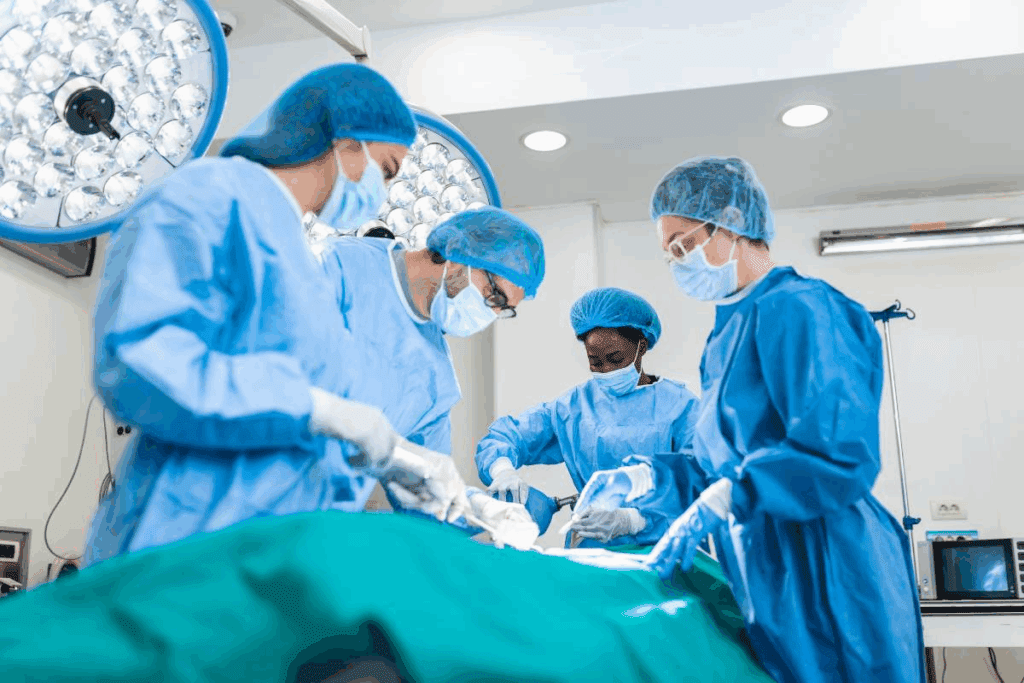
Elective surgeries are planned operations that are not urgent. They can be scheduled at a convenient time. These surgeries can be for cosmetic reasons or to improve health, like joint replacements.
Clinical Criteria for Elective Procedures
There are specific rules for when elective surgeries can happen. These rules include:
- The patient’s health is stable, making it safe to plan the surgery.
- The surgery is not urgent to save the patient’s life or health.
- The surgery aims to better the patient’s life, function, or look.
Important factors for elective surgeries are the patient’s health, risks, and expected results. Doctors look at these to decide if and when to do the surgery.
Distinguishing Features of Planned Interventions
Planned surgeries, or elective surgeries, are different from emergency surgeries. They have:
| Feature | Description |
| Scheduling Flexibility | Elective surgeries can be set up at a time that works for both the patient and surgeon. |
| Medical Necessity | Even though not always needed, some elective surgeries are key to improving the patient’s health. |
| Pre-Surgical Preparation | Patients get a full check-up and prep before elective surgery. |
Knowing these features helps patients make smart choices about their surgery.
The Spectrum of Elective Procedures
Elective procedures cover a wide range. They deal with health needs and personal wants. This includes surgeries that are needed for health, improve life quality, and are done for looks.
Medically Necessary Elective Surgeries
Some surgeries are needed but not urgent. They help with serious health issues. For example, joint replacements help with pain and improve movement.
Joint replacement surgeries are key. They replace old or damaged joints with new ones. This greatly improves a person’s life.
| Surgery Type | Primary Benefit | Common Reasons |
| Joint Replacement | Improved mobility and reduced pain | Osteoarthritis, severe joint damage |
| Cataract Removal | Restored vision | Cataract formation |
| Tonsillectomy | Reduced frequency of tonsillitis | Recurring tonsillitis |
Quality-of-Life Enhancement Procedures
Many surgeries aim to improve life quality. They fix issues that don’t threaten life but affect daily life. For example, corrective eye surgeries like LASIK can make vision better.
Other examples include fixing a deviated septum or hernias. These can make daily activities easier and more comfortable.
Optional Cosmetic Interventions
Then there are surgeries for looks. These are chosen to change appearance. Examples are rhinoplasty (nose reshaping), breast augmentation, and liposuction.
These surgeries are not medically needed but can boost self-esteem. They can make a person feel better about how they look.
In conclusion, elective procedures are varied. They range from necessary surgeries to cosmetic changes. Knowing this helps both patients and doctors make better choices about surgery.
Major Categories of Elective Surgery
Elective surgeries are divided into several main types. Each type has its own medical or cosmetic purpose. Knowing these categories helps both patients and doctors make better choices about surgery.
Diagnostic Elective Procedures
Diagnostic surgeries help find the cause of a health issue. They are key for creating a treatment plan. Here are some examples:
- Exploratory laparoscopy to look inside the belly
- Endoscopic exams to see inside the body
- Biopsy surgeries to check tissue samples
These surgeries are planned ahead. This lets patients get ready and plan their time.
Therapeutic Elective Surgeries
Therapeutic surgeries treat health problems or symptoms. They are planned based on the patient’s needs. Here are some examples:
- Joint replacement surgeries to improve mobility and reduce pain
- Cataract removal to better vision
- Tonsillectomy to treat recurring tonsillitis
These surgeries aim to improve a patient’s life by fixing health issues.
Reconstructive Operations
Reconstructive surgeries fix damaged or deformed body parts. They can be for health or beauty reasons. Here are some examples:
- Breast reconstruction after mastectomy
- Skin grafting to fix damaged skin
- Cleft palate repair to fix birth defects
These surgeries can greatly improve a patient’s physical and emotional health.
Purely Cosmetic Interventions
Cosmetic surgeries are for beauty or to look better. They are chosen to boost self-image or fight aging. Here are some examples:
- Rhinoplasty to change the nose shape
- Breast augmentation to make breasts bigger or more shaped
- Facelift to look younger
Cosmetic surgeries are not needed for health but for beauty. They are chosen to meet personal beauty goals.
In summary, elective surgeries cover many areas, from finding health issues to improving looks. Knowing these areas helps everyone make smart choices about surgery.
Cosmetic Elective Surgery Examples
Cosmetic elective surgery includes many procedures to improve looks. Rhinoplasty and breast surgeries are top choices. People pick these surgeries for personal reasons.
Cosmetic surgeries like rhinoplasty and breast changes are big decisions. Rhinoplasty, or nose reshaping, can make the nose look better. It can also help with breathing.
Rhinoplasty (Nose Reshaping)
Rhinoplasty changes the nose’s shape, size, or function. It’s done for looks, to fix injuries, or to help breathing. A skilled surgeon is needed to get the best results safely.
Breast Augmentation or Reduction
Breast augmentation and reduction are common cosmetic surgeries. Breast augmentation uses implants or fat to make breasts bigger. Breast reduction makes them smaller by removing extra tissue. Both can boost self-esteem and body image.
It’s key to talk to a qualified doctor before these surgeries. They can explain options, risks, and what to expect. This helps make choices that fit personal goals and health.
Orthopedic Elective Surgery Examples
For those with degenerative joint diseases or severe musculoskeletal disorders, orthopedic elective surgeries offer a solution. These surgeries aim to restore mobility and reduce pain. They are designed to address specific conditions, improving patients’ well-being and function.
Hip Replacement Surgery
Hip replacement surgery, or hip arthroplasty, is a common procedure. It replaces a damaged or arthritic hip joint with an artificial one. This reduces pain and improves joint function. It’s recommended for those with severe hip arthritis or hip fractures.
Benefits: Significant pain reduction, improved mobility, and enhanced quality of life.
Knee Replacement Surgery
Knee replacement surgery, or knee arthroplasty, is another common procedure. It involves replacing the diseased or damaged knee joint with artificial components. This is usually for patients with advanced knee arthritis or significant knee injuries.
Benefits: Reduced knee pain, improved knee function, and increased mobility.
Spinal Fusion Procedures
Spinal fusion is an elective surgery that fuses two or more vertebrae together. It stabilizes the spine and alleviates pain. It’s used for conditions like degenerative disc disease, scoliosis, or spondylolisthesis.
Benefits: Pain relief, improved spinal stability, and correction of spinal deformities.
| Procedure | Primary Indication | Benefits |
| Hip Replacement | Severe hip arthritis or fracture | Pain reduction, improved mobility |
| Knee Replacement | Advanced knee arthritis or injury | Reduced knee pain, improved function |
| Spinal Fusion | Degenerative disc disease, scoliosis | Pain relief, spinal stability |
Digestive System Elective Surgery Examples
The digestive system is often the focus of elective surgeries. These surgeries can greatly improve a patient’s life by fixing digestive health problems.
Gallbladder Removal (Cholecystectomy)
Gallbladder removal, or cholecystectomy, is a common surgery in the U.S. It’s done to treat gallstones that cause pain or infection. Laparoscopic cholecystectomy, a less invasive method, is preferred for its faster recovery time.
- Indications: Symptomatic gallstones, cholecystitis
- Benefits: Relieves pain, reduces risk of future gallstone complications
- Risks: Possible bile duct injury, infection
Hernia Repair Surgery
Hernia repair is another common surgery related to the digestive system. A hernia happens when an organ or tissue bulges through a weak spot in the muscle or tissue. Elective hernia repair helps prevent serious problems like incarceration or strangulation of the hernia.
“Hernia repair is a frequently performed operation that can significantly improve a patient’s quality of life by alleviating discomfort and preventing possible complications.”
- Indications: Symptomatic hernias
- Benefits: Reduces discomfort, prevents complications
- Risks: Infection, recurrence of hernia
Weight Loss Surgeries
Weight loss surgeries, or bariatric surgeries, are elective for those with obesity who haven’t lost weight through diet and exercise. These surgeries can lead to significant weight loss and better health for obesity-related conditions.
- Roux-en-Y gastric bypass
- Sleeve gastrectomy
- Adjustable gastric banding
Benefits include a lot of weight loss and better health for diabetes and hypertension. But, risks like nutritional deficiencies and surgical problems should be thought about.
Other Common Elective Procedures
The world of elective surgery is wide and covers many needs and conditions. Some surgeries are well-known, while others are just as important but not talked about as much.
Cataract Removal
Cataract removal is a common surgery to fix cloudy lenses in the eye. It’s usually done as an outpatient procedure and works well to improve vision. Cataract removal is considered when a cataract affects daily life or vision.
Tonsillectomy
A tonsillectomy removes the tonsils, which are at the back of the throat. It’s often done for recurring tonsillitis or sleep issues like sleep apnea. The surgery is safe and can greatly improve life for those with chronic tonsil problems.
Additional Elective Surgeries
There are many more elective surgeries beyond cataract and tonsillectomy. These include varicose vein removal, skin lesion removal, and various reconstructive surgeries. Each is aimed at addressing specific health issues or improving overall well-being.
These surgeries are planned ahead, allowing for preparation and recovery time. It’s key for those thinking about these procedures to talk to doctors to find the right option for them.
Elective Surgery vs. Urgent and Emergency Surgery
Elective surgery is different from urgent and emergency surgery in timing and need. Elective surgeries are planned ahead, while urgent and emergency surgeries are for immediate needs.
Knowing the difference helps us understand surgical needs and how doctors decide when to operate.
The Surgical Urgency Spectrum
Surgeries vary in urgency, from elective to emergency. Elective surgeries are planned ahead because they’re not urgent but important for health or quality of life.
Urgent surgeries are for conditions that could get serious or life-threatening if not treated quickly.
When Elective Conditions Become Urgent
Sometimes, what was thought to be elective can turn urgent due to unexpected complications. For example, a patient set for an elective gallbladder surgery might have an acute attack, needing urgent surgery.
Decision-Making Factors for Surgical Timing
Deciding when to have surgery depends on several things. These include the patient’s health, how serious the condition is, and the risks of waiting.
| Surgery Type | Timing | Necessity Level |
| Elective | Planned in advance | Low to Moderate |
| Urgent | Within a short timeframe (hours to days) | High |
| Emergency | Immediate | Critical |
Understanding these differences is key for both doctors and patients to make smart choices about surgery.
Benefits of Surgery Scheduled in Advance
Planning elective surgery ahead of time can lead to better health and fewer risks. It lets patients prepare well, which lowers anxiety and makes the surgery smoother.
Patient Preparation and Optimization
Advance scheduling lets patients do pre-surgical tests and get ready. This might include:
- Nutritional counseling to ensure optimal health
- Smoking cessation programs to reduce surgical risks
- Medication adjustments to minimize possible complications
By getting healthy before surgery, patients can lower the chance of problems after.
“Preoperative optimization is a critical component of successful surgical outcomes. By addressing modifiable risk factors, we can improve patient safety and reduce morbidity.”
— Surgical Specialist
Risk Reduction Strategies
Scheduling surgery early lets us use strategies to lower risks. These might include:
| Risk Factor | Mitigation Strategy |
| Infection Risk | Prophylactic antibiotics, sterile technique |
| Bleeding Complications | Careful medication management, blood typing |
Improved Recovery Outcomes
Elective surgeries planned early often have better recovery times. This is because of:
- Improved patient education on post-operative care
- Coordinated post-surgical support and follow-up
- Reduced hospital stay due to fewer complications
By choosing to schedule surgery in advance, patients can take an active role in their recovery, leading to better overall outcomes.
The Patient Journey: From Consultation to Recovery
Knowing about elective surgery is key for patients to feel ready and confident. The journey has many stages, from the first meeting with a surgeon to after-care. Each step is important for the surgery’s success.
Initial Consultation and Surgical Planning
The first step is meeting with a surgeon. This is where you talk about your goals and the surgery. Surgical planning is a team effort to make sure everything is thought out.
During this time, patients should:
- Share their medical history and any worries.
- Learn about the surgery’s risks and benefits.
- Get a clear idea of what to expect during recovery.
Pre-Surgical Testing and Preparation
Before surgery, patients do tests and get ready. Pre-surgical testing checks their health with blood work and imaging.
Getting ready might mean:
- Changing medications as told by the doctor.
- Not eating certain foods or drinks before surgery.
- Planning for care and transport after surgery.
Day of Surgery Expectations
On surgery day, arrive on time and be ready. The surgical team will help you feel comfortable and safe.
What to expect on surgery day includes:
- Finishing any last-minute tasks or paperwork.
- Talking with the anesthesiologist about anesthesia.
- Going to the operating room for the surgery.
Post-Operative Care and Follow-Up
After surgery, post-operative care is key for a good recovery. You’ll get instructions on wound care, pain, and follow-up visits.
Good post-operative care means:
- Watching for any complications.
- Following the medication plan.
- Going to follow-up appointments to check on healing.
By knowing and following these steps, patients can confidently go through their elective surgery journey. This helps them get the best results.
Conclusion: Making Informed Decisions About Elective Surgery
Knowing what elective surgery is is key for those thinking about it. We’ve looked at what it is, its types, and examples. We’ve also seen how important it is in today’s healthcare.
Choosing elective surgery wisely means thinking about your own needs and situation. By learning about elective surgery, you can pick the best option for your health.
Elective surgery includes many procedures, like cosmetic ones and some needed for health. Knowing the difference helps you make smart choices about your care.
The success of elective surgery depends on making good choices. Being informed about your options helps you take charge of your health. This way, you can get the best results.
FAQ
What is elective surgery?
Elective surgery is a planned operation that is scheduled ahead of time. It’s different from emergency surgery, which is done right away because of a serious condition.
What are examples of elective surgeries?
Cosmetic surgeries like nose jobs and breast implants are examples. So are hip and knee replacements, and surgeries for the gallbladder or hernias.
Is elective surgery medically necessary?
Some elective surgeries are needed for health reasons, but others are for looks or to feel better. The ones needed for health are not life-threatening but help the patient’s well-being.
How is elective surgery different from urgent or emergency surgery?
Elective surgery is planned and set up in advance. Urgent or emergency surgery is done right away because of a sudden, serious problem. The timing of elective surgery can be chosen.
What are the benefits of scheduling surgery in advance?
Planning surgery ahead lets patients prepare and reduce risks. It also helps in recovery and planning for recovery time.
What is the surgical urgency spectrum?
The surgical urgency spectrum shows the range from elective to emergency surgeries. Elective surgeries are planned, while emergency surgeries are urgent and done right away.
Can elective conditions become urgent?
Yes, if a patient’s condition gets worse or complications happen, what was elective can become urgent. The surgery plan might need to change.
What is the role of timing in surgical classification?
Timing is key in classifying surgeries. It decides if a surgery is elective, urgent, or emergency. The timing depends on the patient’s health, the surgeon’s schedule, and other factors.
What are the different categories of elective surgery?
Elective surgeries are divided into types like diagnostic, therapeutic, reconstructive, and cosmetic. Each type has its own examples, like biopsies, joint replacements, skin grafts, and facelifts.
How do I prepare for elective surgery?
To prepare for elective surgery, start with a consultation and planning. Then, do pre-surgery tests and follow the surgeon’s advice on the day of surgery and after.
References
Shrestha, G. (2023). Spigelian hernia: A rare case presentation and review of literature. Journal of Surgical Case Reports. Retrieved from https://www.sciencedirect.com/science/article/pii/S2210261223002079