
Arterial plaque buildup is a serious issue affecting millions in the U.S. It raises the risk of heart disease and stroke. Nearly 800,000 Americans die from cardiovascular disease each year, with many deaths linked to plaque in arteries. Get the definitive answer: can plaque in arteries be removed with surgery? Understand the goal of the endarterectomy procedure clearly.
Fortunately, surgery like endarterectomy offers a solution. Endarterectomy removes plaque from arteries. This improves blood flow and lowers the risk of heart problems.
This article will dive into endarterectomy. We’ll look at its benefits and risks. This will help you decide if it’s the right choice for you.
Key Takeaways
- Endarterectomy is a surgical procedure to remove plaque buildup in arteries.
- The procedure improves blood flow and reduces the risk of cardiovascular events.
- Understanding the benefits and risks is key for making informed decisions.
- Endarterectomy is a viable option for treating arterial plaque.
- Consulting a healthcare professional is essential to determine if endarterectomy is right for you.
Arterial Plaque: A Silent Threat to Cardiovascular Health
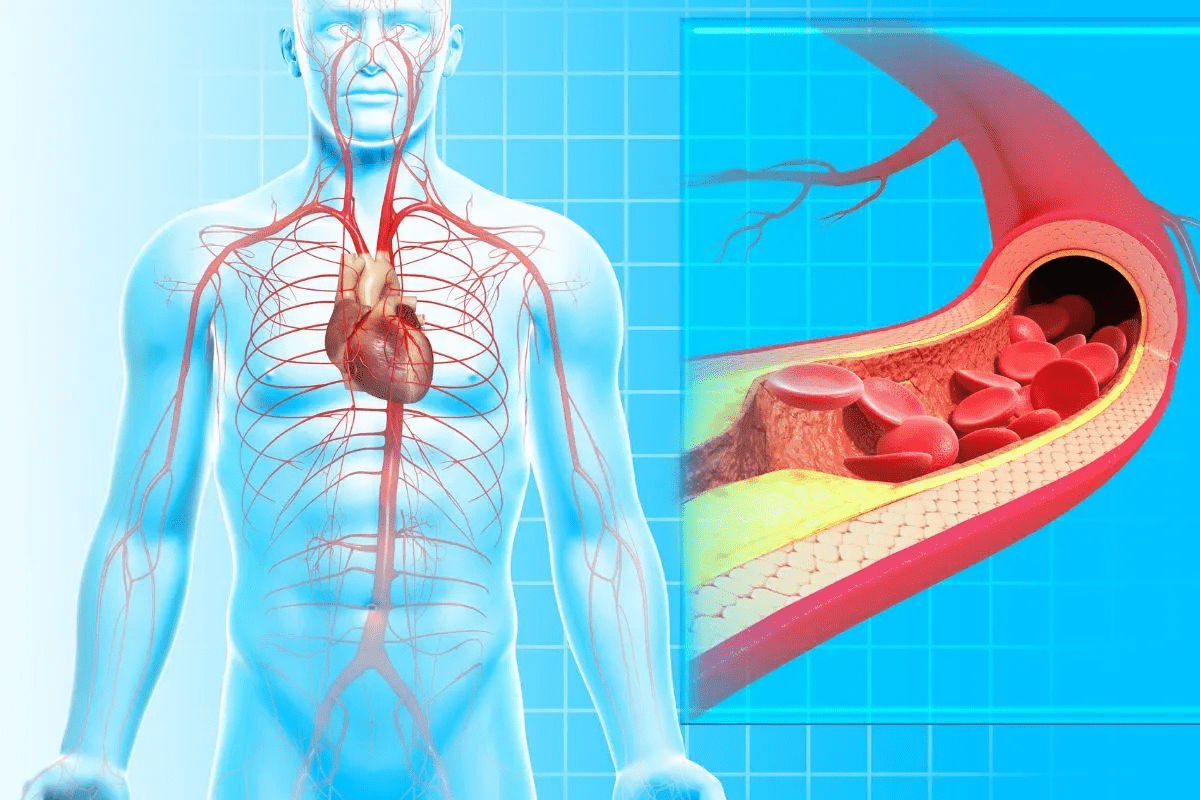
Arterial plaque builds up quietly but can harm your heart health a lot. It’s a mix of fatty, waxy stuff that blocks blood flow. Knowing about arterial plaque and its risks is key to keeping your heart healthy.
What is arterial plaque and how does it form?
Arterial plaque forms from cholesterol, fat, and other substances in the blood. It starts early, even in kids, and gets worse over time. Things like high cholesterol, smoking, and high blood pressure make it grow faster.
The dangers of untreated plaque buildup
Not treating plaque buildup can cause big problems. It can lead to heart attacks and strokes. It also raises the chance of peripheral artery disease, which can cause limb ischemia and more.
| Condition | Risk Associated with Untreated Plaque Buildup | Potential Outcome |
| Atherosclerosis | High | Heart Attack, Stroke |
| Peripheral Artery Disease | Moderate to High | Limb Ischemia, Gangrene |
Surgical Options for Removing Arterial Plaque
Surgery is a good option for removing arterial plaque. When plaque builds up too much, it can block blood flow. This can lead to serious heart problems. Surgery helps to fix this and prevent worse issues.
Overview of Available Surgical Interventions
There are a few surgeries to remove plaque. Endarterectomy removes plaque from the artery’s inner lining. Atherectomy uses a catheter to scrape away plaque. These are used when plaque is a big problem for heart health.
When Surgery Becomes Necessary
Surgery is needed when plaque blocks blood flow a lot. This can lead to heart attacks or strokes. Doctors say surgery is chosen based on how bad symptoms are and how much plaque there is.
In serious cases, surgery can save lives. It helps blood flow again and lowers the chance of more heart problems.
What is Endarterectomy? Understanding the Procedure
Endarterectomy is a surgery that removes plaque from arteries. It’s key for treating vascular diseases. These diseases can cause serious heart problems if not treated.
Definition and Purpose of Endarterectomy
Endarterectomy removes plaque from an artery’s inner lining. Its main goal is to improve blood flow by removing blockages. This helps prevent heart attacks, strokes, and other heart issues.
History and Development of the Procedure
The idea of endarterectomy started in the mid-20th century. Vascular surgeons were looking for ways to deal with artery plaque. The method has improved a lot, thanks to better tools and techniques.
How Endarterectomy Differs from Other Vascular Surgeries
Endarterectomy is different from other surgeries because it removes plaque directly. This can be simpler and less invasive than other methods. It depends on where and how much plaque there is.
| Procedure | Description | Key Benefits |
| Endarterectomy | Removal of plaque from the inner lining of an artery | Restores normal blood flow, reduces risk of cardiovascular events |
| Bypass Surgery | Bypassing the blocked artery with a graft | Provides an alternative route for blood flow |
| Angioplasty | Using a balloon to widen the blocked artery | Minimally invasive, quick recovery |
Types of Endarterectomy Procedures
Endarterectomy is a flexible surgery for different arteries. It’s not just for one area but for many arteries in the body. This helps treat plaque buildup in various important arteries.
Carotid Endarterectomy
Carotid endarterectomy removes plaque from the carotid arteries. These arteries carry blood to the brain. This operation is key to prevent stroke in those with severe carotid artery stenosis.
The surgery involves an incision in the neck. It accesses the carotid artery, removes the plaque, and then closes the artery and incision.
Femoral Endarterectomy
Femoral endarterectomy focuses on the femoral arteries in the legs. It’s used to treat peripheral artery disease (PAD). This disease causes leg pain when walking.
By removing plaque, femoral endarterectomy improves blood flow to the legs. It helps reduce symptoms and improves mobility.
Aortoiliac and Other Types of Endarterectomy
Aortoiliac endarterectomy removes plaque from the aorta and iliac arteries. These arteries supply blood to the lower body. Other endarterectomy procedures target the renal and mesenteric arteries.
Each procedure is customized for the specific artery and condition. This shows how endarterectomy can be adapted for different vascular needs.
Different endarterectomy procedures highlight the need for tailored treatments. Healthcare providers tailor treatments based on each patient’s needs and the affected arteries. This approach improves outcomes and quality of life.
Who Is a Candidate for Endarterectomy?
People with a lot of plaque in their arteries might need surgery. Doctors decide if surgery is needed based on how bad the plaque is and the person’s health.
Medical Conditions That May Require Endarterectomy
Some health issues make you more likely to need endarterectomy. These include serious blockages in the carotid arteries and peripheral artery disease (PAD). Severe stenosis or blockage in important arteries can cause strokes or limb problems. This makes surgery a must.
| Medical Condition | Description | Relation to Endarterectomy |
| Carotid Artery Stenosis | Narrowing of the carotid arteries due to plaque buildup | Often requires endarterectomy to prevent stroke |
| Peripheral Artery Disease (PAD) | Plaque accumulation in peripheral arteries, typically in the legs | May necessitate endarterectomy to restore blood flow |
Evaluation Process and Diagnostic Tests
To see if you need endarterectomy, doctors do several tests. These include ultrasound, angiography, and CT scans. These tests show how bad the blockage is and what treatment is best.
Preparing for Endarterectomy Surgery
The journey to a successful endarterectomy starts with thorough preparation. This includes consultations and lifestyle changes. Understanding these steps can help reduce anxiety and improve outcomes.
Pre-surgical consultations and examinations
Before surgery, patients go through many consultations and tests. They review their medical history, have physical exams, and undergo tests like ultrasound or angiography. These steps are key to checking the patient’s health and spotting any surgery risks.
During these visits, patients should talk about their medications, allergies, and any worries they have. This helps the doctors prepare better for the surgery.
Medication management and lifestyle adjustments
Getting ready for endarterectomy also means managing medications and making lifestyle changes. Patients might need to stop taking certain drugs, like blood thinners, before surgery. They might also need to quit smoking, eat healthier, and exercise more to boost their heart health.
By following these tips and working with their healthcare team, patients can get ready for their surgery well.
The Endarterectomy Surgical Process
Endarterectomy surgery is a detailed process to remove plaque from arteries. It’s key for improving blood flow and preventing heart problems. The success of this surgery depends on the anesthesia used and the surgical method.
Anesthesia Options
Patients can get either local or general anesthesia for endarterectomy. Local anesthesia numbs the surgery area, keeping the patient awake. General anesthesia makes the patient unconscious, best for complex surgeries. The choice depends on the patient’s health and the surgeon’s choice.
Step-by-Step Surgical Procedure
The endarterectomy procedure has several steps:
- Making an incision in the neck or the affected limb to access the artery.
- Clamping the artery to temporarily stop blood flow.
- Making a longitudinal incision in the artery to expose the plaque.
- Carefully removing the plaque and any damaged intima.
- Closing the arterial incision, often with a patch to widen the artery.
Duration and Immediate Post-Operative Care
The surgery can last from 1 to 3 hours, based on the case’s complexity. After surgery, patients are watched in a recovery room for any issues. Most stay in the hospital for a day or two for observation.
| Procedure Aspect | Description | Duration |
| Anesthesia Administration | Local or General | 15-30 minutes |
| Surgical Incision and Plaque Removal | Accessing and cleaning the artery | 1-2 hours |
| Post-Operative Monitoring | Observation for complications | 1-2 days |
Recovery and Aftercare Following Endarterectomy
Recovering from endarterectomy is a big step that needs careful attention. It involves a stay in the hospital and then recovery at home. During this time, following certain guidelines is key to a smooth recovery.
Hospital Stay and Immediate Recovery
The time spent in the hospital after endarterectomy varies. It can be a few hours to a couple of days, based on the patient’s health and the surgery’s complexity. Immediate post-operative care is critical to avoid infections and aid in healing.
When patients go home, they get advice on how to care for themselves. This includes looking after the wound, taking medications, and knowing when to seek medical help.
Long-term Recovery and Lifestyle Modifications
Long-term recovery means making lifestyle changes to keep the surgery’s benefits and prevent future heart problems. This includes eating right, exercising regularly, quitting smoking, and managing blood pressure and diabetes. Sticking to these lifestyle changes is vital for long-term health.
Seeing doctors regularly is important to track progress and adjust the care plan if needed. Combining medical care with a healthy lifestyle can greatly improve outcomes after endarterectomy.
Risks and Possible Complications of Endarterectomy
It’s important for patients to know about the risks and complications of endarterectomy. This surgery is generally safe but can have some risks.
Common Side Effects and Complications
Side effects and complications include bleeding, infection, and nerve damage. Bleeding might happen during or after surgery and could need a blood transfusion. Infection is a risk that antibiotics can help with, but it might keep you in the hospital longer. Nerve damage can cause numbness, weakness, or paralysis in the affected area.
| Complication | Description | Management |
| Bleeding | Occurs during or after surgery | May require blood transfusion |
| Infection | Can occur at the surgical site | Managed with antibiotics |
| Nerve Damage | Results in numbness, weakness, or paralysis | May require physical therapy or further surgery |
Warning Signs to Watch for After Surgery
It’s key to watch for warning signs after endarterectomy. Look out for severe pain, swelling, or redness at the site, trouble speaking or swallowing, and sudden weakness or numbness in the face or limbs. If you notice any of these, get medical help right away.
Alternatives to Surgical Plaque Removal
Not all cases of arterial plaque need surgery. There are other treatments available. These alternatives can manage plaque buildup without surgery.
Medication-Based Treatments
Medications help control cholesterol and slow plaque growth. Statins, bile acid sequestrants, and PCSK9 inhibitors are used. They lower LDL cholesterol and slow plaque buildup.
Minimally Invasive Procedures
Minimally invasive procedures, like atherectomy, are another option. Atherectomy uses a catheter to remove plaque. This improves blood flow without open surgery.
Lifestyle Changes to Manage Arterial Plaque
Lifestyle changes are key in managing arterial plaque. Eating healthy, exercising, quitting smoking, and managing stress are important. These changes can reduce plaque and improve heart health.
| Treatment Option | Description | Benefits |
| Medication-Based Treatments | Use of medications to lower cholesterol and reduce plaque | Non-invasive, can slow plaque progression |
| Minimally Invasive Procedures | Atherectomy and other catheter-based procedures | Less invasive than surgery, can improve blood flow |
| Lifestyle Changes | Diet, exercise, smoking cessation, stress management | Improves overall cardiovascular health, can reduce plaque |
Conclusion: The Future of Arterial Plaque Treatment
Medical technology and surgery are getting better, giving hope to those at risk of heart disease. Endarterectomy is key in removing plaque from arteries. It greatly lowers the chance of stroke and heart problems.
The outlook for treating arterial plaque is bright. Research is pushing for less invasive methods and new surgical ways. This means better results and fewer risks for patients.
Knowing about treatments like endarterectomy helps people protect their heart health. Keeping up with new treatments lets patients make smart choices. This leads to a healthier life.
FAQ
What is endarterectomy?
Endarterectomy is a surgery to remove plaque from an artery’s inner lining. It aims to improve blood flow and lower the risk of heart problems.
What is the purpose of carotid endarterectomy?
Carotid endarterectomy removes plaque from the carotid arteries. These arteries supply blood to the brain. The goal is to prevent stroke and boost heart health.
How is plaque removed from arteries during endarterectomy?
The surgeon makes an incision in the artery to remove plaque. Then, they close the artery, often using a patch. This widens the vessel and enhances blood flow.
What are the risks associated with endarterectomy?
Endarterectomy risks include bleeding, infection, and nerve damage. There’s also a chance of stroke or heart attack.
How long does it take to recover from carotid endarterectomy?
Recovery time varies. Most patients stay in the hospital for a few days. They may need several weeks to fully recover.
Can endarterectomy cure arterial plaque buildup?
Endarterectomy removes plaque from the treated artery. But it doesn’t cure the underlying issue. Patients must manage their heart health through lifestyle changes and medication.
What are the alternatives to endarterectomy for treating arterial plaque?
Alternatives include medication to control cholesterol and blood pressure. Minimally invasive procedures like angioplasty and stenting are also options. Lifestyle changes like diet, exercise, and quitting smoking are important too.
Is endarterectomy a common procedure?
Yes, endarterectomy is common, mainly for carotid artery disease. It’s recommended for those with significant plaque buildup and high cardiovascular risk.
How is a patient evaluated for endarterectomy?
Patients undergo a detailed evaluation. This includes medical history, physical exam, and imaging tests like ultrasound or angiography. Other tests assess the severity of plaque and overall heart health.
Can lifestyle changes prevent the need for endarterectomy?
Yes, significant lifestyle changes can slow or halt plaque buildup. Adopting a healthy diet, exercising, quitting smoking, and managing stress can help avoid surgery.
References
National Institutes of Health. Evidence-Based Medical Insight. Retrieved from https://www.nhlbi.nih.gov/health/atherosclerosis