
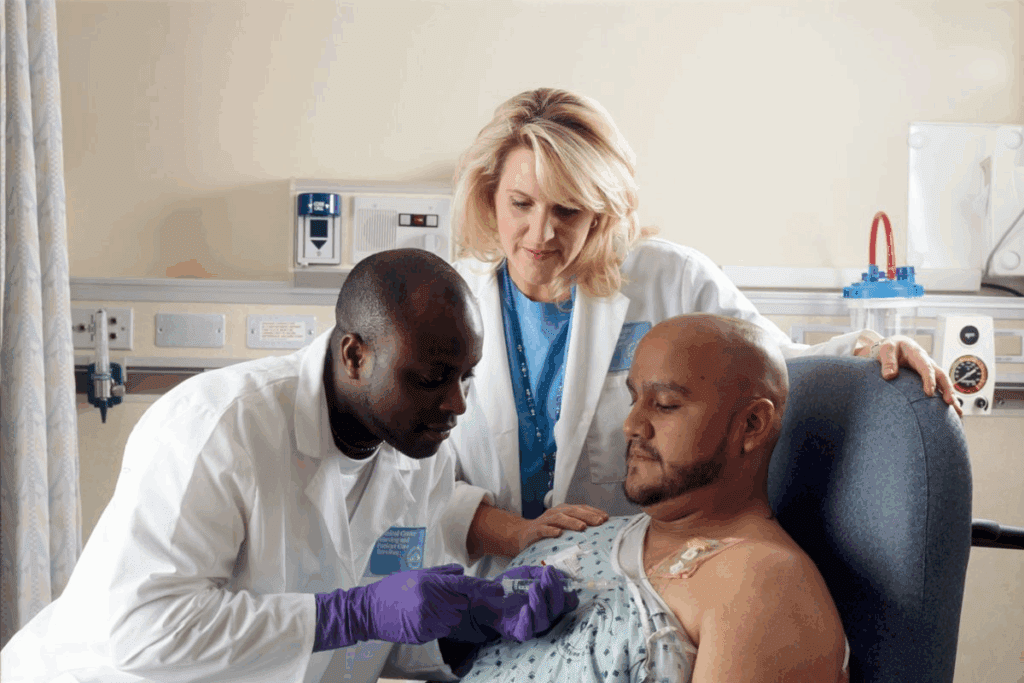
Did you know over 50,000 patients worldwide have had Gamma Knife radiosurgery? This treatment is for brain conditions like tumors and neurological disorders. It’s a non-invasive, pain-free way to target specific brain areas. Many patients wonder if they are sedated during the procedure. Get the definitive answer: are you sedated for a gamma knife? Understand the typical level of sedation or anesthesia used clearly.
The Gamma Knife procedure aims to treat brain cancer, tumors, and other neurological issues. It does so with little harm to healthy brain tissue. Knowing about sedation helps patients feel ready and comfortable for the treatment.
Key Takeaways
- The Gamma Knife procedure is a non-invasive treatment.
- It uses 192 intersecting gamma rays to target brain conditions.
- Patients often ask if they are sedated during the procedure.
- The treatment is designed to minimize impact on healthy tissue.
- Gamma Knife radiosurgery is used for various brain conditions.
What is Gamma Knife Radiosurgery
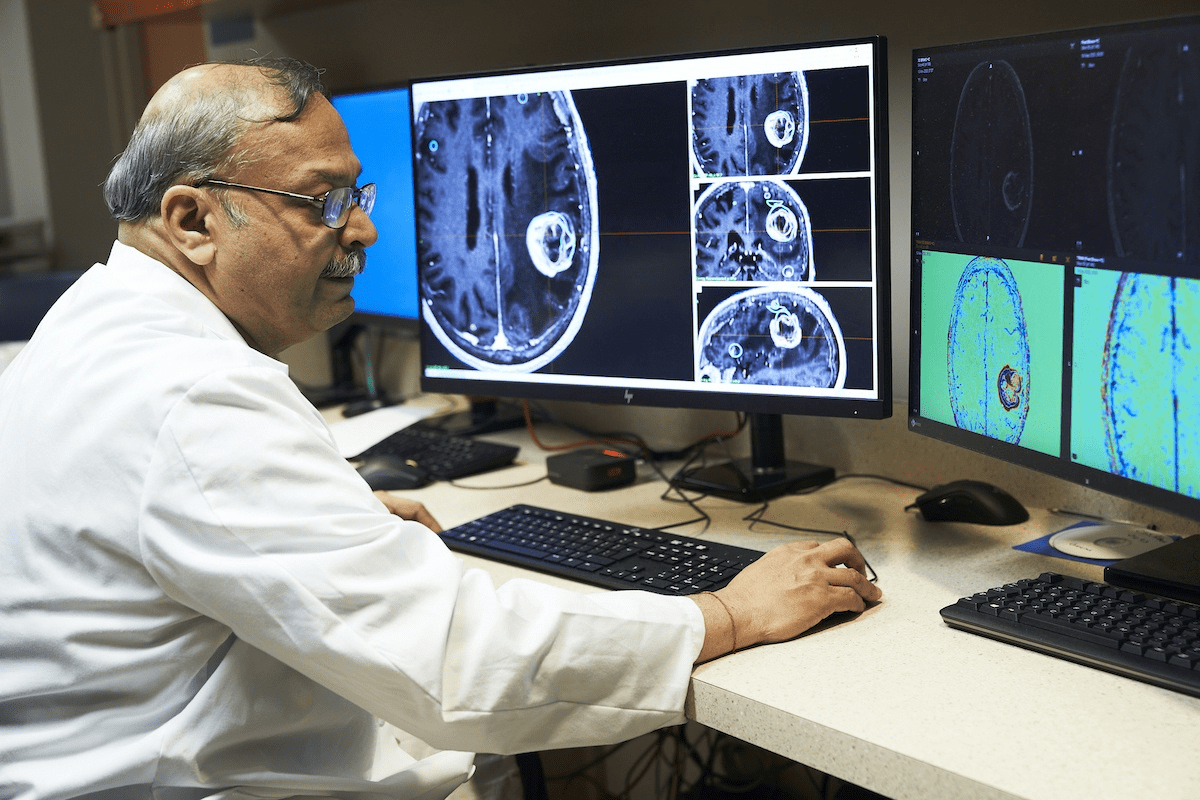
Gamma Knife radiosurgery is a non-invasive way to treat brain disorders. It uses advanced technology to target brain conditions without surgery. This method is precise and safe.
The technology behind Gamma Knife
The Elekta Esprit Gamma Knife system leads in this technology. It makes treatments more precise and flexible. It supports both traditional and new ways of keeping patients stable during treatment.
How it differs from traditional brain surgery
Gamma Knife radiosurgery is different from traditional surgery. It doesn’t need surgical cuts and lowers the risk of problems. This makes it a good choice for some patients.
Common conditions treated with Gamma Knife
Gamma Knife radiosurgery treats many brain conditions. These include:
Brain tumors and metastases
It’s great for treating brain tumors and metastases. These are tumors that spread to the brain from other places.
Vascular malformations
It’s also used for vascular malformations. These are abnormal connections between arteries and veins in the brain.
Functional disorders like trigeminal neuralgia
Gamma Knife radiosurgery can also treat functional disorders. This includes trigeminal neuralgia, a severe facial pain condition.
Gamma Knife radiosurgery offers a safe and precise treatment. It’s a better option than traditional surgery for many brain conditions.
The Sedation Process for Gamma Knife Procedures

Sedation is key to making patients comfortable during Gamma Knife radiosurgery. This precise treatment for brain disorders uses a special sedation process. It makes sure patients are comfortable and the treatment works well.
Types of Anesthesia Used During Gamma Knife
The anesthesia used can change based on the patient’s needs. Here are the main options:
Local Anesthesia for Frame Placement
Local anesthesia numbs the head where the frame is attached. This keeps the patient comfortable while the frame is put in place.
Conscious Sedation Options
Conscious sedation helps patients relax during the treatment. It keeps them awake but calm, which is good for some treatments.
When General Anesthesia Might Be Necessary
General anesthesia is needed for some patients. This includes those who are very anxious or have certain health issues that require deeper sedation.
Factors That Determine Your Sedation Needs
Several things affect the sedation needed for Gamma Knife radiosurgery. These include:
- Age and medical condition
- Anxiety levels and claustrophobia
- Length of the procedure
Age and Medical Condition
Older patients or those with health issues might need special sedation plans. This ensures their safety and comfort.
Anxiety Levels and Claustrophobia
Those with high anxiety or claustrophobia might need conscious sedation or general anesthesia. This helps reduce their discomfort.
Length of Procedure
Longer treatments might need deeper sedation. This keeps the patient comfortable throughout.
| Factor | Influence on Sedation |
| Age | Older patients may require less sedation due to health risks. |
| Medical Condition | Certain health issues might need changes in sedation type or level. |
| Anxiety/Claustrophobia | Higher levels might need conscious sedation or general anesthesia. |
The sedation for Gamma Knife radiosurgery is customized for each patient. It ensures a comfortable and effective treatment experience.
Step-by-Step Gamma Knife Procedure
The Gamma Knife radiosurgery process is a complex treatment with many steps. Each step is key for a successful outcome. This non-invasive method needs careful planning and precise execution for effective treatment of brain conditions.
Morning of Treatment Preparation
Patients arrive at the treatment center in the morning. Preparation involves reviewing the treatment plan and ensuring all steps are taken before starting. Patients are given local anesthesia to numb the areas where the stereotactic frame will be attached.
Stereotactic Frame Placement
A key step is the placement of a stereotactic frame around the patient’s head. This frame is secured with pins attached to the skull, keeping the head steady during treatment. Local anesthesia is used to reduce discomfort during this step.
Imaging Studies (MRI, CT, Angiography)
After the frame is placed, patients undergo imaging studies like MRI, CT, or angiography. These tests give detailed information about the brain area to be treated. This information is used for precise treatment planning.
Treatment Planning by the Medical Team
The medical team uses the imaging data to create a customized treatment plan. They determine the best radiation dosage and target area. The team works together to tailor the plan to the patient’s needs.
The Actual Radiation Delivery Session
In the radiation delivery session, the patient lies on a couch that slides into the Gamma Knife unit. The machine delivers precise radiation beams to the target area, guided by the frame. Patients are awake but relaxed, with the session lasting from 15 minutes to several hours, depending on the treatment’s complexity.
Frame Removal and Immediate Recovery
After radiation delivery, the stereotactic frame is removed. Patients are then monitored for a short time to check for immediate reactions. Most patients can go home soon after, with some experiencing minor side effects like headache or nausea. These are usually managed with medication.
“The Gamma Knife procedure is a remarkable example of modern medical technology, providing precise and effective treatment for various brain conditions with minimal recovery time.”
The Patient Experience During Gamma Knife Treatment
Patients getting Gamma Knife radiosurgery have a well-planned experience. It starts with preparation and ends with treatment. The goal is to make it as comfortable as possible, reducing anxiety and discomfort.
What you’ll feel during frame placement
When the stereotactic frame is put on, patients might feel some pressure. But, local anesthesia and sedation help keep them comfortable. This makes the process easier for everyone.
Comfort measures during the procedure
The medical team uses many ways to keep patients comfortable. They use local anesthesia and sedation for the frame. They also keep talking to the patient and watch them closely.
Communication with the medical team
Patients should talk to the medical team during the Gamma Knife treatment. This helps address any worries or discomfort. It makes the experience smoother for the patient.
Duration and what to expect in the treatment room
The Gamma Knife treatment takes a while, and patients spend a lot of time in the room. The room is made to be calm. It has advanced systems to monitor the patient.
The Gamma Knife machine environment
The Gamma Knife machine is very advanced for precise radiation therapy. The room has systems to watch the patient’s health during treatment.
Sounds and sensations
Patients might hear sounds from the machine, but they won’t feel pain. The machine is made to be quiet and not uncomfortable.
Monitoring during treatment
Keeping an eye on the patient is very important during Gamma Knife treatment. The team watches the patient’s vital signs and overall health. This ensures their safety and comfort.
Preparing for Your Gamma Knife Surgery
Gamma Knife surgery needs careful planning. This includes medical tests, adjusting medications, and making travel plans. Getting ready well is important for a good treatment and easy recovery.
Medical Evaluations and Tests
Before the surgery, you’ll have many tests. These check your health and the problem you’re facing. You might have blood tests, MRI or CT scans, and more.
Medication Adjustments Before Treatment
Some medicines might need to change or stop before the surgery. Tell your doctor about all your medicines. This includes blood thinners to avoid problems during or after treatment.
Eating and Drinking Guidelines
You’ll get special instructions on what to eat and drink before the surgery. Usually, you’ll be asked to not eat or drink for a while. This is to keep you safe.
What to Wear and Bring on Treatment Day
On the day of your treatment, wear comfy clothes. Don’t bring valuable things. Bring your important papers, insurance cards, and a list of your medicines.
Arranging Transportation and Aftercare
Because you might be sleepy during the surgery, have someone drive you home. Having help with aftercare can also make your recovery easier.
| Preparation Task | Description | Timeline |
| Medical Evaluations | Blood tests, imaging studies | Before treatment |
| Medication Adjustment | Review and adjust medications | As advised by doctor |
| Eating Guidelines | Fasting or specific diet | Before treatment |
| Transportation | Arrange for a driver | Treatment day |
| Aftercare | Arrange for assistance | After treatment |
Recovery and Aftercare Following Gamma Knife
Recovery and aftercare are key parts of the Gamma Knife treatment. They help patients get the best results. The Gamma Knife is designed to be gentle, making recovery easier.
Immediate Post-Procedure Effects
Patients might feel headache or dizziness right after the treatment. But these feelings usually don’t last long and can be treated with medicine. Knowing about these effects helps patients recover smoothly.
Going Home After Treatment
Most patients go home the same day as their treatment. Before leaving, they get clear instructions. These include activity restrictions, when to come back for follow-ups, and when to call their doctor.
Activity Restrictions and Limitations
Patients are told to avoid strenuous activities and heavy lifting for a while. This helps them recover safely and effectively.
Follow-Up Appointments and Imaging
Follow-up visits are important to check how the treatment is working. These might include imaging studies like MRI or CT scans.
When to Contact Your Doctor
Patients get clear instructions on when to call their doctor. This includes if they notice any complications or concerns. Following these guidelines is important for safety and treatment success.
Potential Side Effects and Complications
It’s important to know the risks and side effects of Gamma Knife radiosurgery. This treatment is safe and effective but can have complications.
Common side effects from the frame and sedation
The frame and sedation used in Gamma Knife can cause side effects. These include pain at the pin sites, headaches, and nausea. These effects are usually short-term and go away soon after the treatment.
Delayed radiation effects
Gamma Knife radiosurgery uses precise radiation. Rarely, this can cause swelling or damage to nearby tissues. It’s key to have regular check-ups to watch for these effects.
Rare but serious complications
Though rare, serious issues like radiation necrosis or cysts can happen. These can be managed with the right medical care. Long-term follow-up is vital.
Managing side effects effectively
Managing side effects requires preparation, monitoring, and care after treatment. Patients should follow their treatment team’s advice to reduce risks.
Knowing the side effects and complications of Gamma Knife radiosurgery helps prepare for treatment and recovery. It’s important to talk to your healthcare provider about any concerns.
Cost and Insurance Considerations for Gamma Knife
The cost of Gamma Knife radiosurgery is a big worry for patients. It’s key to look into insurance coverage and financial help.
Average costs of Gamma Knife treatment
The price of Gamma Knife treatment changes a lot. It depends on where you are, how complex the treatment is, and how many sessions you need. Usually, it costs between $8,000 and $14,000+ per session.
Insurance coverage in the United States
In the U.S., many insurances cover Gamma Knife radiosurgery. But, how much they cover can vary a lot. It’s important for patients to check their insurance and know what they might have to pay out of pocket.
Questions to ask your insurance provider
Patients should ask their insurance company some key questions. For example: Does my policy cover Gamma Knife treatment? What will I have to pay for it? Are there any steps I need to take before getting treatment?
Financial assistance programs
For those who are struggling financially, there are programs to help. These can reduce the cost of Gamma Knife treatment. Patients should talk to their healthcare team or a financial advisor about these options.
Knowing about costs, insurance, and financial aid helps patients make better choices about Gamma Knife treatment.
Conclusion: Making an Informed Decision About Gamma Knife
Gamma Knife radiosurgery is a top choice for treating many neurological issues. It’s a noninvasive method that works well. Knowing how it works, its benefits, and possible risks helps patients decide.
Looking at the Gamma Knife benefits is important. It’s noninvasive and often successful. Talking to a doctor about your situation helps you choose wisely.
Being well-informed is key to the right treatment choice. With the right info, you can talk to your doctor. This way, you pick the best treatment for you.
FAQ
What is Gamma Knife radiosurgery?
Gamma Knife radiosurgery is a noninvasive treatment. It uses advanced technology to target specific brain areas. This makes it effective for treating brain tumors, metastases, and more.
Are you sedated for a Gamma Knife procedure?
The anesthesia used can vary. It might be local, conscious sedation, or general anesthesia. The choice depends on the patient’s health and the procedure’s complexity.
What are the common conditions treated with Gamma Knife?
It treats brain tumors, metastases, and vascular malformations. It also helps with functional disorders like trigeminal neuralgia.
How does Gamma Knife differ from traditional brain surgery?
Gamma Knife is noninvasive, unlike traditional surgery. It uses precise radiation beams. This reduces risks and speeds up recovery.
What is the Gamma Knife procedure like?
The procedure includes several steps. These are preparation, frame placement, imaging, treatment planning, radiation delivery, and frame removal. A team manages each step for a smooth treatment.
What are the possible side effects of Gamma Knife radiation?
Side effects can include those from the frame and sedation. There are also risks from radiation. Serious complications are rare but can happen. Knowing about these is key to managing them.
How much does Gamma Knife treatment cost?
The cost varies. Insurance options are available. It’s important to ask about coverage to understand costs.
Can I drive myself home after Gamma Knife treatment?
No, you should arrange for transport. You might feel tired or uncomfortable after treatment.
How long does it take to recover from Gamma Knife treatment?
Recovery time varies. Most can return to normal activities in a few days. You’ll get detailed instructions on what to do next.
Will I experience pain during the Gamma Knife procedure?
You might feel some discomfort during frame placement. But, there are measures to reduce pain and anxiety.
Can Gamma Knife cause memory loss?
Gamma Knife is safe, but there are risks. These include memory loss or cognitive changes. But, this is rare and depends on the treatment area.
References
National Center for Biotechnology Information. Evidence-Based Medical Insight. Retrieved from https://pubmed.ncbi.nlm.nih.gov/31269046/