Hemochromatosis is a genetic disorder that causes too much iron in the body. This iron builds up in organs like the liver, pancreas, and heart. It can damage these tissues and even cause organ failure if not treated.
This condition is part of the infiltrative diseases group. These diseases are marked by substances building up in organs, which can lead to dysfunction.
Seeing Hemochromatosis as an infiltrative condition helps us understand its impact on the body. For more details on Hemochromatosis, check out.
Key Takeaways
- Hemochromatosis is a genetic disorder causing iron overload.
- It affects multiple organs, including the liver, pancreas, and heart.
- Iron accumulation can lead to tissue damage and organ failure.
- Hemochromatosis is classified as an infiltrative disease due to iron deposition.
- Understanding the condition is key for effective management.
What Makes a Disease Infiltrative?
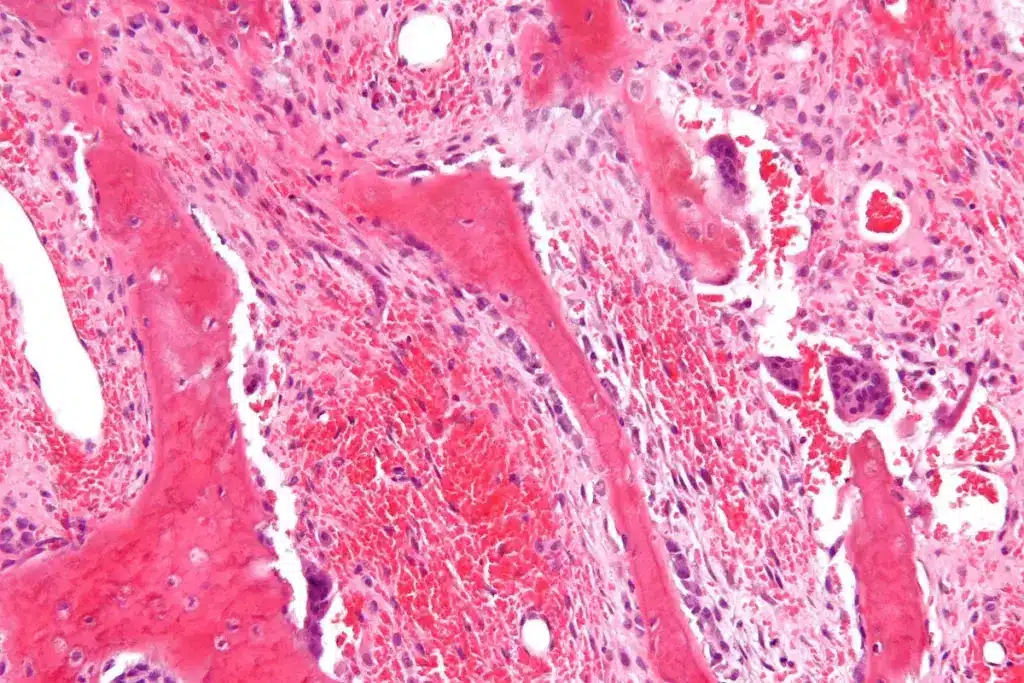
Infiltrative diseases happen when substances or cells build up in organs, messing with their normal work. These diseases are a mix of disorders where substances or cells gather in tissues. This buildup causes organs to not work right.
Characteristics of Infiltrative Diseases
Infiltrative diseases have some key traits. They involve the buildup of substances or cells that shouldn’t be there in big amounts in certain tissues or organs. This buildup can cause organ dysfunction and serious damage if not treated.
Many things can cause infiltrative diseases, like genes, metabolic issues, or outside factors like infections or pollution. The type of substance or cell that builds up can change how the disease shows up and how it might end.
Common Examples of Infiltrative Conditions

Many diseases are considered infiltrative because of how they work. Hemochromatosis, for example, is when too much iron builds up in organs like the liver, heart, and pancreas. Other examples include Amyloidosis, where amyloid proteins gather in tissues, and Sarcoidosis, where certain cells invade various organs.
These diseases show how different infiltrative diseases can be. Knowing their specific traits is key for correct diagnosis and treatment.
How to Define Infiltrative Diseases in Medical Context
Infiltrative diseases are a complex group of medical conditions. They happen when substances or cells build up in tissues. This can really hurt how tissues and organs work. It’s key to know about these diseases to diagnose and treat them right.
Pathological Definition
Infiltrative diseases happen when abnormal stuff gets into normal tissues. This can be because of genes, metabolism issues, or outside factors. For example, amyloidosis makes proteins build up in tissues, causing organs to fail. This definition helps us understand how these diseases work.
“The buildup of abnormal stuff in tissues is a key part of infiltrative diseases,” say medical experts. “It leads to problems with cells and organs.”
Clinical Significance of Infiltration
Infiltrative diseases really affect how organs work and what symptoms patients have. As these diseases get worse, they can cause a lot of harm. For instance, hemochromatosis can lead to iron overload, causing liver and heart problems, and diabetes. It’s important to spot these diseases early to treat them well.
When we deal with infiltrative diseases, we need to look at all the symptoms. We must see how these diseases affect the whole body. This way, doctors can give patients the best care possible.
Early detection and treatment are key in managing infiltrative diseases. Doctors use different methods to stop harmful buildup and help with the disease’s effects on the body.
Hemochromatosis: An Overview

To understand hemochromatosis, we must explore its complex nature and history. It’s a genetic disorder where the body absorbs too much iron. This leads to iron buildup, causing serious health issues if not treated early.
Types of Hemochromatosis
Hemochromatosis isn’t just one condition but a group of disorders. Each has its own cause. The main types are:
- Hereditary Hemochromatosis (HH): This is the most common form, linked to genetic mutations in iron metabolism.
- Secondary Hemochromatosis: Caused by factors like blood transfusions, chronic hemolysis, or certain diseases.
- Juvenile Hemochromatosis: A rare form that affects younger people, often with severe symptoms.
Each type has its own traits and needs for treatment.
Historical Understanding of the Condition
The understanding of hemochromatosis has grown a lot over time. It was first noted in the late 19th century, linked to cirrhosis and diabetes. The term “hemochromatosis” was created to describe iron buildup in tissues. Genetics have revealed the molecular causes of hereditary hemochromatosis, focusing on the HFE gene.
Before, diagnosis often came too late, when damage to organs was severe. But now, thanks to genetic testing and better diagnostic tools, we can catch it early. This has greatly improved the outlook for those with the disease.
The Pathophysiology of Hemochromatosis
In hemochromatosis, the body’s iron regulation goes wrong, leading to too much iron. It’s key to know how iron works normally first.
Iron Metabolism in Normal Physiology
Iron metabolism is a complex process. It involves absorbing, moving, and storing iron. Normal iron homeostasis is vital for many body functions, like carrying oxygen and making DNA. The hormone hepcidin controls how much iron is absorbed and released.
The steps are:
- Dietary iron is absorbed in the duodenum.
- Iron is carried in the blood by transferrin.
- Iron is stored as ferritin or hemosiderin in cells.
- Hepcidin manages iron absorption and release based on needs.
Disrupted Iron Homeostasis in Hemochromatosis
In hemochromatosis, iron regulation fails, causing too much iron absorption. This usually happens because of genetic changes in the HFE gene or other genes like hepcidin or transferrin receptor 2.
The effects include:
- More iron is absorbed from the gut.
- High levels of free iron cause oxidative stress.
- Iron builds up in organs like the liver, heart, and pancreas.
Understanding these issues helps us find better treatments for hemochromatosis.
Knowing how hemochromatosis messes with iron metabolism is key. It shows why early diagnosis and treatment are so important to avoid serious problems later.
Genetic Factors in Hereditary Hemochromatosis
Understanding the genetic factors behind hereditary hemochromatosis is key for early diagnosis and treatment. This genetic disorder causes too much iron in the body. If not treated, it can lead to serious health problems.
The HFE Gene and 282Tyr Mutation
The HFE gene is important in hereditary hemochromatosis. The 282Tyr mutation is the most common cause. This mutation makes the HFE protein not work right, leading to too much iron in the body. This mutation is more common in people from Northern Europe.
Most people with this condition have two copies of the mutated gene. This is because they got one from each parent. While having two copies increases the risk, other factors can also play a role.
Prevalence in Different Populations
The frequency of hereditary hemochromatosis varies by population. In Northern Europe, about 1 in 200 people have the mutation. It’s less common in Africa, Asia, and Hispanic populations.
- Hereditary hemochromatosis is more common in Northern Europe.
- Testing for the HFE gene mutation is advised for those with a family history.
- Early treatment can greatly improve outcomes for those with the condition.
Testing for hereditary hemochromatosis looks for mutations in the HFE gene. Finding these mutations early can help prevent iron overload problems.
Iron Deposition Patterns in Hemochromatosis
The way iron builds up in hemochromatosis tells us a lot about the disease’s progress and possible problems. It’s important to know how iron gathers to manage the condition well.
Primary Sites of Iron Accumulation
In hemochromatosis, iron mainly builds up in the liver, pancreas, heart, and skin. These organs are more likely to get damaged by too much iron. This damage can cause different health issues.
The liver is typically the first organ affected due to its central role in iron metabolism. Too much iron in the liver can cause scarring and cirrhosis if not treated. The pancreas is also at risk, and iron buildup there can lead to diabetes.
Progression of Iron Deposition Over Time
As time goes on, more iron in these organs can cause more harm. In the heart, too much iron can damage the heart muscle, possibly causing heart failure. In the skin, iron buildup can cause dark spots, a sign of advanced hemochromatosis.
Knowing how iron builds up over time helps doctors predict and prevent problems. By keeping an eye on iron levels and checking organ health, doctors can start treatment early. This can help lessen the disease’s impact.
Liver Involvement in Hemochromatosis
Liver involvement is a key feature of hemochromatosis, leading to severe liver damage if not treated. Hemochromatosis causes too much iron to build up in the body. The liver is one of the main organs hit by this iron overload.
Mechanisms of Iron Accumulation
The liver plays a big role in iron metabolism. This makes it very vulnerable to damage from too much iron. In hemochromatosis, the body absorbs more iron than it should. This extra iron goes to the liver, causing harm to liver cells.
Progression to Liver Fibrosis and Cirrhosis
Too much iron in the liver can cause fibrosis, where liver tissue scars. If not treated, this can turn into cirrhosis. Cirrhosis makes the liver very scarred, harming its function. Catching hemochromatosis early and treating it is key to avoiding these problems.
It’s important to understand how iron builds up in the liver and how it can lead to fibrosis and cirrhosis. By tackling iron overload early, we can lower the risk of serious liver damage. This improves the chances of better health outcomes for patients.
Cardiac Manifestations of Hemochromatosis
Hemochromatosis can harm the heart by causing iron overload. This overload can lead to severe heart problems. It happens when iron builds up in heart tissues, causing cardiomyopathy.
Iron Infiltration in Cardiac Tissues
Too much iron in the body can lead to iron overload in the heart. This can disrupt heart function. It may cause arrhythmias, heart failure, and other serious issues.
Studies show that iron chelation therapy can help manage this. It improves heart function and patient outcomes.
Iron buildup in heart tissues can cause heart problems. It damages heart cells, leading to dysfunction. This can range from mild to severe cardiomyopathy.
Cardiomyopathy Development
Cardiomyopathy is a serious issue in hemochromatosis due to iron overload. It involves oxidative stress, inflammation, and fibrosis. Early treatment is key to prevent it.
Cardiomyopathy in hemochromatosis can be classified into types. The most common is dilated cardiomyopathy. It makes the heart chambers big, reducing its pumping ability.
|
Cardiac Complication |
Description |
Management Strategies |
|---|---|---|
|
Arrhythmias |
Abnormal heart rhythms due to iron overload |
Anti-arrhythmic medications, cardioversion |
|
Heart Failure |
Reduced heart function due to prolonged iron overload |
Diuretics, ACE inhibitors, beta-blockers |
|
Cardiomyopathy |
Disease of the heart muscle leading to impaired heart function |
Iron chelation therapy, therapeutic phlebotomy |
It’s important to understand the heart problems caused by hemochromatosis. Early detection and treatment can prevent severe heart issues. This helps improve patient outcomes and reduces risks.
Pancreatic Involvement and Metabolic Consequences
In Hemochromatosis, too much iron can harm the pancreas. This damage may cause diabetes and other metabolic problems. The pancreas is key to managing blood sugar levels, and its problems can be serious.
Beta Cell Dysfunction
Iron buildup in the pancreas can hurt beta cells. These cells make insulin, which controls blood sugar. When beta cells are damaged, insulin production drops, leading to diabetes. Research links iron in the pancreas to less insulin and poor blood sugar control.
Mechanisms of Beta Cell Damage: How iron overload harms beta cells is complex. Oxidative stress, caused by too much iron, is a big factor. Free radicals from iron can damage cells, causing beta cell problems and death.
Development of Diabetes in Hemochromatosis
Diabetes is a known problem in Hemochromatosis. It’s caused by iron damage to beta cells and insulin resistance in other tissues. These issues can make it hard to control blood sugar and lead to diabetes.
Clinical Implications: Diabetes in Hemochromatosis makes treatment harder. It needs a detailed plan to manage iron and blood sugar. Finding and treating problems early is key to avoiding diabetes complications.
Managing patients with Hemochromatosis and diabetes requires a team effort. It includes checking blood sugar, removing excess iron, and managing diabetes with diet and medicine if needed.
Skin and Joint Manifestations
Skin and joint problems are big issues for people with hemochromatosis. These issues make life harder for those affected. They happen because of too much iron in the body.
Hyperpigmentation Mechanisms
Hyperpigmentation is a key sign of hemochromatosis. It makes the skin look bronze or gray. This happens when melanin and iron build up in the skin.
Hyperpigmentation is more than just skin deep. It shows the body’s iron overload. Iron and melanin in the skin are the main causes.
Key factors contributing to hyperpigmentation in hemochromatosis include:
- Increased melanin production
- Direct iron deposition in skin tissues
- Hormonal influences, such as MSH
Arthropathy in Hemochromatosis
Arthropathy, or joint disease, is common in hemochromatosis. It mainly hits the small joints of the hands, like the second and third metacarpophalangeal joints.
Iron buildup in joints causes arthropathy. It leads to pain, stiffness, and less mobility. This makes daily life tough.
|
Joint Symptoms |
Characteristics |
|---|---|
|
Pain and stiffness |
Commonly affects small joints of the hands |
|
Degenerative changes |
Results from iron deposition and inflammation |
|
Reduced mobility |
Impacts quality of life and daily activities |
It’s important to know about skin and joint problems in hemochromatosis. Early treatment can help lessen these symptoms. This improves life for those affected.
Gender Differences in Disease Expression
Gender is key in how hemochromatosis shows up, affecting diagnosis and treatment. Men are more often hit by it than women. This difference changes how doctors handle the disease.
Male Predominance in Clinical Manifestation
Research shows men show symptoms of hemochromatosis sooner and more often than women. This male predominance comes from iron metabolism differences and the iron loss women get through menstruation.
- Men lose iron less often because they don’t menstruate.
- Genetic factors might also play a part, making certain mutations more common in men.
- Men are more likely to get serious problems like cirrhosis, heart issues, and diabetes from hemochromatosis.
Protective Factors in Females
Women, mainly those who are not yet menopausal, are less likely to show symptoms of hemochromatosis. This is because they lose iron through menstruation. But, after menopause, iron builds up in their bodies.
Key protective factors in females include:
- Menstrual blood loss helps reduce iron stores.
- Women absorb less dietary iron than men.
- Hormones can also affect how iron is processed in the body.
It’s important to understand these gender differences to catch and treat hemochromatosis early. Doctors need to know the different risks for men and women to give the best care.
Age-Related Penetrance of Hemochromatosis
Exploring Hemochromatosis shows us that many things affect when it starts. This condition, where too much iron builds up, usually shows up in middle age. But, when it does can change based on different factors.
Typical Age of Onset
Hemochromatosis usually starts in the 40s or 50s. Genetics, like mutations in the HFE gene, are big players in this. People with a strong genetic risk might show signs sooner, while others might not until later.
Factors Affecting Age of Presentation
Many things can change when Hemochromatosis shows up. These include:
- Genetic factors: The type of genetic mutations, like those in the HFE gene, can greatly affect when symptoms start.
- Gender: Men often show symptoms sooner than women, as we’ve seen before.
- Dietary habits: Eating a lot of iron or drinking alcohol can make iron levels rise faster, leading to symptoms sooner.
- Other health conditions: Having other diseases that affect iron or liver health can also change when symptoms appear.
Knowing these factors helps doctors find people at risk early. Catching it early can make a big difference in managing Hemochromatosis.
Diagnostic Approaches to Hemochromatosis
To diagnose hemochromatosis, doctors use several methods. These include lab tests, imaging, and looking at tissue samples. This detailed approach helps find the condition and see how severe it is.
Laboratory Assessment
Lab tests are key in finding hemochromatosis. The first step is to check transferrin saturation and serum ferritin levels. High levels of these can show too much iron.
- Transferrin saturation shows how much iron is bound to transferrin.
- Serum ferritin shows how much iron the body has stored.
Genetic tests are also important. They look for changes in the HFE gene, like C282Y and H63D. This confirms if the condition is inherited.
Imaging Techniques
Imaging helps see how much iron is in organs like the liver. Magnetic Resonance Imaging (MRI) is great for this. It can measure how much iron is in the liver.
A study in the Journal of Hepatology found MRI is good for checking liver iron. It matches well with biopsy results.
MRI is a non-invasive way to diagnose and keep track of hemochromatosis.
Biopsy and Histological Examination
Sometimes, a liver biopsy is needed. It lets doctors see iron buildup and liver damage directly. Looking at tissue samples can show iron overload and damage.
- The biopsy is stained with Prussian blue to see iron.
- Looking at the tissue helps figure out how bad the iron buildup and scarring are.
Even though biopsy is the best way to check liver damage, MRI has made it less common.
Treatment Strategies for Iron Overload
Managing iron overload in hemochromatosis needs a mix of treatments. These strategies help lower iron levels and prevent damage. This approach improves patient outcomes and quality of life.
Therapeutic Phlebotomy
Therapeutic phlebotomy is key for most hemochromatosis patients. It removes blood to lower iron levels. Phlebotomy is done weekly or biweekly until iron levels are normal. Then, it’s done every 2-4 months to keep levels stable.
The goals of this treatment are:
- To reduce iron overload
- To prevent organ damage
- To improve symptoms and quality of life
Chelation Therapy
For those who can’t have phlebotomy, chelation therapy is an option. This treatment uses medicines to bind to iron, helping it leave the body.
Chelation therapy is good for patients with:
- Anemia or other conditions that prevent phlebotomy
- Severe heart problems
- Other reasons they can’t have phlebotomy
Dietary Modifications
Dietary changes help manage hemochromatosis too. They’re not a replacement for phlebotomy or chelation therapy but can help control iron levels.
Important dietary tips include:
|
Dietary Change |
Rationale |
|---|---|
|
Avoiding iron-rich foods |
Reduces dietary iron intake |
|
Limiting vitamin C intake with meals |
Vitamin C enhances iron absorption |
|
Avoiding alcohol |
Alcohol can increase iron absorption and liver damage |
By using these treatments together, healthcare providers can manage iron overload in hemochromatosis patients. This improves their quality of life and reduces the risk of complications.
Comparing Hemochromatosis to Other Infiltrative Diseases
It’s important to know how Hemochromatosis compares to diseases like Amyloidosis and Sarcoidosis. These diseases all involve abnormal substances building up in organs. This buildup can cause serious problems.
Amyloidosis
Amyloidosis happens when abnormal proteins called amyloid build up in the body. It’s different from Hemochromatosis, which is caused by too much iron. Amyloidosis can affect many organs and cause symptoms like tiredness and swelling.
Amyloidosis and Hemochromatosis differ in what builds up and which organs are affected. Hemochromatosis mainly hits the liver, heart, and pancreas. Amyloidosis can affect more areas, like the kidneys and nerves.
Sarcoidosis
Sarcoidosis is a disease where abnormal growths called granulomas form in the body. It often affects the lungs and lymph nodes. It’s caused by an immune system problem, not genetic mutations like Hemochromatosis.
Doctors use imaging and biopsies to diagnose Sarcoidosis. Hemochromatosis is diagnosed through genetic tests and iron level checks. Treatment for Sarcoidosis aims to reduce inflammation. Hemochromatosis treatment focuses on lowering iron levels.
Glycogen Storage Diseases
Glycogen Storage Diseases (GSDs) are genetic disorders that cause glycogen to build up in the liver and muscles. Like Hemochromatosis, they result from genetic problems. But their symptoms and treatments are different.
GSDs can cause low blood sugar, muscle weakness, and other issues. Treatment includes diet changes and other supportive care. Unlike Hemochromatosis, GSDs are managed to keep blood sugar stable and prevent crises.
Conclusion: Hemochromatosis as a Model Infiltrative Disease
Hemochromatosis is a key example of an infiltrative disease. It happens when iron builds up in the body due to genetic issues. We’ve looked at how it affects organs like the liver, heart, and pancreas.
Learning about Hemochromatosis helps us understand other diseases like amyloidosis and sarcoidosis. It shows how important it is to catch and treat these diseases early.
By studying Hemochromatosis, we gain insight into the challenges of infiltrative diseases. This knowledge helps us create better treatment plans. It aims to improve how we care for patients with similar conditions.
FAQ
What is an infiltrative disease?
An infiltrative disease is when substances or cells build up in organs. This can cause them to not work right. Examples include Hemochromatosis, Amyloidosis, and Sarcoidosis.
Is Hemochromatosis considered an infiltrative disease?
Yes, Hemochromatosis is an infiltrative disease. It happens when iron builds up in tissues and organs, causing problems.
What is the genetic basis of Hereditary Hemochromatosis?
Hereditary Hemochromatosis is mainly linked to a mutation in the HFE gene. The most common mutation is 282Tyr.
How does Hemochromatosis affect the liver?
Hemochromatosis causes iron to build up in the liver. If not treated, it can lead to liver damage and scarring.
What are the cardiac manifestations of Hemochromatosis?
Hemochromatosis can damage the heart by depositing iron in heart tissues. This can cause heart muscle problems.
How does Hemochromatosis affect the pancreas?
It can harm the pancreas’ beta cells. This can lead to diabetes.
What are the typical skin and joint manifestations of Hemochromatosis?
Hemochromatosis can cause skin darkening and joint pain. These symptoms can really affect a person’s life.
Are there gender differences in the expression of Hemochromatosis?
Yes, men are more likely to get Hemochromatosis. Women might have factors that delay the disease’s start.
What is the typical age of onset for Hemochromatosis?
Hemochromatosis usually starts in adulthood. The exact age can vary.
How is Hemochromatosis diagnosed?
Doctors use tests, imaging, and biopsies to diagnose Hemochromatosis. They look at the tissue under a microscope.
What are the treatment strategies for managing iron overload in Hemochromatosis?
Treatment includes removing iron through blood draws, using chelation therapy, and changing diets to manage iron levels.
How does Hemochromatosis compare to other infiltrative diseases like Amyloidosis and Sarcoidosis?
Hemochromatosis is similar to other diseases in some ways. But it’s different because it involves iron buildup. This sets it apart from Amyloidosis and Sarcoidosis.
What is infiltrative cardiomyopathy?
Infiltrative cardiomyopathy is when diseases like Hemochromatosis affect the heart. Iron buildup can harm the heart’s function.
What is the ICD10 code for infiltrative cardiomyopathy?
The ICD10 code for heart problems due to diseases like Hemochromatosis falls under specific categories for heart conditions.
References
- Sweet, M. E., Mestroni, L., & Taylor, M. R. G. (2018). Genetic infiltrative cardiomyopathies. Heart Failure Clinics, 14(2), 215–224. https://doi.org/10.1016/j.hfc.2017.12.003 PMC+1
- Allanson, J. (2009). Genetics: Hereditary hemochromatosis. PMC. https://pmc.ncbi.nlm.nih.gov/articles/PMC2628833/ PMC
- Crownover, B. K., & Covey, C. J. (2013). Hereditary hemochromatosis. American Family Physician, 87(3), 183–190. PMID: 23418762 PubMed
- “What is Hemochromatosis?” (n.d.). News-Medical. Retrieved from https://www.news-medical.net/health/What-is-Hemochromatosis.aspx
- “Clinical manifestations and diagnosis of hereditary hemochromatosis.” (n.d.). UpToDate. Retrieved from https://www.uptodate.com/contents/clinical-manifestations-and-diagnosis-of-hereditary-hemochromatosis
- (Authors). (Year). [Title]. PMC. https://www.ncbi.nlm.nih.gov/pmc/articles/PMC6434856/
- “Hereditary Hemochromatosis.” (n.d.). MedlinePlus. Retrieved from https://medlineplus.gov/genetics/condition/hereditary-hemochromatosis/ MedlinePlus