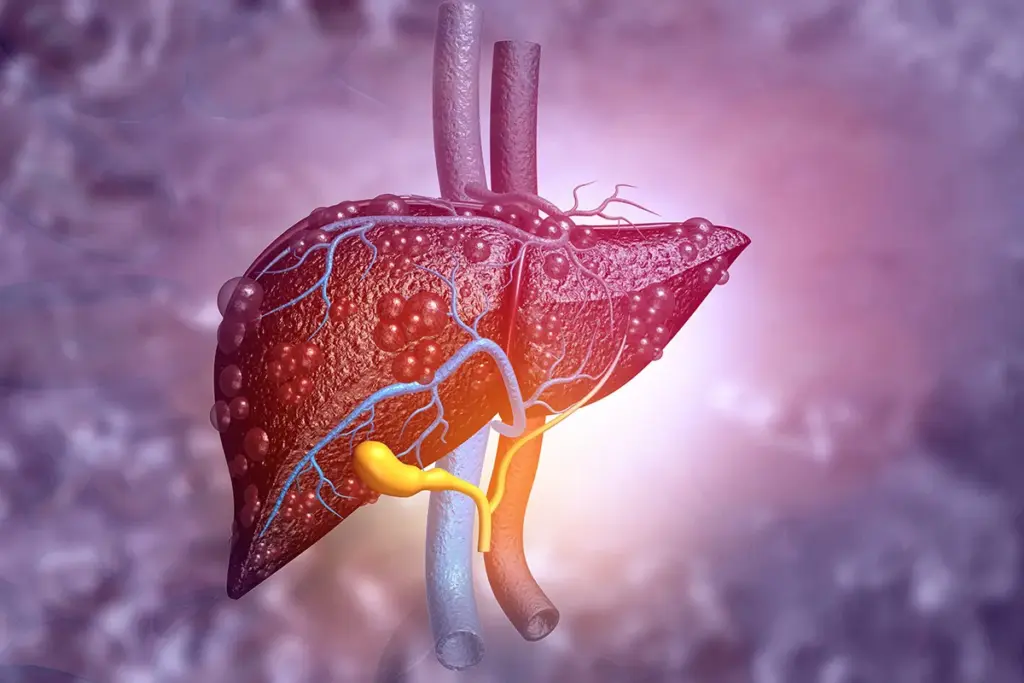
Infiltrative liver disease happens when abnormal substances or cells enter healthy liver tissue. This can cause problems with how the liver works and its structure. We will look into how these issues affect liver health and function.
Recent studies show that infiltrative liver diseases are becoming more common. Metabolic dysfunction–associated steatotic liver disease (MASLD) is the most common, affecting 33.7% of US adults in 2020. This growing problem highlights the need for better awareness and management.
Key Takeaways
- Infiltrative liver disease involves the invasion of abnormal substances or cells into healthy liver tissue.
- These conditions disrupt normal liver function and architecture, potentially leading to serious health issues.
- MASLD is identified as the most prevalent chronic infiltrative liver disease in the US.
- The prevalence of MASLD was 33.7% among US adults in 2020, indicating a significant public health concern.
- Understanding infiltrative liver disease is key to creating effective prevention and care plans.
Understanding Liver Infiltrative Diseases
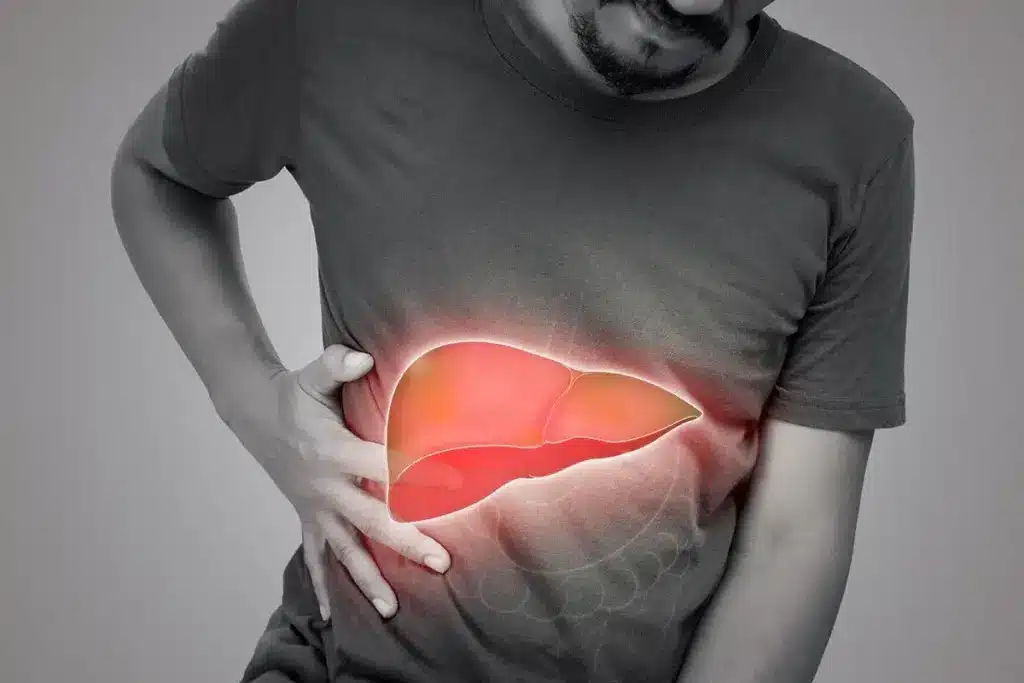
The liver is key to our body’s health. Diseases that infiltrate it can cause big problems. To get what’s going on, we need to know about liver anatomy and function.
Basic Liver Anatomy and Function
The liver is the biggest organ inside us. It does many important jobs. It helps with metabolism, detoxification, and making bile and proteins.
Its special design lets it filter blood well. This is thanks to its structure, with hepatic lobules and sinusoids.
The liver gets blood from two main places: the hepatic artery and the portal vein. The hepatic artery brings oxygen-rich blood. The portal vein carries blood full of nutrients from the stomach. This setup helps the liver do its jobs.
How Infiltration Disrupts Normal Liver Architecture
Infiltrative liver diseases fill the liver with bad stuff. This messes up its structure and how it works. For example, too much fat in the liver can cause inflammation and harm liver cells.
This mess can really hurt the liver’s function. It might not be able to clean the blood or make proteins right. In the worst cases, it can cause liver fibrosis, cirrhosis, or even hepatocellular carcinoma.
How to Define Infiltrative Processes in Hepatology
The term ‘infiltrative liver disease’ refers to disorders where the liver’s structure is altered by abnormal cells or materials. These diseases are marked by the buildup of substances or cells not found in a healthy liver. This buildup leads to various health issues. We will look into the unique traits of these diseases and the changes they cause at the cellular and tissue levels.
Distinguishing Features of Infiltrative vs. Other Liver Diseases
Infiltrative liver diseases stand out from other liver conditions because of their unique cause. Unlike inflammatory or infectious diseases, they involve the buildup of abnormal substances or cells in the liver. This buildup can cause a range of symptoms, from none at all to severe liver problems.
“The diagnosis of infiltrative liver diseases requires a deep understanding of the underlying pathological processes,” say experts. We will cover what makes infiltrative diseases different. This includes their symptoms, how they are diagnosed, and what they look like under a microscope.
Cellular and Tissue-Level Changes
Infiltrative liver diseases cause big changes in how the liver works and looks. The buildup of abnormal substances or cells can harm liver cells and function. If not treated, it can even lead to liver damage or failure.
- The presence of abnormal cells can distort liver sinusoids and harm liver cells.
- The buildup of substances like fat or amyloid changes liver tissue, visible through imaging or biopsy.
It’s key to understand these changes for diagnosing and treating infiltrative liver diseases. We will dive into the cellular and tissue changes these diseases cause. This will give us insights into what drives these diseases.
Common Types of Infiltrative Liver Diseases

There are several common liver diseases that need careful understanding for diagnosis and treatment. These diseases change how the liver looks and works. They can cause different symptoms.
Metabolic Dysfunction–Associated Steatotic Liver Disease (MASLD)
MASLD, once called non-alcoholic fatty liver disease (NAFLD), is a major liver disease. It happens when liver cells have too much fat. This can lead to inflammation and scarring. About 33.7% of US adults had MASLD in 2020, making it a big health issue.
A study found that MASLD is a big reason for liver problems and deaths. It’s linked to more obesity and metabolic syndrome.
“The growing burden of MASLD needs a full plan to prevent, find early, and treat it. This is to protect liver health.”
Amyloidosis
Amyloidosis is a rare disease where a protein called amyloid builds up in organs, like the liver. This buildup can harm the liver. People with amyloidosis in the liver can have different symptoms, from none to serious liver damage. Finding the disease can be hard.
- Liver gets bigger
- Liver function tests show problems
- Advanced cases can lead to liver failure
Lymphoma and Other Malignancies
Lymphoma and other cancers can spread to the liver. This can show up as widespread or specific spots in the liver, making it hard to diagnose.
Doctors use imaging, lab tests, and sometimes a liver biopsy to find these diseases. Finding them early is key to better treatment and outcomes.
Metabolic Causes of Liver Infiltration
Infiltrative liver diseases often stem from metabolic problems. It’s key to grasp these underlying causes. These disorders can severely affect liver health. We’ll look into how metabolic issues cause liver infiltration, focusing on fat buildup, glycogen storage diseases, and other conditions.
Fat Accumulation Disorders
Fat buildup in the liver, like in Metabolic Dysfunction–Associated Steatotic Liver Disease (MASLD), is a big concern. It can turn into more serious liver diseases, like steatohepatitis and cirrhosis. Fat in the liver messes with liver function, causing inflammation and fibrosis.
A leading expert notes,
“The growing prevalence of MASLD is a significant concern, as it not only affects the liver but also has implications for overall metabolic health.”
Changing your lifestyle and acting early are key to managing MASLD and stopping its worsening.
Glycogen Storage Diseases
Glycogen storage diseases are genetic issues that mess with glycogen storage and breakdown. They cause glycogen to build up in the liver, disrupting its function. These diseases are a less common but significant cause of liver infiltration.
- Glycogen storage disease type I (Von Gierke’s disease) is caused by a lack of glucose-6-phosphatase, leading to glycogen buildup.
- Other types, like type III and type IV, also affect the liver but in different ways.
Other Metabolic Infiltrative Conditions
Other metabolic conditions can also cause liver infiltration. For example, lysosomal storage diseases lead to substance buildup in lysosomes, impacting liver function. Knowing about these various metabolic causes is vital for diagnosing and treating liver diseases effectively.
|
Condition |
Primary Effect on the Liver |
|---|---|
|
MASLD |
Fat accumulation, potentially leading to steatohepatitis and cirrhosis |
|
Glycogen Storage Diseases |
Glycogen accumulation, disrupting normal liver function |
|
Lysosomal Storage Diseases |
Accumulation of substances within lysosomes, affecting liver function |
Inflammatory and Immune-Mediated Infiltrative Disorders
Inflammatory and immune-mediated infiltrative disorders are complex conditions that harm the liver. They involve the immune system and liver cells, causing changes in the liver.
“The liver plays a key role in the immune system,” experts say. “It’s involved in many diseases.” Knowing about these conditions helps doctors find better treatments.
Sarcoidosis
Sarcoidosis is a disease that can affect the liver and other parts of the body. It causes the liver to form non-caseating granulomas. These can harm the liver’s structure and function.
Hepatic sarcoidosis happens when immune cells gather in the liver. They form granulomas in response to unknown triggers. This can cause long-term inflammation and scarring.
Key Features of Hepatic Sarcoidosis:
- Non-caseating granulomas
- Chronic inflammation
- Potential for fibrosis
Autoimmune Conditions Affecting the Liver
Autoimmune diseases like autoimmune hepatitis and primary biliary cholangitis harm the liver. They happen when the immune system attacks liver cells and bile ducts.
This damage can lead to serious problems. It may cause cirrhosis or liver failure if not treated.
“Autoimmune liver diseases require a thorough treatment plan. This often includes medicines to calm the immune system and stop inflammation.”
Doctors use tests and biopsies to diagnose these conditions. Treatment depends on the disease and may include immune-suppressing drugs.
Epidemiology and Global Impact of Infiltrative Liver Diseases
Infiltrative liver diseases are a growing concern worldwide. They involve abnormal cells or substances in the liver. This has big implications for health globally.
MASLD Prevalence and Projections
Metabolic Dysfunction–Associated Steatotic Liver Disease (MASLD) is a major issue. It affects about 33.7% of US adults now. Experts predict this number could jump to 41.4% by 2050.
This increase is due to more people being overweight, diabetic, and having metabolic disorders. A study in a top journal warns of MASLD’s growing threat. It calls for better prevention and treatment. shows MASLD is a big health and economic problem.
Demographic Patterns and Risk Factors
Some groups face higher risks of these diseases. This includes people with metabolic syndrome, obesity, and type 2 diabetes. Genetics and lifestyle also play a part.
A study found metabolic syndrome is a big risk factor for MASLD. It shows the need to tackle these risk factors. This means focusing on prevention.
Global Mortality Statistics
Infiltrative liver diseases are causing more deaths worldwide. Liver disease is a leading cause of death globally. The World Health Organization says liver disease is among the top killers.
Dealing with these diseases requires a broad approach. We need to spread awareness, prevent them, and improve treatments. This will help those affected.
Clinical Presentation and Symptoms
Infiltrative liver diseases show a wide range of symptoms. These symptoms can differ greatly from one person to another. This is because of the various causes and how much the liver is affected.
Early Signs of Liver Infiltration
Early signs of liver infiltration might include feeling tired, unwell, and discomfort in the right upper abdomen. These signs are often not clear and can make it hard to diagnose liver disease early.
Some people might also lose weight, have less appetite, and feel generally unwell. These symptoms can point to many conditions. So, it’s important to be careful and think about liver infiltration.
Advanced Disease Manifestations
As liver diseases get worse, symptoms become more obvious. These can include jaundice, losing a lot of weight, and feeling very tired. Some people might also have signs of liver problems, like trouble with blood clotting or low albumin levels.
At this stage, complications like high blood pressure in the liver’s veins can happen. This might cause bleeding from veins in the esophagus or fluid buildup in the belly. The symptoms at this point are clearer, but finding the cause is key.
Extrahepatic Symptoms
Infiltrative liver diseases can also show symptoms in other parts of the body. For example, systemic amyloidosis can affect the kidneys and heart, leading to kidney failure or heart problems.
Lymphoma in the liver can cause fever, night sweats, and losing weight. It’s important to notice these symptoms to diagnose and treat the disease properly.
|
Symptom Category |
Early Signs |
Advanced Manifestations |
|---|---|---|
|
General Symptoms |
Fatigue, malaise, weight loss |
Significant weight loss, pronounced fatigue |
|
Liver-Specific Symptoms |
Right upper quadrant discomfort |
Jaundice, coagulopathy, hypoalbuminemia |
|
Extrahepatic Symptoms |
Renal failure (in amyloidosis), fever (in lymphoma) |
Variceal bleeding, ascites (due to portal hypertension) |
Diagnostic Approaches for Infiltrative Liver Diseases
Infiltrative liver diseases are hard to diagnose. They need a detailed check-up. This includes lab tests, imaging, and liver biopsy.
Laboratory Tests and Biomarkers
Laboratory tests are key in diagnosing liver diseases. They show how well the liver is working. Liver function tests (LFTs) like ALT and AST check for damage. Biomarkers like alpha-fetoprotein (AFP) can point to certain diseases, like liver cancer.
- Liver function tests (LFTs)
- Biomarkers for specific liver conditions
- Complete blood count (CBC) to assess overall health
Imaging Techniques
Imaging is important for seeing the liver and finding problems. Ultrasound is often used first because it’s safe and can spot fatty liver or tumors. Computed Tomography (CT) scans and Magnetic Resonance Imaging (MRI) give more detailed views. MRI is great for looking at liver lesions and checking liver fat and iron.
- Ultrasound for initial assessment
- CT scans for detailed imaging
- MRI for characterizing liver lesions and assessing liver composition
Liver Biopsy and Histopathological Assessment
Liver biopsy is the best way to diagnose liver diseases. It lets doctors look at liver tissue directly. Histopathological assessment can spot things like fatty liver, amyloid, or lymphoma. This helps doctors know what to do next.
Every patient is different, so the diagnosis must fit their needs. A thorough check-up is key to making the right treatment plan. This helps patients get better.
Treatment Strategies and Management
Managing infiltrative liver diseases needs a team effort. This includes treatments specific to the disease and support care. It’s important to understand the disease and the patient’s health well.
Disease-Specific Treatments
Treatments for infiltrative liver diseases depend on the cause. For Metabolic Dysfunction–Associated Steatotic Liver Disease (MASLD), changes in lifestyle and medicine like pioglitazone and vitamin E are key.
Amyloidosis treatment aims to lower bad proteins. This might include chemotherapy. For lymphoma and other cancers in the liver, treatments like chemotherapy and radiation are used, based on the cancer type and stage.
Multidisciplinary Approaches to Care
Effective care for infiltrative liver diseases needs a team. This team includes doctors, dietitians, and more. They create a treatment plan that fits the patient’s needs.
a top hepatologist, says, “A good care plan includes lifestyle changes, medicine, and regular check-ups. This can really help patients with these diseases.”
“The key to successful management is early diagnosis and intervention, coupled with a patient-centered approach to care.”
Emerging Therapies
New treatments for infiltrative liver diseases are being explored. These include FXR agonists and PPAR agonists for diseases like MASLD. They might help improve liver health.
Also, gene therapy and regenerative medicine could treat genetic and acquired diseases. These new areas of research might bring hope to those with few treatment options.
We’re dedicated to keeping up with these new treatments. This way, our patients can get the best and latest care.
Complications and Disease Progression
It’s important to understand the complications and how diseases progress in the liver. This knowledge helps in managing these conditions effectively. Early action is key to avoid long-term harm.
Fibrosis Development and Progression
Fibrosis is a big problem in liver diseases. It happens when the liver tries to fix itself but ends up scarring. This scarring can lead to cirrhosis, which badly hurts the liver’s function.
Many things can make fibrosis get worse, like the disease’s cause, how much damage there is, and the patient’s health. It’s vital to catch and treat fibrosis early to stop it from getting worse.
Hepatocellular Carcinoma Risk
Liver diseases also raise the chance of getting liver cancer, called hepatocellular carcinoma (HCC). The constant inflammation and liver repair can cause genetic changes that lead to cancer.
People with advanced fibrosis or cirrhosis are at a higher risk of HCC. Spotting HCC early can greatly improve treatment chances.
Liver Failure and Transplantation Needs
In severe cases, liver diseases can cause liver failure, a serious condition that needs quick medical help. Liver failure happens when the liver can’t detoxify, make proteins, or create digestive chemicals anymore.
At times, a liver transplant is needed to save a patient’s life. A liver transplant is a big surgery that swaps a sick liver for a healthy one from a donor. Though it can save lives, it’s risky and requires lifelong medication to prevent rejection.
Special Populations and Considerations
Infiltrative liver diseases pose unique challenges across different age groups. This includes both children and the elderly. Each group needs special care due to their unique health needs and conditions.
Pediatric Infiltrative Liver Diseases
In children, these diseases can come from metabolic disorders, infections, or genetic issues. Finding the problem early is key to avoiding serious liver damage and other issues.
Children’s symptoms can be different from adults’, making it important to be very careful and use special tests for diagnosis.
Geriatric Considerations
In older adults, liver diseases often come with other long-term health problems. This makes diagnosing and treating them more complex. It’s important to manage their care carefully, considering their age and other health issues.
Older patients might also face more side effects from treatments. This highlights the need for personalized care plans.
|
Aspect |
Pediatric Population |
Geriatric Population |
|---|---|---|
|
Common Causes |
Metabolic disorders, genetic conditions |
Chronic diseases, malignancies |
|
Diagnostic Challenges |
Non-specific symptoms, need for specialized tests |
Comorbidities, age-related changes in liver function |
|
Treatment Considerations |
Potential for long-term impact on development, need for family support |
Polypharmacy, potentially harmful effects |
In conclusion, managing liver diseases in special populations requires a deep understanding of their unique challenges. Tailored care can lead to better outcomes for children and the elderly.
Prevention Strategies and Risk Reduction
To lower the risk of liver diseases, we need a mix of lifestyle changes and screenings for those at high risk. Knowing and using these strategies can greatly lower the chance of getting these diseases.
Lifestyle Modifications
Changing our lifestyle is key to avoiding liver diseases. Keeping a healthy weight, not drinking too much alcohol, and eating well are important steps. A healthy lifestyle boosts overall health and cuts down liver disease risk.
Staying active is also vital for the liver. Exercise helps keep weight in check, improves insulin use, and lowers liver fat. We suggest doing at least 150 minutes of moderate exercise, 75 minutes of vigorous exercise, or a mix of both each week.
Screening Recommendations for High-Risk Groups
Screening those at high risk is critical for catching diseases early. We advise regular checks for those with liver disease in their family, obesity, or metabolic syndrome, and those who drink too much alcohol. Early detection through screening can stop disease from getting worse and improve health outcomes.
Liver disease cases are increasing, making it urgent to focus on prevention. By taking preventive steps, we can lessen the impact of liver disease.
|
Risk Factor |
Prevention Strategy |
Benefit |
|---|---|---|
|
Obesity |
Maintain a healthy weight through diet and exercise |
Reduces liver fat and inflammation |
|
Excessive Alcohol Consumption |
Limit or avoid alcohol intake |
Reduces risk of alcoholic liver disease |
|
Metabolic Syndrome |
Manage blood sugar, blood pressure, and cholesterol levels |
Reduces risk of MASLD and other metabolic disorders |
By using these prevention strategies and screenings, we can lower the risk of liver diseases and keep our livers healthy.
Future Directions in Research and Treatment
Medical technology and research are changing how we treat liver diseases. New ways to manage these conditions are being explored. Several promising research areas have been found.
Promising Clinical Trials
Clinical trials are looking into new treatments for liver diseases. They focus on targeted and immunotherapies. These trials aim to improve patient care by tackling liver disease’s root causes.
- Targeted therapies that focus on specific molecular mechanisms involved in liver infiltration.
- Immunotherapies designed to modulate the immune system’s response to infiltrative liver diseases.
- Combination therapies that integrate different treatment modalities to achieve better outcomes.
Emerging treatments show great promise in early trials. They offer hope for patients with severe liver diseases.
Technological Advancements in Diagnosis and Monitoring
New technologies are helping us diagnose and monitor liver diseases better. Advanced imaging techniques like MRI and CT scans are getting better. They help find diseases early and track how they progress.
Some key advancements include:
- Artificial intelligence (AI) and machine learning algorithms that improve image analysis and diagnostic accuracy.
- Non-invasive diagnostic tools that reduce the need for liver biopsies.
- Wearable devices and remote monitoring systems that enable continuous patient monitoring.
These advancements are making patient care better. They help manage liver diseases more effectively. As research keeps growing, we’ll see even more new solutions.
Conclusion
Infiltrative liver diseases are a big worry for public health. They affect liver health and overall well-being a lot. We’ve looked into these diseases, from what they are to how to treat them.
These diseases include metabolic dysfunction–associated steatotic liver disease (MASLD), amyloidosis, and lymphoma. Finding them early and treating them well is key. It helps patients get better and face these diseases’ challenges.
Understanding infiltrative liver disease better is important. We need to keep working on new treatments. This will help care for patients better and make their lives better.
In summary, we need a team effort to tackle infiltrative liver disease. We must keep working hard to solve these problems. This will help patients and improve public health.
FAQ
What is an infiltrative liver disease?
An infiltrative liver disease happens when abnormal substances or cells invade healthy liver tissue. This disrupts its normal function.
What is the most prevalent chronic liver infiltrative disease?
Metabolic dysfunction–associated steatotic liver disease (MASLD) is the most common chronic liver disease. It affects 33.7% of US adults in 2020.
How do infiltrative diseases disrupt normal liver architecture?
Infiltrative diseases disrupt liver architecture by filling it with abnormal substances or cells. This changes liver function and can lead to serious problems.
What are the distinguishing features of infiltrative liver diseases?
Infiltrative liver diseases are marked by the buildup of abnormal substances or cells in the liver. This can alter liver function and lead to serious issues.
What are the common types of infiltrative liver diseases?
Common types include MASLD, amyloidosis, and lymphoma.
What are the metabolic causes of liver infiltration?
Metabolic causes include fat accumulation disorders, glycogen storage diseases, and other metabolic conditions.
What are inflammatory and immune-mediated infiltrative disorders?
These include sarcoidosis and autoimmune conditions that can affect the liver.
How are infiltrative liver diseases diagnosed?
They are diagnosed with laboratory tests, imaging techniques, and liver biopsy.
What are the treatment strategies for infiltrative liver diseases?
Treatments include disease-specific treatments, multidisciplinary care, and emerging therapies.
What are the complications of infiltrative liver diseases?
Complications include fibrosis, increased risk of hepatocellular carcinoma, and liver failure needing a transplant.
How can infiltrative liver diseases be prevented?
Prevention involves lifestyle changes and screening for high-risk groups.
What is the significance of early detection and management of infiltrative liver diseases?
Early detection and management are key to preventing complications and improving outcomes.
What is the future direction of research and treatment for infiltrative liver diseases?
Future research and treatment include promising clinical trials and technological advancements in diagnosis and monitoring.
References
- Le, P., Tatar, M., Dasarathy, S., Alkhouri, N., Herman, W. H., Taksler, G. B., Deshpande, A., Ye, W., Adekunle, O. A., McCullough, A., & Rothberg, M. B. (2025). Estimated burden of metabolic dysfunction–associated steatotic liver disease in US adults, 2020 to 2050. JAMA Network Open, 8(1), e2454707. https://doi.org/10.1001/jamanetworkopen.2024.54707 JAMA Network+1
- Gan, C., et al. (2025). Liver diseases: epidemiology, causes, trends and predictions. Signal Transduction and Targeted Therapy. https://doi.org/10.1038/s41392-024-02072-z (PMCID: PMC11794951) PMC+1
- (Authors). (2025). [Title of article]. JAMA Network Open. https://jamanetwork.com/journals/jamanetworkopen/fullarticle/2835403
- (Authors). (2025). [Title of article]. PMC. https://pmc.ncbi.nlm.nih.gov/articles/PMC11794951/
- “Rising liver disease cases demand immediate attention.” (2025, June 6). News-Medical. Retrieved from https://www.news-medical.net/news/20250606/Rising-liver-disease-cases-demand-immediate-attention.aspx