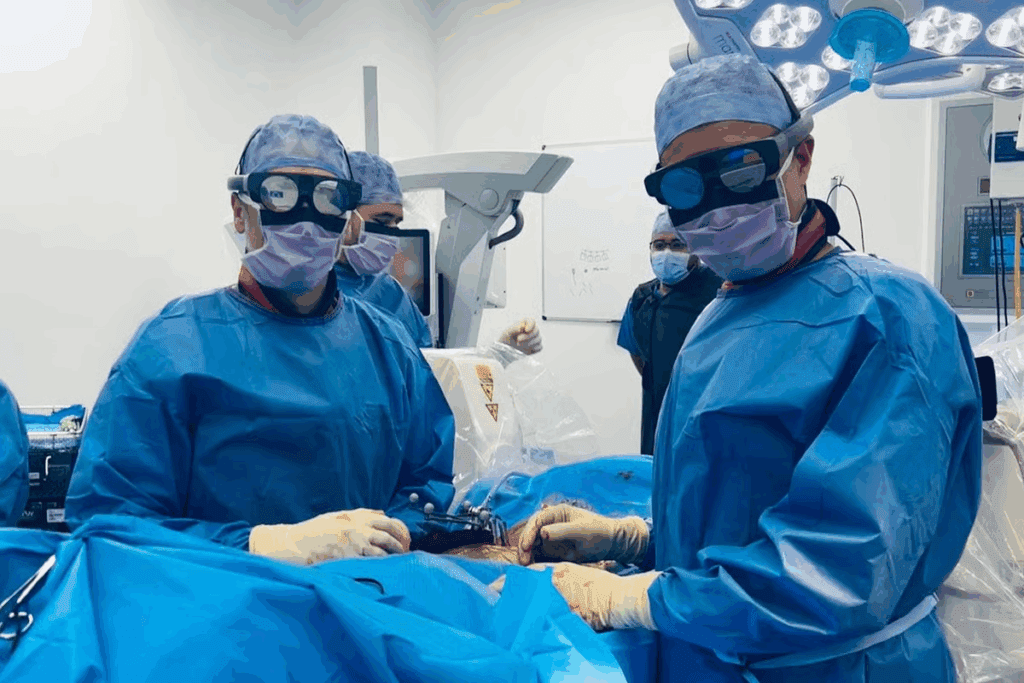
Endoscopic surgery has changed the medical world. It lets doctors diagnose and treat many conditions without big cuts. Over 2 million endoscopic procedures are done every year in the United States. It’s a key part of today’s healthcare endoscopy.
Thinking about surgery can be scary. It’s normal to wonder about the seriousness of endoscopic surgery. This method uses a flexible tube with a camera and light to see inside the body. It helps find and fix many health issues.
Even though endoscopic surgery is mostly safe, it can have risks. Like any surgery, there are possible problems. It’s important to know these risks before you get treated.
Key Takeaways
- Endoscopic surgery is a minimally invasive procedure used to diagnose and treat various conditions.
- Over 2 million endoscopic procedures are performed annually in the United States.
- The procedure involves using a flexible tube with a camera and light to visualize internal organs.
- Endoscopic surgery is generally considered safe, but it’s not without risks.
- Understanding the possible risks and benefits is key before treatment.
What is Endoscopic Surgery?

Endoscopic surgery is a modern medical method that lets doctors both diagnose and treat patients with less invasion. It has changed surgery, making it safer and quicker for patients than old methods.
Definition and Basic Principles
Endoscopic surgery uses an endoscope, a flexible or rigid tube with a camera and light, to see inside the body. It aims to make small cuts, less damage, and faster healing. This method is all about making surgery less invasive, reducing trauma.
Difference Between Diagnostic and Surgical Endoscopy
Endoscopy has two main types: diagnostic and surgical. Diagnostic endoscopy looks at the digestive or respiratory tracts to find problems. Surgical endoscopy does more, like removing polyps or widening narrow spots.
Characteristics | Diagnostic Endoscopy | Surgical Endoscopy |
Purpose | Visual examination and diagnosis | Diagnosis and therapeutic intervention |
Procedures | Biopsy, visual inspection | Polyp removal, dilation, etc. |
Complexity | Generally less complex | More complex, involving therapeutic actions |
It’s important for patients to know the difference between diagnostic and surgical endoscopy. Both are key in modern medicine, providing minimally invasive treatments for many health issues.
The Evolution of Endoscopy in Modern Medicine

Endoscopy has changed a lot over the years, making a big impact on medicine. It has moved from simple beginnings to today’s advanced technologies.
Historical Development
The idea of endoscopy started in the 19th century with basic tools. We’ve seen big steps forward, like flexible endoscopes and video endoscopy. These have made seeing and diagnosing easier.
Technological Advancements
New tech has been key in endoscopy’s growth. Today’s tools include high-definition images and special treatments. These help us find and fix problems better, making patients recover faster.
Now, we’re adding robotics and artificial intelligence to endoscopy. This opens up new ways to do complex tasks and makes them more precise.
Common Types of Endoscopic Procedures
Medical technology has made endoscopic procedures more advanced. Now, they include many diagnostic and treatment methods. These procedures are key in modern medicine, giving patients less invasive ways to diagnose and treat.
Upper GI Endoscopy (EGD/Esophagogastroduodenoscopy)
Upper GI endoscopy, or EGD, looks at the upper digestive system. This includes the esophagus, stomach, and the start of the small intestine (duodenum). It’s used to find problems like GERD, ulcers, and inflammation.
Benefits: It lets doctors see the inside of the digestive system directly. This is better than X-rays or CT scans. Doctors can also take biopsies during the procedure for more tests.
Colonoscopy and Lower GI Procedures
Colonoscopy looks at the colon and rectum. It’s a key tool for finding colorectal cancer and other issues like diverticulosis and inflammatory bowel disease.
Preparation and Procedure: Patients clean their colon before the test. A flexible tube with a camera is then inserted through the rectum. This lets doctors see the colon’s lining.
Procedure | Purpose | Preparation |
Upper GI Endoscopy | Examine esophagus, stomach, and duodenum | Fasting for several hours |
Colonoscopy | Examine colon and rectum | Bowel preparation |
Specialized Endoscopic Surgeries
Endoscopy has also led to new surgeries. Procedures like endoscopic mucosal resection (EMR) and endoscopic submucosal dissection (ESD) can remove lesions and early cancers. This is done without open surgery.
These new methods have changed how we treat gastrointestinal diseases. They offer patients less invasive treatments. This means fewer complications and faster recovery times.
Medical Conditions Diagnosed Through Endoscopy
Endoscopy is key in finding many medical conditions. It’s a less invasive way to check the body’s inside. This method helps us see and diagnose health problems accurately.
Gastrointestinal Disorders
Many gastrointestinal issues are found with endoscopy. We look for gastroesophageal reflux disease (GERD), ulcers, and stomach or intestine inflammation. It lets us see the body’s lining and spot problems early.
Respiratory and Joint Conditions
Endoscopy helps with respiratory problems like lung infections or tumors. It lets us see the airways directly. Arthroscopy, a type of endoscopy, checks joints for issues like osteoarthritis or ligament tears. This way, we can see the joints without open surgery.
When Biopsy is Necessary
During endoscopy, we might take a biopsy if we find odd tissue. A biopsy is when we take a small tissue sample for a microscope check. It’s vital for finding cancer, celiac disease, or other inflammatory issues. The biopsy results help us create a treatment plan just for the patient.
Endoscopic Surgery vs. Traditional Open Surgery
Endoscopic procedures are now a top choice for many due to their less invasive nature. They are compared to traditional open surgery, focusing on recovery and outcomes.
Invasiveness Comparison
Endoscopic surgery uses small incisions for a camera and tools. This is less invasive than traditional open surgery, which needs a bigger cut. This big difference affects how much the body is disturbed and how fast you recover.
Recovery Time Differences
Recovery from endoscopic surgery is usually faster. Patients feel less pain and can get back to normal sooner.
Scarring and Cosmetic Outcomes
Endoscopic surgery leaves smaller scars. This is important for those worried about how they look after surgery. The small cuts heal fast and are less visible.
Hospital Stay Requirements
The time you spend in the hospital varies. Endoscopic surgeries often mean a shorter stay, sometimes even as an outpatient. Traditional open surgery might need a longer stay to manage pain and watch for issues.
Aspect | Endoscopic Surgery | Traditional Open Surgery |
Invasiveness | Minimally invasive, small incisions | More invasive, larger incision |
Recovery Time | Generally shorter | Typically longer |
Scarring | Smaller scars | Larger, more noticeable scars |
Hospital Stay | Often shorter or outpatient | Usually longer |
Knowing these differences helps patients and doctors choose the best surgery for each case.
Is Endoscopic Surgery Considered Serious?
Understanding the seriousness of endoscopic surgery involves looking at its place in surgery. It’s a key part of modern medicine because it’s less invasive. We’ll talk about its seriousness by looking at its classification, risks, and how it stacks up against other methods.
Classification in the Spectrum of Surgical Procedures
Endoscopic surgery is a type of minimally invasive surgery. It’s less invasive than traditional surgery because it uses smaller cuts. But, how serious it is can depend on the procedure and the patient’s health.
Several things affect how serious endoscopic surgery is:
- The complexity of the procedure
- The patient’s overall health
- The surgeon’s expertise
Risk Assessment Factors
Several factors are important when looking at the risks of endoscopic surgery. These include the chance of complications, the patient’s medical history, and how they might react to anesthesia. We do detailed risk assessments to lower these risks and get the best results for our patients.
Some common risks to think about are:
- Pre-existing medical conditions
- Previous surgical complications
- Allergies to medications
Comparison to Other Minimally Invasive Techniques
Endoscopic surgery is often compared to laparoscopic surgery. Both are less invasive than open surgery but have different uses and risks. Endoscopic surgery is great for procedures that need to reach internal organs or structures through natural openings or small cuts.
By understanding the seriousness of endoscopic surgery and comparing it to other methods, patients and doctors can make better choices about treatment.
Preparing for an Endoscopic Procedure
The days before your endoscopy are important. Proper preparation is key. We know it can feel daunting, but with our help, you’ll do great.
Pre-procedure Instructions
We’ll give you detailed instructions before your endoscopy. You might need to arrive on time, bring someone with you, and make other plans. It’s important to follow these steps to avoid any issues.
Dietary Restrictions and Bowel Preparation
You might need to change your diet before the procedure. This could mean eating only clear liquids or fasting. Sometimes, you’ll need to prepare your colon. We’ll tell you exactly what to do.
Medication Adjustments
Some medications might need to be changed or stopped before your procedure. This includes blood thinners and diabetes meds. Let us know about all your medications so we can give you the right advice.
By following our instructions, you’ll make your endoscopy a success. And you’ll recover quickly. If you have any questions, just ask our team for help.
The Endoscopy Experience: What to Expect
As you prepare for your endoscopy, you might wonder what it’s like. You’ll want to know how you’ll feel during and after. We get it; knowing what to expect helps you feel more at ease.
Sedation and Anesthesia Options
Sedation is used to help you relax during endoscopic procedures. The type and level of sedation depend on the procedure and your health. Some use conscious sedation, where you’re relaxed but awake. Others might use deep sedation, making you sleep or not fully aware.
Local anesthesia might also be used to numb the area where the endoscope goes. This makes the procedure more comfortable for you.
Step-by-Step Procedure Process
The procedure starts with sedation or anesthesia. Once you’re comfortable, the endoscope is inserted through your mouth or another opening. The doctor then guides it through the area, checking the lining and possibly taking biopsies or doing treatments.
Duration and Monitoring
Endoscopy times vary, from 15 to 60 minutes. This depends on the procedure’s complexity and if any extra steps are needed. Your vital signs are watched closely to keep you safe.
After, you’ll go to a recovery area. There, you’ll be watched until the sedation wears off. Our team will give you care instructions and what to expect during recovery.
Recovery After Endoscopic Surgery
Recovering from endoscopic surgery takes several steps. These include dealing with immediate effects and getting back to normal life. Knowing what to expect helps patients prepare and know when to get help.
Immediate Post-Procedure Effects
Right after surgery, patients stay in a recovery area. This is to check for any quick problems. Common issues include:
- Soreness or discomfort at the procedure site
- Bloating or gas pains, mainly after stomach procedures
- Drowsiness or feeling off from the sedation
- Sore throat if a tube was used through the mouth
These issues usually go away in a few hours. It’s important to have someone take you home. Driving or using heavy machinery is not safe right after.
Short-term Recovery Timeline
The time it takes to recover varies by procedure. Generally, people can:
- Start with light activities in 24 to 48 hours
- Avoid heavy lifting, bending, or hard work for a few days to a week
- Follow a special diet, starting with liquids and then solid foods
Returning to Normal Activities
Going back to normal life depends on many things. These include your health, the surgery’s complexity, and if there are any issues. Most people get back to their usual life in a week. But, always follow your doctor’s specific advice.
Important things that affect recovery include:
- Your age and health
- The surgery’s type and how complex it is
- Following your doctor’s post-surgery instructions
Potential Risks and Complications of Endoscopy
It’s important to know the risks and complications of endoscopy before you decide. Endoscopy is usually safe, but there are some risks.
Minor Side Effects
Most people have minor side effects after endoscopy. These can include:
- Sore throat
- Bloating or gas
- Mild abdominal pain
Serious Complications
Even though rare, serious problems can happen. These might include:
- Perforation of the gastrointestinal tract, which may need surgery
- Bleeding, which could be severe enough to need a blood transfusion
- Infection, more likely in those with certain health issues
It’s key to know about these risks and talk to your doctor about them.
Statistical Safety Profile
Endoscopy is very safe, with serious problems being rare. Studies show that major complications happen less than 1% of the time. For example, the chance of a perforation during a diagnostic endoscopy is about 0.03%.
The risk of bleeding depends on the procedure and if a biopsy or polypectomy was done.
We want to stress that while risks exist, the benefits of endoscopy often outweigh them. Following your doctor’s instructions before and after the procedure can help reduce risks.
Benefits of Choosing Endoscopic Approaches
Endoscopic surgery brings many benefits to patients. It’s a key part of minimally invasive surgery. This method is getting better and better.
Reduced Tissue Trauma
One big plus of endoscopic surgery is less tissue damage. It uses small cuts and precise tools. This means less pain and discomfort for patients after surgery.
Faster Recovery Periods
Endoscopic procedures usually mean faster recovery times. This is because the small cuts heal quickly. Patients can get back to their daily lives sooner.
Lower Infection Rates
The small cuts in endoscopic surgery also mean lower infection rates. There’s less chance of bacteria getting in. This makes the surgery safer for everyone.
Cost-Effectiveness Considerations
Even though endoscopic equipment can be expensive, it’s worth it. Shorter hospital stays and quicker recoveries save money. This makes the whole process more affordable.
In summary, endoscopic surgery has many advantages. It reduces tissue damage, speeds up recovery, lowers infection risks, and is cost-effective. As technology improves, endoscopic surgery will become even more vital in healthcare.
Advanced Endoscopic Surgical Techniques
Advanced endoscopic surgical techniques have changed medicine a lot. They offer new ways to treat complex conditions without big surgeries. These methods have made treatments better and opened up new possibilities for endoscopic procedures.
Endoscopic Mucosal Resection (EMR)
Endoscopic Mucosal Resection (EMR) helps remove cancer or precancerous growths from the gut’s lining. EMR is great for early cancers, letting doctors take out growths without open surgery.
Endoscopic Submucosal Dissection (ESD)
Endoscopic Submucosal Dissection (ESD) lets doctors remove big lesions in one piece. ESD is a big step forward in treating gut cancers.
NOTES (Natural Orifice Transluminal Endoscopic Surgery)
NOTES is a new way to do surgery through natural openings, not cuts. This method cuts down on recovery time and scarring, making it a better choice than old surgeries.
Robotic-Assisted Endoscopy
Robotic-assisted endoscopy mixes robotic precision with endoscopy’s flexibility. This mix gives surgeons more power to do complex tasks with better accuracy and control.
The good things about these new endoscopic techniques include:
- Shorter recovery times
- Less damage to tissues
- Better precision
- Better results for patients
As these technologies get better, we’ll see even more progress in endoscopic surgery. This could mean treating more conditions and improving care for patients.
When to Seek Medical Attention After an Endoscopy
Knowing when to get medical help after an endoscopy is key for your safety and recovery. Endoscopic procedures are usually safe. But, knowing about possible complications and when to act is important.
Warning Signs of Complications
Watch for signs of complications after an endoscopy. Look out for severe abdominal pain, trouble breathing, or heavy bleeding. If you notice these, seek medical attention right away.
Symptom | Action |
Severe abdominal pain | Seek immediate medical attention |
Difficulty breathing | Seek immediate medical attention |
Heavy bleeding | Seek immediate medical attention |
Normal vs. Abnormal Post-Procedure Symptoms
Some discomfort or bloating is normal after an endoscopy. But, it’s important to know the difference between normal and abnormal symptoms. Mild soreness or a sore throat is okay, but severe pain or trouble swallowing is not and should be reported.
“Patients should be aware of their body’s response to the procedure and not hesitate to contact their healthcare provider if they are concerned about their symptoms.”
Emergency Contact Protocols
In an emergency, having the right contact info is critical. Make sure you have your healthcare provider’s contact details or the hospital where you had the procedure. If it’s a life-threatening emergency, call emergency services or get someone to take you to the nearest emergency room.
Being informed and careful can help you recover smoothly and safely after an endoscopy. Always follow the care instructions from your healthcare team about what to do after the procedure and when to seek help.
Conclusion
Endoscopic surgery is a big step forward in medicine. It offers a less invasive way to treat patients compared to old methods. Knowing about its benefits and risks helps patients choose the best care for themselves.
Endoscopic procedures have changed how we diagnose and treat diseases. They cause less damage, heal faster, and have fewer infections. But, like any treatment, there are risks and side effects to think about.
In short, endoscopic surgery is a key part of modern medicine. It helps doctors diagnose and treat many conditions without big cuts. Understanding its benefits and risks helps patients make smart choices about their health. As technology gets better, endoscopic surgery will likely be used more in treating patients.
FAQ
What is endoscopic surgery?
Endoscopic surgery is a minimally invasive procedure. It uses a flexible tube with a camera and light. This allows doctors to see inside the body and treat different conditions.
Is endoscopic surgery serious?
Endoscopic surgery is generally safe. But, like any surgery, it has risks and possible complications. The seriousness depends on the procedure, the patient’s health, and the doctor’s skill.
What are the benefits of endoscopic surgery?
Endoscopic surgery has many benefits. It causes less damage to tissues, leads to faster recovery, and has lower infection rates. It also costs less and leaves less scarring compared to open surgery.
What is the difference between diagnostic and surgical endoscopy?
Diagnostic endoscopy helps doctors see inside the body to find problems. Surgical endoscopy uses the endoscope to treat issues, like removing polyps or stopping bleeding.
How long does an endoscopy take?
An endoscopy’s length varies. Simple diagnostic ones take 15 to 60 minutes. More complex ones can take longer.
What are the possible risks and complications of endoscopy?
Risks include minor side effects like sore throat and bloating. Serious complications like bleeding, perforation, and infection are rare. But, they can happen.
How do I prepare for an endoscopic procedure?
To prepare, follow the doctor’s instructions. Stick to a special diet and do bowel prep if needed. You might also need to adjust your medications.
What can I expect during the endoscopy experience?
You’ll get sedation and anesthesia to be comfortable. The doctor will insert the endoscope through a natural opening. They’ll see your internal organs on a monitor.
How long does it take to recover from endoscopic surgery?
Recovery time varies. It depends on the procedure and your health. Usually, you can get back to normal in a few days to a week.
When should I seek medical attention after an endoscopy?
Seek help right away if you have severe pain, trouble breathing, or heavy bleeding. Always follow the emergency contact info from your doctor.
Are there any advanced endoscopic surgical techniques?
Yes, there are advanced techniques like Endoscopic Mucosal Resection (EMR) and Endoscopic Submucosal Dissection (ESD). There’s also NOTES and robotic-assisted endoscopy. These offer better precision and flexibility in treating conditions.
References
National Center for Biotechnology Information. Evidence-Based Medical Insight. Retrieved from https://pmc.ncbi.nlm.nih.gov/articles/PMC9816578/