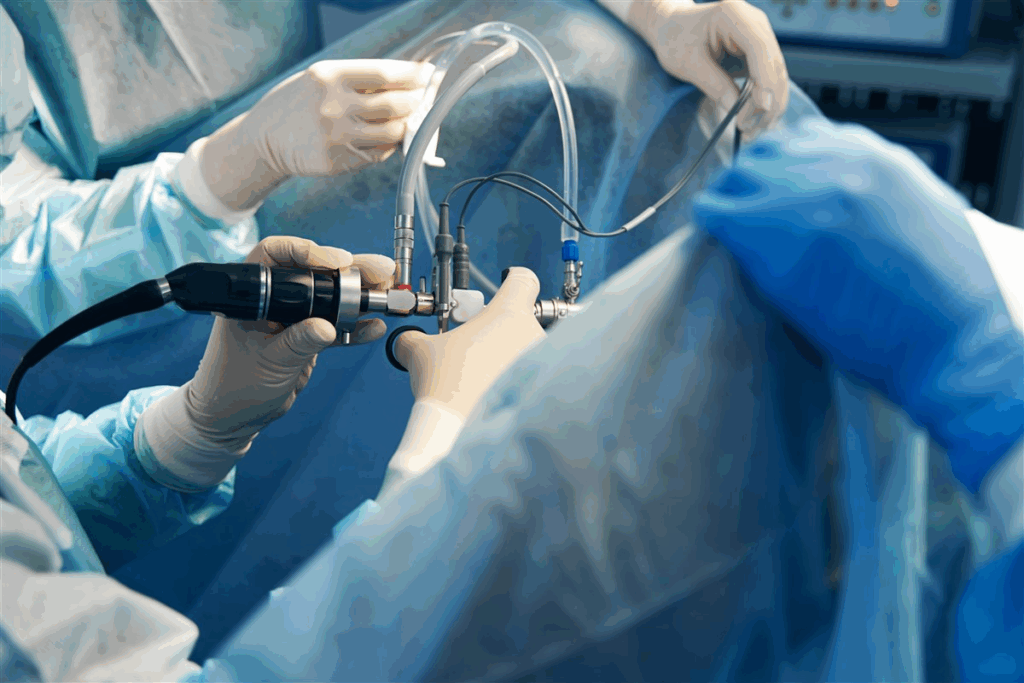
Laparoscopic surgery has changed the medical world with its minimally invasive approach. It’s used to find and fix many health issues. But, many patients notice their abdominal swelling after the surgery.
Knowing what to expect during recovery can help ease worries. How long your stomach swelling lasts can differ. It depends on your health and the surgery details.
Key Takeaways
- Laparoscopic surgery involves small incisions and a laparoscope to diagnose and treat medical conditions.
- Abdominal swelling is a common side effect of the procedure.
- The duration of swelling varies based on individual health and surgical specifics.
- Understanding the recovery process can ease patient concerns.
- Post-operative care instructions are key for a smooth recovery.
Understanding Laparoscopic Surgery and Abdominal Swelling

Patients often wonder about recovery after laparoscopic surgery, like abdominal swelling. This surgery, though small, can cause some discomfort and swelling. It’s because of how the surgery is done.
What is a Laparoscopy and How is it Performed?
Laparoscopy uses small cuts in the belly to put in a thin tube with a camera and tools. This way, surgeons can work inside without a big cut. It makes recovery faster and leaves less scar.
The belly is filled with carbon dioxide gas to see the organs clearly.
Why Swelling Occurs After Laparoscopic Procedures
Swelling is common after laparoscopy for a few reasons. The gas used to inflate the belly, the small cuts, and the body’s injury response all play a part. This swelling can feel like bloating, discomfort, or a visibly swollen belly.
The Role of Carbon Dioxide Gas in Laparoscopy
Carbon dioxide gas is used to make the belly clear for the surgeon. But, it can cause temporary bloating and discomfort. The body slowly absorbs this gas, which is then released through breathing and other ways.
Factors Contributing to Swelling | Description | Impact on Recovery |
Carbon Dioxide Gas | Used to inflate the abdomen during surgery | Temporary bloating and discomfort |
Tissue Trauma | Minor injury to tissues during the procedure | Swelling and bruising |
Body’s Response to Injury | Natural inflammatory response | Swelling and discomfort |
Understanding these causes can help patients prepare and alleviate discomfort during recovery.
Normal Timeline for Swollen Stomach After Laparoscopy

Knowing when swelling after laparoscopy will go down helps set realistic expectations. Usually, the most swelling happens in the first 24-48 hours after surgery.
First 24-48 Hours Post-Surgery
In the first 24 to 48 hours after surgery, the stomach area may swell up. This is because of the carbon dioxide gas used during the surgery. Patients might also feel uncomfortable and bloated.
Days 3-7 After Laparoscopy
As the body absorbs the carbon dioxide gas, swelling starts to go down. By days 3-7, most people see less swelling in their stomach. But, some might feel a bit uncomfortable and bloated.
Weeks 1-4 of Recovery
As healing continues, swelling keeps decreasing. By weeks 1-4, most people see a big drop in swelling. But, how fast it goes down can vary based on several factors.
The recovery timeline laparoscopy can vary for everyone. But knowing these general times can help prepare for what to expect after surgery.
Types of Abdominal Swelling Following Laparoscopy
It’s important to know about abdominal swelling after laparoscopy to manage symptoms well. Swelling can happen for many reasons. Knowing these can help find the best ways to feel better.
Gas-related Bloating and Distension
Gas from the surgery can cause swelling. Carbon dioxide gas is used to see inside the body. Some gas stays, causing discomfort and swelling. Moving gently and changing your diet can help with gas-related bloating.
Fluid Retention and Inflammation
Fluid buildup is another reason for swelling after surgery. The body reacts to the surgery with inflammation and fluid. This swelling is often seen in the first days after surgery. Try elevating your legs and eating less salty foods to reduce fluid.
Incision Site Swelling
Swelling at the incision sites is normal after surgery. It comes with bruising and tenderness. Using ice packs and keeping the area clean can help reduce swelling.
Knowing about the different swellings after laparoscopy helps patients manage their symptoms. It makes the recovery process easier and more comfortable.
Factors That Influence How Long Swelling Lasts
Swelling after laparoscopy can last different lengths of time. Knowing what affects this can help patients plan their recovery better. It also helps them know what to expect.
Type and Complexity of Laparoscopic Procedure
The complexity of the surgery is a big factor in swelling. More complex surgeries, like those with many incisions or removing big tissues, cause swelling to last longer. For example:
- Simple diagnostic laparoscopies usually cause little swelling that goes away fast.
- More complex surgeries, like removing the uterus or gallbladder, cause more swelling that lasts longer.
The size of the surgery affects how the body reacts. This reaction, or inflammation, is what makes swelling last longer.
Individual Patient Factors
Each patient’s situation also affects swelling. These include:
- Age: Older people might take longer to recover and have swelling for longer.
- Overall health: People with health issues, like diabetes, might take longer to heal.
- Body type: How the body is made can change how it heals and how long swelling lasts.
These factors can change how the body heals and reacts to surgery. This, in turn, affects how long swelling lasts.
Surgical Technique and Surgeon Experience
The way the surgery is done and the surgeon’s skill are key. Techniques that cause less damage and use less carbon dioxide can lead to less swelling. Also:
- Experienced surgeons use methods that help recovery go faster and swelling be less.
- Minimally invasive techniques cause less damage and result in less swelling.
How skilled the surgeon is and the techniques used can greatly affect swelling after surgery.
Understanding these factors helps patients have better expectations for their recovery. It also lets them talk to their doctor about any worries they have.
Gynecological Laparoscopies and Stomach Swelling
Gynecological laparoscopies, like hysterectomy and ovarian cyst removal, cause swelling after surgery. These surgeries are small but can hurt the body, leading to swelling and pain. Knowing how long it takes to recover and what affects swelling can help patients prepare.
Hysterectomy Recovery Timeline
A hysterectomy removes the uterus. Swelling after this surgery varies, but it’s usually most in the first weeks.
- First week: Swelling is usually at its peak due to the body’s response to surgery.
- 2-4 weeks: Swelling begins to reduce as the body heals.
- 6-8 weeks: Most patients see a significant reduction in swelling, though some may experience minor discomfort.
Endometriosis Excision and Resulting Swelling
Endometriosis excision removes endometrial lesions, causing swelling. Swelling depends on the disease’s severity and surgery complexity.
Factors influencing swelling after endometriosis excision include:
- The extent of the disease
- Surgical technique and precision
- Patient’s overall health and healing capabilities
Ovarian Cyst Removal and Bloating Duration
Ovarian cyst removal is a common surgery. Bloating after this surgery varies with cyst size and healing speed.
Procedure | Typical Bloating Duration | Factors Influencing Bloating |
Ovarian Cyst Removal | 2-6 weeks | Cyst size, surgical technique, patient health |
Hysterectomy | 4-8 weeks | Surgical complexity, patient age, overall health |
Endometriosis Excision | 2-4 weeks | Disease severity, surgical precision, patient response |
Knowing these factors and recovery times can help manage expectations and reduce anxiety for patients.
Digestive System Laparoscopies and Recovery Timelines
Laparoscopic surgeries for digestive issues vary in swelling duration. These surgeries are small and used for many problems, like gallbladder removal and hernia repair.
Gallbladder Removal (Cholecystectomy) Swelling Patterns
Laparoscopic cholecystectomy removes the gallbladder for gallstones. Swelling usually goes down in a few weeks. But, some people might feel bloated for a month.
Appendectomy and Post-Operative Bloating
Appendectomy recovery times differ based on surgery complexity and health. Swelling and bloating usually go away in weeks. But, some discomfort might last longer.
Hernia Repair and Abdominal Distension
Hernia repair is another common laparoscopy. It’s small but can cause swelling. Swelling after hernia repair can take months to go away.
Knowing recovery times helps manage expectations and ensures a smooth recovery. Swelling can vary based on the procedure, health, and surgery technique.
Managing Gas Pain and Swelling After Laparoscopy
Gas pain and swelling are common after laparoscopy. Knowing how to manage them can make recovery better. Gentle movement, diet changes, and over-the-counter remedies are key.
Movement and Physical Activity Recommendations
After laparoscopy, gentle movement helps with gas pain and swelling. Short walks around the house can help digestion and get rid of trapped gas. Start slow and increase activity as you feel more comfortable.
- Take short walks every hour to stimulate digestion
- Avoid strenuous activities for the recommended period
- Gently stretch to help relieve discomfort
Dietary Adjustments to Reduce Bloating
Changing your diet can help with gas pain and swelling. Eating foods low in gas and high in fiber can make a big difference.
- Avoid carbonated drinks and foods known to cause gas
- Increase intake of easily digestible foods
- Stay hydrated to help prevent constipation
Over-the-Counter Remedies for Gas Discomfort
There are many over-the-counter remedies for gas discomfort. These include medications that break up gas bubbles and reduce bloating.
Simethicone for Gas Relief
Simethicone is a good over-the-counter choice for gas relief. It combines gas bubbles, making them easier to pass. You can find simethicone in tablets and liquids.
Key Takeaways: Managing gas pain and swelling after laparoscopy requires a few steps. These include gentle physical activity, diet changes, and using over-the-counter remedies like simethicone.
“By incorporating these strategies into your recovery plan, you can significantly reduce discomfort and improve your overall laparoscopy recovery experience.”
Medications That Help Reduce Post-Laparoscopy Swelling
Using the right medications can help a lot with swelling and discomfort after a laparoscopy. It’s key to manage swelling well for a smooth recovery.
Anti-inflammatory Options
Anti-inflammatory drugs are key in fighting post-laparoscopy swelling. Nonsteroidal anti-inflammatory drugs (NSAIDs), like ibuprofen, are often suggested. They help reduce inflammation and pain.
A study in the Journal of Surgical Research found NSAIDs can cut down on post-op pain and swelling.
“NSAIDs after laparoscopy are effective in managing pain and reducing narcotic use,” says Medical Expert, a top surgeon in minimally invasive surgery.
Gas-relief Medications
Medications for gas relief are also important for comfort after a laparoscopy. Simethicone is a common over-the-counter drug. It breaks up gas in the stomach, easing bloating and discomfort.
- Simethicone comes in tablets and liquids.
- It’s usually safe to use after laparoscopy.
Prescription Options for Severe Cases
For severe swelling after a laparoscopy, doctors might prescribe stronger drugs. Corticosteroids are powerful anti-inflammatory drugs. They can be used for a short time to control serious swelling.
Medication Type | Use | Prescription Required |
NSAIDs | Reducing inflammation and pain | No |
Simethicone | Relieving gas and bloating | No |
Corticosteroids | Managing severe inflammation | Yes |
It’s important to follow your doctor’s advice on these medications. This ensures a safe and effective recovery.
Non-Medicinal Approaches to Reduce Abdominal Bloating
There are many ways to reduce belly bloating and discomfort after surgery without medicine. These methods help your body heal and feel better without drugs.
Heat Therapy and Gentle Massage Techniques
Heat on your belly can ease bloating and pain. Heat therapy boosts blood flow, which helps with swelling and healing. Gentle massages also help move gas and ease pain in your belly.
A study showed that massage after surgery cuts down on pain. Gentle massage by a doctor or a trained person can be done with soft, circular motions on your belly.
Breathing Exercises and Their Benefits
Breathing exercises are key for less stress and faster recovery after surgery. Deep breathing relaxes your belly muscles, which can lessen bloating and pain. Diaphragmatic breathing is very helpful.
“Deep breathing can help reduce stress and promote relaxation, which can be beneficial for patients recovering from laparoscopic surgery.” – Medical Expert, MD
Proper Rest and Recovery Positioning
Getting enough rest and the right position can greatly help with belly bloating. It’s important to not lift heavy or do hard activities. Elevating your head and knees while lying down can also help with pain and drainage.
- Resting in a comfortable position can help alleviate bloating.
- Avoiding tight clothing can reduce pressure on the abdomen.
- Staying hydrated is key for digestive health and reducing bloating.
When to Be Concerned About Swelling After Laparoscopy
It’s important to know the difference between normal swelling and signs of complications after laparoscopy. Some swelling is normal after surgery. But, some symptoms mean you need to see a doctor.
Warning signs that require medical attention
Watch how your body reacts to the surgery. Look out for warning signs that mean you should see a doctor. These include:
- Increasing pain or swelling that doesn’t go away with medicine
- Redness or warmth around the incision sites
- Fever above 100.4°F (38°C)
- Severe abdominal pain or cramping
- Vomiting or trouble keeping fluids down
Distinguishing normal swelling from complications
Normal swelling after laparoscopy usually goes away in a few days to a week. But, if swelling gets worse or doesn’t go away, it might be a sign of a problem. It’s key to tell normal swelling from signs of trouble, like infection or bleeding inside.
Infection symptoms vs. normal recovery
Infection is a risk after surgery, including laparoscopy. Signs of infection include more redness, swelling, or discharge from the incision. You might also feel fever or chills. If you notice these, you should call your doctor right away.
Knowing the signs of complications helps you take care of yourself better. If you see any red flags, get help quickly. This way, you can have the best recovery after your surgery.
Patient Experiences: Real Recovery Timelines
Patients who had laparoscopic surgery share a wide range of recovery experiences. These stories help us understand what to expect and offer insights into the healing process.
Case Studies of Typical Recovery Patterns
Studies show how people recover after laparoscopy. For example, a study on laparoscopic cholecystectomy found most patients saw less swelling in two weeks. They usually got back to normal in 4-6 weeks.
Another study on laparoscopic hysterectomy found some patients had swelling for 3 months. But most saw a big drop in swelling in the first month. This shows how recovery times can vary.
Variations in Individual Healing Experiences
Everyone heals differently, based on their health, age, and the surgery’s complexity. Younger, healthier patients often recover faster, feeling less pain and swelling.
On the other hand, those with health issues or complex surgeries take longer to heal. Following your surgeon’s advice is key to a smooth recovery.
Learning about these differences helps us prepare for our own recovery. Real stories from patients give us a clearer picture of what to expect after surgery.
Medical Perspectives on Post-Laparoscopic Bloating
Surgeons offer insights into recovery after laparoscopic surgery. They help patients know what to expect, like how long bloating lasts and how to manage it.
What Surgeons Tell Patients to Expect
Surgeons say swelling is normal after laparoscopic surgery. This swelling comes from the carbon dioxide gas used to inflate the abdomen. The body’s reaction to this gas and the surgery itself cause bloating.
Medical experts say bloating’s severity and length can differ a lot. It depends on the surgery type, patient health, and any complications. Doctors usually suggest diet changes, exercise, and medication to help symptoms.
Current Research on Minimizing Post-Operative Swelling
Research is ongoing to find the best ways to reduce swelling after laparoscopic surgery. Scientists are looking into different gases, ways to lessen surgical trauma, and post-operative care to ease bloating.
One study area is pre-operative preparation to cut down on bloating. This includes diet advice, bowel prep, and other steps to make surgery and recovery easier.
Another key area is post-operative care and its effect on swelling. This includes managing pain, activity levels, and diet to reduce discomfort and aid healing.
By understanding and addressing the causes of bloating, surgeons and healthcare teams can greatly improve patient results and happiness.
Preparing for Your Laparoscopy to Minimize Swelling
Getting ready for a laparoscopy is important to reduce swelling afterwards. Knowing what to do before surgery can make your recovery better.
Medications to Avoid Before Surgery
Some medicines can make bleeding more likely or slow down healing. It’s important to:
- Stop taking blood thinners like aspirin or warfarin unless your doctor says it’s okay.
- Talk to your doctor about any supplements or herbal remedies, as they might affect surgery.
- Listen to your surgeon about stopping any medicines before surgery.
Setting Up Your Home for Optimal Recovery
Making your home comfortable can help you heal faster. Think about these things:
- Get a recovery station ready with water, snacks, and things to do nearby.
- Ask someone to help with chores and errands while you’re recovering.
- Make sure your home is clean and safe to avoid accidents.
Also, having a cozy place to rest can help with swelling. Elevating your legs and short walks can boost blood flow.
Pre-Surgery Preparation Tips | Benefits |
Avoiding certain medications | Reduces risk of bleeding and complications |
Setting up a recovery station | Enhances comfort and reduces need to exert yourself |
Arranging for help | Reduces stress and allows for more rest |
By following these tips, you can lessen swelling and have a smoother recovery after laparoscopic surgery.
Returning to Normal Activities While Managing Swelling
After your laparoscopy, finding the right balance is key. You need to rest and slowly get back to your usual activities. It’s important to manage swelling well to aid in your recovery.
Work and Daily Routine Adjustments
Going back to work too soon can make swelling worse. For the first few days, avoid heavy lifting and bending. Start with light activities like short walks or gentle stretches to help with swelling and healing.
If your job is physically demanding, you might need to adjust your schedule. Talk to your employer about modified duties or taking a temporary leave. This can help you smoothly return to work.
Clothing Choices During the Recovery Period
The clothes you wear can affect your comfort and swelling. Choose loose, comfortable clothing that doesn’t squeeze your stomach. This lets you move freely and reduces irritation at the surgical sites.
Steer clear of tight belts or waistbands that can press on your swollen belly. Go for clothes with elastic waistbands or flowy dresses. They offer comfort without the tightness.
By tweaking your daily routine and what you wear, you can manage swelling better. This supports your body’s healing after a laparoscopy.
Long-Term Recovery and Residual Swelling
Finishing a laparoscopy is just the start. The real challenge is understanding and dealing with long-term recovery and swelling. It’s key to know when symptoms will fully go away and how to handle any ongoing bloating.
When to Expect Complete Resolution of Symptoms
Recovery times vary based on the surgery type, health, and following doctor’s orders. Most see big improvements in 4-6 weeks. But, some might feel mild swelling or discomfort longer.
Key factors influencing recovery time include:
- The complexity of the procedure
- Patient’s age and overall health
- Adherence to post-operative care instructions
Dealing with Persistent Bloating Beyond Normal Timeframes
Dealing with bloating that lasts longer than expected can worry patients. It’s important to tell the difference between normal swelling and possible complications. If bloating doesn’t go away, seeing a doctor is a good idea.
Strategies for managing persistent bloating include:
- Maintaining a food diary to identify trigger foods
- Engaging in gentle physical activity to stimulate digestion
- Considering over-the-counter gas relief medications
Knowing how to handle long-term recovery and swelling is vital for a smooth comeback after laparoscopy. By staying informed and working with doctors, patients can face recovery with confidence.
Conclusion: The Journey to Recovery After Laparoscopy
Recovering from laparoscopy takes time, patience, and the right advice. A swollen stomach is common after the surgery. Knowing what’s normal and what affects swelling can ease worries.
Knowing what to expect and how to handle symptoms is key to a smooth recovery after laparoscopy. By following advice on managing gas pain, changing your diet, and using non-medical methods, you can feel better. This helps with swollen stomach healing laparoscopy.
Everyone heals differently, and knowing this can help manage expectations. With the right attitude and support, you can get through your recovery after laparoscopy. You’ll be back to your usual self in no time.
FAQ
How long does swelling typically last after a laparoscopy?
Swelling after laparoscopy can last from a few days to several weeks. It depends on the procedure and individual factors.
What causes abdominal swelling after laparoscopic surgery?
Swelling is often due to carbon dioxide gas used during the procedure. Fluid retention and inflammation also play a role.
How can I manage gas pain and swelling after laparoscopy?
To manage gas pain and swelling, try physical activity and dietary changes. Over-the-counter simethicone can also help.
Are there any medications that can help reduce post-laparoscopy swelling?
Yes, anti-inflammatory and gas-relief medications can help with swelling and discomfort after laparoscopy.
What are some non-medicinal approaches to reducing abdominal bloating after laparoscopy?
Heat therapy, gentle massage, and breathing exercises can help reduce bloating and aid in recovery.
When should I be concerned about swelling after laparoscopy?
Seek medical attention if you have severe abdominal pain, fever, or signs of infection like redness or discharge around the incision site.
How long does it take to recover from a laparoscopic hysterectomy?
Recovery from a laparoscopic hysterectomy takes 2-4 weeks. During this time, swelling and discomfort are common.
What is the typical recovery timeline for laparoscopic gallbladder removal?
Recovery from laparoscopic gallbladder removal takes 1-3 weeks. Swelling and discomfort usually resolve within a few weeks.
Can I return to normal activities while managing swelling after laparoscopy?
Yes, but adjust your work and daily routine. Wear comfortable clothing to accommodate swelling during recovery.
How can I prepare for laparoscopy to minimize swelling?
Avoid certain medications and set up your home for recovery. Follow your surgeon’s instructions to minimize swelling.
When can I expect complete resolution of symptoms after laparoscopy?
Symptoms usually resolve within 2-6 weeks after laparoscopy. Some may experience persistent bloating beyond this time.
What are the signs of complications after laparoscopy?
Signs of complications include severe abdominal pain, fever, vomiting, and signs of infection like redness or discharge around the incision site.
References
National Center for Biotechnology Information. Evidence-Based Medical Insight. Retrieved from https://pubmed.ncbi.nlm.nih.gov/9266640/