

Degenerative spine disease affects millions worldwide, causing significant discomfort and impacting quality of life. A staggering number of people suffer from this condition, with some studies suggesting that it can influence life expectancy.
Understanding the implications of degenerative disc disease on longevity is key for patients and healthcare providers. This condition can lead to chronic pain and limited mobility. These issues can greatly affect an individual’s overall well-being.
The relationship between degenerative spine disease and life expectancy is complex. It involves various factors that contribute to an individual’s overall health.
Key Takeaways
- Degenerative spine disease is a widespread condition affecting millions globally.
- The condition can significantly impact quality of life and potentially influence life expectancy.
- Understanding the implications of degenerative disc disease on longevity is key.
- Various factors contribute to the overall health of individuals with degenerative spine disease.
- Complications from degenerative spine disease can lead to chronic pain and limited mobility.
Understanding Degenerative Disc Disease

To grasp degenerative disc disease, we must explore its definition and how it works. It’s a condition where the discs between our vertebrae break down. This leads to back pain and other issues.
Definition and Pathophysiology
Degenerative disc disease happens when the discs in our spine wear out. These discs are key for our spine’s flexibility and shock absorption. They have a tough outer layer and a soft center.
When these discs start to break down, they lose their shape and can’t cushion the spine as well. This makes it harder for the spine to move smoothly.
The breakdown of these discs is a complex process. It involves changes in the discs’ structure and how they work. This can cause tears and lead to the soft center bulging out and pressing on nerves.
Normal Aging vs. Pathological Degeneration
It’s important to know the difference between normal aging and when it becomes a problem. Some disc wear is normal as we get older. But when it gets worse, it can cause a lot of pain.
|
Characteristics |
Normal Aging |
Pathological Degeneration |
|---|---|---|
|
Disc Height |
Gradual reduction |
Significant loss |
|
Disc Hydration |
Moderate decrease |
Severe dehydration |
|
Symptoms |
Mild or none |
Severe pain and neurological symptoms |
Knowing the difference helps doctors diagnose and treat degenerative disc disease better.
Types of Degenerative Spine Conditions
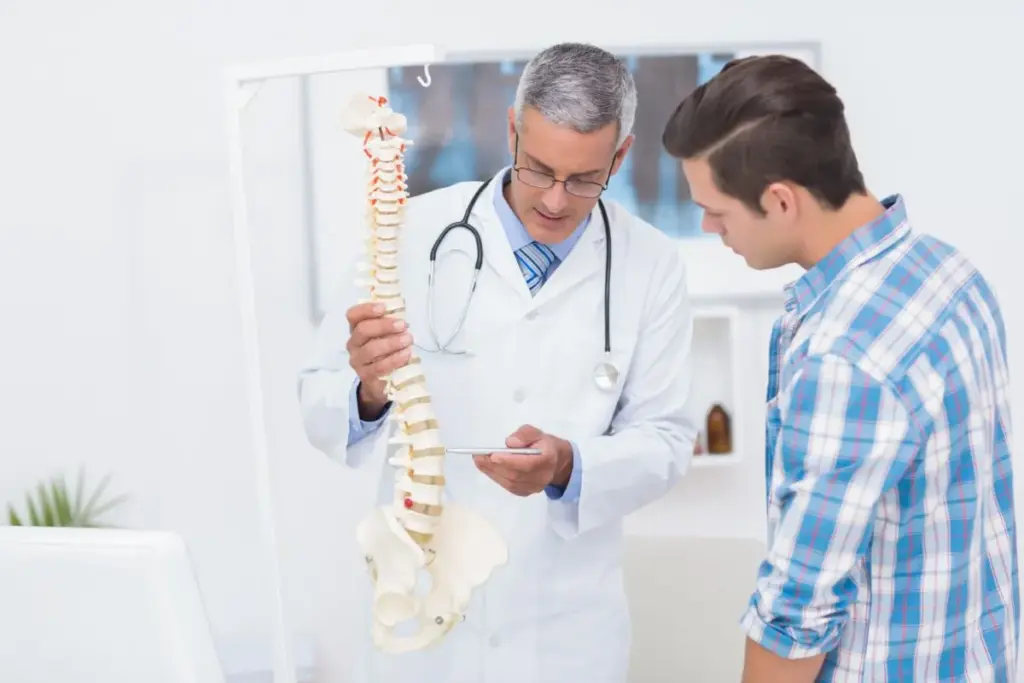
It’s important to know about the different types of degenerative spine conditions. These conditions can happen in the cervical and lumbar parts of the spine. Each has its own signs and symptoms.
Cervical Spine Degeneration
Cervical spine degeneration happens in the neck area. It causes pain, stiffness, and less mobility. You might also feel numbness or tingling in your arms.
The neck is complex and sensitive. So, catching and treating this early is key to avoid more problems.
Lumbar Degenerative Disc Disease
Lumbar degenerative disc disease affects the lower back. It leads to chronic pain and discomfort. The discs can’t cushion the vertebrae well, causing pain and nerve damage.
Lower back pain that goes to the legs is common. It can really affect your daily life and how well you feel.
Multilevel Degenerative Disc Disease
Multilevel degenerative disc disease happens at many spine levels. It’s tough because it affects many parts of the spine. This can cause widespread pain and discomfort.
Symptoms vary based on the affected levels. But, you often see neck and back pain, and nerve issues if nerves get compressed.
Here are important things to know about each condition:
- The specific region of the spine affected
- The extent of degeneration and its impact on surrounding tissues
- The presence of neurological symptoms
- The most appropriate treatment options
Knowing the type and extent of degenerative spine conditions is key for a good treatment plan. Healthcare providers can then offer specific treatments to help patients.
Common Causes and Risk Factors
Many things can lead to degenerative disc disease, like getting older, genetics, and the environment. Knowing what causes it helps in preventing and managing it.
Age-Related Changes
As we age, our spinal discs change naturally. They lose water, becoming less flexible and more likely to crack. Age-related wear and tear is a big factor, as discs face years of stress. By 50, most people’s discs start to show signs of wear.
Genetic Predisposition
Genetics are also key in degenerative disc disease. If your family has back problems or this disease, you might get it too. Genetic factors can make some people’s discs more likely to degenerate.
Lifestyle and Environmental Factors
Lifestyle and environment also play a big part. Smoking can speed up disc degeneration by cutting off blood flow. Obesity and not exercising can also increase risk by adding stress to discs. Jobs that involve heavy lifting or repetitive strain can also lead to this disease.
Knowing these risk factors is key to early action and prevention. By understanding what causes degenerative disc disease, we can take steps to reduce our risk and manage it better.
Recognizing Degenerative Disc Disease Symptoms
It’s important to know the signs of degenerative disc disease early. This condition can make daily life harder and affect how well you can do things.
Pain Patterns and Characteristics
The pain from degenerative disc disease is different for everyone. It might feel like a dull ache or a sharp pain. This pain usually happens in the neck or lower back, depending on where the disc is affected.
Pain characteristics can include:
- Worsening pain after sitting or standing for a long time
- Pain that feels better when you rest or change your position
- Sharp pains or tingling that goes to your arms or legs
Neurological Symptoms
Degenerative disc disease can also cause nerve problems. This can lead to:
- Numbness or tingling in your hands or feet
- Muscle weakness
- Loss of reflexes
In serious cases, these symptoms can get worse and make it hard to move around.
Progression of Symptoms Over Time
How fast degenerative disc disease symptoms get worse can vary. Some people’s symptoms get worse slowly, while others stay the same for a long time.
|
Symptom Progression |
Characteristics |
|---|---|
|
Gradual |
Pain and nerve symptoms get slowly worse |
|
Stable |
Symptoms don’t really change over time |
|
Fluctuating |
Symptoms can get better and worse |
Knowing how symptoms can change is key to managing the disease. It helps improve your life quality.
Specific Symptoms of Cervical Disc Degeneration
Cervical disc degeneration at C5-C6 and C6-C7 can affect daily life. The cervical spine is complex. Degenerative changes can cause various symptoms.
C5-C6 Degeneration Symptoms
Degeneration at C5-C6 can cause neck pain and stiffness. This pain may spread to the shoulders and arms. Some people feel numbness or tingling in their hands, mainly in the thumb and index finger.
Weakness in the upper limb muscles is common. This affects grip strength and fine motor skills.
Some may also feel radicular pain. This is sharp and shoots along the nerve root. It can get worse with certain neck movements.
C6-C7 Degeneration Symptoms
Degeneration at C6-C7 can cause similar symptoms to C5-C6. This includes neck pain and radiculopathy. Pain and numbness might affect the middle and ring fingers.
Weakness in the triceps and forearm muscles is possible. This affects elbow extension and forearm rotation.
Some may experience Lhermitte’s sign. This is a feeling of electric shock down the spine when bending the neck. It’s a sign of cervical spine problems, like degenerative disc disease.
In summary, knowing the symptoms of C5-C6 and C6-C7 degeneration is key. It helps in diagnosing and managing cervical disc degeneration effectively.
Diagnosis and Assessment Methods
To find out if someone has degenerative disc disease, doctors use many tools and methods. They check how bad the condition is and how it affects the patient’s life.
Clinical Evaluation
First, doctors do a detailed check-up to spot degenerative disc disease. They look at the patient’s medical history and do a physical exam. This helps them see if the patient has pain, numbness, or weakness.
Key parts of this check-up are:
- Patient history: They learn when and how symptoms started and how long they last.
- Physical examination: They check muscle strength, reflexes, and how well the patient can move.
- Functional assessment: They see how well the patient can do everyday tasks.
Imaging Techniques
Imaging tools are key to confirming degenerative disc disease. The main ones are:
- Magnetic Resonance Imaging (MRI): Shows detailed pictures of soft tissues like discs, nerves, and the spinal cord.
- Computed Tomography (CT) scans: Gives clear views of bones and can spot bone spurs or other issues.
- X-rays: Helps see if vertebrae are lined up right and if there are bone changes.
Grading Systems for Severity
After confirming the diagnosis, doctors use grading systems to see how severe the disease is. These systems help doctors figure out how bad the disc damage is and plan the best treatment.
Some common grading systems are:
- Pfirrmann grading system: Uses MRI to classify disc degeneration.
- Thompson grading system: Looks at how the disc’s shape has changed.
By using clinical checks, imaging, and grading systems, doctors can accurately diagnose and assess degenerative disc disease. This helps them give the right treatment and improve patient results.
Life Expectancy with Degenerative Disc Disease
Degenerative disc disease affects the spine, causing pain and limited movement. It raises concerns about life expectancy for many patients.
Impact on Longevity
Degenerative disc disease can affect longevity in several ways. Chronic pain and limited mobility can reduce physical activity. This might harm overall health.
Research suggests that severe cases may increase the risk of other health issues. This is due to less physical activity and pain management challenges.
Comparing Mild vs. Severe Cases
The severity of degenerative disc disease greatly impacts life expectancy. Mild cases may have little effect. But severe cases can greatly reduce quality of life and potentially shorten life.
Statistical Data and Research Findings
Studies have shown different effects of degenerative disc disease on life expectancy. A detailed analysis of research data is key to fully understand its implications.
Understanding the data and research findings is vital. It helps patients and healthcare providers make informed decisions. This can help manage degenerative disc disease and its impact on life expectancy.
Factors Affecting Prognosis and Survival
Knowing what affects the outcome for people with degenerative disc disease is key. The outcome can change a lot based on several important things.
Age at Diagnosis
The age when someone finds out they have degenerative disc disease matters a lot. Getting diagnosed early means the disease can last longer, which might make symptoms worse. Younger people often do better because they have fewer health problems and can heal faster.
Comorbid Conditions
Having other health issues can really change how well someone does with degenerative disc disease. Problems like diabetes, heart disease, and being overweight can make treatment harder and outcomes worse. Managing these other health issues well is very important for a better outcome.
Treatment Adherence and Response
Following the treatment plan and how well it works are big factors in the outcome. People who stick to their treatment plans usually do better. This includes taking medicine, doing physical therapy, and making healthy lifestyle choices. Doing well with treatment can make life better and might even help someone live longer.
In summary, the future for people with degenerative disc disease depends on many things. Understanding and dealing with these factors helps doctors create better treatment plans. These plans are made just for each patient’s needs.
Potential Complications of Untreated Disease
If degenerative disc disease is not treated, it can cause severe problems. This condition can lead to a lot of pain and serious health issues. It’s important to address it properly.
Spinal Cord Compression
Spinal cord compression is a serious issue. It happens when a degenerating disc presses on the spinal cord or nerves. This can cause neurological symptoms like numbness, tingling, and weakness in the limbs.
In severe cases, it can lead to loss of bladder or bowel control. It can even cause paralysis.
“Spinal cord compression is a medical emergency that requires immediate attention to prevent long-term damage.”
Chronic Pain Syndrome
Untreated degenerative disc disease can cause chronic pain syndrome. This persistent pain can make daily activities hard. It can also lead to depression and anxiety.
- Persistent pain that lasts beyond the expected recovery time
- Increased sensitivity to pain
- Pain that interferes with daily activities
Functional Limitations and Disability
Without treatment, degenerative disc disease can cause functional limitations and disability. The chronic pain and neurological symptoms can limit mobility. They can also make it hard to do daily tasks.
In severe cases, this can lead to long-term disability. It affects not just the person but also their family and social networks.
The Journal of Neurosurgery: Spine says, “Degenerative disc disease is a leading cause of disability in adults. This shows how important timely and effective treatment is.”
Conservative Treatment Approaches
For those with degenerative disc disease, there are ways to feel better without surgery. These methods help manage symptoms and improve how well you can move. They aim to enhance your quality of life.
Physical Therapy and Exercise
Physical therapy is key in treating degenerative disc disease. It includes exercises to make your muscles stronger and more flexible. This helps reduce pain.
- Stretching exercises to improve flexibility
- Strengthening exercises for core and back muscles
- Aerobic exercises to enhance overall health
Regular physical activity helps manage symptoms and stops the disease from getting worse.
Pain Management Strategies
Managing pain is vital for those with degenerative disc disease. This can include:
- Medications such as NSAIDs or muscle relaxants
- Alternative therapies like acupuncture or chiropractic care
- Lifestyle adjustments to avoid exacerbating activities
Pain management plans are made just for you. They consider your health and specific condition.
Lifestyle Modifications
Changing your lifestyle can help manage degenerative disc disease. This includes:
- Maintaining a healthy weight to reduce spinal stress
- Improving posture and body mechanics
- Avoiding smoking, which can accelerate disc degeneration
By trying these treatments, people with degenerative disc disease can feel better. They can enjoy a better quality of life.
Surgical Interventions and Outcomes
For those with advanced degenerative disc disease, surgery can offer relief. It’s considered when other treatments don’t work well. This is for severe cases.
Indications for Surgery
Surgery is suggested for those with:
- Severe pain that makes daily tasks hard
- Significant neurological symptoms, like numbness or weakness
- Loss of bladder or bowel control
- Failure of other treatments to ease symptoms
Surgical candidates go through a detailed check-up. This includes imaging like MRI or CT scans. It helps see how bad the disc damage is.
Common Surgical Procedures
Several surgeries are used for degenerative disc disease, including:
- Discectomy: Removing the damaged disc
- Spinal Fusion: Joining vertebrae together
- Artificial Disc Replacement: Putting in an artificial disc
Post-Surgical Life Expectancy
Concerns about surgery’s effect on life expectancy are common. Research shows it can improve life quality and possibly longevity. This is by reducing chronic pain and boosting mobility.
Studies have shown surgery can greatly help symptoms and function. But, results can differ. This depends on health, age, and other conditions.
Managing Mild Degenerative Disc Disease
Managing mild degenerative disc disease needs a full plan. This includes steps to prevent it and ways to treat it. Knowing about the condition and acting early can greatly improve life quality.
Early Intervention Strategies
Starting early is key in managing mild degenerative disc disease. Physical therapy helps strengthen muscles around the spine. This improves flexibility and lessens pain. Exercise programs made for each person help keep the spine moving well.
Pain management is also vital. It might include medicine, lifestyle changes, and therapies like acupuncture or chiropractic care. Good pain management lets people do their daily tasks without big problems.
Preventing Progression
To stop degenerative disc disease from getting worse, making lifestyle changes is important. Being at a healthy weight eases the spine’s work. Quitting smoking also helps the spine stay healthy. Plus, good posture and right lifting techniques lower injury risks.
|
Lifestyle Change |
Benefit |
|---|---|
|
Maintaining a healthy weight |
Reduces strain on the spine |
|
Quitting smoking |
Improves overall spinal health |
|
Improving posture |
Minimizes risk of further injury |
When to Seek Advanced Treatment
Even though many mild cases can be handled without surgery, sometimes advanced treatment is needed. This might include surgery for severe cases or when other treatments don’t work. It’s important to talk to a doctor to figure out the best plan.
Being proactive in managing mild degenerative disc disease can lessen symptoms and stop it from getting worse. Keeping an eye on how it’s going and changing the treatment plan as needed is key to managing it well.
Success Stories: How Patients Have Improved Their Condition
Every person’s journey with degenerative disc disease is different. Some have found success through self-care and medical help. These stories inspire hope and offer insights into managing the condition.
Lifestyle Changes That Made a Difference
Many patients have improved their condition through lifestyle changes. Regular exercise is a common factor. It keeps the spine flexible, strengthens muscles, and can lessen pain.
- Engaging in low-impact activities such as swimming or cycling
- Incorporating stretching exercises to improve flexibility
- Strengthening core muscles through targeted workouts
Changing one’s diet is also key. Eating a balanced diet can reduce inflammation and aid in healing. Some have seen benefits from an anti-inflammatory diet, full of omega-3s, fruits, and veggies.
“I was skeptical at first, but after switching to a healthier diet and starting a gentle exercise routine, I noticed a significant reduction in my pain levels. It’s been a game-changer for my degenerative disc disease.” –
Patient Testimonial
Therapeutic Approaches That Worked
Therapeutic methods have also helped many patients. Physical therapy is often recommended to improve mobility and reduce pain. Some have found relief in alternative therapies like acupuncture and chiropractic care.
- Physical therapy sessions tailored to the individual’s condition
- Acupuncture to stimulate healing and reduce pain
- Chiropractic adjustments to improve spinal alignment
Long-term Management Strategies
Managing degenerative disc disease long-term requires a mix of approaches. Patients who have seen lasting success often combine lifestyle changes with ongoing therapy. Regular health check-ups are also important to monitor the condition and adjust treatment plans.
We share these success stories to empower others with degenerative disc disease. We hope they inspire you to take control of your condition and improve your life.
Conclusion
Understanding degenerative disc disease is important for a better life. It involves treating the disease with a mix of methods. This includes non-surgical treatments, lifestyle changes, and sometimes surgery.
Managing this disease needs a full approach. It covers physical, emotional, and lifestyle aspects. Healthy habits like exercise and a good diet can help. They can also slow down the disease’s long someone lives with degenerative disc disease depends on several things. These include how severe the disease is, the person’s age, and how well they respond to treatment. Working with healthcare providers and following a treatment plan can help. This way, people with degenerative disc disease can live well and enjoy life.
FAQ
What is degenerative disc disease?
Degenerative disc disease happens when the discs in your spine wear out. This can cause pain, swelling, and even nerve damage.
What are the symptoms of degenerative disc disease?
You might feel back pain, stiffness, and have trouble moving. You could also get numbness, tingling, or weakness in your arms or legs.
How is degenerative disc disease diagnosed?
Doctors use a few methods to diagnose it. They look at your medical history and do tests like MRI or CT scans to see how your discs are doing.
Can degenerative disc disease be treated without surgery?
Yes, you can try treatments like physical therapy and pain management. Changing your lifestyle can also help manage symptoms.
What are the risk factors for developing degenerative disc disease?
Getting older, your genes, and lifestyle choices like smoking can increase your risk. So can past injuries or trauma to your spine.
How does degenerative disc disease affect life expectancy?
Degenerative disc disease itself is not usually deadly. But, if it’s severe or not treated, it can lead to chronic pain or spinal cord issues that might affect how long you live.
What is the difference between mild and severe degenerative disc disease?
Mild cases have little disc wear and few symptoms. Severe cases have a lot of disc damage and more serious symptoms.
Can lifestyle changes improve degenerative disc disease symptoms?
Yes, staying healthy, exercising, and not smoking can help ease symptoms. It might also slow down the disease’s progress.
When is surgery considered for degenerative disc disease?
Surgery is an option when other treatments don’t work. It’s also considered if you have serious symptoms or spinal instability.
What is multilevel degenerative disc disease?
It’s when discs at many levels of the spine degenerate. This makes treatment harder and can lead to worse symptoms.
How does age at diagnosis impact the prognosis of degenerative disc disease?
Getting diagnosed younger might mean a longer time with the disease. This could lead to more severe symptoms over time.
Are there any effective long-term management strategies for degenerative disc disease?
Yes, combining lifestyle changes, physical therapy, and ongoing pain management can help manage the disease long-term.
References
National Center for Biotechnology Information. Evidence-Based Medical Insight. Retrieved from https://pubmed.ncbi.nlm.nih.gov/36856831/