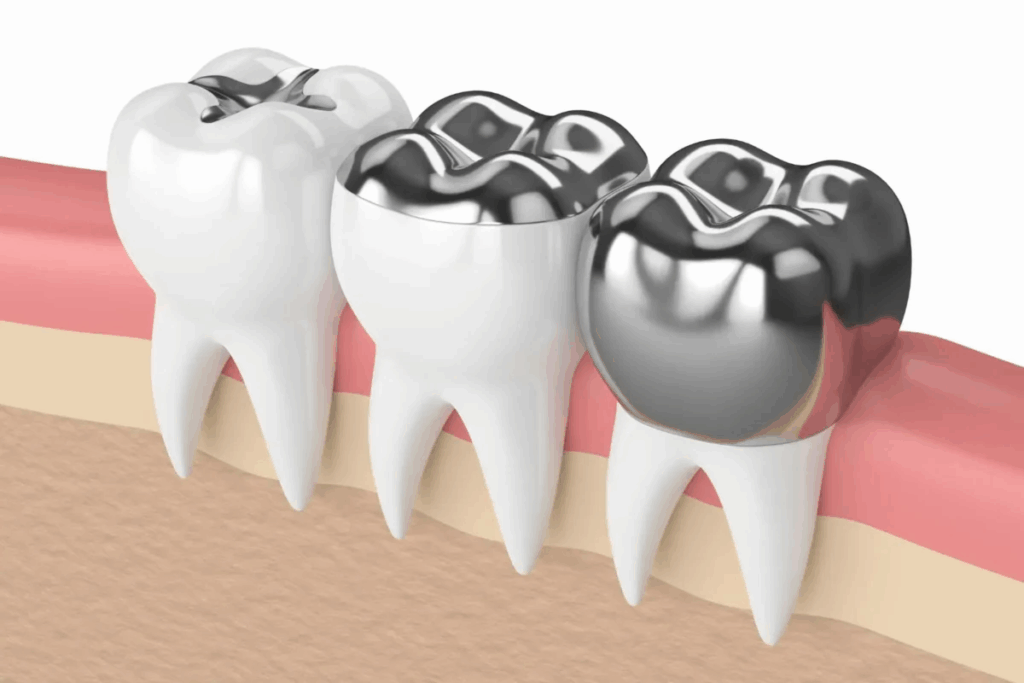
Choosing between amalgam and composite fillings is a big decision in dentistry. It affects how well patients are cared for and the results they get. Both types of fillings fix tooth decay, but they are made differently. In-depth analysis comparing the safety, cost, and longevity of Dental amalgam vs composite fillings.
Amalgam fillings have been around for over 150 years. They are strong and don’t cost a lot. On the other hand, composite fillings look more natural and are better for the environment. At Liv Hospital, we focus on what’s best for our patients. We make sure they get the right treatment for them.
Deciding between these two options can be hard. You have to think about how long they last, how they look, and how they affect the environment.
Key Takeaways
- The choice between amalgam and composite fillings affects patient care and outcomes.
- Amalgam fillings offer durability and cost-effectiveness.
- Composite fillings provide a natural appearance and are more environmentally friendly.
- Liv Hospital prioritizes evidence-based medicine and patient-centered care.
- The decision involves weighing durability, aesthetics, and environmental impact.
The Fundamentals of Dental Fillings

Dental fillings are key in fixing teeth damaged by decay. They help keep teeth healthy and looking good. Fillings stop decay from getting worse and keep your smile intact.
What Are Dental Fillings?
Dental fillings are materials that fill cavities in teeth. They help restore the tooth’s shape and function. This stops further decay or damage. There are two main types: amalgam and composite resin, each with its own benefits.
Common Causes of Tooth Decay
Tooth decay happens when plaque builds up on teeth. This leads to acid from bacteria, damaging the enamel. Poor oral hygiene, a diet full of sugars, and not seeing the dentist often can lead to decay.
The Importance of Proper Restoration
Fixing a decayed tooth right away is very important. If not, it can cause bigger problems like infections. Fillings stop these issues and help the tooth last longer.
Also, fillings affect how the tooth looks and works. For example, composite fillings can match the tooth’s color. This makes them look more natural than amalgam fillings.
Dental Amalgam vs Composite Fillings: A Historical Perspective

The history of dental fillings has grown over time. It has been shaped by new technologies and what patients want. Dental amalgam and composite fillings are the top choices, each with its own story.
The 150-Year Evolution of Amalgam
Dental amalgam has been around for over 150 years. It was first used in the United States in the 1830s. At first, people were worried about mercury in it. But, it was strong and easy to use, making it a key part of dentistry.
Today, the American Dental Association says amalgam is reliable and effective. Its long life shows it’s strong and dentists trust it.
The Development of Modern Composites
Composite resin fillings started in the 1960s. They had problems like wearing down and changing color. But, new science has made them better. Now, they look like real teeth and many people choose them.
People wanted fillings that looked good. As composite technology got better, they became more durable and effective.
Shifting Trends in Clinical Practice
How dentists work has changed a lot. It’s because of what patients want, worries about the environment, and new dental materials. Amalgam used to be the main choice for back teeth. Now, composite fillings are more popular because they look better and last longer.
The choice between amalgam and composite will keep changing. It will depend on what dentists think is best, what patients need, and new research.
“The future of restorative dentistry lies in balancing material performance with patient-centered care.”
Material Composition and Properties
Dental fillings come in two types: amalgam and composite. Each has its own set of properties. Knowing these differences helps dentists choose the right filling for each patient.
Amalgam Components: Mercury, Silver, Tin, and Copper
Amalgam fillings mix metals like mercury, silver, tin, and copper. This mix makes them strong and long-lasting. Mercury is key in holding the other metals together.
Amalgam usually has about 50% mercury. Silver adds strength and fights corrosion. Tin and copper boost durability and reduce corrosion.
Composite Resin Chemistry
Composite fillings are a blend of resin and glass particles. The resin is made from monomers like bisphenol A-glycidyl methacrylate (BIS-GMA). These monomers bond to form a strong matrix. Glass particles add strength and beauty.
This mix lets composite fillings match the tooth’s color and look. They’re great for areas that show when you smile.
Physical Properties Comparison
Amalgam and composite fillings differ in their physical properties. Amalgam is more durable and good for big fillings in teeth that bear weight. Composite fillings are less durable but look better and need less tooth preparation.
- Amalgam: High compressive strength, durable, and resistant to wear.
- Composite: Aesthetically pleasing, conservative tooth preparation, and can be bonded directly to tooth structure.
Choosing between amalgam and composite fillings depends on the patient’s needs and what they prefer. Dentists use this knowledge to give the best care.
Longevity and Durability Factors
It’s important to know how long amalgam and composite fillings last. Their durability depends on many things. These include the type of material, how well you take care of your teeth, and the dentist’s skill.
Clinical Studies on Filling Lifespan
Many studies have looked into how long fillings last. They give us clues on how these materials perform. For example, a study in the Journal of Dental Research showed amalgam fillings last longer than composite ones, mainly in back teeth.
Key findings from clinical studies:
- Amalgam fillings usually last longer than composite ones.
- Composite fillings can last longer if bonded well.
- Both types can get secondary caries, but composite ones more often.
Factors Affecting Restoration Longevity
Several things affect how long dental fillings last. These include:
- Oral hygiene: Brushing and flossing regularly helps fillings last longer.
- Diet: Eating sugary or acidic foods can harm fillings.
- Dental material: The type and quality of the filling matter a lot.
- Dentist’s skill: How well the dentist places the filling is key.
Median Survival Times by Material
The time fillings last varies. It depends on where the tooth is and how big the filling is. Here’s a table showing the average times for both materials:
Material | Median Survival Time (Years) | Common Failure Modes |
Amalgam | 12-15 | Secondary caries, fracture |
Composite | 8-12 | Secondary caries, wear, marginal breakdown |
In summary, amalgam fillings often last longer. But composite fillings are better for looks and can work well if done right. Knowing these facts helps both dentists and patients choose the best option for their teeth.
Aesthetic Considerations and Patient Satisfaction
Nowadays, how a filling looks is just as important as how it works. Many patients choose between amalgam and composite fillings based on looks.
Natural Appearance of Composite Materials
Composite fillings are made to look just like your teeth. They’re almost invisible, which is great for fillings you can see.
We pick composite resins that match your tooth color. This makes your fillings blend in perfectly. It also makes you feel more confident about your smile.
Visibility Concerns with Amalgam
Amalgam fillings, on the other hand, are easy to spot because they’re silver. They’ve been around for a long time but don’t look as good as composites.
Many people don’t like how amalgam fillings look, which is why they choose composites. Even though composites cost more, they look more natural.
Impact on Patient Confidence and Satisfaction
How your fillings look can really affect how happy you are with your teeth. Composites look natural, which makes people feel better about their smile.
Aesthetic Feature | Composite Fillings | Amalgam Fillings |
Color | Tooth-colored, blends with natural teeth | Silver-colored, more visible |
Visibility | Less noticeable, ideal for visible teeth | More noticeable, may be a concern for visible teeth |
Patient Satisfaction | Generally higher due to natural appearance | May be lower due to visible appearance |
We know that being happy with your fillings isn’t just about how they work. It’s also about how they look. By using composites, we help our patients get a strong, natural-looking smile.
Clinical Performance and Failure Patterns
Dental fillings, whether made of amalgam or composite, have different qualities that affect how long they last. It’s important for dentists and patients to know these differences.
Secondary Caries Development Rates
Secondary caries, or new cavities around old fillings, is a big problem. Research shows composite fillings are more likely to get secondary caries than amalgam ones. This is because of the materials’ properties and how sensitive they are to technique.
Fracture and Wear Resistance
Amalgam fillings are very durable and resistant to wear. On the other hand, composite fillings look good but may wear down faster, mainly in areas that get a lot of use. Even though composite materials have gotten better, amalgam is stronger against breaking.
Marginal Integrity Over Time
The edge of a filling is key to its lasting power. Amalgam fillings usually keep their edge better than composite ones. But, new composite materials and better bonding techniques have helped composite fillings stay in place better.
Replacement Frequency Comparison
How often a filling needs to be replaced is a key measure of its success. Amalgam fillings last longer than composite ones, meaning they need to be replaced less often. But, people often choose composite fillings because they look better and don’t contain mercury.
In summary, both amalgam and composite fillings have their good and bad points. Knowing how they perform and fail helps make better choices in dental care. A study says choosing between them should depend on the patient’s health needs and what they prefer.
“The longevity of dental restorations depends not only on the material properties but also on the technique and expertise of the dentist.”
Placement Procedure Differences
Dental restorations with amalgam or composite fillings need different methods. This is because of the unique properties of each material. The way they are placed is key to the restoration’s success and longevity.
Amalgam Placement Technique
Amalgam fillings use a condensation technique. The amalgam is packed into the cavity and then condensed to remove air pockets. This makes the filling strong and long-lasting.
Composite Bonding Procedure
Composite fillings, on the other hand, involve bonding. The tooth surface is etched, a bonding agent is applied, and then the composite resin is layered. This method requires precision to ensure a strong bond and prevent gaps.
Time and Technique Sensitivity
Composite bonding is more time-consuming and requires a skilled touch. The success of these fillings depends on proper layering, curing, and controlling moisture.
Moisture Control Requirements
Keeping the area dry is essential for composite fillings. Moisture can ruin the bonding process. Amalgam fillings are less affected by moisture, but isolation is important for success.
Dental professionals must understand these differences. This knowledge helps them choose the right material and technique for each patient. It ensures the best results for dental restorations.
Cost Analysis: Short-Term vs Long-Term
It’s important to know the cost differences between amalgam and composite fillings. This helps you choose the best dental care option. The cost includes the initial treatment, long-term care, and any future replacements.
Initial Treatment Expenses
Amalgam fillings are usually cheaper than composite ones at first. This is because amalgam fillings have been around for a long time. They are also easier to place, which keeps costs down. Composite fillings, on the other hand, are more expensive because they look better and need a special bonding process.
Filling Type | Average Initial Cost |
Amalgam Filling | $100-$300 |
Composite Filling | $200-$500 |
Replacement and Maintenance Costs
Even though amalgam fillings are cheaper at first, they might not last as long. This can lead to more costs over time. Composite fillings, while more expensive initially, might save money in the long run if they last longer and need fewer replacements.
“The long-term cost-effectiveness of dental fillings depends not only on the initial cost but also on the durability and maintenance requirements of the filling material.” – Dental Care Expert
A study showed that while amalgam fillings might last longer, they can also lead to more dental work. This can increase their overall cost.
Insurance Coverage Considerations
Insurance can greatly affect how much you pay out of pocket. Many plans cover both types of fillings, but the coverage varies. It’s key to check your policy to see what’s covered and what’s not.
In summary, when comparing the costs of amalgam and composite fillings, think about both short-term and long-term costs. Knowing the initial costs, future expenses, and insurance coverage helps you make a choice that fits your dental needs and budget.
Safety Considerations and Biocompatibility
When picking between amalgam and composite fillings, safety and how well they fit with the body are key. There are worries about mercury in amalgam and chemicals in composite. It’s important to look at how safe these materials are.
Mercury Exposure from Amalgam Fillings
Amalgam fillings have mercury, which has health concerns. Studies on mercury from these fillings show mixed results. Some say there could be health risks, making mercury a big issue in the debate.
Chemical Concerns in Composite Resins
Composite fillings have worries about chemicals like BPA. The risk is low, but it’s good to know how these chemicals might affect health. This is important when comparing them to silver fillings.
Regulatory Positions and Clinical Implications
Regulatory groups have rules for using both types of fillings. Knowing these rules helps doctors and patients make choices. It’s important for deciding between amalgam and composite fillings.
The choice between amalgam and composite fillings depends on what each patient needs. By looking at safety, how well they fit with the body, and how they work, we can make choices that help patients stay healthy.
FAQ
What are the main differences between amalgam and composite fillings?
Amalgam fillings mix mercury, silver, tin, and copper. Composite fillings use resin and filler particles. Amalgam fillings last longer but are less natural-looking. Composite fillings look more like your teeth and are less noticeable.
Are amalgam fillings safe due to their mercury content?
Many dental groups say the mercury in amalgam fillings is safe. But, some people worry about mercury. Composite fillings are a safer choice for them.
How long do amalgam and composite fillings typically last?
Fillings last based on how well you care for your teeth and your diet. Amalgam fillings can last 10-15 years or more. Composite fillings usually last 5-10 years.
What are the aesthetic advantages of composite fillings over amalgam fillings?
Composite fillings match your tooth color, making them less visible. This is great for teeth you can see and for those who care about their smile.
How do the costs of amalgam and composite fillings compare?
Amalgam fillings are often cheaper upfront. But, composite fillings might save money in the long run because they need less maintenance.
Are there any health risks associated with composite fillings?
Some composite fillings have BPA, which is a concern. But, many modern ones are BPA-free. Your dentist can help pick the safest option for you.
How do amalgam and composite fillings differ in terms of placement procedures?
Amalgam fillings use a traditional method. Composite fillings need a bonding process that involves etching and curing. Composite fillings are more delicate and take more skill to place.
Can I get an amalgam or composite filling if I have a metal allergy or sensitivity?
If you’re allergic to metals, amalgam fillings might not be safe. Composite fillings are safer, but talk to your dentist to find the best option for you.
What factors influence the choice between amalgam and composite fillings?
Your choice depends on the filling’s size and location, your oral care, and what you prefer. You might want something that looks natural or lasts longer.
Are amalgam or composite fillings more prone to secondary caries development?
Both types can get secondary caries. But, good oral hygiene and regular dental visits can help prevent this.
How do insurance coverage considerations impact the choice between amalgam and composite fillings?
Insurance for fillings varies by plan. Some cover amalgam more, while others cover composite better. Check your policy to see what’s covered.
References
National Center for Biotechnology Information. Amalgam Versus Composite Fillings: A Dental Material Comparison. Retrieved from https://pmc.ncbi.nlm.nih.gov/articles/PMC8407050/