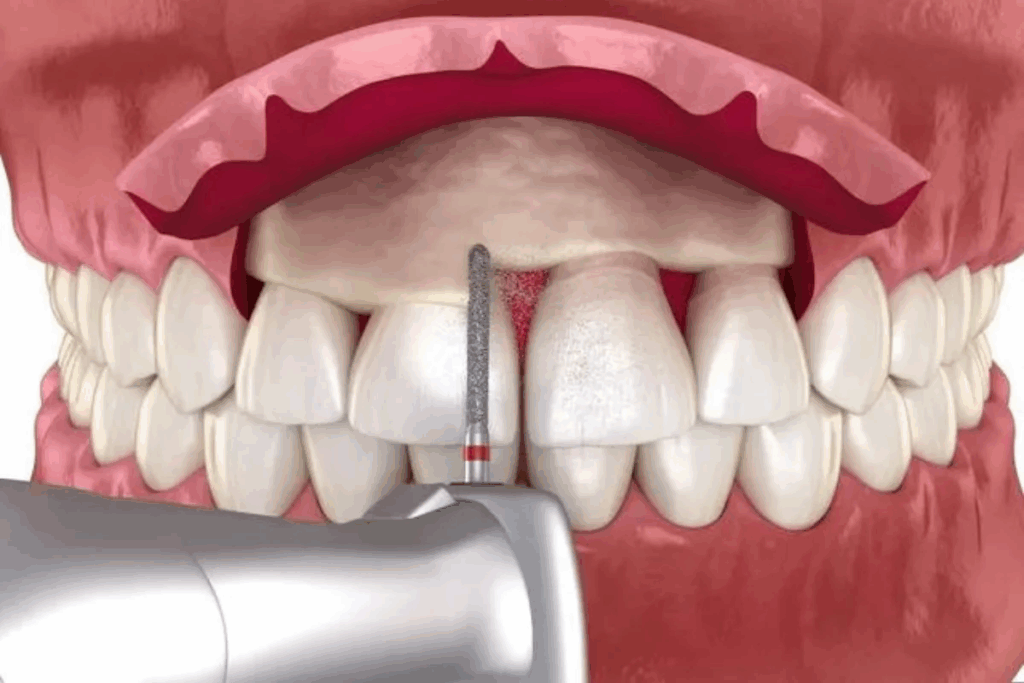
For those who have lost teeth, dental bone grafting is key in today’s dentistry. Studies show that about one in four dental implant cases need bone grafting. At Enhance Dental Centre, we use advanced bone grafting to improve dental health and prepare for future treatments. Detailed procedure and recovery guide for a Dental bone transplant surgery for implants.
Our team focuses on giving each patient personalized, precise care in a cozy setting. This ensures top-notch treatment. With a success rate over 90% in the best conditions, bone graft dental surgery has greatly improved smiles for many.
Key Takeaways
- Bone grafting is a common need in dental implant procedures.
- Advanced bone grafting techniques are used to restore dental health.
- Personalized care is provided to ensure patient comfort and optimal results.
- The success rate of bone grafting surgery is over 90% under optimal conditions.
- Enhance Dental Centre specializes in bone grafting and dental implant treatments.
Understanding Dental Bone Grafts

Many patients need a dental bone graft to fix their oral health and support dental implants. The idea of surgery can seem scary. But, knowing what to expect can help a lot.
What Is a Dental Bone Graft?
A dental bone graft is a surgery that moves bone tissue to fix jawbone problems. It’s needed when bone loss happens due to tooth loss, gum disease, or facial injuries. The goal is to make the jawbone strong again for implants or other treatments.
Common Reasons for Needing a Bone Graft
There are many reasons for needing a dental bone graft. Some common ones are:
- Tooth extraction and socket preservation
- Preparation for dental implants
- Periodontal disease damage
- Facial trauma repair
These issues can cause bone loss. This makes it hard to get dental restorations to work well.
Statistics on Dental Bone Graft Procedures
Studies show that about one in four dental implant procedures need bone grafting. This is more common in people in their 60s. Here’s a table with some stats on dental bone graft procedures:
Age Group | Percentage of Patients Requiring Bone Grafting |
40-49 | 15% |
50-59 | 20% |
60-69 | 30% |
70+ | 25% |
These numbers show how important bone grafting is in dentistry, but it’s even more critical for older patients.
The Dental Bone Transplant Process Explained

Dental bonegraft procedures use different graft materials. Each has its own benefits and drawbacks. The type of graft used can greatly affect the outcome.
Autografts (Your Own Bone)
Autografts use bone from one part of your body for another area. It’s the best choice because it heals faster and is less likely to be rejected.
Autografts have many advantages:
- High success rate: Using your own bone tissue leads to better results.
- Faster healing: Your body accepts the grafted bone quickly.
- Lower risk of complications: There’s less chance of rejection or infection.
But, autografts need another surgery site. This can cause more post-operative discomfort and a longer recovery.
Allografts (Donor Bone)
Allografts use bone from a donor. They’re an option when using your own bone isn’t possible.
Allografts have some benefits:
- Avoidance of second surgery: No need for a second surgical site.
- Availability: Bone banks provide allografts easily.
- Reduced surgery time: The procedure is quicker without harvesting bone from you.
But, allografts might have a higher risk of rejection and integrate slower than autografts.
Xenografts (Animal-Derived)
Xenografts use bone from animals, like cows or pigs. They help new bone grow.
Xenografts have some benefits:
- Availability and cost-effectiveness: They’re easy to find and can be cheaper.
- No need for a second surgery: Like allografts, xenografts don’t require a second site.
But, xenografts might cause more immune reactions and have varying bone integration rates.
Alloplasts (Synthetic Materials)
Alloplasts are made from materials like ceramics or polymers. They help bone grow and are safe for the body.
Alloplasts have some benefits:
- No risk of disease transmission: They’re synthetic, so there’s no disease risk.
- Customizable: They can be made to fit specific needs.
But, alloplasts might not work as well as autografts. They can also face complications if not integrated correctly.
When Is a Dental Bone Graft Necessary?
A dental bone graft is a surgery that adds bone to fix jaw bone loss. This is key for those with dental problems like tooth loss, gum disease, and facial injuries. It’s also needed for dental implants when the jawbone is weak.
Tooth Extraction and Socket Preservation
After a tooth is pulled, the bone around it can shrink. Socket preservation helps keep the bone from shrinking. A bone graft at the time of extraction helps keep the socket ready for implants later.
Preparation for Dental Implants
Dental implants need strong bone to work. If the bone is too thin or soft, a graft is needed. This graft makes the jaw strong enough for the implant and the fake tooth.
Periodontal Disease Damage
Periodontal disease harms the bone around teeth, leading to loss. In severe cases, a graft is needed to fix the bone. This helps the gums and teeth, and might allow for implants.
Facial Trauma Repair
Facial injuries can damage the jaw bone. A graft is needed to fix the bone and restore the jaw’s function and look. Bone grafting helps the jaw work and look normal again.
About one in four dental implant cases need a bone graft. A graft is essential for a stable implant. It also helps keep the jaw’s shape, supports dentures, or fixes bone loss.
Finding the Right Specialist for Your Procedure
The success of your dental bone graft surgery depends on your surgeon’s skills. At Enhance Dental Centre, we offer personalized care in a comfortable setting. Our team specializes in advanced bone grafting to improve dental health and future treatments.
Qualifications to Look For
When looking for a specialist, check their qualifications and experience in dental bone grafting. A good surgeon should be:
- Board-certified in oral and maxillofacial surgery or a related field
- Experienced in performing dental bone grafts
- Up-to-date with the latest techniques and technologies
Questions to Ask Your Dental Surgeon
Before your dental bone graft, have a detailed consultation. Ask questions like:
- What experience do you have with dental bone grafting procedures?
- What are the possible risks and complications of the surgery?
- How long will recovery take, and how will pain be managed?
Getting a Second Opinion
Getting a second opinion is wise to ensure you’re getting the best care. It helps you compare treatment plans and understand your condition better.
Reading Patient Reviews and Testimonials
Patient reviews offer insights into care quality and satisfaction. Look for feedback on the surgeon’s professionalism, the clinic’s environment, and the dental bone graph procedure’s outcome.
Qualification | Description | Importance |
Board Certification | Certification in oral and maxillofacial surgery | High |
Experience | Number of years performing dental bone grafts | High |
Continuing Education | Staying updated with the latest techniques | Medium |
Pre-Procedure Preparation Steps
A successful dental bone graft begins with good preparation. This step is key to figuring out if you need a bone graft and how to do it. We’ll help you get ready for the surgery.
Initial Consultation and Evaluation
The first visit is very important. We check your oral health to see if you need a bone graft. We’ll talk about your health, look at your teeth and gums, and might take X-rays or 3D scans.
Necessary Diagnostic Tests and Imaging
Tests and images are key to planning your surgery. We use advanced scans like CBCT to see your jawbone clearly. This helps us find the best bone for the graft and plan the surgery.
Medical History Review
We review your medical history to know how your surgery might go. We’ll talk about your medications, health conditions, and past surgeries. This helps us make the surgery fit your needs and lower risks.
Dietary and Medication Guidelines
Before surgery, we might give you special diet and medication advice. This could mean avoiding certain foods or changing your meds. We’ll also tell you how to get your body ready, like what to eat and drink.
Following these steps can help make your dental bone graft a success. Our team is here to support you every step of the way. We want to make sure you’re ready for a smooth and successful surgery.
The Dental Bone Graft Procedure: Step by Step
Learning about the dental bone graft procedure can ease your worries. It’s a detailed process that needs careful attention. We’ll walk you through each step, explaining everything clearly.
Anesthesia Options and Administration
We talk about anesthesia options with you to make sure you’re comfortable. You might get local anesthesia, sedation, or a mix of both. Sometimes, general anesthesia is used for more complex surgeries.
A trained professional will give you the anesthesia. We make sure you’re relaxed and comfortable before starting the surgery.
The Surgical Process in Detail
The procedure starts with an incision in your jaw to get to the graft area. We clean and shape the site for the graft. The graft material, which could be from you, a donor, an animal, or synthetic, is then placed and secured.
The exact steps can change based on the graft type and jaw location. Our skilled dental surgeons use the best methods to secure the graft and close the site with sutures that aid healing.
Duration and What to Expect During Surgery
The time needed for a dental bone graft varies. It can take from 30 minutes to several hours, depending on the case. You’ll be closely watched to stay comfortable during the surgery.
We’ll give you clear instructions on what to expect and how to prepare. You’ll know exactly what to expect during the procedure.
Same-Day Procedures vs. Multiple Appointments
Whether you need one visit or more for the graft depends on several factors. These include how much grafting is needed and your oral health.
For some, we can do the graft and prepare for the next step, like dental implant placement, in one visit. But, more complex cases might need multiple visits for healing and assessment.
We’ll talk about your treatment plan with you. We’ll decide if you can have the procedure done in one visit or if you’ll need to come back.
Immediate Post-Procedure Care
After a dental bone graft, it’s key to follow care instructions to ensure healing. You’ll leave the dentist with gauze on the incision. We’ll guide you on dressing changes and give antibiotics to prevent infection.
First 24-48 Hours After Surgery
For the first 24-48 hours after dental bone grafting, follow our advice closely. This helps avoid complications. Here are important steps:
- Rest and avoid strenuous activities.
- Apply ice packs to reduce swelling.
- Keep the gauze in place for the recommended time and change it as instructed.
- Avoid rinsing your mouth vigorously.
Pain Management Techniques and Medications
Managing pain after bone graft dental surgery is key. We’ll give you pain meds to follow. Remember to take them as directed. Also, try these tips for pain relief:
- Take pain medication as directed, preferably with food to avoid stomach upset.
- Avoid lying flat to reduce swelling.
- Use a soft-bristled toothbrush and gentle mouthwash.
Swelling and Bleeding Control Methods
Swelling and bleeding are normal after a dental bone graph procedure. To manage these:
- Apply ice packs to the outside of your cheek near the graft site.
- Use gauze to bite down on to apply pressure and control bleeding.
- Avoid hot foods and drinks.
Dietary Restrictions and Recommended Foods
Following a specific diet is important for healing. Eat soft, nutritious foods that are easy to chew and swallow. Good choices include:
- Yogurt
- Soups
- Mashed potatoes
- Scrambled eggs
Stay away from hot, spicy, or hard foods. They can irritate the graft site and slow healing.
Long-Term Recovery Timeline
The journey to full recovery after a dental bone graft has several stages. Each stage has its own milestones and expectations. Knowing these phases helps patients prepare for the healing process and know what to expect.
Week 1-2: Initial Healing Milestones
In the first two weeks, your body starts to heal the surgical site. After a week, any pain should lessen to mild discomfort as your jaw heals. It’s important to follow your dentist’s post-procedure care instructions for proper healing.
Key milestones during this period include:
- Reduction in pain and discomfort
- Initial healing of the surgical site
- Follow-up appointments with your dentist to monitor progress
Weeks 3-8: Soft Tissue Healing Process
Weeks 3-8 focus on healing soft tissues around the graft site. This period is key for the success of the dental bone graft. It allows the graft to integrate with the surrounding bone.
The soft tissue healing process involves:
- The gradual return of normal sensation and comfort
- Continued healing of the gum tissue around the graft
- Potential removal of any sutures, depending on the type used
Months 3-6: Bone Integration Phases
Bone integration is a critical phase in recovery. The grafted bone starts to fuse with the jawbone. This period is vital for a stable foundation for future dental procedures, like implants.
During months 3-6, you can expect:
- The grafted bone to start integrating with your natural bone
- Continued healing and strengthening of the jaw
- Regular check-ups with your dentist to assess the progress of bone integration
Complete Recovery Indicators
Complete recovery from a dental bone graft is marked by full integration of the graft with the surrounding bone. It also means restoring normal dental function. Indicators of complete recovery include:
- Stable bone density around the graft site
- Absence of significant pain or discomfort
- The ability to proceed with planned dental procedures, such as implant placement
The healing period is key for jaw stability needed for future treatments like implants. Understanding the long-term recovery timeline helps patients navigate their bone grafting in dentistry journey better.
Potential Complications and How to Address Them
Dental bone grafts are usually safe, but complications can happen. It’s important to watch for signs and act fast. Knowing the risks helps ensure a good outcome.
Infection Signs and Prevention Strategies
Infection is a possible issue after a dental bone graft. Look out for increased pain, swelling, redness, and pus at the graft site. To avoid infection, take all antibiotics as told.
Good oral hygiene is key. Rinsing with salt water helps. But, avoid hard rinsing or straw use to protect the graft.
Graft Rejection Symptoms
Graft rejection happens when the body rejects the bone. Signs include ongoing pain, swelling, and feeling the graft move. This is rare but serious and needs quick dental check-up.
To lower rejection risk, follow your dentist’s post-op advice and go to follow-ups.
When to Contact Your Dentist
If you notice odd symptoms after a dental bone graft, reach out to your dentist. Severe pain, too much bleeding, or infection signs mean you should call them right away.
“If you see signs of infection or graft rejection, or worry about healing, contact your dentist. Quick action can greatly improve your recovery.”
Emergency Situations Requiring Immediate Attention
Some problems need urgent care. Severe bleeding, trouble breathing, or swelling that gets worse are emergencies. Don’t wait for your next visit.
In emergencies, call your dentist or go to emergency care without delay.
Success Rates and Expected Outcomes
It’s important to know the success rates and outcomes of dental bone grafts. This procedure is key in dental restoration. It helps patients who need to rebuild their jawbone.
Statistical Success by Graft Type
Research shows that success rates differ based on the graft type. A study of 80 bone grafts found a 100% success rate over 70 months. This is a promising result.
Graft Type | Success Rate | Complication Rate |
Autografts | 95% | 5% |
Allografts | 90% | 10% |
Xenografts | 85% | 15% |
Alloplasts | 80% | 20% |
Factors Affecting Success Rates
Several factors can impact the success of a dental bone graft. These include the patient’s health, the dentist’s skill, and post-operative care. Under the best conditions, success rates can be over 90%.
- Patient Health: Conditions like diabetes can affect healing.
- Dentist’s Skill: Experience and technique play a critical role.
- Post-Operative Care: Following instructions is vital for recovery.
Timeline for Next Dental Procedures
The time needed for next dental procedures after a bone graft varies. Dental implants can usually be placed 3-6 months after the graft. This allows enough time for the bone to integrate.
Long-Term Benefits of Successful Grafts
Successful dental bone grafts bring long-term benefits. They improve oral function and aesthetics. They also provide a stable base for dental implants, greatly improving patients’ quality of life.
With proper care and successful grafting, patients can enjoy their dental restoration for many years.
Cost and Insurance Considerations
Dental bone grafting costs can vary a lot. This depends on the type of graft and how complex the procedure is. It’s important for patients to know these costs and what insurance covers.
Average Cost Breakdown by Procedure Type
The cost of dental bone grafting changes based on the type used. Autografts, which use the patient’s own bone, are usually more expensive. This is because they require more surgery. Costs can be from $2,000 to $6,000 or more, depending on the complexity and where the graft is.
Insurance Coverage Options and Limitations
Insurance for dental bone grafting varies. Some plans might cover part of the cost, like if it’s needed for a dental implant. But, many plans have limits or don’t cover certain grafts or procedures. It’s key to check your policy and talk to your provider about coverage.
Financing Alternatives and Payment Plans
If the cost is a worry, there are financing options and payment plans. Many dental clinics offer plans to spread out payments. There are also third-party companies that focus on medical and dental financing, with flexible plans.
Questions to Ask Your Insurance Provider
Before getting a dental bone graft, ask your insurance provider these questions:
- What is the coverage policy for dental bone grafting?
- Are there any specific requirements or documentation needed for pre-approval?
- What are the out-of-pocket costs, including deductibles and co-pays?
- Are there any limitations or exclusions that could affect coverage?
Knowing the answers to these can help you understand the financial side of your care better.
Conclusion
Dental bone grafting is key to making jaws strong again and keeping teeth healthy. We’ve looked at the different types, how they help, and what happens during the process.
At Enhance Dental Centre, we use the latest tech and focus on our patients. This ensures great results for those getting dental bone grafting or bone grafting in dentistry. Our team gives personalized care from start to finish.
A good dental bone graf or bone graft on tooth makes implants last longer. It also makes your mouth work better and look nicer. We aim to make our patients’ smiles shine and their mouths healthy.
If you’re thinking about dental bone grafting, come see us. Talk to our skilled team about what’s best for you.
FAQ
What is a dental bone graft?
A dental bone graft is a surgery to replace missing bone. It’s done to fix bone fractures or defects in the jaw. This is needed for dental implants or to fix bone loss from gum disease or trauma.
Why is a bone graft necessary for dental implants?
A bone graft is needed when there’s not enough bone in the jaw for an implant. It makes sure the implant has a strong base and helps it integrate well.
What are the different types of bone grafts used in dentistry?
There are several types of bone grafts. Autografts use the patient’s own bone. Allografts use donor bone. Xenografts use animal bone, and alloplasts use synthetic materials. Each has its own benefits and drawbacks.
How is a dental bone graft performed?
The surgery starts by accessing the area that needs the graft. The area is then prepared and the graft is placed. It’s secured in place, often with local anesthesia and sedation.
What is the recovery time for a dental bone graft?
Recovery times vary. The first healing stage is usually one to two weeks. But, it can take three to six months for full bone integration.
What are the possible complications of a dental bone graft?
Complications can include infection, graft rejection, nerve damage, and slow healing. It’s important to follow your dentist’s post-operative care and attend follow-up appointments.
How much does a dental bone graft cost?
Costs vary a lot. They depend on the type of graft, the procedure’s complexity, and where you are. It can range from a few hundred to several thousand dollars. Always get a detailed estimate from your dentist.
Is a dental bone graft covered by insurance?
Insurance coverage varies. It depends on your insurance provider and the procedure’s specifics. Some plans may cover part or all of the costs if it’s deemed medically necessary.
Can I get a dental implant immediately after a bone graft?
Sometimes, yes. This is called immediate implant placement. But, it depends on the bone quality and the technique used, as decided by your dentist.
How do I prepare for a dental bone graft procedure?
Preparation includes a consultation, diagnostic tests, and reviewing your medical history. Your dentist will also give you dietary and medication guidelines to follow.
What are the signs of infection after a dental bone graft?
Signs of infection include increased pain, swelling, redness, fever, and discharge. If you notice these, contact your dentist right away for treatment.
References
National Center for Biotechnology Information. Dental Bone Grafting: Step-by-Step Guide for Implant Cases. Retrieved from https://pubmed.ncbi.nlm.nih.gov/10454444/