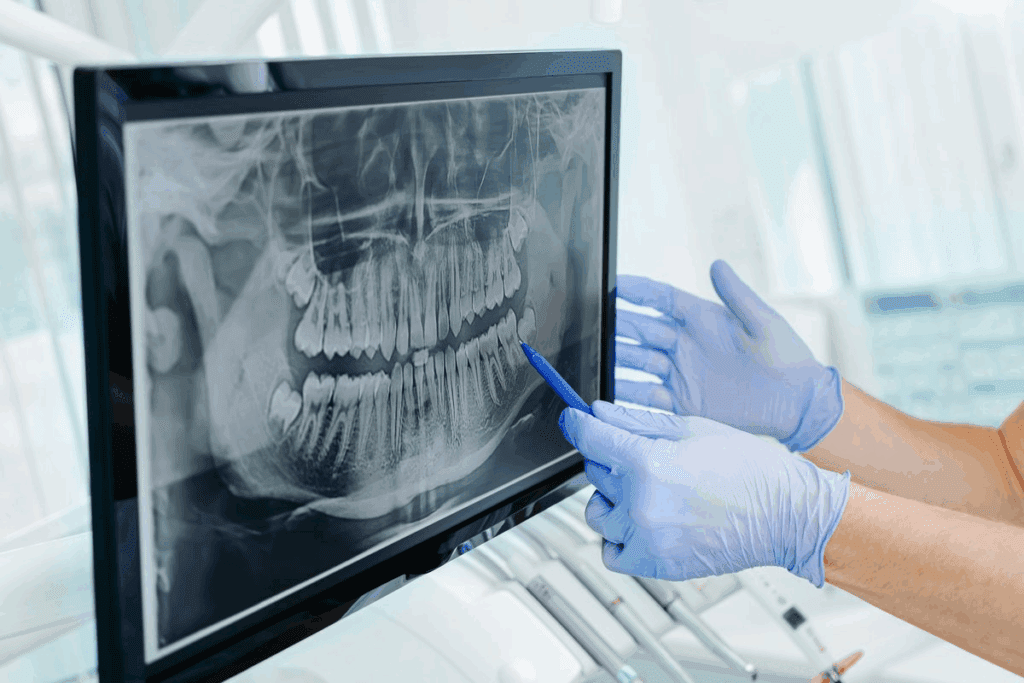
At Liv Hospital, we know that understandingdental X-rays laws in Texas can be tough. There’s no law that says you must get X-rays at certain times. But, the Texas State Board of Dental Examiners has strict rules for equipment, who can use it, and radiation safety. Discussing the legal requirements for dental imaging and the management of Dental radiation exposure in Texas.
We care about our patients and want to give them the best care. The rules are in place to keep patients safe and make sure doctors can diagnose correctly. These rules help keep everyone safe.
Key Takeaways
- Texas law does not universally mandate dental X-rays, but their use is regulated.
- The Texas State Board of Dental Examiners oversees regulations for equipment and operator certification.
- Patient safety and diagnostic accuracy are the primary concerns driving these regulations.
- Liv Hospital is committed to providing care that meets these stringent standards.
- Understanding these regulations is key for both patients and doctors.
The Legal Status of Dental X-Rays in Texas
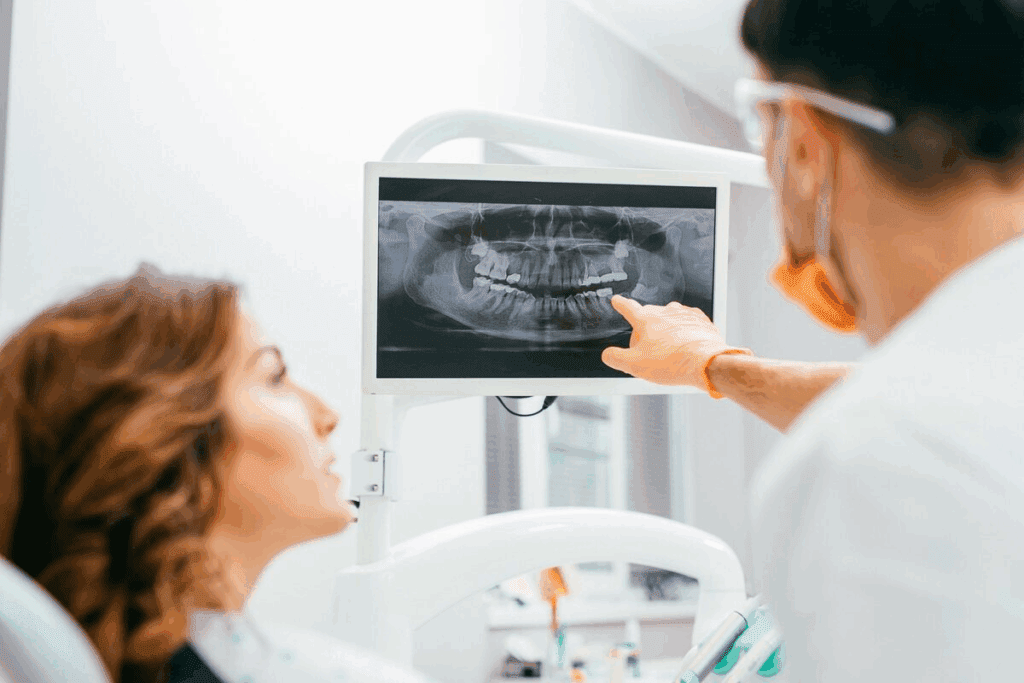
In Texas, the law about dental X-rays is clear. The Texas Dental Practice Act sets the rules for dentistry. It includes guidelines for using X-rays for diagnosis.
Overview of Texas Dental Practice Act
The Texas Dental Practice Act is a detailed law. It covers everything from who can be a dentist to what they can do. It talks about when X-rays are needed, based on a dentist’s judgment.
Absence of Universal Mandate for Dental X-Rays
There’s no law that says every patient must get X-rays. Dentists decide if X-rays are needed, based on each patient’s situation.
This way, dentists can choose the right tests for each patient. They balance the need for X-rays with the risk of radiation.
Role of Professional Judgment in Radiographic Decisions
Dentists use their best judgment when deciding on X-rays. They look at the patient’s health, symptoms, and what they find during exams. This ensures X-rays are used wisely and safely.
Using a dental radiography unit is key in dentistry. Dentists need to be licensed to use this equipment. This is important for keeping patient care high.
Texas State Board of Dental Examiners Regulations
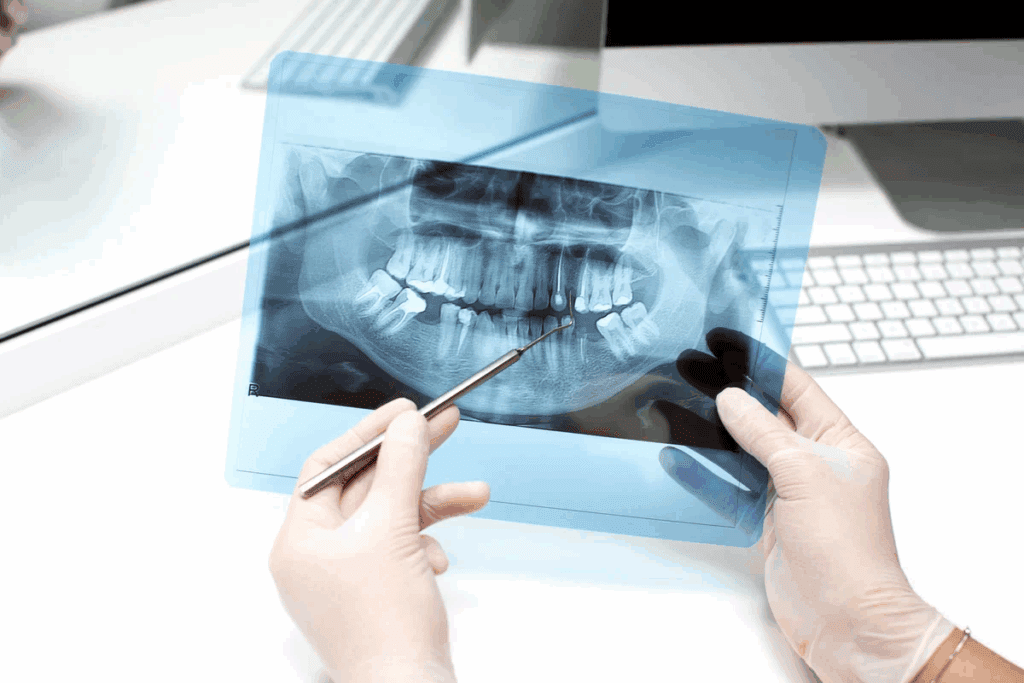
The Texas State Board of Dental Examiners has strict rules for dental X-rays. These rules help make sure dental X-rays are used safely and correctly in Texas.
Title 22 Texas Administrative Code Section 113.2 Explained
Section 113.2 of Title 22 Texas Administrative Code has clear rules for X-ray labs and equipment. It says all dental X-ray gear must be registered and kept in good shape. We’ll look into these rules and how they affect dental offices.
This rule stresses the need for x ray certification dental for those using dental X-ray machines. This certification makes sure dental pros know how to safely use dental x ray machines and read X-ray images right.
Regulatory Authority and Enforcement Mechanisms
The Texas State Board of Dental Examiners can enforce these rules in many ways. They check dental offices often to make sure they follow the rules. They also look into complaints about dental X-ray use.
We’ll talk about how they enforce these rules, including what happens if someone doesn’t follow them. Dental offices must follow these rules to avoid fines and keep patients safe.
Compliance Requirements for Dental Practices
Dental offices in Texas must follow the rules set by the Texas State Board of Dental Examiners. This means keeping up with dental xray unit upkeep and making sure everyone using X-rays has the right dental radiation safety certification.
We’ll explain what dental offices need to do to meet these rules. This includes what paperwork they need and how to keep quality high. Knowing these rules helps dental offices make sure they’re up to standard.
Dental Radiation Standards and Safety in Texas
Dental radiation standards in Texas aim to protect everyone from too much exposure. These rules are key to making sure dental X-rays are used right and safely.
Recommended Timeframes for Diagnostic X-Rays
How often we take X-rays is very important for safety. Experts say X-rays should only be done when they’re really needed. We decide to take an X-ray based on the patient’s health, what we find in the exam, and if it will help us plan treatment.
We try to keep the radiation dose as low as reasonably achievable (ALARA) while getting the info we need. This helps lower the amount of radiation patients get.
Patient-Specific Considerations for Radiation Exposure
Each patient’s situation is different when it comes to X-rays. Things like age, health history, and symptoms matter a lot. For example, kids and teens might need more X-rays because their teeth and jaws are growing. People who have had a lot of radiation before might need other tests instead.
We think about the patient’s risk for oral diseases and how X-rays can help find and treat them. By customizing our approach for each patient, we make sure X-rays are used wisely.
ALARA Principle Application in Dental Settings
The ALARA principle is very important for dental safety. It means we use the least amount of radiation needed for a good X-ray. This is done with the right X-ray machines, the best settings, and digital X-rays.
Following the ALARA principle helps us lower the radiation patients get. This makes them safer and helps us give better care in our dental offices.
Liability Considerations for Texas Dental Practitioners
Dental practitioners in Texas might face legal issues if they don’t order the right radiographs. This decision is critical for patient care and legal safety.
Legal Implications of Omitting Necessary X-Rays
Not getting the right X-rays can lead to wrong or late diagnoses. This can harm patients. Dental professionals might be sued for negligence if they don’t use X-rays when needed.
They must follow guidelines and consider patient factors like medical history and risk for dental disease. This helps avoid legal problems.
Documentation and Justification Requirements
It’s key to document why X-rays were used or not. Dental professionals should keep detailed records of their decisions. This shows they followed the standard of care.
If X-rays were skipped, they should explain why. Reasons might include recent X-rays, patient refusal, or clinical reasons. Good documentation helps prove they acted professionally.
Risk Management Strategies for Dental Professionals
Dental professionals in Texas can manage risks by following several steps. They should keep up with dental radiography guidelines. They also need to keep detailed records of patient care.
They should also get ongoing education and training. This improves their skills in interpreting X-rays and managing patients. It helps lower the chance of misdiagnosis and legal issues.
| Risk Management Strategy | Description | Benefit |
|---|---|---|
| Stay Updated on Guidelines | Regularly review and implement latest guidelines on dental radiography | Reduces risk of non-compliance and liability |
| Comprehensive Record Keeping | Maintain detailed records of patient care, including X-ray images | Enhances patient care and provides legal protection |
| Ongoing Education and Training | Participate in continuing education programs for radiographic interpretation | Improves diagnostic accuracy and reduces liability risk |
2025 Regulatory Changes in Texas Dental X-Ray Protocols
Texas dental practices will face new X-ray protocols in 2025. This change is a big step towards better dental imaging technology. It’s part of a larger effort to keep Texas regulations up-to-date.
Alignment with American Academy of Oral and Maxillofacial Radiology Guidelines
The Texas State Board of Dental Examiners has updated dental X-ray rules. These changes follow the American Academy of Oral and Maxillofacial Radiology (AAOMR) guidelines. This ensures Texas dental practices use the latest and safest methods for dental X-rays.
The new rules focus on dental x ray units with advanced safety and image technology.
“The AAOMR guidelines provide a framework for dental professionals to make informed decisions about radiographic imaging, balancing the need for diagnostic information with patient safety considerations.”
Changes to Lead Apron and Thyroid Collar Requirements
Starting in 2025, Texas will no longer require lead aprons and thyroid collars for dental X-rays. This change is based on research. Modern x ray equipment dental emits controlled X-rays, reducing exposure to areas outside the image field.
| Old Requirement | New Requirement (2025) |
|---|---|
| Mandatory use of lead aprons and thyroid collars | Use of lead aprons and thyroid collars is discretionary |
| Periodic inspection of lead aprons for damage | Emphasis on proper use and maintenance of dental x-ray machines |
Scientific Evidence Behind Policy Updates
The updates were based on the latest research in dental radiography and radiation safety. Studies show that modern dental x-ray machines with digital imaging reduce radiation exposure.
Dental practices in Texas must follow the new rules by 2025. The Texas State Board of Dental Examiners will offer training and resources. This includes information on dental radiation safety certification for dental professionals.
- January 1, 2025: New regulations take effect
- March 31, 2025: Deadline for dental practices to comply with new guidelines
- June 30, 2025: Compliance audits begin
Equipment Standards and Certification Requirements
Dental offices in Texas must follow strict rules for X-ray machines. The Texas State Board of Dental Examiners sets these rules. They make sure X-ray labs and equipment are safe and work well.
X-Ray Laboratory Regulations in Texas
The Texas State Board of Dental Examiners watches over X-ray labs. They check that dental X-ray gear is safe and works right. This is key for keeping patients safe and getting accurate images.
- Equipment Inspection: Dental offices must check their X-ray machines often. This makes sure they are safe and work as they should.
- Quality Control: Offices need to keep image quality high and radiation low. This is part of their quality control.
- Record Keeping: Dental offices must keep good records. These records should show when equipment was checked and how well it’s working.
Equipment Maintenance, Inspection, and Renewal Processes
Dental offices must follow a strict schedule for their X-ray equipment. This includes:
- Qualified technicians do regular checks on the equipment.
- Certified inspectors check the equipment every year. They make sure it meets safety standards.
- The equipment’s certification must be renewed when the Texas State Board of Dental Examiners says so.
Certification Process for Dental X-Ray Machines
Getting a dental X-ray machine certified involves several steps. These include:
- Initial Certification: New X-ray machines need to be certified when they’re first installed. This makes sure they’re safe and meet standards.
- Annual Recertification: Machines that are already there must be certified every year. This keeps them legal in Texas.
- Compliance Testing: Machines are tested to make sure they’re safe and take good images. This is part of their certification.
By following these rules, dental offices in Texas can give their patients safe and effective care.
Licensing Requirements for Dental Radiation Professionals
The Texas State Board of Dental Examiners has strict rules for dental radiation professionals. This is key to make sure dental X-rays are used safely and right.
Qualifications for Operating Dental X-Ray Equipment
To work with dental X-rays, you need to meet certain standards. You must have the right education and training in dental radiography. The Board makes sure everyone knows how to use dental X-ray machines and follows dental radiation safety certification rules.
The Board says, “Dental pros who use X-rays must know how to keep it safe and use dental radiography units correctly.”
“Keeping patients and staff safe is top priority. Getting the right training and license is key to avoiding risks with dental X-rays.”
— Texas State Board of Dental Examiners
Continuing Education Requirements for Radiation Safety
Staying current with safety and tech is important for dental radiation pros. The Texas State Board of Dental Examiners makes sure they take the right courses. These courses cover dental radiation safety and dental X-ray equipment use.
| Continuing Education Topic | Required Hours | Frequency |
|---|---|---|
| Radiation Safety Protocols | 4 hours | Every 2 years |
| Dental X-Ray Equipment Operation | 2 hours | Every 2 years |
| Radiographic Interpretation | 3 hours | Every 3 years |
Verification and Compliance Monitoring
The Texas State Board of Dental Examiners checks up on dental practices often. They make sure everyone follows the rules. Dental offices must keep up-to-date records of their team’s training and education in dental radiography.
By following these rules, dental pros in Texas can give safe and effective care. They also reduce radiation exposure for their patients.
Patient Rights Regarding Dental X-Rays in Texas
In Texas, patients have certain rights about dental X-rays. These rights help ensure patients are well-informed and involved in their dental care.
Informed Consent Requirements and Documentation
Dental practitioners in Texas must get informed consent before taking X-rays. They need to explain the X-ray’s purpose, risks, benefits, and other options. It’s important to document this consent well to avoid legal problems.
We should make sure patients understand the information given. Using simple language and letting them ask questions helps a lot.
Patient Refusal Rights and Practitioner Responsibilities
Patients can refuse dental X-rays. Dental practitioners must document this refusal and talk about the possible outcomes. It’s key to respect patients’ choices while making sure they’re well-informed.
If a patient says no to an X-ray, we should try to understand their reasons. We might talk about other ways to diagnose or explain why the X-ray is needed.
Access to Radiographic Records and Transfer Protocols
Patients have the right to see their radiographic records. Dental offices need to have plans for sending these records to other healthcare providers or to the patients themselves when asked.
| Record Type | Retention Period | Transfer Protocol |
|---|---|---|
| Digital X-rays | 5 years | Electronic transfer via secure email or patient portal |
| Film X-rays | 5 years | Physical transfer or digital scanning and electronic transfer |
Special Considerations for Vulnerable Populations
Some patients, like children, pregnant women, and people with disabilities, need special care with dental X-rays. Practitioners must know these needs and adjust their approach.
Pregnant patients might need extra shielding or other tests to reduce radiation. We should be ready to discuss these options with them.
Conclusion: Navigating Dental X-Ray Requirements in Texas
We’ve looked into the rules for dental X-rays in Texas. The Texas State Board of Dental Examiners plays a big role in making sure these rules are followed. They’ve updated their guidelines to match the American Academy of Oral and Maxillofacial Radiology.
Dental workers need to focus on getting certified in dental radiation safety. They must also follow strict rules for using dental X-ray machines. This keeps patients safe and ensures care meets high standards.
Dental professionals in Texas can offer top-notch care by following these rules. They need to find a balance between getting clear X-ray images and keeping patients safe from radiation. New dental X-ray technology helps improve patient care.
FAQ
Are dental X-rays required by law in Texas?
No, dental X-rays are not required by law in Texas. But, there are rules to ensure safety and accuracy.
What are the regulations set by the Texas State Board of Dental Examiners for dental X-rays?
The Texas State Board of Dental Examiners has rules in Title 22 Texas Administrative Code Section 113.2. These cover dental X-ray equipment, safety, and accuracy.
What is the ALARA principle in dental radiography?
The ALARA principle means dental professionals should use the least amount of radiation needed. This ensures images are diagnostic-quality.
How often should dental X-rays be taken?
Dental X-rays’ frequency varies based on the patient’s health, risk factors, and the dentist’s judgment. There’s no one-size-fits-all rule.
What are the licensing requirements for operating dental X-ray equipment in Texas?
To operate X-ray equipment in Texas, dental professionals need specific qualifications. They must also complete education in radiation safety and follow certain processes.
Can patients refuse dental X-rays?
Yes, patients can refuse dental X-rays. Dentists must explain the risks and benefits and document the refusal.
What are the new regulations for lead aprons and thyroid collars in Texas dental X-ray protocols?
Texas updated its rules in 2025 to match American Academy of Oral and Maxillofacial Radiology guidelines. This includes new guidelines for lead aprons and thyroid collars.
How can dental practices ensure compliance with Texas dental X-ray regulations?
Dental practices can stay compliant by keeping up with rule changes. They must also ensure X-ray equipment is certified and maintained. Following safety and radiation guidelines is also key.
What are the consequences of not following dental X-ray regulations in Texas?
Not following Texas dental X-ray regulations can lead to legal issues for dentists. It may also harm patient safety and diagnostic accuracy.
How can dental professionals manage the risk associated with dental X-rays?
Dental professionals can manage risk by following guidelines and documenting their decisions. They should justify X-ray use based on patient needs.
Are there any special considerations for vulnerable populations regarding dental X-rays?
Yes, vulnerable groups like children and pregnant women need careful consideration for dental X-rays. It’s important to assess their need and minimize radiation exposure.
References
Government Health Resource. Texas Dental X-Ray Regulations: Requirements and Guidelines. Retrieved from https://www.dshs.texas.gov/sites/default/files/radiation/pdffiles/RegGuides/4%204%20Regulatory%20Guide-Dental(fillable).pdf