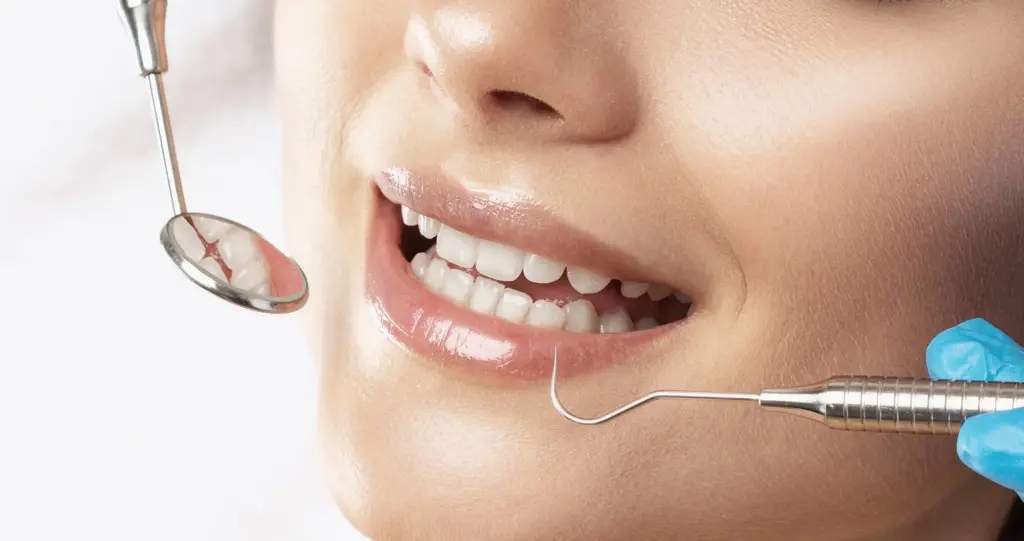
Dentistry focuses on diagnosing, preventing, and treating conditions of the teeth, gums, and oral structures, supporting oral health and overall well-being.
Maxillofacial Prosthetics: Common Symptoms
Common symptoms associated with maxillofacial prosthetics relate to the functional, structural, and sensory challenges that arise when parts of the face, jaw, or oral cavity are missing or altered. These symptoms are not caused by the prosthetic itself, but rather represent the underlying anatomical and functional deficits that lead to the need for prosthetic rehabilitation. Understanding these symptoms helps clarify when maxillofacial prosthetic care may be beneficial and what functional goals treatment aims to address.
Functional Symptoms Affecting Oral Activities
Loss or alteration of maxillofacial structures often disrupts basic oral functions.
Common functional symptoms include
• Difficulty chewing or processing food
• Reduced bite efficiency
• Food leakage into unintended oral or nasal areas
• Fatigue during eating due to altered mechanics
These symptoms directly affect nutrition and daily comfort.
Speech And Communication Difficulties
The maxillofacial region plays a critical role in speech production.
Symptoms affecting communication may include
• Unclear speech articulation
• Altered voice resonance
• Difficulty producing certain sounds
• Increased effort required for speaking
Speech changes can significantly impact social interaction.
Swallowing And Oral Control Issues
Structural defects can interfere with swallowing coordination.
Common swallowing related symptoms include
• Difficulty controlling liquids or solids
• Nasal regurgitation during swallowing
• Sensation of food sticking in the mouth
• Increased risk of choking sensations
These symptoms may limit dietary choices.
Facial Symmetry And Appearance Related Concerns
Changes in facial structure often lead to noticeable asymmetry.
Appearance related symptoms include
• Visible facial contour changes
• Loss of normal facial support
• Altered lip or cheek position
• Reduced facial symmetry at rest or movement
These changes affect self perception and confidence.
Sensory Changes And Discomfort
Altered anatomy may influence sensory experience.
Common sensory related symptoms include
• Areas of numbness or altered sensation
• Sensitivity in remaining tissues
• Discomfort from exposed or unsupported areas
• Awareness of structural imbalance
Sensory changes may fluctuate over time.
Oral Dryness And Saliva Management Issues
Structural changes can disrupt normal saliva flow.
Symptoms may include
• Difficulty managing saliva within the mouth
• Dryness in certain areas
• Excessive pooling of saliva in others
These issues influence comfort and hygiene.
Prosthesis Related Adjustment Sensations
During the period before prosthetic rehabilitation, individuals may experience ongoing discomfort related to missing structures.
Symptoms include
• Sense of instability in oral structures
• Difficulty maintaining oral seal
• Increased effort required for basic functions
These sensations highlight the need for structural support.
Symptoms Affecting Oral Hygiene
Structural deficits may interfere with routine hygiene.
Challenges include
• Difficulty cleaning certain areas
• Accumulation of food debris
• Increased irritation of remaining tissues
Hygiene challenges may worsen discomfort if unaddressed.
Variability Of Symptom Severity
Symptoms vary widely based on defect size, location, and individual adaptation.
Factors influencing severity include
• Extent of structural loss
• Remaining anatomical support
• Muscle coordination and compensation
• Time since structural change
Symptom variability requires individualized assessment.
Importance Of Symptom Recognition
Recognizing these common symptoms helps identify when maxillofacial prosthetic intervention may improve function and quality of life. Addressing both physical and psychosocial symptoms supports comprehensive rehabilitation and long term adaptation.