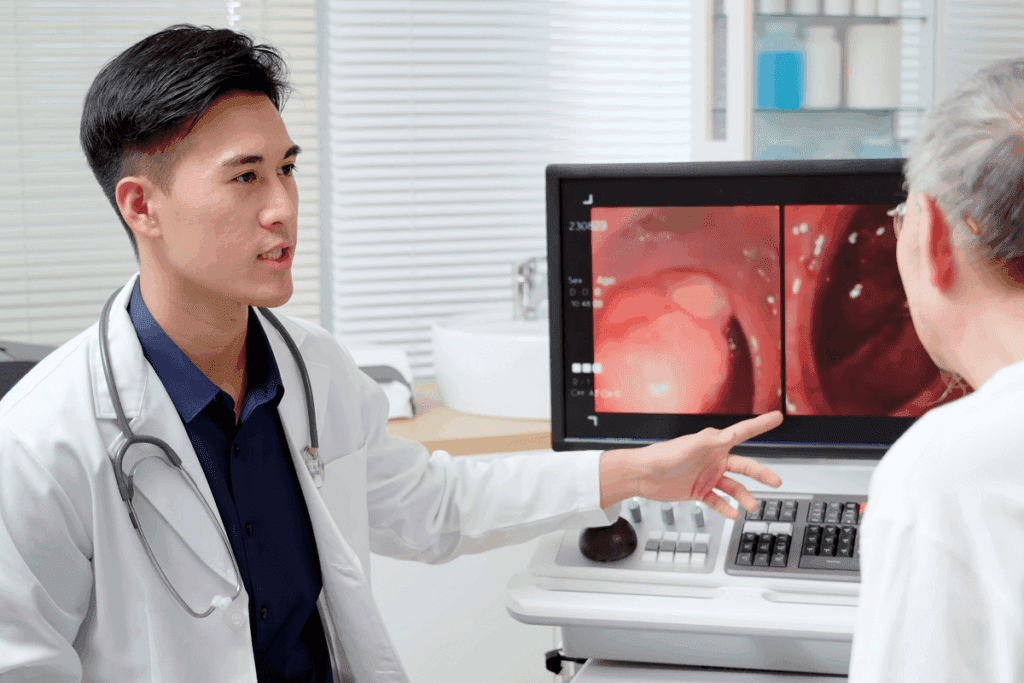
Descending colon pain is a common problem for many people around the world. About 13.1% of those with irritable bowel syndrome (IBS) feel pain on the left side. This is where the descending colon is. Suffering from descending colon discomfort? This guide explores 7 alarming causes, from diverticulitis to IBS, and the best, proven fixes.
The descending colon is a part of the large intestine, about 4 to 6 inches long. Problems here can cause a lot of discomfort. Issues like constipation, diarrhea, or inflammatory diseases can lead to pain.
It’s important to know what causes pain in the descending colon to find relief. At Liv Hospital, we use international medical knowledge and caring service. We help people find the cause of their pain and create a treatment plan just for them.
Key Takeaways
- Descending colon pain is a common issue among individuals with IBS.
- The descending colon is a key part of the large intestine.
- Conditions like constipation and inflammatory diseases can cause pain.
- Understanding the causes is key to finding relief.
- Liv Hospital offers personalized care for digestive concerns.
Understanding the Descending Colon: Anatomy and Function

To understand why the descending colon hurts, we need to know about its structure and role. The descending colon is a key part of the large intestine. It’s vital for our digestion.
Location of the Descending Colon
The descending colon is found on the left side of the abdomen. It connects the transverse colon to the sigmoid colon, going down. It’s near the splenic flexure, a bend in the large intestine close to the spleen.
The Role of the Descending Colon in Digestion
The descending colon’s main job is to hold waste and absorb water and nutrients. As waste moves through, it becomes solid. Then, it goes to the sigmoid colon and rectum for elimination.
This part of the colon is key for digestion. It helps by:
- Absorbing water and electrolytes
- Storing waste until it’s eliminated
- Preparing waste for its journey to the rectum
How the Descending Colon Differs from Other Parts of the Colon
The descending colon is different from other colon parts. It’s not like the ascending colon, which absorbs water and electrolytes first. The descending colon mainly stores and solidifies waste.
Colon Section | Location | Primary Function |
Ascending Colon | Right side of abdomen | Initial absorption of water and electrolytes |
Transverse Colon | Crosses the abdomen from right to left | Continues absorption, moves waste across the abdomen |
Descending Colon | Left side of abdomen | Stores and solidifies waste |
Sigmoid Colon | S-shaped, leading to the rectum | Temporarily stores waste before it moves to the rectum |
Knowing these differences helps us diagnose and treat problems with the descending colon. It shows how its unique role in digestion can cause discomfort or pain.
Common Causes of Descending Colon Discomfort

Knowing what causes pain in the descending colon is key to feeling better. This part of the large intestine can get affected by many things. These can lead to discomfort.
Irritable Bowel Syndrome (IBS)
Irritable Bowel Syndrome (IBS) is a common issue with the gut. It can make the descending colon hurt. Symptoms include stomach pain, changes in bowel movements, and bloating.
The exact reason for IBS is not known. But stress, diet, and hormonal changes can make symptoms worse.
Constipation and Its Effects
Constipation happens when it’s hard to go to the bathroom. It can cause pain in the descending colon. To help, eat more fiber, drink lots of water, and exercise regularly.
Diverticulitis and Diverticulosis
Diverticulosis is when small pouches form in the digestive tract. If these pouches get inflamed, it’s called diverticulitis. This is more common in older people and can be serious if not treated right.
Food Intolerances and Allergies
Food intolerances and allergies can also cause pain in the descending colon. Some foods can upset the stomach, causing bloating, gas, and pain. Staying away from these foods can help manage symptoms.
Understanding what causes pain in the descending colon is important. It helps people find relief and manage their symptoms. Always talk to a doctor for the right diagnosis and treatment.
Recognizing Symptoms Associated with Descending Colon Pain
Knowing the signs of descending colon pain is key to getting the right care. The descending colon is a big part of our digestive system. Pain here can mean different health problems.
Characteristic Pain Patterns
Pain from the descending colon usually feels on the left side of your belly. It can be sharp, crampy, or just a dull ache. The type and where you feel the pain can tell you a lot about what’s wrong.
- Sharp Pain: Often means sudden problems like diverticulitis.
- Crampy Pain: Could be from conditions like irritable bowel syndrome (IBS).
- Dull Ache: Might be from long-term issues or constipation.
Accompanying Digestive Symptoms
When the descending colon is affected, other digestive symptoms can show up. These include:
- Changes in how often you go to the bathroom, like diarrhea or constipation.
- Bloating and gas.
- Rectal bleeding or bloody stools.
- Mucus in your stool.
These symptoms can really affect your daily life. When you add descending colon pain, it might mean you have a gastrointestinal problem.
When Symptoms Indicate a Medical Emergency
While most descending colon pain isn’t a big emergency, some symptoms are. These include:
- Severe belly pain that doesn’t go away or gets worse.
- High fever with belly pain.
- Bloody stools or a lot of rectal bleeding.
- Bloody vomiting, or vomiting a lot.
If you or someone else has these symptoms, get medical help right away.
Inflammatory Conditions Affecting the Descending Colon
It’s important to know about the inflammatory conditions that affect the descending colon. These conditions can cause a lot of inflammation. This leads to symptoms and complications.
Ulcerative Colitis
Ulcerative colitis is a type of IBD. It causes chronic inflammation and ulcers in the colon and rectum. When it hits the descending colon, it can lead to pain, diarrhea, and bleeding.
The severity of ulcerative colitis can vary. It’s key to work with a healthcare provider to manage it well.
“The goal of treatment for ulcerative colitis is to induce and maintain remission,” say gastroenterologists. They use aminosalicylates, corticosteroids, and immunomodulators for treatment.
Crohn’s Disease
Crohn’s disease is another IBD that can hit any part of the GI tract, including the descending colon. It causes inflammation leading to symptoms like diarrhea, pain, and weight loss. The transmural nature of Crohn’s disease means it affects the entire thickness of the bowel wall.
Managing Crohn’s disease needs a full approach. This includes medication, lifestyle changes, and sometimes surgery. Biologic therapies have become a key part of treatment for many.
Infectious Colitis
Infectious colitis is caused by infections from bacteria, viruses, or parasites. It can cause inflammation in the descending colon. Symptoms include diarrhea, cramps, and fever. Identifying the cause of the infection is critical for treatment, which may include antibiotics or antiparasitic medications.
Prevention is key for infectious colitis. Good hygiene, safe food handling, and avoiding contaminated water can help prevent it.
Structural Issues That Can Cause Descending Colon Pain
Pain in the descending colon can come from several sources. These include polyps, cancer, and hernias. If not treated quickly, these issues can cause a lot of discomfort. Let’s dive into each of these problems to see how they affect the colon.
Colon Polyps and Their Complications
Colon polyps grow on the inside of the colon or rectum. Most are harmless, but some can turn cancerous. Symptoms like pain, bleeding, or changes in bowel movements can occur.
“Removing colon polyps during a colonoscopy can stop colorectal cancer before it starts.” This is very important for people with polyps or at high risk.
Colorectal Cancer Considerations
Colorectal cancer starts in the colon or rectum. It can cause pain, bleeding, or changes in bowel habits. The left side of the descending colon is a common place for this cancer to develop. Catching it early through screening is key to treating it effectively.
Recent studies show that
“Colorectal cancer is one of the most common cancers worldwide, with a significant proportion occurring in the descending and sigmoid colon.”
Being aware and getting screened can help lower its numbers.
Hernias and Adhesions
Hernias happen when an organ bulges through a weak spot in the muscle or tissue. In the colon, hernias can block or hurt. Adhesions, which are fibrous bands, can form between organs or the abdominal wall. They can cause bowel obstruction or chronic pain.
- Hernias can be painful and may need surgery.
- Adhesions often come from past surgeries or inflammation.
- Both can lead to serious problems if not managed right.
Knowing about these issues is key to treating pain in the descending colon. If symptoms don’t go away or get worse, see a doctor.
Diagnostic Approaches for Descending Colon Pain
Diagnosing descending colon pain involves several steps. We use physical exams, imaging studies, and lab tests. Finding the right diagnosis is key to treating the pain effectively.
Physical Examination Techniques
A detailed physical exam is the first step. We check for tenderness and masses in the left lower quadrant. A digital rectal exam helps check for bleeding or tenderness.
Imaging Studies and Their Benefits
Imaging studies are critical in diagnosing descending colon pain. We use:
- Computed Tomography (CT) scans to see the colon and surrounding areas.
- Ultrasound to check for abdominal issues.
- Barium enemas or X-rays to look at the colon’s shape.
These studies help find structural problems, inflammation, or other issues.
Laboratory Tests for Digestive Health
Laboratory tests are key for checking digestive health. We do blood work to look for inflammation, infection, or other problems. This includes tests like complete blood counts (CBC), erythrocyte sedimentation rate (ESR), and C-reactive protein (CRP).
Specialized Procedures: Colonoscopy and Sigmoidoscopy
For a closer look at the colon, we might suggest special tests. Colonoscopy lets us see the whole colon. Sigmoidoscopy focuses on the sigmoid colon and rectum. These tests help find polyps, inflammation, or other issues in the colon.
By using these methods together, we can find the cause of descending colon pain. Then, we can create a treatment plan that fits the person’s needs.
Lifestyle Modifications to Prevent Descending Colon Discomfort
Making lifestyle changes is key to avoiding discomfort in the descending colon. By choosing better daily habits, we can lower the chance of pain and discomfort in this area.
Exercise Benefits for Colon Health
Exercise is vital for a healthy lifestyle and colon health. It helps move the bowels, cuts diverticulitis risk by 37%, and boosts digestive health. Try to do at least 30 minutes of moderate exercise each day.
Benefits of Exercise for Colon Health:
Benefit | Description |
Stimulates Bowel Movements | Prevents constipation by encouraging regular bowel movements. |
Reduces Diverticulitis Risk | Exercise can lower diverticulitis risk by up to 37%. |
Improves Digestive Health | Boosts gut health and function. |
Stress Management Techniques
Stress can harm digestive health, including the descending colon. Chronic stress can worsen conditions like irritable bowel syndrome (IBS). Try stress-reducing activities like meditation, deep breathing, or yoga.
Sleep Quality and Digestive Health
Good sleep is vital for health, including digestive health. Poor sleep can upset gut bacteria and harm digestion. Aim for 7-9 hours of quality sleep each night to keep your descending colon healthy.
Smoking and Alcohol Considerations
Smoking and too much alcohol harm colon health. Smoking raises colon cancer and digestive disorder risks. Alcohol can irritate the colon and disrupt its function. Cutting down or avoiding these can help prevent discomfort in the descending colon.
Tips for Reducing Risk:
- Quit smoking or seek help to cut down.
- Drink alcohol in moderation.
- Stay hydrated to support colon health.
Dietary Strategies to Relieve Descending Colon Pain
A well-planned diet is key to easing descending colon pain and boosting digestive health. By choosing what we eat wisely, we can greatly improve our colon health and lessen discomfort.
Increasing Fiber Intake Safely
Boosting fiber is a top strategy for managing descending colon pain, mainly for those with constipation. A fiber-rich diet softens and thickens stool, making it easier to move. But, it’s vital to up fiber slowly to let the gut adjust.
Start with small fiber increases and watch how your body reacts. Foods like fruits, veggies, whole grains, and legumes are great sources. Adding berries, broccoli, and quinoa to your meals can help a lot.
High-Fiber Foods | Fiber Content (grams per serving) |
Avocado | 10 |
Broccoli | 5 |
Quinoa (1 cup cooked) | 5 |
Hydration Strategies for Colon Health
Drinking enough water is critical for colon health as it prevents constipation by softening stool. Aim for at least eight glasses of water daily, adjusting based on your activity and needs.
Drinking herbal teas and clear broths also helps with hydration. Try to cut down on caffeinated and alcoholic drinks, as they can dry you out.
Foods to Avoid When Experiencing Pain
Knowing and avoiding trigger foods is key to managing descending colon pain. Common offenders include dairy for those with lactose intolerance, gluten for those with celiac disease, and high-FODMAP foods for IBS sufferers.
Keeping a food diary can help pinpoint which foods worsen symptoms. It’s also wise to limit processed, spicy, and high-sugar, high-fat foods.
Beneficial Eating Habits and Patterns
Good eating habits support colon health. Eating smaller, more frequent meals eases digestion, and chewing food well aids digestion too.
Adding fermented foods like yogurt and sauerkraut, which are rich in probiotics, helps the gut. Also, having a regular eating schedule can help keep bowel movements regular.
Conclusion: Long-Term Management of Descending Colon Health
Managing descending colon health over the long term is key to avoiding problems and improving life quality. By making lifestyle changes, eating right, and getting the right medical care, people can lower their risk of colon pain.
At Liv Hospital, we stress the value of preventive care for colon health. This means regular health checks, screenings, and healthy habits like a fiber-rich diet, exercise, and stress control.
Preventive care over time can lower the risk of issues like diverticulitis, colon polyps, and colorectal cancer. Taking care of your colon can lead to better health and less need for major medical treatments.
We suggest teaming up with healthcare providers to create a plan for managing descending colon health. This team effort ensures you get care that fits your needs, helping keep your colon and overall health in top shape.
FAQ
What is the descending colon, and where is it located?
The descending colon is a part of the large intestine. It’s on the left side of the abdomen. It helps in the digestive process by storing and eliminating waste.
What are the common causes of descending colon pain?
Common causes include Irritable Bowel Syndrome (IBS), constipation, and diverticulitis. Food intolerances and inflammatory conditions like ulcerative colitis and Crohn’s disease also cause pain.
How does Irritable Bowel Syndrome (IBS) affect the descending colon?
IBS can cause abdominal pain and changes in bowel movements. It also causes discomfort in the descending colon due to altered bowel habits and sensitivity.
What is diverticulitis, and how does it relate to descending colon pain?
Diverticulitis is an inflammation of diverticula, small pouches in the colon wall. When these become inflamed, they can cause pain, usually on the left side, and other digestive symptoms.
Can dietary changes help alleviate descending colon pain?
Yes, increasing fiber intake and staying hydrated can help. Avoiding trigger foods and adopting beneficial eating habits also relieve pain.
What diagnostic tests are used to evaluate descending colon pain?
Tests include physical examinations and imaging studies like CT scans. Laboratory tests check for infections or inflammation. Specialized procedures like colonoscopy and sigmoidoscopy are also used.
How can lifestyle modifications prevent descending colon discomfort?
Regular exercise and stress management help. Improving sleep quality and avoiding smoking and excessive alcohol consumption also contribute to digestive health.
What is the role of the descending colon in the digestive system?
The descending colon stores fecal matter until it’s eliminated. It absorbs water and electrolytes, helping to form solid stool.
How long is the descending colon?
The descending colon is about 10-15 cm (4-6 inches) long. It extends from the splenic flexure down to the sigmoid colon.
Can structural issues like colon polyps cause descending colon pain?
Yes, colon polyps, colorectal cancer, hernias, and adhesions can cause pain. They often require medical evaluation and treatment.
What are the symptoms that indicate a medical emergency related to descending colon pain?
Severe abdominal pain, fever, bloody stools, and signs of bowel obstruction are symptoms that require immediate medical attention.
How is descending colon pain diagnosed?
Diagnosis involves a medical history, physical examination, and imaging studies. Laboratory tests and sometimes specialized procedures are used to determine the cause of pain.
What is the function of the descending colon in the digestive process?
The descending colon stores feces until it’s ready to be eliminated. It’s part of the large intestine’s function to absorb water and compact the stool.
References
Government Health Resource. Evidence-Based Medical Guidance. Retrieved from https://www.nejm.org/doi/full/10.1056/NEJMra1308632