
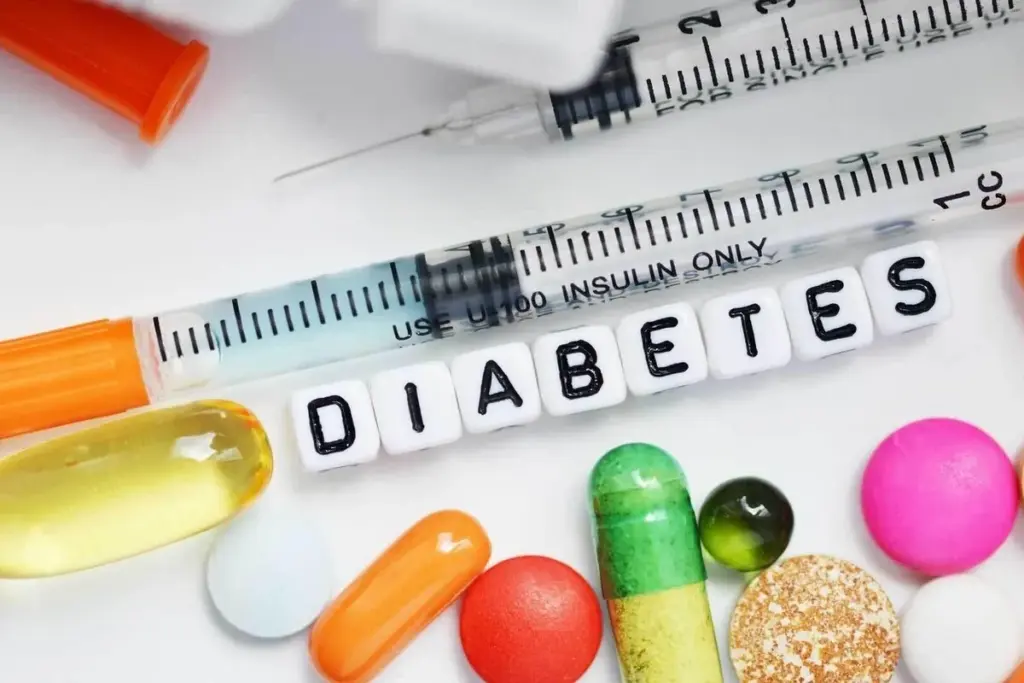
Managing type 2 diabetes well means knowing all the treatment options. There are many oral and injectable drugs to choose from. Patients and doctors need to find the best treatment plan together.
We know that effective management comes from knowing the different medication classes. This includes old favorites like metformin and sulfonylureas, and new ones like sodium-glucose transport protein 2 inhibitors. Liv Hospital offers care that’s focused on the patient, using the latest research and team support.
Key Takeaways
- Multiple therapeutic classes are available for type 2 diabetes treatment.
- Oral and injectable medications offer various benefits and considerations.
- Understanding the different medication classes is key for effective management.
- Patient-centered care involves evidence-based treatment protocols.
- A multidisciplinary approach supports complete diabetes care.
Understanding Type 2 Diabetes Medication Classes
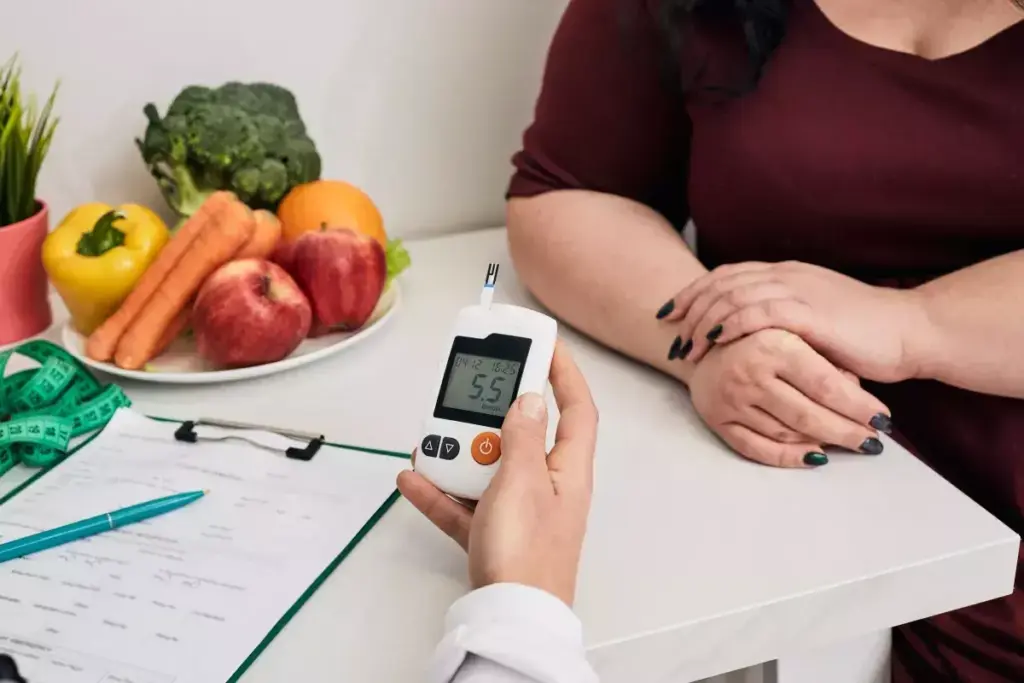
Managing type 2 diabetes requires knowing the different types of medications. We’ll look at oral and injectable options, how they work, and their role in controlling blood sugar.
Oral Medication Categories
Oral medications for type 2 diabetes vary and act in different ways. The main types are:
- Sulfonylureas: They make the pancreas release more insulin.
- Metformin: It lowers the liver’s glucose production and makes the body more sensitive to insulin.
- DPP-4 inhibitors: These increase insulin release and lower glucagon levels in the blood.
- SGLT2 inhibitors: They help the kidneys remove more glucose from the body.
These medications can be used alone or together to better control blood sugar. For example, metformin and a sulfonylurea can work well for some people.
Injectable Therapy Options
Injectable therapies are also key in managing type 2 diabetes. They include:
- GLP-1 receptor agonists: They boost insulin release, lower glucagon, and slow stomach emptying.
- Insulin: It directly replaces insulin to manage blood sugar levels.
Injectable treatments are great for those needing tighter blood sugar control or haven’t responded well to pills.
How Different Drug Classes Control Blood Sugar
Each drug class works in its own way to control blood sugar:
- Stimulating insulin secretion: Sulfonylureas and meglitinides make the pancreas release more insulin.
- Improving insulin sensitivity: Thiazolidinediones help the body use insulin better.
- Reducing glucose production: Metformin lowers the liver’s glucose output.
- Increasing glucose excretion: SGLT2 inhibitors help the kidneys remove glucose through urine.
Knowing how these medications work helps doctors create the best treatment plans for each patient. This improves type 2 diabetes management.
Complete Diabetes Medication Chart: 12 Oral Drugs by Class
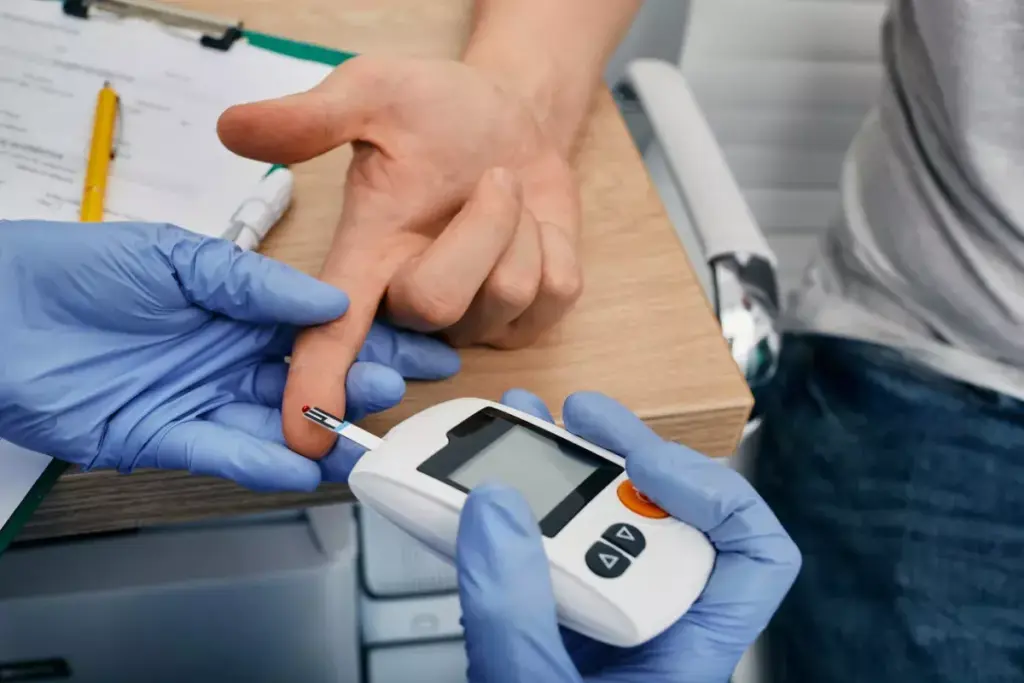
Type 2 diabetes treatment includes several oral medication classes. Each class works differently. Knowing these classes helps healthcare providers and patients make better choices for managing diabetes.
Sulfonylureas
Sulfonylureas help the pancreas make more insulin. They lower blood sugar but can cause low blood sugar. Examples are glipizide and glyburide.
Key characteristics of sulfonylureas:
- Stimulate insulin release
- Can cause hypoglycemia
- Typically taken once or twice daily
Meglitinides
Meglitinides, like repaglinide, also boost insulin but work faster. They are best taken before meals to manage blood sugar after eating.
Benefits of meglitinides:
- Rapid onset of action
- Effective in controlling postprandial glucose
- Flexible dosing schedule
Biguanides
Biguanides, like metformin, cut down on glucose made by the liver. Metformin is often the first choice for type 2 diabetes because it’s safe and works well.
Advantages of biguanides:
- Do not cause significant hypoglycemia
- May aid in weight loss
- Extensive clinical experience
Thiazolidinediones
Thiazolidinediones (TZDs), such as pioglitazone, make the body more responsive to insulin. They are effective but can cause fluid retention and increase heart failure risk.
| Medication Class | Examples | Mechanism of Action | Common Side Effects |
| Sulfonylureas | Glipizide, Glyburide | Stimulate insulin secretion | Hypoglycemia, weight gain |
| Meglitinides | Repaglinide | Stimulate insulin secretion | Hypoglycemia |
| Biguanides | Metformin | Decrease hepatic glucose production | Gastrointestinal issues |
| Thiazolidinediones | Pioglitazone | Improve insulin sensitivity | Fluid retention, heart failure risk |
Understanding oral diabetes medications helps healthcare providers create personalized treatment plans. This approach improves blood sugar control and reduces side effects.
Injectable Diabetes Medications Chart: 3 Advanced Therapies
Injectable diabetes medications have changed how we treat type 2 diabetes. They offer advanced treatments for better blood sugar control. These options are great for those who can’t take pills, giving them more choices.
GLP-1 Receptor Agonists
GLP-1 receptor agonists work like the hormone GLP-1 in our bodies. They help insulin work better when we eat. Trulicity (dulaglutide) and Victoza (liraglutide) are examples. They help control blood sugar, lose weight, and lower heart disease risk.
Dual GIP and GLP-1 Receptor Agonists
Dual GIP and GLP-1 receptor agonists are a new type of treatment. Mounjaro (tirzepatide) is one. It helps control blood sugar and also helps with weight loss.
Medication Combination Guidelines: Januvia with Farxiga, Trulicity, and Glipizide
Using different diabetes medicines together can work better. For example, Januvia (sitagliptin) with Farxiga (dapagliflozin) targets different ways to lower blood sugar. Also, Trulicity with Glipizide can help lower blood sugar even more.
| Medication Class | Examples | Benefits |
| GLP-1 Receptor Agonists | Trulicity, Victoza | Improved glycemic control, weight loss, cardiovascular benefits |
| Dual GIP and GLP-1 Receptor Agonists | Mounjaro | Enhanced glycemic control, significant weight loss |
| Combination Therapies | Januvia with Farxiga, Trulicity with Glipizide | Additive benefits in glucose control |
Conclusion
It’s key to know the different medicines for type 2 diabetes to control blood sugar well. We’ve talked about many types of oral and injectable drugs. Each works in its own way.
Choosing the right medicine for each patient is important. Doctors mix different medicines like sulfonylureas and GLP-1 receptor agonists. This makes treatment plans fit each person’s needs.
Managing type 2 diabetes needs a full plan, not just medicine. Lifestyle changes and medicine work together. Patients can control their blood sugar better and avoid serious problems.
We aim to give top-notch healthcare to patients worldwide. We offer advanced diabetes care and education. This helps patients manage their diabetes better.
FAQ
What are the different classes of type 2 diabetes medications?
Type 2 diabetes medications include metformin, sulfonylureas, DPP-4 inhibitors (like Januvia), SGLT2 inhibitors (like Farxiga), GLP-1 receptor agonists (like Trulicity), thiazolidinediones, and insulin for advanced cases.
Can Januvia and Farxiga be taken together?
Yes, DPP-4 inhibitors (Januvia) and SGLT2 inhibitors (Farxiga) can be used together under medical supervision to improve blood sugar control, as they work through different mechanisms.
What are the benefits of using GLP-1 receptor agonists in type 2 diabetes treatment?
GLP-1 receptor agonists lower blood sugar, promote weight loss, reduce appetite, and may protect the heart, making them effective for comprehensive diabetes management.
How do oral diabetes medications work?
Oral medications work by improving insulin sensitivity, increasing insulin secretion, reducing glucose production in the liver, or helping the kidneys excrete excess glucose.
Can I take Farxiga with Glipizide?
Yes, SGLT2 inhibitors (Farxiga) and sulfonylureas (Glipizide) can be combined, but monitoring for low blood sugar (hypoglycemia) is necessary. Always follow a healthcare provider’s guidance.
What is the role of dual GIP and GLP-1 receptor agonists in type 2 diabetes treatment?
Dual GIP and GLP-1 receptor agonists target two hormones to improve insulin secretion, reduce appetite, enhance weight loss, and improve overall blood sugar control.
Are there any specific guidelines for combining Januvia with Trulicity?
Yes, they can be combined safely, as Januvia (DPP-4 inhibitor) and Trulicity (GLP-1 agonist) work on related pathways, but combining them usually provides minimal additional benefit and should be monitored by a healthcare provider.
References
National Center for Biotechnology Information. Evidence-Based Medical Insight. Retrieved from https://pmc.ncbi.nlm.nih.gov/articles/PMC8465972/