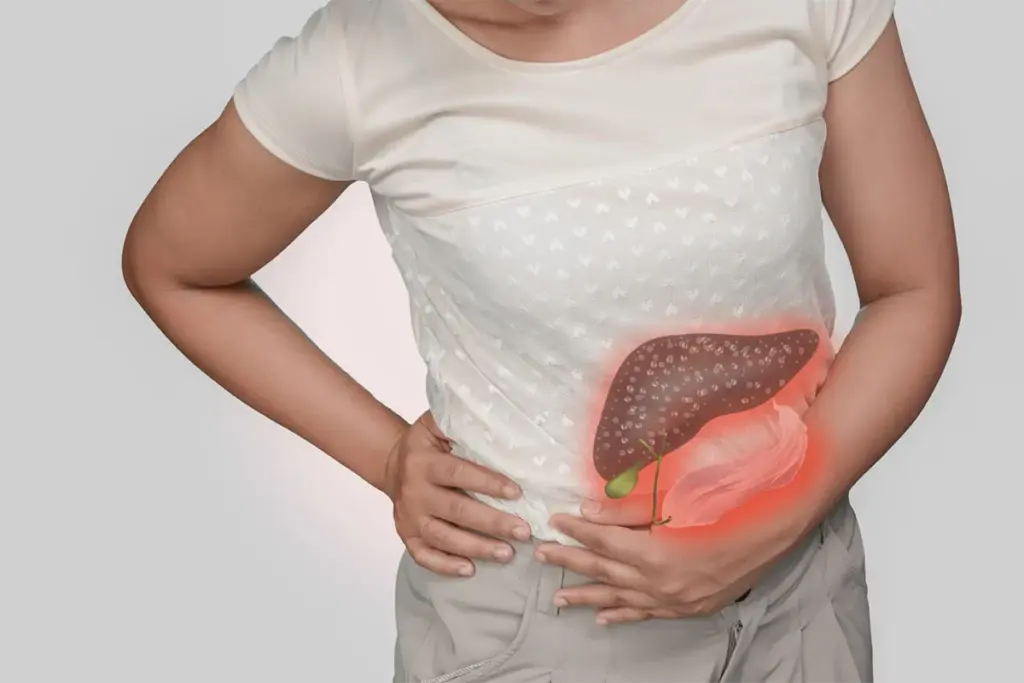
Diagnosing infiltrative liver disease requires a detailed approach. This includes advanced imaging, noninvasive scoring, and lab tests. It’s a complex condition where different liver problems lead to its dysfunction.
Finding the right diagnosis is key for good care. We’ll look at the newest ways and tools to spot this disease. This ensures patients get the right treatment on time.
Key Takeaways
- Diagnosing infiltrative liver disease involves a multifaceted approach.
- Advanced imaging and noninvasive scoring systems play a critical role.
- Laboratory markers are essential for accurate diagnosis.
- Timely diagnosis is vital for effective patient care.
- A thorough understanding of the condition is necessary.
Understanding Infiltrative Liver Disease
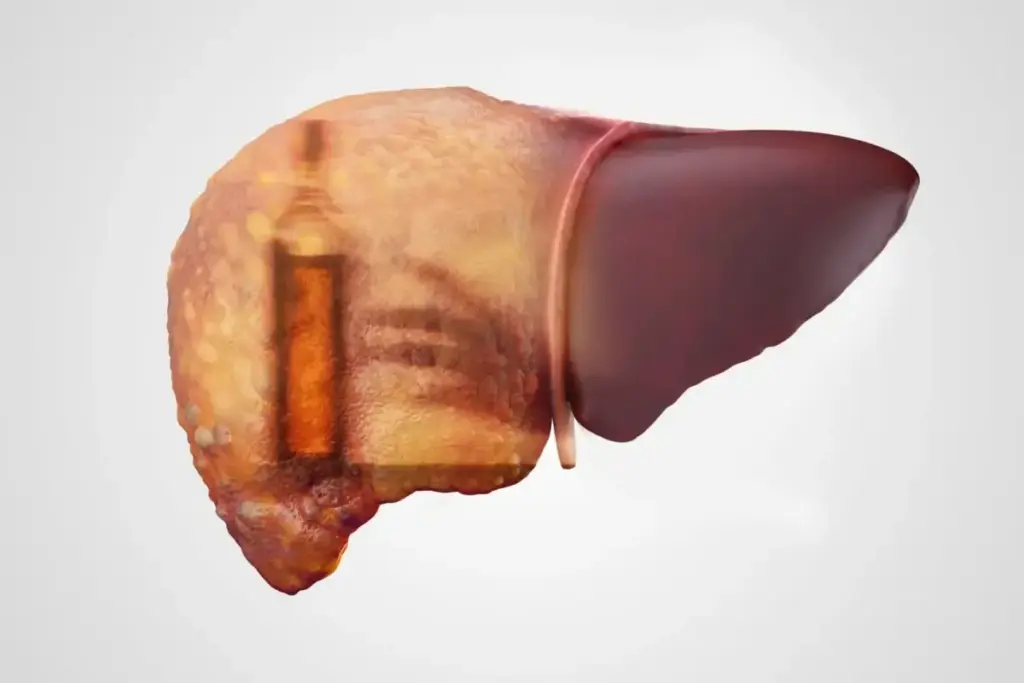
Liver health is greatly affected by infiltrative diseases. These can come from many sources, like metabolic and infectious causes. Knowing about these diseases is key for accurate diagnosis.
Definition and Pathophysiology
Infiltrative liver diseases happen when abnormal cells or substances build up in the liver. This can disrupt its normal work. Causes include metabolic disorders, infections, and infiltrative malignancies. It’s important to understand how these diseases work to diagnose them correctly.
The liver’s function is affected when it gets invaded by abnormal cells or substances. For example, fatty liver disease causes fat to build up in liver cells. This can lead to inflammation and scarring.
Impact on Liver Function
Infiltrative liver diseases can really hurt the liver’s function. The liver is vital for many things like breaking down toxins and making proteins. When it doesn’t work right, it can cause big problems. These diseases can lead to liver failure or cirrhosis.
|
Disease |
Primary Effect on Liver |
Clinical Consequences |
|---|---|---|
|
Fatty Liver Disease |
Accumulation of fat in hepatocytes |
Steatosis, inflammation, fibrosis |
|
Amyloidosis |
Deposition of amyloid fibrils |
Liver dysfunction, possible organ failure |
|
Sarcoidosis |
Formation of granulomas |
Liver inflammation, scarring |
It’s vital to understand how these diseases work. This knowledge helps in finding better ways to diagnose and treat them.
Common Types of Infiltrative Liver Disease
Infiltrative liver diseases include many conditions, each with its own signs and challenges. These diseases change how the liver works and can cause different symptoms. We’ll look at four common ones: fatty liver disease, amyloidosis, sarcoidosis, and storage disorders.
Fatty Liver Disease
Fatty liver disease, or steatosis, happens when liver cells have too much fat. It can be alcoholic or non-alcoholic, with non-alcoholic being more common. Non-alcoholic fatty liver disease (NAFLD) is linked to obesity and insulin resistance.
For more on NAFLD, check out Academy of Family Physicians.
Symptoms of fatty liver disease are not always clear. Doctors use imaging and liver tests to diagnose it. Treatment focuses on losing weight and controlling blood sugar.
Amyloidosis

Amyloidosis is when a protein called amyloid builds up in organs, including the liver. This can cause liver problems and other symptoms. Doctors usually need a biopsy to diagnose amyloidosis.
Treatment for amyloidosis depends on the cause and how much it affects organs. It might include chemotherapy or supportive care to manage symptoms.
Sarcoidosis
Sarcoidosis is a disease that can affect many organs, including the lungs and liver. Liver involvement can cause liver function tests to be abnormal or lead to portal hypertension. Doctors use clinical findings, imaging, and biopsy to diagnose it.
Managing sarcoidosis involves using corticosteroids and other drugs to reduce inflammation and prevent scarring.
Storage Disorders
Storage disorders, like glycogen storage diseases and lysosomal storage diseases, are caused by genetic defects. They lead to substances building up in the liver and other organs. These conditions often start in childhood and can affect liver function and overall health.
Diagnosing storage disorders involves genetic testing and biochemical tests. Treatment includes dietary changes, enzyme replacement therapy, and other supportive care to manage the disorder’s effects.
Clinical Presentation and Symptoms
It’s key to know the signs of infiltrative liver disease early. This helps in catching it before it gets worse. The disease can show up in different ways, making it hard to diagnose without knowing its signs.
Early Signs and Symptoms
In the beginning, infiltrative liver disease might not show any symptoms. Or it might just cause fatigue, malaise, or a bit of stomach pain. Spotting these signs early is important for quick action.
- Fatigue
- Malaise
- Mild abdominal discomfort
Advanced Disease Manifestations
When the disease gets worse, symptoms get more serious. You might see jaundice, lose a lot of weight, or notice your belly getting bigger because of fluid. These signs mean you need to see a doctor right away.
- Jaundice
- Significant weight loss
- Abdominal swelling (ascites)
Spotting infiltrative liver disease early can really help patients. Knowing the signs and symptoms is key. It helps doctors diagnose and treat it quickly.
Risk Factors for Infiltrative Liver Disease
Infiltrative liver disease is caused by genetics, environment, and health. Knowing these factors helps us spot who’s at risk. It also guides us on how to prevent it.
Genetic Predispositions
Genetics are key in some liver diseases. For example, certain genes can mess with lipid metabolism. This leads to fatty liver disease. We’ll look into how genes raise the risk of liver disease.
- Family History: If your family has liver disease, you might be at higher risk.
- Genetic Mutations: Some genetic changes can make you more likely to get certain liver conditions.
Environmental Factors
Lifestyle and exposure to substances can also affect liver disease risk.
- Diet and Lifestyle: Eating too much fat and sugar and not moving much can lead to fatty liver disease.
- Alcohol Consumption: Drinking too much alcohol can harm your liver, including infiltrative types.
- Exposure to Toxins: Some environmental toxins can also contribute to liver disease.
Comorbid Conditions
Having other health issues can up your risk for liver disease. These conditions often share risk factors with liver disease, like obesity and metabolic syndrome.
- Diabetes: People with diabetes are more likely to get fatty liver disease.
- Obesity: Being overweight increases the risk of fatty liver disease and other liver conditions.
- Metabolic Syndrome: This group of conditions, including high blood pressure and high blood sugar, raises liver disease risk.
Knowing these risk factors helps us take steps to avoid liver disease. Spotting and managing risk factors early is key to stopping liver disease from getting worse.
Initial Clinical Assessment
Identifying infiltrative liver disease starts with a detailed initial clinical assessment. This step is key to figuring out the right path for diagnosis. It involves a deep look into the patient’s health.
Medical History Taking
Getting a full medical history is the first step. It’s about collecting all the details about the patient’s health, family background, and lifestyle. Important things to note include:
- History of liver disease or related conditions
- Family history of genetic disorders
- Exposure to toxins or certain medications
- Symptoms that might point to liver problems
A study in the Journal of Clinical Gastroenterology highlights the importance of a detailed medical history. It helps spot risk factors and symptoms linked to infiltrative liver disease.
“The clinical history provides critical clues that can guide the diagnostic process.”
Physical Examination Findings
The physical exam is also a key part of the initial assessment. Doctors look for signs that might show liver disease or other issues. Some notable signs include:
|
Signs |
Possible Indications |
|---|---|
|
Jaundice |
Liver dysfunction or bile duct blockage |
|
Hepatomegaly |
Liver swelling due to infiltration or other reasons |
|
Ascites |
Fluid buildup in the belly, possibly due to cirrhosis or portal hypertension |
By combining a thorough medical history with careful physical exams, doctors can decide the best next steps for diagnosing infiltrative liver disease.
Laboratory Tests for Diagnosing Infiltrative Liver Disease
Laboratory tests are key in diagnosing infiltrative liver disease. They help doctors check liver health and find liver damage. They also help find the disease’s cause.
Liver Function Tests
Liver function tests (LFTs) check for liver damage. They look at enzymes and proteins in the blood. This includes alanine transaminase (ALT), aspartate transaminase (AST), alkaline phosphatase (ALP), and bilirubin. High levels of these can mean liver damage or inflammation.
Specialized Blood Tests
Special blood tests diagnose specific liver diseases. For example, tests for ferritin and transferrin saturation find hemochromatosis. This is a condition where too much iron builds up in the liver.
Genetic Testing
Genetic testing finds genetic disorders that cause liver disease. This includes Gaucher disease and alpha-1 antitrypsin deficiency. These tests help find the disease’s cause and guide treatment.
The following table summarizes key laboratory tests used in diagnosing infiltrative liver disease:
|
Test |
Purpose |
Indications |
|---|---|---|
|
Liver Function Tests (LFTs) |
Assess liver damage or disease |
Elevated liver enzymes (ALT, AST, ALP) |
|
Ferritin and Transferrin Saturation |
Diagnose hemochromatosis |
Excessive iron accumulation |
|
Genetic Testing |
Identify genetic disorders |
Gaucher disease, alpha-1 antitrypsin deficiency |
By using these tests together, doctors can accurately diagnose liver disease. They can then create a good treatment plan.
Imaging Techniques in Diagnosis
Diagnosing liver disease needs different imaging methods. These methods give important details about the liver’s condition. They help find out how much of the liver is affected and guide treatment plans.
Ultrasound Examination
Ultrasound is often the first choice because it’s non-invasive and easy to find. It can spot liver problems like fatty buildup or cirrhosis, linked to liver disease. But, its results can depend on the person doing the scan, and it’s not great at catching early signs.
Advantages: Non-invasive, widely available, and affordable.
Limitations: Results can vary, not good at finding early signs.
CT Scan Findings
CT scans give clearer pictures of the liver and can find more types of problems. They’re great for spotting specific spots and seeing how much of the liver is affected. But, they use radiation and might not be as good as MRI for some issues.
Advantages: Gives detailed images, good for finding specific spots.
Limitations: Uses radiation, not as sensitive as MRI for some problems.
MRI and Fibroscan
MRI is very good at finding liver problems, including early signs of disease. It can measure liver fat and iron, which is helpful for diagnosing fatty liver disease. Fibroscan, a special ultrasound, checks liver stiffness to see how much fibrosis there is.
Advantages: Very sensitive, can measure liver fat and iron.
Limitations: More expensive, not as common as ultrasound.
“MRI has emerged as a critical tool in the diagnosis and monitoring of liver disease, providing unparalleled detail and insight into liver pathology.”
Nuclear Medicine Studies
Nuclear medicine studies, like PET scans, show how the liver works. They’re very useful for certain liver diseases, like amyloidosis or sarcoidosis.
Advantages: Gives functional info, great for specific diseases.
Limitations: Uses radiation, not as common.
|
Imaging Technique |
Advantages |
Limitations |
|---|---|---|
|
Ultrasound |
Non-invasive, widely available |
Operator-dependent, limited sensitivity |
|
CT Scan |
Detailed imaging, detects focal lesions |
Involves radiation, less sensitive than MRI |
|
MRI |
High sensitivity, quantifies liver fat and iron |
More expensive, not as widely available |
|
Nuclear Medicine |
Provides functional information |
Involves radiation, not widely available |
Liver Biopsy: The Gold Standard
Liver biopsy is the top choice for diagnosing liver diseases. It gives a clear diagnosis by looking at liver tissue under a microscope. This method helps see how much and what kind of disease is present.
Indications and Procedure
A liver biopsy is needed when tests like imaging and lab work don’t show enough. It’s done to get a closer look at the liver tissue. The procedure is done under local anesthesia, with the patient lying on their back.
Ultrasound or CT scans guide the needle into the liver. This way, a tissue sample is taken.
Getting a liver biopsy might seem scary, but it’s usually safe. Rarely, there might be some pain or discomfort. This can be managed with pain medicine.
Histopathological Findings
The liver sample is sent to a lab for detailed examination. This can show many things, like fatty buildup, amyloid deposits, or inflammation. These findings help doctors know exactly what’s wrong and how to treat it.
Key histopathological features include:
- Fatty infiltration in fatty liver disease
- Amyloid deposits in amyloidosis
- Granulomatous inflammation in sarcoidosis
- Abnormal storage of substances in storage disorders
Looking at the liver tissue helps doctors understand the disease better. This way, they can create a treatment plan that fits the patient’s needs.
Differential Diagnosis Considerations
Accurately identifying infiltrative liver disease requires a detailed differential diagnosis. This involves looking at other liver conditions and diseases that might show similar symptoms or test results.
Other Liver Conditions to Rule Out
When diagnosing infiltrative liver disease, it’s important to exclude other liver conditions. These conditions might have similar symptoms or look similar on tests. Some examples include:
- Non-alcoholic fatty liver disease (NAFLD): A condition where liver cells have too much fat.
- Cirrhosis: Scarring in the liver, often caused by hepatitis or alcohol.
- Liver tumors: Both good and bad tumors can grow in the liver.
- Cholestatic liver diseases: These affect bile flow, like primary biliary cholangitis.
To tell these conditions apart from infiltrative liver disease, doctors use a mix of clinical checks, lab tests, and imaging.
Systemic Diseases with Liver Involvement
Some diseases affect the whole body and can also harm the liver. These diseases need to be considered when diagnosing liver problems. Examples include:
- Metabolic disorders: Diseases like Gaucher’s and Niemann-Pick can cause liver issues.
- Infectious diseases: Infections like tuberculosis and sarcoidosis can harm the liver.
- Hematological disorders: Lymphoma and leukemia can spread to the liver.
- Autoimmune diseases: Conditions like lupus and rheumatoid arthritis can affect the liver.
A leading hepatologist stresses the importance of a detailed differential diagnosis for liver disease management.
“The liver is a complex organ, and its involvement in systemic diseases can be subtle. A high index of suspicion and thorough diagnostic workup are essential.”
By looking at all these conditions and using different diagnostic tools, we can correctly diagnose and treat infiltrative liver disease.
Advanced Diagnostic Approaches for Infiltrative Liver Disease
We are on the cusp of a new era in diagnosing infiltrative liver disease. This is thanks to advancements in biomarkers and artificial intelligence. These technologies are set to change the field of hepatology, making diagnoses more accurate and timely.
Emerging Biomarkers
Emerging biomarkers are key in early detection and diagnosis of infiltrative liver disease. These biomarkers are found in blood, body fluids, or tissues. They show signs of disease. Some promising biomarkers include:
- MicroRNAs: Small non-coding RNAs that regulate gene expression and have been implicated in various liver diseases.
- Cytokines: Signaling molecules that can indicate the presence of inflammation or fibrosis in the liver.
- Proteomic signatures: Specific patterns of protein expression that can be used to diagnose and monitor liver disease.
These biomarkers could lead to non-invasive or minimally invasive diagnosis. This means less need for liver biopsy. They also offer insights into the disease’s pathophysiology, helping tailor treatment plans.
Artificial Intelligence Applications
Artificial intelligence (AI) is changing how we diagnose infiltrative liver disease. AI algorithms can analyze complex data, like imaging studies and lab results. They find patterns that might not be seen by humans.
AI has several key applications:
- Image analysis: AI improves the interpretation of ultrasound, CT, and MRI images, boosting diagnostic accuracy.
- Predictive modeling: AI algorithms predict disease progression and treatment outcomes based on past data.
- Clinical decision support: AI systems offer real-time guidance on diagnosis and treatment decisions to clinicians.
The use of emerging biomarkers and AI is set to greatly improve diagnosis and management of infiltrative liver disease. As these technologies advance, we can expect more precise and personalized care for patients.
Multidisciplinary Approach to Diagnosis
A team effort is key to diagnosing and managing liver diseases. This team includes doctors from different fields. They work together to give the best care.
With many experts, patients get a full check-up and the right diagnosis. This teamwork improves care and makes diagnosis faster.
Role of Hepatologists
Hepatologists are vital in diagnosing liver diseases. They know a lot about liver health. They can understand test results and find the disease’s cause.
They create treatment plans that fit each patient’s needs. Their work is essential for managing the disease and helping patients.
Involvement of Other Specialists
Other doctors also play a big part in diagnosing and managing liver diseases. This includes radiologists, pathologists, and doctors in internal medicine. They all help in understanding the disease.
Together, they make sure all parts of the disease are looked at. This teamwork helps everyone understand the disease better.
Coordinated Care Benefits
Working together is a big plus of this approach. Doctors share info and plan treatments together. This makes care smooth and effective.
This teamwork brings many benefits, like:
- More accurate diagnoses
- More effective treatments
- Happier patients
- Better health outcomes
By working together, we can give top-notch care to those with liver diseases. This care meets the complex needs of each patient.
Treatment Options Following Diagnosis
After getting a diagnosis, patients with infiltrative liver disease have many treatment options. These options are made to fit each patient’s needs. They focus on the cause of the disease and the patient’s overall health.
Disease-Specific Treatments
Disease-specific treatments aim to fix the root cause of the liver disease. For fatty liver disease, treatments might include changing your diet and exercising more. This helps manage weight and reduce liver fat. For amyloidosis, treatments might try to lower the amount of abnormal proteins in the body.
We use different treatments, including:
- Pharmacological interventions: Medicines that target the disease, like corticosteroids for sarcoidosis or drugs for fatty liver disease.
- Lifestyle modifications: Changes in diet, exercise, and stopping alcohol for alcoholic liver disease.
- Gene therapy: New treatments for genetic causes of some storage disorders.
Supportive Care Measures
Supportive care is key in treatment plans. It helps manage symptoms, prevent problems, and improve life quality. This includes:
|
Supportive Care Measure |
Description |
Benefit |
|---|---|---|
|
Nutritional support |
Dietary advice for good nutrition |
Boosts health and liver function |
|
Monitoring for complications |
Regular check-ups for liver issues or other problems |
Early spotting and handling of issues |
|
Psychological support |
Counseling to deal with emotional effects of diagnosis |
Improves mental health and strength |
By mixing disease-specific treatments with supportive care, we create a complete treatment plan. This plan meets the complex needs of patients with infiltrative liver disease.
When to Seek Medical Attention
It’s vital to get medical help early if you notice signs of liver disease. Liver disease can show up in many ways. Knowing the warning signs is key to getting help on time.
Recognizing Warning Signs and Symptoms
People with liver disease might feel tired all the time, have jaundice, or feel pain in their belly. Watching these signs closely and getting help if they get worse is important.
Some signs that mean you need to see a doctor right away include:
- Severe abdominal pain
- Vomiting blood or black tarry stools
- Yellowing of the skin and eyes (jaundice)
- Confusion or altered mental state
Emergency Situations
At times, liver disease can turn into emergencies that need quick medical care. These include sudden liver failure, severe bleeding, or infections. Spotting these early can save lives.
The table below shows some emergency situations and what to do:
|
Emergency Situation |
Symptoms |
Action |
|---|---|---|
|
Acute Liver Failure |
Jaundice, confusion, severe fatigue |
Seek immediate medical help |
|
Severe Bleeding |
Vomiting blood, black tarry stools |
Call emergency services |
|
Infection |
Fever, chills, abdominal pain |
Visit the emergency department |
Knowing the warning signs and how to act in emergencies can help a lot. We urge patients to take care of their health and seek help when needed.
Conclusion
We’ve looked into the details of infiltrative liver disease. This includes its types, how it shows up, and how to diagnose it. Getting the right diagnosis is key. It helps doctors create treatment plans that really work.
Keeping the liver healthy is vital for our overall health. To manage infiltrative liver disease well, we need a full plan. This plan includes the right treatment and ongoing care to stop the disease from getting worse.
Understanding the need for complete care is important. Working with doctors can lead to better health and a better life. Managing liver disease well needs a team effort. We’re dedicated to giving top-notch care and support to patients from around the world.
FAQ
What is infiltrative liver disease?
Infiltrative liver disease is when abnormal cells or substances build up in the liver. This can cause the liver to not work right.
What are the common types of infiltrative liver disease?
There are several types, like fatty liver disease and amyloidosis. Each has its own signs and ways to find out if you have it.
How is infiltrative liver disease diagnosed?
Doctors use many ways to find out if you have it. They look at your medical history, do tests, and might take a liver sample.
What are the risk factors for developing infiltrative liver disease?
Some things can increase your risk. These include your genes, the environment, and other health issues.
What are the symptoms of infiltrative liver disease?
Symptoms can be mild at first but get worse. Finding it early is key to managing it well.
How do laboratory tests contribute to the diagnosis of infiltrative liver disease?
Tests like liver function tests and blood tests help doctors understand what’s going on. They also check for genetic issues.
What is the role of imaging techniques in diagnosing infiltrative liver disease?
Tools like ultrasound and MRI help see how the liver is doing. They guide doctors to the next steps.
Why is liver biopsy considered the gold standard for diagnosing infiltrative liver disease?
A liver biopsy is the most accurate way to diagnose it. It lets doctors see the liver tissue up close.
What are the treatment options for infiltrative liver disease?
Treatment depends on the disease. It can include specific treatments or just helping the body manage.
When should I seek medical attention for infiltrative liver disease?
See a doctor if you notice symptoms or have an emergency. Quick action is important for treatment.
How can I manage my risk of developing infiltrative liver disease?
Know your risk factors. This includes your genes and other health issues. Early medical check-ups can help.
What is the importance of a multidisciplinary approach in diagnosing infiltrative liver disease?
Working with many doctors is better. It ensures you get the best care and treatment.
How do emerging biomarkers and artificial intelligence impact the diagnosis of infiltrative liver disease?
New biomarkers and AI are making diagnosis better. They could make finding diseases faster and more accurate.
What is the significance of accurate diagnosis and management of infiltrative liver disease?
Getting it right is key. It helps prevent the disease from getting worse and improves your life.
References
- Lai, J. C.-T., & Liang, L. Y. (2024). Noninvasive tests for liver fibrosis in 2024: Are there different scales for different diseases? Gastroenterology Reports. https://doi.org/10.1093/gastro/goad042 (PMCID: PMC11009030) PMC
- King, B. J., & Siegelman, E. S. (2020, November). Noninvasive evaluation of hepatic steatosis and fibrosis in primary care. American Family Physician, 102(10), 603–610. Retrieved from https://www.aafp.org/pubs/afp/issues/2020/1115/p603.html
- (Author(s)). (Year). Title of AJR article with DOI 10.2214/ajr.171.3.9725292. American Journal of Roentgenology. Retrieved from https://www.ajronline.org/doi/10.2214/ajr.171.3.9725292
- (Author(s)). (Year). Title of PMC8832541 article. PMC. Retrieved from https://www.ncbi.nlm.nih.gov/pmc/articles/PMC8832541/
- Açan, A. E. (2024). The effect of arthroscopic coracoplasty on subscapularis strength and anterior shoulder pain. Journal name. Retrieved from https://www.ncbi.nlm.nih.gov/pmc/articles/PMC10798749/ PMC