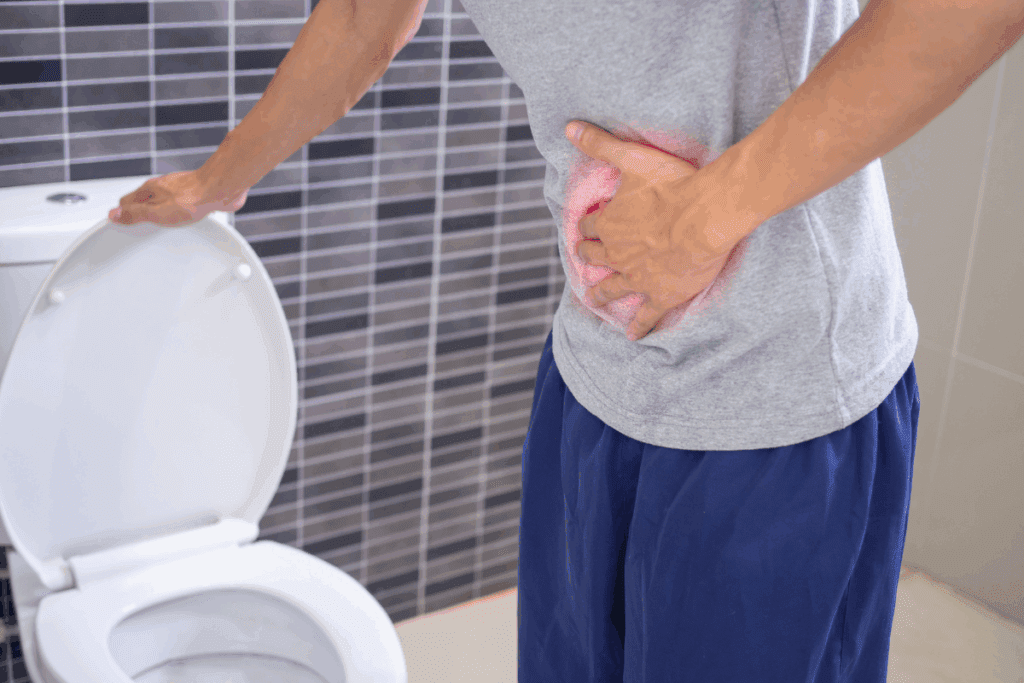
Gastric sleeve surgery can change your life, but it comes with challenges. One big issue is diarrhea, which can make daily life hard.
About 45% of vertical sleeve gastrectomy patients get diarrhea during recovery. This happens because the body is adjusting to big changes in digestion and how it absorbs nutrients.
As the body gets used to these changes, diarrhea usually goes away in a few months. It’s important to know how to handle diarrhea to make recovery easier. In this guide, we’ll look at ways to treat and manage diarrhea after gastric sleeve surgery.
Key Takeaways
- Gastric sleeve surgery can lead to diarrhea in some patients.
- Diarrhea is a common side effect, affecting approximately 45% of patients.
- The body’s adjustment to changes in digestion and nutrient absorption contributes to diarrhea.
- Managing diarrhea is key for a smooth recovery.
- Effective treatments and strategies can help ease diarrhea after gastric sleeve surgery.
Understanding Post-Bariatric Surgery Digestive Changes

It’s important to know about digestive changes after gastric sleeve surgery. This helps manage patient expectations and spot problems early. The surgery changes how food moves through the body, affecting quality of life.
How Gastric Sleeve Surgery Alters Digestion
Gastric sleeve surgery makes the stomach smaller. This limits how much food you can eat, leading to weight loss. But it also changes digestion and nutrient absorption.
The surgery affects ghrelin, a hormone that controls hunger. It also changes how nutrients are absorbed. These changes can affect bowel habits.
Normal vs. Abnormal Bowel Changes
Patients may see changes in bowel habits after surgery. Normal changes include more frequent or different stool consistency. But, abnormal changes like diarrhea, constipation, or blood in stool are not normal.
“Patients should be aware of their body’s changes post-surgery and seek medical attention if they experience severe or persistent gastrointestinal symptoms.”
Healthcare providers guide patients on what to expect. They help patients know when to seek medical help for bowel issues.
Timeline for Digestive Adaptation
The digestive system takes time to adjust to surgery. Patients start with a liquid diet, then soft foods, and eventually regular food. The time it takes to adjust varies, but most feel better in a few months.
Time Post-Surgery | Dietary Stage | Common Digestive Changes |
0-2 weeks | Liquid diet | Minimal stool output, possible constipation |
2-6 weeks | Soft foods | Gradual return of bowel movements, possible diarrhea |
6 weeks-3 months | Regular foods | Establishing a new normal in bowel habits |
Knowing the digestive adaptation timeline helps patients adjust better after surgery.
Why Diarrhea After VSG Occurs

Diarrhea after VSG surgery can be caused by several reasons. It’s not just a simple side effect. It often shows changes in the digestive system.
Dumping Syndrome Explained
Dumping syndrome happens when food, like sugar, moves too fast from the stomach to the small intestine. This can cause symptoms like diarrhea, stomach cramps, and nausea. It’s a common cause of diarrhea after gastric sleeve surgery, affecting many patients.
- Symptoms of dumping syndrome can be triggered by consuming high-sugar foods or drinks.
- Eating smaller, more frequent meals can help manage dumping syndrome.
- Avoiding foods high in simple carbohydrates is often recommended.
Small Intestinal Bacterial Overgrowth (SIBO)
SIBO is when bacteria grow too much in the small intestine. This can cause digestive problems, including diarrhea. The changes after VSG can lead to SIBO.
Symptoms of SIBO include bloating, stomach pain, and diarrhea. Doctors use breath tests to diagnose it. Treatment might include antibiotics or probiotics.
Bile Acid Malabsorption
Bile acid malabsorption can also cause diarrhea after VSG. Bile acids help digest fats, and not getting enough can lead to diarrhea and other symptoms.
Key factors contributing to bile acid malabsorption:
- Changes in the anatomy of the digestive tract post-surgery.
- Altered bile acid circulation.
Food Intolerances Post-Surgery
After VSG, some people may develop new food intolerances. These can cause symptoms like diarrhea. Common culprits include lactose, gluten, and high-fructose foods.
It’s important to identify and manage these intolerances. Keeping a food diary can help track which foods cause symptoms. This way, patients can make better dietary choices.
Immediate Relief Strategies for Acute Episodes
Acute diarrhea after gastric sleeve surgery can be tough. But, there are ways to get quick relief. Focus on drinking lots of fluids, managing symptoms, and making temporary diet changes to help your stomach heal.
Proper Hydration Techniques
Drinking enough water is key when you have diarrhea. Drink water, clear broths, or electrolyte-rich drinks like coconut water or sports drinks. Take small sips often to ease your stomach.
- Drink at least 8-10 glasses of fluid per day.
- Choose fluids that are gentle on your stomach.
- Avoid caffeinated and carbonated drinks that can upset your stomach.
Electrolyte Replacement Methods
Diarrhea can cause a big loss of electrolytes. These are important for your body’s functions. Using electrolyte solutions can help keep the balance right. Oral Rehydration Solutions (ORS) like Pedialyte are good for replacing lost electrolytes.
Key Electrolytes to Replenish:
- Sodium
- Potassium
- Chloride
Safe Over-the-Counter Remedies
OTC medications can help with diarrhea. But, pick them carefully and only with your doctor’s advice. Loperamide (Imodium) is often used to slow down bowel movements.
“It’s essential to consult with your healthcare provider before taking any OTC medication, specially after gastric sleeve surgery.”
Temporary Diet Modifications
Changing your diet can help with diarrhea. Try the BRAT diet (Bananas, Rice, Applesauce, Toast) to firm up your stools.
Avoid foods that can upset your stomach or are high in fiber until you feel better.
Dietary Approaches to Manage Diarrhea After VSG
Managing diarrhea after VSG surgery needs a detailed diet plan. Diarrhea can really hurt a patient’s life quality. It’s key to find ways to lessen its impact.
Low-FODMAP Food Choices
A low-FODMAP diet helps those with diarrhea after VSG. FODMAPs are carbs hard for some to digest. Cutting down on these foods can help with diarrhea.
Low-FODMAP foods include:
- Lean proteins like chicken and fish
- Vegetables such as spinach, carrots, and cucumbers
- Fruits like bananas, oranges, and grapes
- Grains such as rice, quinoa, and gluten-free bread
It’s important to get a diet plan from a healthcare provider or dietitian. They can make sure it fits your nutritional needs.
Fiber Adjustment Strategies
Fiber is key for good digestion. After VSG, some might need to change their fiber intake to control diarrhea.
Ways to adjust fiber include:
- Slowly increase fiber to help your gut adjust
- Choose soluble fiber like oats, apples, and berries
- Stay away from high-fiber foods like beans and cabbage
One study found that the right amount of fiber is essential for good digestion after surgery.
“A balanced fiber intake is key to maintaining healthy bowel habits post-bariatric surgery.”
Protein Sources That Minimize Digestive Distress
Protein is important for healing and keeping muscle after surgery. But, some proteins are harder to digest.
Good protein sources for easy digestion are:
- Lean meats like turkey and chicken
- Fish and seafood
- Eggs and dairy (if you can tolerate them)
- Protein shakes and supplements (with doctor’s advice)
Meal Timing and Portion Control
Meal timing and portion size are also important for managing diarrhea after VSG.
Here are some tips:
- Eat smaller meals more often to ease digestion
- Don’t eat and drink at the same time
- Drink fluids between meals, not with them
- Watch your portion sizes to avoid overeating
By following these dietary tips, patients can better handle diarrhea after VSG. This can greatly improve their life quality.
Medical Treatments and Interventions
Managing diarrhea after gastric sleeve surgery often needs medical help. Changing what you eat is key, but sometimes more is needed to feel better.
Prescription Anti-Diarrheal Medications
Medicines for diarrhea can really help after VSG surgery. They slow down how fast you go to the bathroom. This lets your body absorb more water and salts. Loperamide is a common choice. Always talk to a doctor before starting any new medicine.
“The right medicine can really help with diarrhea after gastric sleeve surgery,” says Medical Expert, a bariatric surgeon. “It’s important for patients to work with their healthcare team to find the best treatment.”
Probiotics and Digestive Enzymes
Probiotics and digestive enzymes can also help. Probiotics help balance your gut bacteria, which can change after surgery and diet changes. Digestive enzymes help break down food better, which can ease digestive problems. Studies show that Lactobacillus and Bifidobacterium probiotics are good for bariatric patients.
Treating Underlying Conditions
Sometimes, diarrhea after gastric sleeve surgery is a sign of another issue. Problems like Small Intestinal Bacterial Overgrowth (SIBO), bile acid malabsorption, or food intolerances need their own treatments. For example, SIBO might need antibiotics, and bile acid malabsorption could be treated with certain medicines.
- SIBO treatment often involves antibiotics or herbal antimicrobials.
- Bile acid malabsorption may be managed with medications like cholestyramine.
- Food intolerances may require dietary adjustments or enzyme supplements.
Vitamin and Mineral Supplementation
After gastric sleeve surgery, you might not get enough nutrients. This is because you eat less and digest food differently. Taking vitamins and minerals is key to avoid deficiencies that can make diarrhea worse. Common supplements include vitamin B12, iron, and calcium. It’s important to have blood tests to check nutrient levels and adjust supplements as needed.
Remember, supplements are important but should be taken with a doctor’s advice. This helps avoid taking too much or having bad interactions with other medicines.
Differences Between Diarrhea After Various Bariatric Procedures
Different bariatric procedures, like gastric sleeve and gastric bypass, affect the digestive system differently. This leads to varying experiences with diarrhea. Both procedures help with weight loss but have different impacts on bowel habits and diarrhea rates.
Gastric Sleeve vs. Gastric Bypass Digestive Issues
Gastric bypass surgery often leads to more diarrhea than gastric sleeve surgery. This is because of the changes in the digestive system’s anatomy. Gastric bypass creates a small pouch from the stomach and connects it to the small intestine. This can cause dumping syndrome and other digestive problems.
Gastric sleeve surgery removes a big part of the stomach, leaving a narrow “sleeve” or tube-like stomach. This procedure has a less dramatic effect on digestion. It might result in fewer cases of diarrhea.
- Gastric Bypass: Higher risk of diarrhea due to dumping syndrome and altered nutrient absorption.
- Gastric Sleeve: Generally lower risk of diarrhea, but it’s possible due to changes in stomach size and function.
Procedure-Specific Treatment Approaches
Treating diarrhea after bariatric surgery needs a personalized approach. For gastric bypass patients, managing dumping syndrome is key. This might involve avoiding high-sugar foods and eating smaller, more frequent meals.
For gastric sleeve patients, treatment focuses on managing food intolerances and adjusting eating habits to reduce discomfort.
“The key to managing post-bariatric surgery diarrhea lies in understanding the specific changes made to the digestive system during the procedure and tailoring treatment according.”
Long-Term Digestive Outcomes by Procedure Type
Long-term digestive outcomes vary between gastric sleeve and gastric bypass patients. Some may have persistent diarrhea, while others see their symptoms improve over time.
Procedure | Common Digestive Issues | Long-Term Outlook |
Gastric Bypass | Diarrhea, Dumping Syndrome | May improve with dietary adjustments |
Gastric Sleeve | Occasional Diarrhea, Food Intolerance | Generally improves over time |
Understanding these differences is key for patients to manage their expectations. It helps them work effectively with their healthcare providers to address digestive issues.
Preventing Recurrent Diarrhea Episodes
There are effective ways to prevent diarrhea after gastric sleeve surgery. By following a few key practices, patients can reduce diarrhea episodes. This helps improve their quality of life.
Food and Symptom Journaling Techniques
Keeping a food and symptom journal is a powerful tool. It helps identify foods that may cause diarrhea. By recording what you eat and any symptoms, you can spot patterns.
To effectively journal food and symptoms:
- Record every meal, snack, and beverage consumed
- Note the time of day and portion sizes
- Document any symptoms experienced, including their severity and duration
- Review the journal regularly to identify patterns
Gradual Food Reintroduction Protocol
After gastric sleeve surgery, it’s important to reintroduce foods gradually. This allows your digestive system to adapt. It also helps identify foods that may cause intolerance or trigger diarrhea.
The steps for gradual food reintroduction include:
- Start with small portions of a new food
- Monitor for any adverse reactions
- Gradually increase the portion size if no issues arise
- Wait a few days before introducing another new food
Stress Management for Digestive Health
Stress can affect your digestive health, making diarrhea worse. Using stress management techniques can help.
Some effective stress management strategies include:
- Meditation and mindfulness practices
- Regular exercise, such as walking or yoga
- Deep breathing exercises
- Seeking support from mental health professionals
Working With Your Bariatric Dietitian
A bariatric dietitian can offer personalized guidance and support. They can help create a meal plan that reduces the risk of diarrhea. This ensures you get the nutrients you need.
To maximize the benefits of working with a bariatric dietitian:
- Be open about your eating habits and symptoms
- Follow their recommendations for dietary changes
- Regularly update them on your progress and any challenges faced
- Ask questions about any concerns or uncertainties
When to Seek Medical Attention
After gastric sleeve surgery, it’s key to know when to get medical help for diarrhea. Some digestive changes are normal. But, some symptoms mean you need to see a doctor fast.
Warning Signs of Dehydration
Dehydration is a big problem with diarrhea. Look out for signs like too much thirst, dark pee, feeling dizzy, and tired. If you see these, you need to get medical help right away.
Key indicators of dehydration include:
- Decreased urine output
- Rapid heartbeat
- Low blood pressure
- Confusion or irritability
A medical expert says,
“Dehydration can lead to severe complications if not addressed promptly. Patients should be aware of the signs and seek medical care if they experience persistent diarrhea.”
Dehydration Severity | Symptoms | Action Required |
Mild | Thirst, slight darkening of urine | Increase fluid intake |
Moderate | Dizziness, decreased urine output | Seek medical attention |
Severe | Rapid heartbeat, confusion | Immediate medical attention |
Symptoms Indicating Complications
Some symptoms mean you need to see a doctor fast. Look out for severe belly pain, bloody stools, and a fever over 101.5°F (38.6°C).
Persistent Diarrhea Despite Interventions
If diarrhea keeps coming back, even after trying different things, see your doctor. Long-lasting diarrhea can cause malnutrition and other problems.
Keep a symptom journal to track your diarrhea. Note how often it happens, how it looks, and what might cause it. This helps your doctor find the cause.
Knowing when to get medical help is important. It helps keep you safe and healthy after gastric sleeve surgery.
Conclusion
Managing diarrhea well is key for patients after gastric sleeve surgery. It greatly improves their life quality. We’ve looked at different ways to handle diarrhea, like diet changes, medical treatments, and lifestyle adjustments.
Knowing why diarrhea happens after VSG is important. It can be due to dumping syndrome, SIBO, or food intolerances. Patients can take steps to lessen its effects. Working with healthcare providers, like bariatric dietitians, is vital for the best results.
In summary, dealing with diarrhea after gastric sleeve surgery needs a full plan. By using the tips from this article, patients can reduce diarrhea. This helps them have a smoother recovery.
FAQ
What can I take for diarrhea after gastric sleeve surgery?
You can try different treatments like prescription meds, probiotics, and digestive enzymes. Always talk to your doctor first.
Why do I experience diarrhea after VSG?
Diarrhea after VSG can be caused by dumping syndrome, SIBO, or food intolerances. Knowing the cause helps in managing it better.
How can I manage diarrhea immediately after gastric sleeve surgery?
To feel better right away, drink lots of water, replace lost salts, and use safe OTC meds. Also, change your diet temporarily.
What dietary changes can help manage diarrhea after VSG?
Eat foods low in FODMAPs, control fiber, and choose proteins that are easy on your stomach. Also, eat at regular times and in small amounts.
How does gastric sleeve surgery differ from gastric bypass in terms of digestive issues?
Each surgery can cause different digestive problems. Knowing these differences helps in finding the right treatment for you.
What are the warning signs that I need to seek medical attention for diarrhea after gastric sleeve?
Look out for dehydration, signs of complications, and diarrhea that won’t go away. If you see these, get medical help fast.
Can I prevent recurrent diarrhea episodes after gastric sleeve surgery?
Yes, you can. Keep a food and symptom journal, slowly add foods back, manage stress, and work with a dietitian.
How long does it take for my digestive system to adapt after gastric sleeve surgery?
Adaptation time varies for everyone. It’s important to know what’s normal and be patient.
What role do probiotics play in managing diarrhea after gastric sleeve?
Probiotics can help keep your gut healthy and reduce diarrhea. But, always check with your doctor before starting them.
Are there any specific vitamin and mineral supplements I should take after gastric sleeve surgery to manage diarrhea?
You might need supplements to avoid deficiencies. Talk to your doctor to find out what you need.
References
- Brunet, E., et al. (2020). Review of the management of diarrhea syndrome after bariatric surgery. Obesity Medicine, 17, 100180. https://www.sciencedirect.com/science/article/abs/pii/S2530018020300822