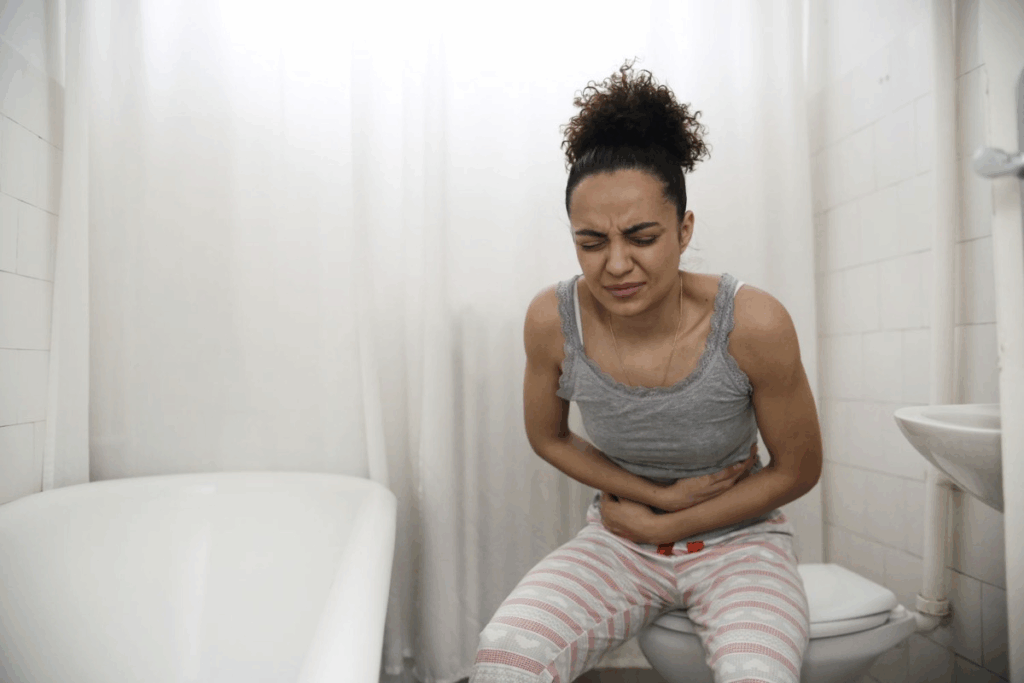
Feeling diarrhea immediately after eating can really mess up your day. This problem, called postprandial diarrhea (PD), bothers millions of people. At Liv Hospital, we take this digestive issue seriously and aim to find good solutions.Get diarrhea right after eating? This guide explores 7 alarming causes, from food intolerance to IBS, and the best, proven fixes.
Medical studies show that about 50 million American adults have lactose intolerance. This leads to diarrhea 30 minutes to two hours after eating dairy. Knowing why you get postprandial diarrhea is key to fixing it. In this article, we’ll look at the reasons and offer 7 effective ways to stop instant diarrhea after eating.
Key Takeaways
- Understanding the causes of postprandial diarrhea is key to managing it.
- Lactose intolerance is a common cause of diarrhea after eating dairy.
- Other foods and health issues can also lead to quick diarrhea.
- There are good ways to manage and stop diarrhea after eating.
- Seeing a doctor is important for the right diagnosis and treatment.
Understanding Diarrhea Right After Eating
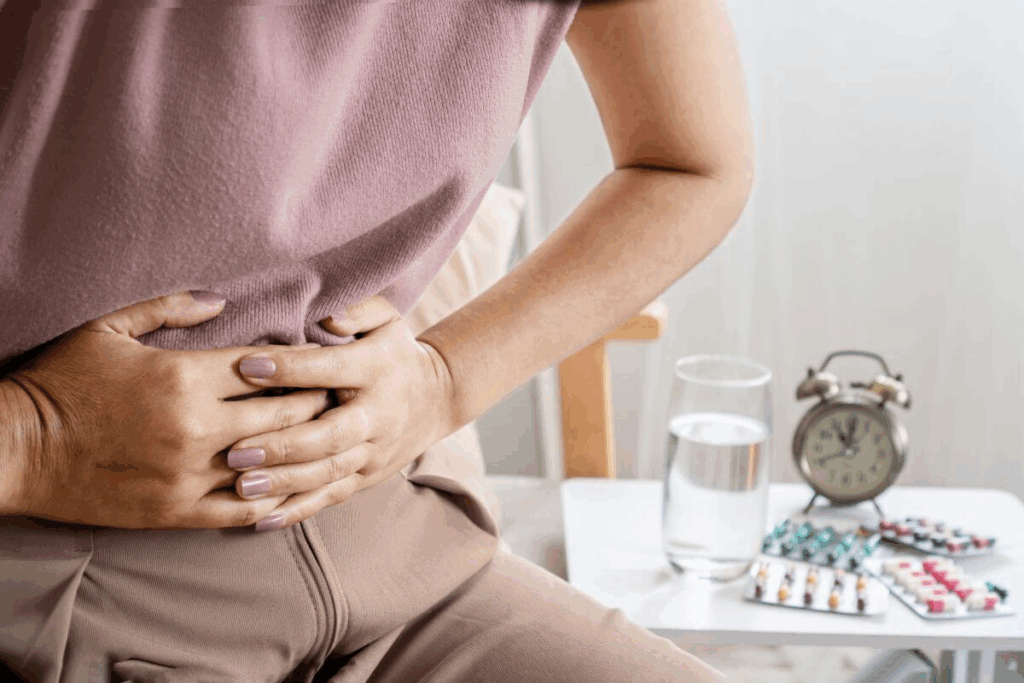
For some, diarrhea after eating is a common problem. It can really affect their daily life. This issue, called postprandial diarrhea, can start from what we eat or health problems. Research shows many things can cause it, from food to health issues.
What Is Postprandial Diarrhea?
Postprandial diarrhea means having loose or watery stools right after eating. It can happen once or keep coming back. Knowing what it is and how it affects us is key to handling it.
How Common Is This Condition?
More people than you might think get diarrhea after eating. Studies show many face stomach problems, including postprandial diarrhea. Things like diet, lifestyle, and health issues play a big role in how common it is.
Acute vs. Chronic Digestive Issues
It’s important to tell the difference between short-term and long-term diarrhea. Short-term cases might come from food poisoning or a sudden diet change. Long-term cases, though, could mean a serious health problem. Figuring out the type of diarrhea is the first step to finding the right treatment.
Common Causes of Immediate Diarrhea After Eating
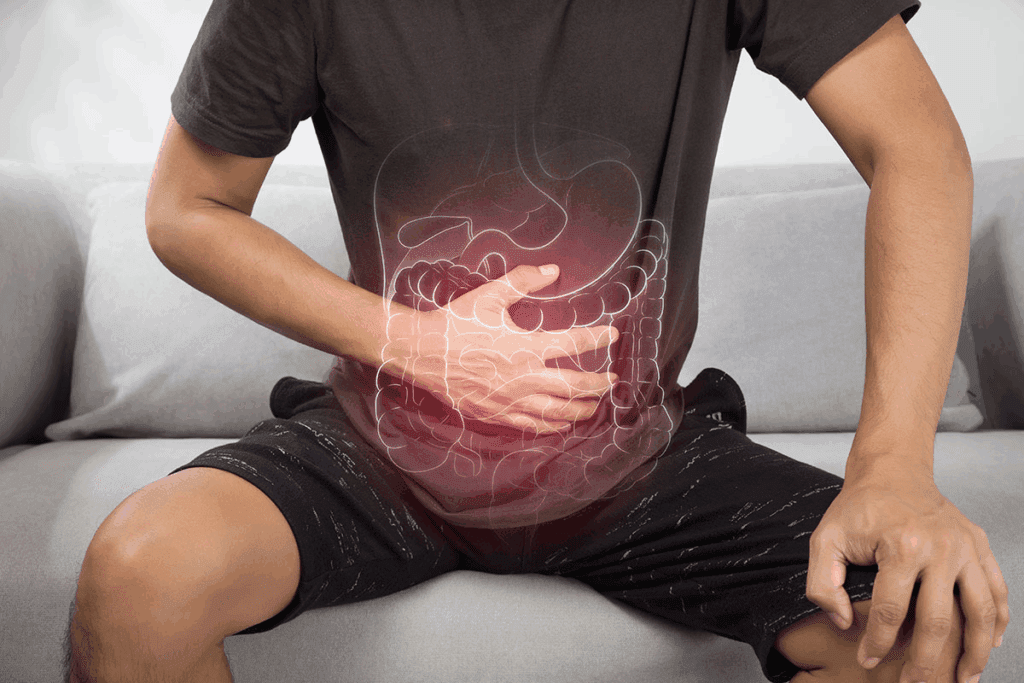
Diarrhea right after eating can come from many sources. This includes what we eat and our health. Knowing why it happens helps us find ways to stop it.
Food Intolerances and Sensitivities
Food intolerances often cause diarrhea after eating. Lactose intolerance affects about 50 million adults in the U.S. People with this issue get diarrhea from dairy because they can’t digest lactose. Other food intolerances, like gluten or additives, can also cause it.
Food sensitivities can also lead to diarrhea. It’s important to find and avoid foods that make symptoms worse.
Problematic Food Types
Some foods are more likely to cause diarrhea. High-fat and fried foods are hard for the body to digest fast. Spicy and sugary foods can also make diarrhea worse for some.
Eating big meals can also lead to diarrhea. When the stomach is full, it digests food quickly, causing diarrhea. This is known as diarrhea after eating a big meal.
Medical Conditions That Trigger Diarrhea
Many health issues can cause diarrhea after eating. Irritable Bowel Syndrome (IBS) affects 10-20% of people. Those with IBS often get diarrhea after meals.
Other problems, like gastroenteritis, celiac disease, and some gut disorders, can also cause diarrhea. Treating the underlying condition is the best way to stop symptoms.
When to See a Doctor About Diarrhea After Meals
If you have diarrhea after eating, knowing when to see a doctor is key. Diarrhea that lasts more than a few days or keeps coming back needs attention. It’s important to get help if it doesn’t go away.
Warning Signs That Require Medical Attention
Some symptoms mean you should see a doctor right away. These include:
- Severe abdominal pain that doesn’t subside.
- Bloody stools or black, tarry stools.
- Fever above 102°F (39°C).
- Signs of dehydration, such as excessive thirst, dark urine, or dizziness.
- Unexplained weight loss.
If you have any of these, it’s time to see a doctor. They can check for serious problems.
Diagnostic Tests Your Doctor May Recommend
Your doctor might suggest tests to find out why you have diarrhea. These could be:
- Blood tests to look for infections or inflammation.
- Stool tests to find bacteria or parasites.
- Hydrogen breath tests for lactose intolerance or SIBO.
- Endoscopy or colonoscopy to see the digestive tract.
These tests help your doctor figure out what’s causing your symptoms. They can then plan the best treatment.
Tracking Your Symptoms Effectively
Writing down your symptoms can help your doctor a lot. Keep track of:
- The frequency and consistency of your stools.
- Any foods that make diarrhea worse.
- Other symptoms like bloating or pain.
Knowing when to get medical help for diarrhea is important. By watching for warning signs, getting tests, and tracking your symptoms, you can work with your doctor to find a solution.
7 Proven Solutions to Stop Diarrhea Right After Eating
Diarrhea after eating, or postprandial diarrhea, can be managed. There are several ways to stop it and feel better. These strategies can help improve your life quality.
Solution 1: Strategic Dietary Modifications
Changing your diet is a key way to handle postprandial diarrhea. Find and avoid foods that upset your stomach. Foods high in fat, spicy, and dairy can be trouble for some.
Keeping a food diary helps track which foods cause diarrhea. This way, you can make better food choices.
Solution 2: Proper Hydration Techniques
Diarrhea can cause dehydration. Oral rehydration solutions help replace lost fluids and salts. You can buy these or make your own with salt, sugar, and water.
Solution 3: Effective Over-the-Counter Medications
Medicines like loperamide can slow down your bowel movements. This helps with diarrhea. But, always follow the dosage and talk to a doctor if it doesn’t work.
Solution 4: Probiotics and Gut Flora Restoration
Probiotics are good bacteria that help your gut. They can be in yogurt or supplements. They might help reduce diarrhea.
Solution | Description | Benefits |
Dietary Modifications | Avoiding trigger foods and using a food diary | Reduces exposure to irritants, personalized diet |
Proper Hydration | Using oral rehydration solutions | Replenishes fluids and electrolytes, prevents dehydration |
OTC Medications | Loperamide and similar drugs | Slows down bowel movements, quick relief |
Probiotics | Restoring gut flora balance | Improves gut health, potentially reduces diarrhea frequency |
Using these solutions can help manage and stop diarrhea after eating. This improves your digestive health and overall well-being.
The BRAT Diet: A Temporary Solution for Digestive Relief
Dealing with diarrhea after eating can be tough. The BRAT diet is a good short-term fix. It focuses on foods that are easy on the stomach.
Components of the BRAT Diet
The BRAT diet includes bananas, rice, applesauce, and toast. These foods are bland and easy to digest. They’re perfect when you’re feeling sick.
- Bananas: Rich in potassium, bananas help replace lost electrolytes.
- Rice: Plain white rice is easy on the stomach and can help firm up stool.
- Applesauce: Like bananas, applesauce is easy to digest and provides essential nutrients.
- Toast: Plain toast can help settle the stomach and provide carbohydrates for energy.
How to Follow the BRAT Diet Correctly
To follow the BRAT diet right, start with the four main foods. Eat small meals often. This helps your stomach not get overwhelmed.
Food | Benefits | Tips for Consumption |
Bananas | Rich in potassium, easy to digest | Consume ripe bananas for better digestibility |
Rice | Plain and easy on the stomach | Opt for plain white rice; avoid flavored or fried rice |
Applesauce | Easy to digest, provides essential nutrients | Choose unsweetened applesauce to avoid added sugars |
Toast | Helps settle the stomach, provides carbohydrates | Use plain white or whole wheat bread, toasted to reduce moisture |
When to Transition Back to Normal Eating
Knowing when to go back to normal food is key. You can start adding other foods after 24 to 48 hours without symptoms. Start with small amounts of gentle foods like plain crackers or cooked veggies.
As you get better, you can add more foods to your diet. But if symptoms come back, you might need to go back to the BRAT diet until you’re feeling better.
Foods to Avoid When Experiencing Diarrhea After Eating
Knowing which foods to skip is important when you get diarrhea after eating. Some foods can upset your stomach and make symptoms worse. By staying away from these foods, you can feel better and be more comfortable.
High-Fat and Fried Foods
High-fat and fried foods are hard for your body to digest. They can make diarrhea worse. Foods like fried chicken, fatty meats, and processed snacks should be avoided.
Dairy Products and Lactose
Dairy products, like those with lactose, can be tough for people with lactose intolerance. Lactose not digested by the body can cause gas and diarrhea. Cutting down on milk, cheese, and ice cream can help.
Spicy and Heavily Seasoned Foods
Spicy and heavily seasoned foods can upset your stomach and intestines. They can make diarrhea worse. Try to eat less of these foods to feel better.
Sugary Foods and Artificial Sweeteners
Sugary foods and artificial sweeteners can also cause diarrhea. Some artificial sweeteners can pull water into your intestines, making stools loose. Eating less of these can help.
Food Category | Examples | Effect on Diarrhea |
High-Fat and Fried Foods | Fried chicken, fatty meats, processed snacks | Slows digestion, worsens diarrhea |
Dairy Products and Lactose | Milk, cheese, ice cream | Can cause gas and diarrhea in lactose intolerant individuals |
Spicy and Heavily Seasoned Foods | Spicy dishes, heavily seasoned meals | Irritates stomach lining, increases bowel movements |
Sugary Foods and Artificial Sweeteners | High sugar foods, certain diet products | Can draw water into the intestine, leading to loose stools |
Creating a Long-Term Management Plan
A good long-term plan can really help if you have diarrhea after eating. It lets you control your condition better. This means fewer and less severe episodes.
Food Diary and Symptom Tracking
Keeping a detailed food diary is key to a good plan. It helps you see patterns and foods that might cause problems. This info is key for making smart diet choices.
Medical Expert, a gastroenterologist, says, “A food diary is a strong tool for managing digestive issues. It shows links between certain foods and symptoms. This helps in making better diet changes.”
Working With Healthcare Providers
Working with your doctor is essential for a good plan. They can explain your condition, suggest treatments, and guide you on managing symptoms. Regular visits and talking openly with your team help keep your plan up to date.
“The bond between a patient and their healthcare provider is vital for managing chronic conditions. Together, they can craft a plan that meets the patient’s unique needs. This improves their quality of life.” –
American Gastroenterological Association
Lifestyle Adjustments for Digestive Health
Besides diet and treatment, lifestyle changes can greatly help your digestive health. Stress-reducing activities like meditation or yoga can lessen the mental stress of chronic digestive problems. Regular exercise and enough sleep are also important for a healthy gut.
- Try stress-reducing activities like meditation or deep breathing exercises.
- Stay active to boost your health.
- Make sure to get enough sleep for your digestive health.
By adding these to your long-term plan, you can manage your symptoms better. This improves your overall quality of life.
Preventing Future Episodes of Postprandial Diarrhea
To stop future episodes of postprandial diarrhea, you need a plan. This plan should include knowing what triggers your diarrhea and planning your meals well. By being proactive, you can cut down on diarrhea after eating.
Identifying Your Personal Triggers
Finding out what triggers your diarrhea is key. You should watch what you eat and how your body reacts. Keeping a food diary is a great way to track this. It helps you see which foods cause problems.
Common things that can trigger diarrhea include food intolerances, specific foods, and health conditions. Knowing what causes your diarrhea helps you make better food choices.
Meal Planning Strategies
Good meal planning is important to avoid diarrhea. It’s not just about avoiding bad foods. It’s also about making sure your meals are healthy. Meal planning strategies include:
- Preparing meals ahead of time to avoid bad choices
- Mixing up your foods to keep your diet balanced
- Staying away from foods that often cause diarrhea
By planning your meals well, you can lower your chance of getting diarrhea after eating.
Supplements That Support Digestive Health
Changing your diet is just part of the solution. Some supplements can also help keep your digestive system healthy. Probiotics, for example, help keep your gut healthy.
Other good supplements are:
- Digestive enzymes to help break down food
- Psyllium husk, a fiber that helps with bowel movements
Always talk to a doctor before starting any supplements. They can make sure they’re right for you.
Conclusion
Managing diarrhea after eating needs a full plan. This includes changing what you eat, drinking enough water, and sometimes seeing a doctor. Knowing why diarrhea happens can help you stop it from ruining your day.
We’ve looked at ways to handle diarrhea, like the BRAT diet and avoiding certain foods. Keeping a food diary can also help. These steps can make your digestion better and cut down on diarrhea after meals.
It’s not just about fixing the symptoms of diarrhea. It’s about taking care of your whole digestive system. With the right help and choices, you can feel better for a long time. This improves your health and happiness.
FAQ
What is postprandial diarrhea?
Postprandial diarrhea is when you get diarrhea after eating. It can happen suddenly or last a long time. It’s often linked to food issues or health problems.
Why do I experience diarrhea immediately after eating?
Diarrhea right after eating can be caused by many things. This includes food issues, certain foods, or health problems like IBS.
How can I stop diarrhea after eating?
To stop diarrhea after eating, try changing your diet. Drink lots of water. Use over-the-counter meds. Also, add probiotics to help your gut.
What foods should I avoid when experiencing diarrhea after eating?
Avoid foods high in fat and fried foods. Stay away from dairy, spicy foods, and foods with lots of sugar or artificial sweeteners.
Can the BRAT diet help with postprandial diarrhea?
Yes, the BRAT diet can help. It includes bananas, rice, applesauce, and toast. These foods can ease digestive problems like diarrhea.
How can I identify my personal triggers for postprandial diarrhea?
Keep a food diary to track your symptoms. This can help you find out what foods cause your diarrhea. Then, you can make better food choices.
When should I seek medical attention for diarrhea after meals?
See a doctor if your diarrhea is bad, lasts a long time, or has blood. Also, if you have belly pain, fever, or dehydration signs.
Can probiotics help manage postprandial diarrhea?
Yes, probiotics can help. They balance your gut bacteria. This can reduce diarrhea and improve digestion.
How can I prevent future episodes of postprandial diarrhea?
To avoid diarrhea, know and avoid your triggers. Plan your meals better. Consider supplements for better digestion.
Is it normal to experience diarrhea after eating a big meal?
It’s okay to feel a bit uncomfortable after a big meal. But, if diarrhea keeps happening, it might mean you have a health issue.
Can stress trigger postprandial diarrhea?
Yes, stress can make digestive problems worse, including diarrhea. Try to relax and make lifestyle changes to help.
Why do I have diarrhea after eating certain foods?
Diarrhea after eating some foods can be due to intolerance, sensitivity, or allergy. Knowing and avoiding these foods can help manage symptoms.
References
National Center for Biotechnology Information. Evidence-Based Medical Guidance. Retrieved from https://pubmed.ncbi.nlm.nih.gov/22624684/