After colon resection surgery, it’s key to follow a carefully planned diet. This diet helps with healing and reduces discomfort. At Liv Hospital, we focus on a personalized approach to care. We offer internationally recognized guidance for a smooth recovery.
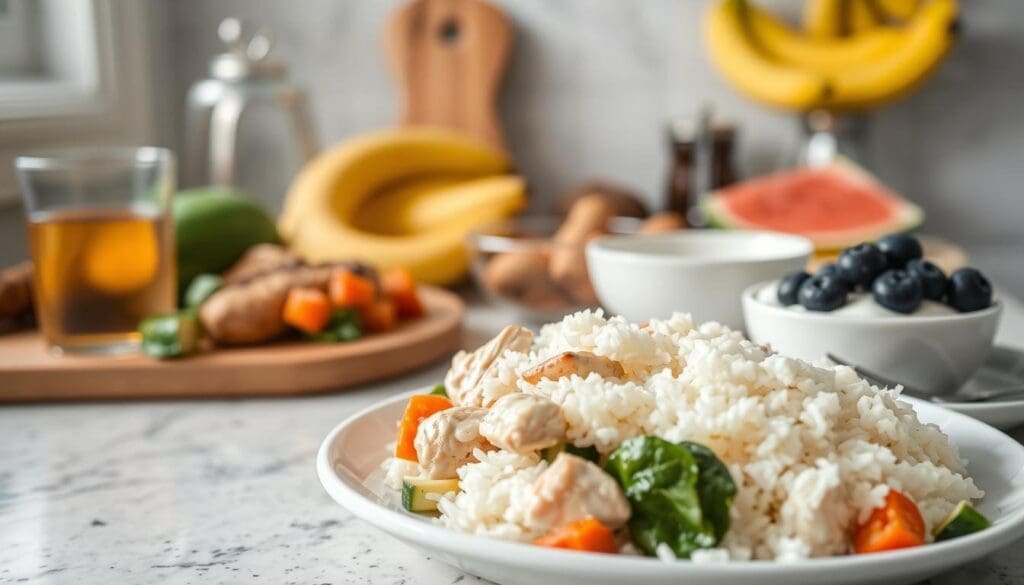
Right after surgery, eat clear liquids and easily digestible foods. As you get better, the right foods can greatly improve your health. Our guide will show you the best foods to eat after colon resection surgery. It will help you feel confident in your recovery.Get the 10 best foods for your diet after colectomy. Eating right after colon resection is essential for a fast, smooth recovery.
Key Takeaways
- Eat clear liquids and easily digestible foods immediately after surgery
- Incorporate nutrient-rich foods to support the healing process
- Avoid foods that can cause discomfort or complications
- Follow a personalized diet plan for optimal recovery
- Stay hydrated to support overall health
The Importance of Diet After Colectomy Recovery
After colon resection surgery, your body can’t digest food as well. A good diet is key for recovery. The right foods help your body heal and avoid problems.
How Surgery Affects Your Digestive System
Colon resection surgery changes how your digestive system works. This can affect bowel habits, nutrient absorption, and comfort. Knowing these changes helps you manage your diet better.
Stages of Dietary Progression
Your diet will go through stages after surgery. It starts with clear liquids and moves to more solid foods as you heal. This slow introduction helps your digestive system recover. The stages are:
- Clear liquids
- Full liquids
- Soft foods
- More solid foods
Working With Your Healthcare Team
It’s important to work with your healthcare team on your diet.
“A personalized nutrition plan is key to ensuring that the patient receives the necessary nutrients for optimal healing.”
Your healthcare team will guide you on what to eat and how much. They can also help with any diet challenges.
| Stage | Typical Foods | Duration |
| Clear Liquids | Broth, water, clear juices | 1-2 days |
| Full Liquids | Thinner soups, milk, yogurt | 2-3 days |
| Soft Foods | Mashed potatoes, scrambled eggs, cooked vegetables | 3-7 days |
Clear Broths and Soups: Gentle First Foods
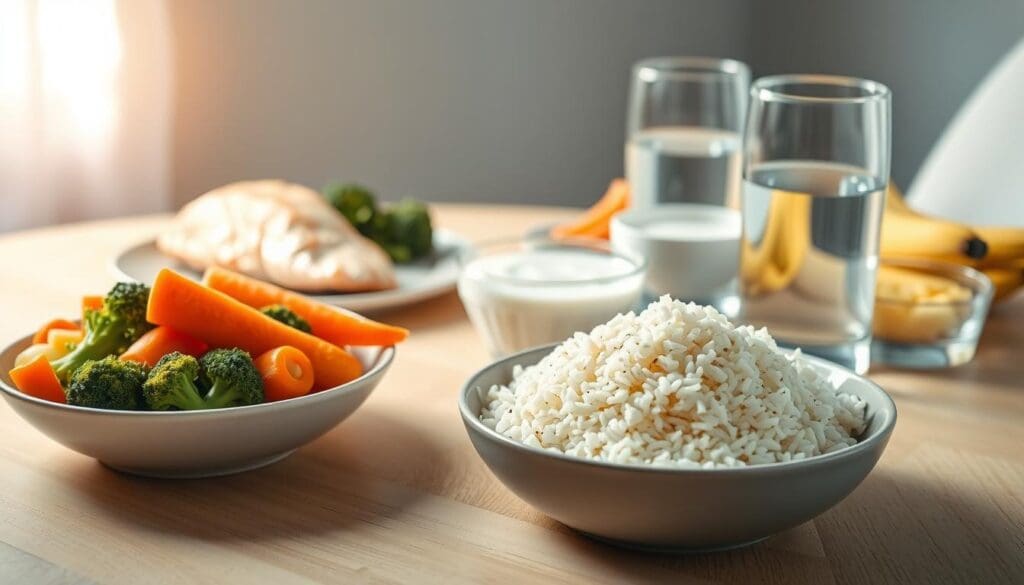
Start with clear broths and soups after colon surgery for a better recovery. These foods are gentle on your stomach. They give you the nutrients you need without causing discomfort.
Chicken and Vegetable Broths
Chicken and vegetable broths are great to begin with. They are rich in electrolytes and easy to digest. This makes them perfect for the early recovery stages. Just simmer chicken or veggies in water, then strain the liquid to remove solids.
- Use low-sodium broth to control salt intake.
- Avoid adding spices or ingredients that might irritate the digestive system.
- Gradually increase the temperature of the broth if it’s too hot or too cold.
Bone Broth Benefits for Healing
Bone broth is great after surgery because it’s full of collagen, proline, and glycosaminoglycans. These help with healing and gut health. It also has lots of minerals like calcium, magnesium, and phosphorus.
- Choose a broth made with high-quality bones.
- Simmer the bones for a long time to get all the nutrients.
- Drink it warm, as it’s easier on your stomach.
When to Introduce More Substantial Foods
The right time to add more solid foods depends on how well you’re recovering. Usually, wait until:
- You no longer have big digestive problems.
- You can handle clear broths and soups without issues.
- Your healthcare provider says it’s okay to move on to more solid foods.
Always listen to your body and talk to your healthcare team before changing your diet.
Protein-Rich Foods for Tissue Repair
Protein-rich foods are key for healing after colon resection surgery. They help repair tissues and support recovery. It’s important to eat a variety of these foods to help heal.
Soft-Cooked Eggs and Egg Whites
Soft-cooked eggs and egg whites are great for protein and easy on the stomach. They are easy for the body to absorb. Soft-cooking eggs makes them gentle on your digestive system. Egg whites are also low in fat, making them a good choice for those watching their fat intake.
Tender Poultry Without Skin
Tender poultry like chicken or turkey without skin is a good choice after surgery. The skin is removed to lower fat content, making it easier to digest. It’s important to cook it until it’s tender to avoid discomfort. Some benefits include:
- High protein content for tissue repair
- Low fat when skin is removed
- Versatile in preparation methods
Fish and Seafood Options
Fish and seafood are not only high in protein but also in omega-3 fatty acids. Choose low-mercury fish like salmon, cod, or tilapia. Preparing fish and seafood by baking, steaming, or poaching keeps their nutrients and is gentle on the stomach.
- Salmon, rich in omega-3 fatty acids
- Cod, a mild-flavored fish that’s easy to digest
- Shrimp, a low-fat seafood option
Eating these protein-rich foods can greatly help your recovery after colon resection surgery. Always talk to your healthcare provider or a nutritionist to make sure your diet meets your needs.
Well-Cooked White Rice and Pasta
After colon resection surgery, it’s key to eat foods that are easy to digest. Foods like well-cooked white rice and pasta are great. They give you energy without upsetting your stomach.
Why White Rice Is Easier to Digest
White rice is a top pick after colon surgery because it’s low in fiber. It’s also easy to digest. Unlike brown rice, white rice has been processed to remove the outer layer. This makes it less likely to upset your stomach.
Pasta Preparation Tips
Pasta can be a good choice for those recovering from colon surgery, if it’s cooked right. Here are some tips:
- Cook pasta until it’s very soft to make it easier to digest.
- Stay away from heavy or spicy sauces that can upset your stomach.
- Choose simple toppings like olive oil or mild cheese.
Adding Gentle Flavors Without Irritation
When seasoning your rice and pasta, pick flavors that are easy on your stomach. Avoid spicy or fatty toppings. Instead, try:
- Using herbs like parsley or basil for a fresh taste.
- Adding a squeeze of lemon juice for a bit of zest.
- Mixing in soft-cooked veggies for extra nutrition.
Here’s a simple comparison of different carbs and how easy they are to digest:
| Food | Digestibility | Preparation Tip |
| White Rice | Easy | Cook until soft |
| Pasta | Moderate | Cook until very soft |
| Brown Rice | Hard | Avoid during initial recovery |
By adding well-cooked white rice and pasta to your diet, you can get the carbs you need. This way, you won’t put too much strain on your stomach.
Bananas and Low-Fiber Fruits
Bananas and other low-fiber fruits are great for people recovering from colon surgery. They are easy on the stomach and packed with nutrients. This helps the body heal without too much strain.
Why Bananas Are Ideal After Surgery
Bananas are great after colon surgery because they’re easy to digest. They also have a lot of potassium. Bananas are a rich source of potassium, which is important for muscles and nerves.
They also have less fiber, which is good for the digestive system when it’s healing. Choose ripe bananas for easier digestion.
Canned Fruits Without Skins
Canned fruits are also good for recovery. Make sure they are without skins or seeds to avoid digestive issues. Good options include canned peaches, pears, and mandarin oranges.
- Canned peaches are rich in vitamins A and C.
- Pears are a good source of dietary fiber, although in a canned form, they are easier on the digestive system.
- Mandarin oranges are high in vitamin C and are easy to digest.
Applesauce and Fruit Purees
Applesauce and fruit purees are also good choices. They’re easy to digest and full of vitamins and minerals. Applesauce is a good source of vitamin C and has antioxidants for healing.
Make sure applesauce and fruit purees don’t have added sugars or preservatives. You can make your own applesauce with ripe apples and a little sugar, if needed.
- Choose ripe apples for the best flavor and nutritional value.
- Cook the apples until they are soft to create a smooth puree.
- Avoid adding too much sugar; the natural sweetness of the apples is usually sufficient.
Smooth Nut Butters and Tolerable Fats
After colon resection surgery, it’s key to add the right fats to your diet. This helps with recovery and health. We need to focus on foods that are easy on our stomachs and packed with nutrients.
Natural Peanut and Almond Butters
Smooth nut butters like natural peanut butter and almond butter are great for healthy fats and protein. They’re easy to digest and give us lots of energy. Always pick natural butters without added sugars or hydrogenated oils for the best health benefits.
Key benefits of nut butters include:
- High protein content to support tissue repair
- Rich in healthy fats for energy and overall health
- Versatile and easy to incorporate into various dishes
Avocado as a Gentle Fat Source
Avocados are a good source of gentle fats that are easy on our stomachs. They’re full of monounsaturated fats, which are good for our hearts. You can eat them in many ways, like mashed, sliced, or in smoothies, making them great for a post-colectomy diet.
The benefits of avocados include:
- Rich in monounsaturated fats for heart health
- Good source of fiber, aiding in digestion
- Versatile in preparation, from guacamole to smoothies
Olive Oil for Essential Fatty Acids
Olive oil is a key part of many diets because of its essential fatty acids and antioxidants. It’s gentle on our stomachs and can be used in many ways, like in salad dressings or for sautéing. Always choose high-quality, extra-virgin olive oil for the best benefits.
Olive oil’s advantages include:
- Rich in antioxidants to combat oxidative stress
- Anti-inflammatory properties to support healing
- Versatile for cooking and dressings
Low-Fat Dairy and Alternatives
After colon resection surgery, low-fat dairy and alternatives are great for your diet. They offer important nutrients like protein, calcium, and vitamins. These are key for healing and staying healthy.
Yogurt With Live Cultures
Yogurt with live cultures is good for digestion after surgery. It has probiotics that help keep your gut healthy. This reduces digestive problems.
Cottage Cheese and Soft Cheeses
Cottage cheese and soft cheeses are easy on your stomach. They are also high in protein. This helps with tissue repair and nutrition.
Plant-Based Milk Alternatives
If you can’t have dairy or don’t want it, try plant-based milk alternatives. They are fortified with calcium and vitamins. This makes them a healthy choice.
| Product | Nutritional Benefits | Tips for Consumption |
| Yogurt with Live Cultures | Aids digestion, rich in probiotics | Choose plain, unflavored varieties |
| Cottage Cheese | High in protein, gentle on digestive system | Opt for low-sodium versions |
| Plant-Based Milk Alternatives | Fortified with calcium and vitamins, lactose-free | Select unsweetened and fortified options |
Well-Cooked, Peeled Vegetables
Well-cooked, peeled vegetables are gentle on the digestive system. They are a key food group after colon resection surgery. These veggies are essential for getting the nutrients we need as we recover.
Carrots, Squash, and Sweet Potatoes
Carrots, squash, and sweet potatoes are great choices. They are easy to digest when cooked right. They are full of vitamins, minerals, and antioxidants that help us heal.
Nutritional Benefits:
| Vegetable | Key Nutrients | Benefits |
| Carrots | Vitamin A, Fiber | Supports immune function and digestive health |
| Squash | Vitamin C, Potassium | Boosts immunity and supports heart health |
| Sweet Potatoes | Vitamin A, Fiber | Promotes healthy vision and digestive system |
Proper Cooking Methods
Cooking veggies until they’re tender is key for easy digestion. Steaming, boiling, or roasting are good methods. Peeling the veggies also helps, making them easier on the stomach.
Vegetable Soups and Purees
Vegetable soups and purees are great ways to eat these veggies. They’re easy to digest and offer a comforting meal during recovery.
Adding well-cooked, peeled veggies to our diet helps us get the nutrients we need. This supports our health and recovery after colon resection surgery.
Hydrating Beverages Beyond Water
After colon surgery, it’s key to stay hydrated with more than just water. Drinking the right beverages helps your body heal and function well during recovery.
Electrolyte Drinks and Solutions
Electrolyte drinks help keep your body hydrated by replacing lost salts and minerals. They’re great if you lost a lot of fluids during or after surgery.
Benefits of Electrolyte Drinks:
- Replenish lost electrolytes
- Support hydration
- Aid in maintaining proper bodily functions
| Beverage | Electrolyte Content | Benefits |
| Coconut Water | Potassium, Magnesium | Natural source of electrolytes, gentle on stomach |
| Sports Drinks | Sodium, Potassium | Replenishes lost electrolytes, suitable for significant fluid loss |
| Electrolyte Solutions | Varies (Sodium, Potassium, Calcium) | Customizable to individual needs, available in various flavors |
Herbal Teas for Digestive Support
Herbal teas can help with digestion and comfort after surgery. They’re a calm, caffeine-free choice compared to regular teas.
Recommended Herbal Teas:
- Peppermint tea: Eases digestive discomfort
- Ginger tea: Supports digestion and reduces nausea
- Chamomile tea: Promotes relaxation and soothes the digestive system
Diluted Fruit Juices Without Pulp
Diluted fruit juices can add nutrients to your diet after surgery. Make sure to pick juices without pulp to avoid digestive issues.
Tips for Consuming Fruit Juices:
- Dilute juices with water to reduce sugar content and ease digestion
- Choose juices from fruits that are low in fiber and pulp
- Start with small amounts to test tolerance
Adding these hydrating drinks to your diet after colon surgery helps with recovery. It keeps your hydration levels just right.
Conclusion: Creating a Sustainable Long-Term Diet After Colon Resection
As we wrap up our guide on diet after colon resection surgery, it’s key to focus on a sustainable diet. A balanced diet with various nutritious foods is vital for recovery and long-term health after colectomy.
We’ve talked about the need to move through different stages of dietary recovery. Start with clear broths and soups, then add protein-rich foods, well-cooked veggies, and low-fiber fruits. A good long-term diet should include a wide variety of foods to meet nutritional needs.
A diet after colectomy that’s sustainable helps with recovery and supports long-term health. By following the guidelines in this article, people can make a diet plan that fits their needs. This promotes overall well-being and nutrition after colectomy.
FAQ
What can I eat after colon resection surgery?
Start with clear broths and soups like chicken and vegetable broths. Then, add soft-cooked eggs, tender poultry, and fish. Also, include well-cooked white rice and pasta, bananas, and low-fiber fruits.
What are the best foods to eat after colon surgery?
Choose foods that are easy on your stomach and full of nutrients. Opt for clear broths, protein-rich foods, and soft grains. Bananas, low-fiber fruits, and smooth nut butters are also good. Don’t forget about healthy fats like avocado and olive oil.
How do I progress through different stages of diet after colectomy?
Begin with clear liquids after colectomy. Then, move to protein-rich foods, well-cooked grains, and gentle fruits and vegetables. Always work with your healthcare team to create a diet plan that’s right for you.
What are some good sources of protein after colon resection surgery?
Good protein sources include soft-cooked eggs, tender poultry, fish, and seafood. These foods are easy on your stomach and packed with protein.
Can I eat dairy products after colon resection surgery?
Yes, you can have low-fat dairy like yogurt, cottage cheese, and soft cheeses. They’re nutritious and gentle on your stomach. Plant-based milk alternatives are also good options.
What are some gentle beverages I can consume after colon resection surgery?
Drink water, electrolyte drinks, and herbal teas for digestive support. You can also have diluted fruit juices without pulp. These help keep you hydrated and provide extra nutrients.
How can I create a sustainable long-term diet after colon resection?
Focus on a balanced diet with a variety of nutritious foods. Include protein-rich foods, well-cooked grains, fruits, and vegetables. Healthy fats and low-fat dairy or alternatives are also important.
What is the importance of working with my healthcare team to plan my diet after colectomy?
It’s crucial to work with your healthcare team to plan your diet after colectomy. They can guide you through different diet stages and help manage any digestive issues.
Are there any specific foods I should avoid after colon resection surgery?
Avoid high-fiber, spicy, or hard-to-digest foods after surgery. Your healthcare team can give you specific advice on what to avoid during recovery.
How long does it take to recover from colon resection surgery?
Recovery time varies. Follow a well-planned diet and work closely with your healthcare team. This helps support your recovery and prevents complications.
What is a post-colectomy diet?
A post-colectomy diet is the diet plan after colon resection surgery. It includes clear liquids and then more substantial foods. Focus on gentle, nutritious foods to support healing and health.
What are some good foods to eat after colon resection surgery for nutrition?
Eat a variety of protein-rich foods, well-cooked grains, fruits, and vegetables. Healthy fats and low-fat dairy or alternatives are also key. These foods provide essential nutrients for healing and health.
References
- Ljubičić, N., et al. (2015). Biliary leakage after urgent cholecystectomy. Journal of Hepato-Biliary-Pancreatic Sciences. Retrieved from https://pmc.ncbi.nlm.nih.gov/articles/PMC4436923