Recovery after colon surgery is greatly affected by what we eat. At Liv Hospital, we focus on each patient, creating post-surgical diets that are safe and help them heal well.
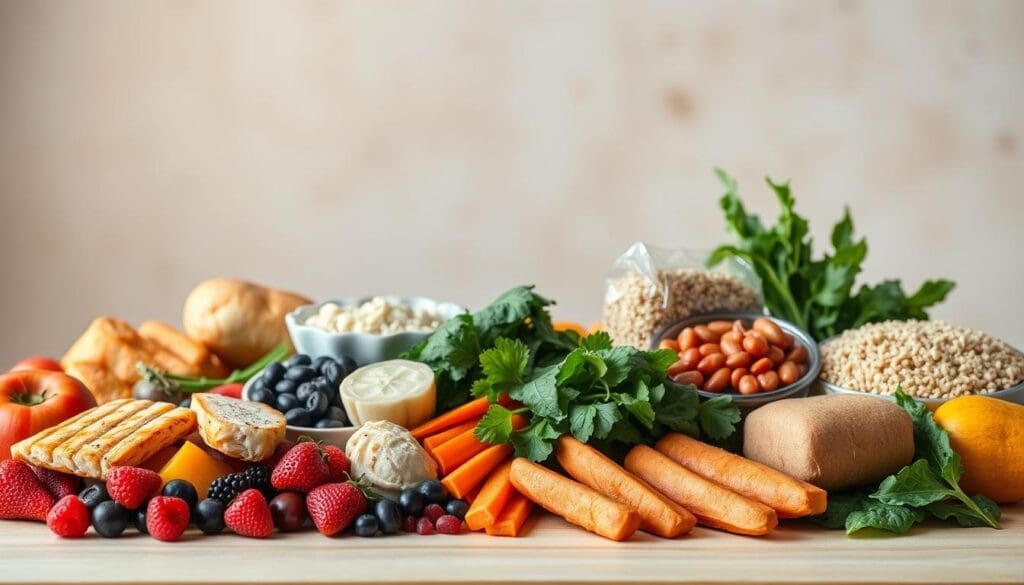
A good diet following surgery reduces stomach pain and aids in healing. It’s important to start with foods that are easy to digest. This helps in a smooth recovery.Get the 12 best foods for your diet after colon resection. These key tips and foods will help ensure an easier, safer recovery.
Key Takeaways
- A well-planned diet is crucial for recovery after colon resection surgery.
- Gradually introducing low-fiber foods can minimize digestive symptoms.
- Eating easily digestible foods supports the healing process.
- A tailored diet ensures comfort and safety post-surgery.
- Optimal nutrition plays a significant role in overall recovery.
Understanding Colon Resection and Digestive Changes
Colon resection, or bowel resection, is a surgery that changes how we digest food. It removes a part of the colon that’s sick or damaged. Knowing how this surgery affects digestion and the role of food in healing is key for patients.
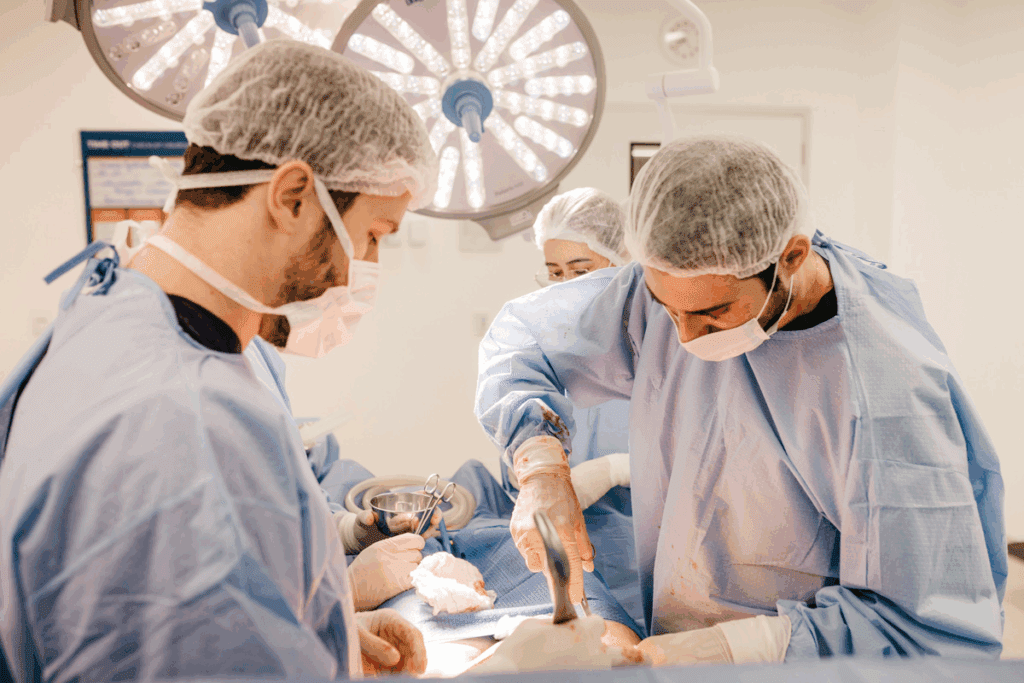
What Happens During Colon Resection Surgery
During surgery, the surgeon takes out the bad part of the colon and joins the rest. This can be done in two ways: open surgery or minimally invasive. The goal is to fix the problem without losing too much colon function.
The surgery can change how you go to the bathroom. You might have diarrhea or constipation as your body gets used to the changes.
How Surgery Affects Your Digestive System
After surgery, your digestive system changes. Removing part of the colon can mess with nutrient and water absorption. You might see changes in your bowel movements, and there’s a chance of complications like bowel obstruction or leakage.
For a while, your body might not absorb nutrients as well. This makes proper nutrition very important for healing. A good diet after colon resection surgery can help lessen these effects and aid in recovery.
The Importance of Proper Nutrition for Healing
Nutrition is crucial for healing after colon resection surgery. A balanced diet gives your body what it needs to recover, preventing complications and supporting healing. Patients are usually told to follow a specific bowel resection diet that starts with clear liquids and moves to solid foods as they get better.
Eating the right foods after surgery helps manage symptoms, lowers the risk of complications, and aids in healing. It’s vital for patients to understand the importance of eating after colon resection surgery and stick to a diet plan made just for them during recovery.
The Progressive Stages of Diet After Colon Resection
The journey to a healthy diet after colon resection surgery is divided into stages. Each stage helps with healing and reduces discomfort. Patients start with simple foods and gradually move to more complex nutrients.
Clear Liquid Diet (First 24-48 Hours)
Right after surgery, patients follow a clear liquid diet. This is a key time for the digestive system to rest and heal. The diet includes:
- Broth
- Clear juices (like apple or grape)
- Water
- Gelatin
- Clear electrolyte-rich beverages
Full Liquid Diet (Days 2-3)
When recovery signs appear, patients move to a full liquid diet. This diet adds thicker, more calorie-rich liquids to the clear liquids. Examples include:
- Milk
- Pureed soups
- Yogurt
- Nutritional supplements
Soft, Low-Fiber Diet (Days 4-14)
After the digestive system is ready, patients start a soft, low-fiber diet. This diet includes more substantial foods that are still easy to digest. Foods like:
- Mashed potatoes
- Pureed vegetables
- Soft fruits (like bananas or avocados)
- Tender meats (like chicken or fish)
Here’s a table showing the progression of foods during recovery:
| Diet Stage | Days | Example Foods |
| Clear Liquid | 1-2 | Broth, clear juices, water |
| Full Liquid | 2-3 | Milk, pureed soups, yogurt |
| Soft, Low-Fiber | 4-14 | Mashed potatoes, pureed vegetables, soft fruits |
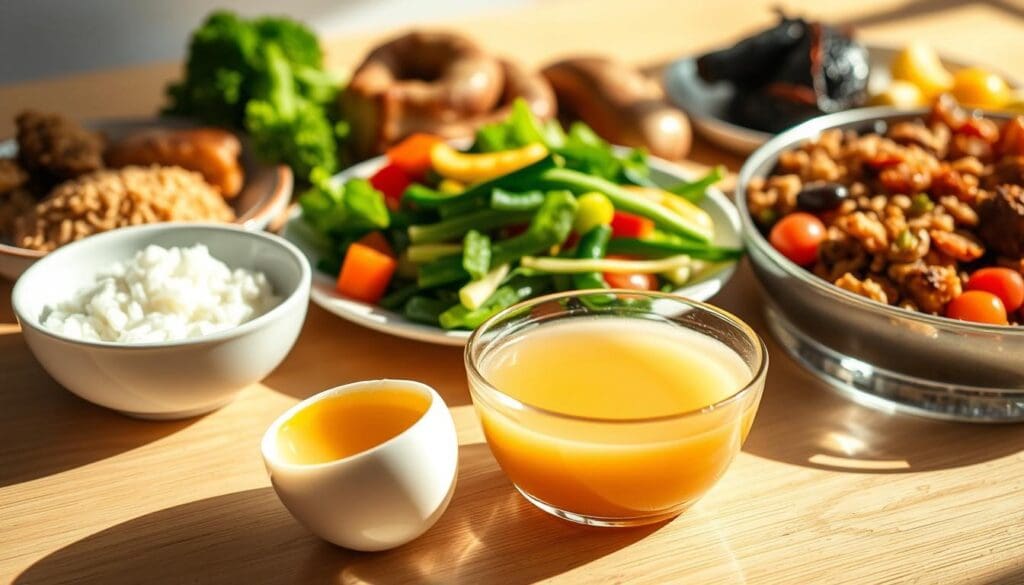
Transitioning to Normal Diet (Weeks 3-6)
Patients then gradually move to a normal diet. They can include higher fiber foods and a variety of nutrients. It’s important to avoid foods that cause discomfort. The transition should be slow to let the body adjust.
By following these dietary stages, patients can support their recovery and avoid complications after colon resection surgery.
12 Best Foods to Eat After Colon Resection Surgery
After colon resection surgery, it’s key to eat foods that help you heal and are easy on your stomach. The right foods can ease symptoms, aid in healing, and ensure you get the nutrients you need.
Easily Digestible Proteins
Proteins are vital for healing and recovery. After surgery, choose proteins that are easy to digest to avoid upsetting your stomach.
- Lean chicken
- Fish (like salmon or cod)
- Eggs
- Tofu
Gentle Carbohydrates
Carbohydrates give you energy, which is important during recovery. Go for gentle, easy-to-digest carbs.
- White rice
- Plain toast
- Crackers
- Boiled potatoes
Soothing Fruits
Fruits are full of vitamins and minerals. Pick fruits that are gentle on your stomach.
- Bananas
- Applesauce
- Canned fruit (without added sugar)
- Avocados (technically a fruit, and very nutritious)
Nutritious Liquids
Drinking enough water is crucial after surgery. Choose nutritious liquids to help with your recovery.
- Clear broths
- Electrolyte-rich beverages (like coconut water)
- Herbal teas
Here’s a summary of the 12 best foods to eat after colon resection surgery, categorized for your convenience:
| Food Category | Recommended Foods |
| Easily Digestible Proteins | Lean chicken, fish, eggs, tofu |
| Gentle Carbohydrates | White rice, plain toast, crackers, boiled potatoes |
| Soothing Fruits | Bananas, applesauce, canned fruit, avocados |
| Nutritious Liquids | Clear broths, electrolyte-rich beverages, herbal teas |
Eating these foods can make your recovery easier and more comfortable. Always talk to your healthcare provider for advice on what to eat.
Foods to Avoid Following Bowel Resection
Knowing which foods to skip after bowel resection surgery is crucial for a smooth recovery. Your digestive system needs time to heal. Some foods can make you uncomfortable or even cause problems. We’ll show you which foods to steer clear of during your recovery.
High-Fiber Foods
High-fiber foods are good for you, but hard for your stomach to handle after surgery. Foods like raw vegetables, whole grains, and legumes are high in fiber. Start by avoiding these foods and slowly add them back in as your stomach gets better.
- Raw vegetables like broccoli and cabbage
- Whole grains such as brown rice and quinoa
- Legumes including beans and lentils
Gas-Producing Foods
Some foods make gas, which can be uncomfortable after surgery. Foods like beans, cabbage, and carbonated drinks should be avoided. This can help reduce gas and bloating.
- Beans and legumes
- Cabbage and other cruciferous vegetables
- Carbonated beverages
Spicy and Acidic Foods
Spicy and acidic foods can upset your stomach after surgery. It’s best to stay away from spicy dishes, citrus fruits, and tomatoes until your stomach is fully healed.
- Spicy foods like hot peppers
- Citrus fruits such as oranges and lemons
- Tomatoes and tomato-based products
High-Fat Foods
High-fat foods are hard to digest and might make you uncomfortable after surgery. Try to limit fried foods, fatty meats, and rich sauces while you’re recovering.
- Fried foods like french fries
- Fatty meats such as bacon
- Rich sauces and gravies
By avoiding these foods, you can make your recovery after bowel resection surgery easier. Always talk to your doctor for specific dietary advice.
Practical Meal Planning for Diet After Colon Resection
After colon resection surgery, meal planning is key for a smooth recovery. A good diet helps manage symptoms, supports healing, and lowers the risk of complications. We’ll show you how to plan meals during your recovery.
Small, Frequent Meals Approach
Eating small meals often is recommended after surgery. This means eating smaller portions throughout the day instead of three big meals. It makes digestion easier and helps your body get the nutrients it needs.
To do this well:
- Split your daily calories into 4-6 small meals
- Spread these meals out evenly during the day
- Choose foods that are easy to digest and full of nutrients
- Watch how your body reacts and adjust the sizes of your meals as needed
Sample Meal Plans for Each Recovery Stage
Having a meal plan that changes with your recovery is important for healing. Here are some meal plans for different stages after colon resection surgery.
Clear Liquid Diet (First 24-48 hours)
- Broth
- Clear juices (apple, grape)
- Water
- Gelatin
Full Liquid Diet (Days 2-3)
- Pureed soups
- Yogurt
- Nutritional supplements
- Strained cream soups
Soft, Low-Fiber Diet (Days 4-14)
- Mashed potatoes
- Scrambled eggs
- Pureed vegetables
- Lean proteins (chicken, fish)
Balancing Nutrition While Healing
It’s important to balance your nutrition while you’re healing. Your body needs proteins, carbs, and fats to heal well. Focus on nutrient-rich foods that are easy to digest.
Some key nutrients to consider include:
- Enough protein for tissue repair
- Complex carbs for energy
- Healthy fats for nutrient absorption
- Vitamins and minerals for overall health
Eating Out and Social Situations
Eating out or going to social events can be tough during recovery. But with some planning, you can handle these situations. Here are some tips:
- Look up restaurant menus before you go to find good options
- Tell your host or server about your dietary needs
- Choose simple, easy-to-digest dishes
- Eat a small meal before going out to avoid overeating
By using these meal planning tips, you can support your recovery from colon resection surgery and keep your diet balanced. Always listen to your body and adjust your meal plan as needed.
Hydration and Fluid Intake Strategies
Recovering from colon resection surgery needs careful focus on staying hydrated. Drinking enough fluids is key for healing, especially after a big surgery like colon resection.
Importance of Proper Hydration
Drinking the right amount of fluids is very important. It keeps the body’s fluids balanced, helps tissues heal, and keeps organs working right. After colon resection surgery, the body loses fluids. This can happen because of the surgery itself or because of diarrhea or vomiting.
We advise drinking lots of fluids to replace lost fluids and aid in recovery. Drinking enough can prevent problems like constipation, dehydration, and imbalances in electrolytes.
Best Fluids to Consume
It’s not just how much you drink that matters, but what you drink too. We recommend:
- Water: The best drink for staying hydrated.
- Clear broths: Chicken or vegetable broth adds important salts.
- Electrolyte-rich beverages: Sports drinks help keep electrolytes balanced.
- Herbal teas: Caffeine-free teas are soothing and add to your fluid intake.
Signs of Dehydration to Watch For
Knowing the signs of dehydration is key to avoiding serious problems. Look out for:
- Excessive thirst
- Dark yellow or brown urine
- Dizziness or lightheadedness
- Fatigue or weakness
- Dry mouth, lips, or skin
Electrolyte Balance Considerations
Keeping electrolyte levels balanced is crucial, especially after colon resection surgery. Electrolytes like sodium, potassium, and chloride are important for many body functions. If they get out of balance, it can cause muscle weakness, heart problems, and more.
| Electrolyte | Function | Food Sources |
| Sodium | Regulates fluid balance | Table salt, soy sauce, broth |
| Potassium | Supports nerve and muscle function | Bananas, avocados, spinach |
| Chloride | Maintains fluid balance | Table salt, seaweed, celery |
Understanding the need for hydration and fluid intake helps patients recover better after colon resection surgery. It’s important to talk to your healthcare provider about your specific needs. They can help you figure out how much and what to drink.
7 Essential Tips for Easier Digestive Recovery
Recovering from colon resection surgery needs careful diet and eating habits. This ensures a smooth digestive recovery. The right strategies can greatly improve your healing process.
Eating Slowly and Chewing Thoroughly
Eating slowly and chewing well is key after surgery. This reduces digestive strain, helping your body heal better. Taking your time and chewing food well can lessen discomfort and aid recovery.
Food Journal to Track Reactions
Keeping a food journal is very helpful during recovery. It helps you see which foods are easy to digest and which cause discomfort. This info is vital for tailoring your diet to your needs, helping your body heal better.
Managing Medication Timing with Meals
Managing when to take medication with meals is crucial for many. Some meds upset the stomach if taken empty, while others work better with food. Always follow your doctor’s advice on when to take meds to avoid side effects and get the most from your treatment.
Nutritional Supplements When Needed
Sometimes, nutritional supplements are needed for healing. This is especially true if you can’t eat well due to digestive issues. Always talk to your doctor before starting any supplements to make sure they’re safe and right for you.
Other tips include staying hydrated, avoiding foods that cause gas or discomfort, and slowly adding different foods back into your diet. By following these tips and working with your healthcare team, you can face recovery challenges with confidence.
Healthcare professionals stress that a well-managed diet and paying attention to your body’s reactions are crucial for a successful recovery. By using these strategies, you can support your body’s healing and look forward to a smoother recovery.
Gradually Reintroducing Fiber and Challenging Foods
Adding fiber and tough foods back into your diet after colon surgery needs to be done slowly. This helps your body heal and prevents discomfort or problems. It’s all about finding the right balance of nutrients and avoiding foods that might upset your stomach.
Timeline for Adding Fiber
The time it takes to add fiber back into your diet varies. It depends on how well you’re recovering and what your doctor says. Usually, you can start with small amounts of low-fiber foods 4-6 weeks after surgery. Foods high in fiber come later, often after 8 weeks, based on how well you can handle them.
Low-Fiber to High-Fiber Progression
When moving from low-fiber to high-fiber foods, do it slowly. Begin with small amounts of cooked veggies, ripe fruits, and whole grains that are easy to digest. Then, gradually add more and different high-fiber foods as your body gets used to them.
| Food Type | Low-Fiber Examples | High-Fiber Examples |
| Fruits | Bananas, Applesauce | Berries, Prunes |
| Vegetables | Carrot juice, Cooked carrots | Broccoli, Brussels sprouts |
| Grains | White bread, White rice | Whole wheat bread, Brown rice |
Testing Tolerance for New Foods
When trying new foods, start with a little bit to see how you react. Watch for signs like bloating, gas, or stomach pain. If you notice any of these, you might need to eat less of that food or skip it for a while.
Monitoring Symptoms and Adjusting Accordingly
Keeping a food diary can really help you track how your body reacts to different foods. Use this information to adjust your diet as needed. If you’re having ongoing or severe issues, talk to your doctor right away.
By slowly adding fiber and challenging foods back into your diet, you can make your recovery smoother. This also helps improve your digestive health after colon surgery.
Conclusion: Long-Term Dietary Considerations After Colon Resection
Understanding the long-term effects of your diet after colon resection is key. A good diet is vital for recovery and beyond. Your digestive system needs time to heal and adjust after surgery.
For a long-term diet, focus on foods that are easy to digest and promote health. Include proteins, carbs, and fruits that are gentle on your stomach. This diet helps avoid complications and supports your overall health.
Avoid foods that can upset your stomach, like high-fiber, spicy, and fatty foods. Instead, eat small meals often. Drinking enough water is also important to stay hydrated.
By following these tips, you can manage your diet well over time. This helps you deal with the challenges of a long-term post-surgery diet. It also keeps your digestive system healthy.
FAQ
What is the recommended diet after colon resection surgery?
After colon resection surgery, start with clear liquids for 24-48 hours. Then, move to soft, low-fiber foods. Finally, you can go back to a normal diet. This helps your digestive system heal.
What foods should I eat after colon resection?
Eat lean meats and fish, white rice, and toast. Bananas and applesauce are good fruits. Also, drink clear broths and electrolyte-rich beverages. These foods ease digestion and support recovery.
What foods should I avoid after bowel resection?
Avoid high-fiber, gas-producing, spicy, and fatty foods. These can upset your stomach during recovery. Wait until your digestive system heals before eating them.
How can I manage my diet during the recovery period?
Eat small, frequent meals to ease digestion. Keep a food journal to track your reactions. This helps adjust your diet for better recovery.
How important is hydration after colon resection surgery?
Drinking plenty of fluids is key after surgery. Include water, clear broths, and electrolyte-rich drinks. This helps your body recover and prevents dehydration.
When can I reintroduce fiber and other challenging foods after colon resection?
Introduce fiber gradually, starting with low-fiber foods. Progress to high-fiber foods as your body allows. Monitor your body’s response and adjust your diet as needed.
What are some tips for easier digestive recovery after bowel resection?
Eat slowly and chew well. Keep a food journal and manage your medication with meals. Consider nutritional supplements if needed. These steps help ease digestion and support healing.
How long does it take to transition to a normal diet after colon resection?
It takes several weeks to get back to a normal diet. Be patient and follow the diet stages. Gradually add more substantial foods as your digestive system heals.
Can I eat out or participate in social eating during my recovery?
Be cautious when eating out or socializing. Choose simple, easy-to-digest foods and watch your portion sizes. Inform your hosts or servers about your dietary needs.
What are the long-term dietary considerations after colon resection?
Maintain a balanced diet to support your health. Be mindful of your food choices and introduce new foods slowly. Monitor your body’s reaction to ensure smooth digestion in the long term.
References
- Park, S., et al. (2024). Associations of cholecystectomy with metabolic health: A large population-based retrospective cohort study. Scientific Reports, 14, 12345. Retrieved from https://www.nature.com/articles/s41598-024-53161-6



 Departments
 Related Videos
 Our Doctors
 News
News