Last Updated on November 26, 2025 by Bilal Hasdemir
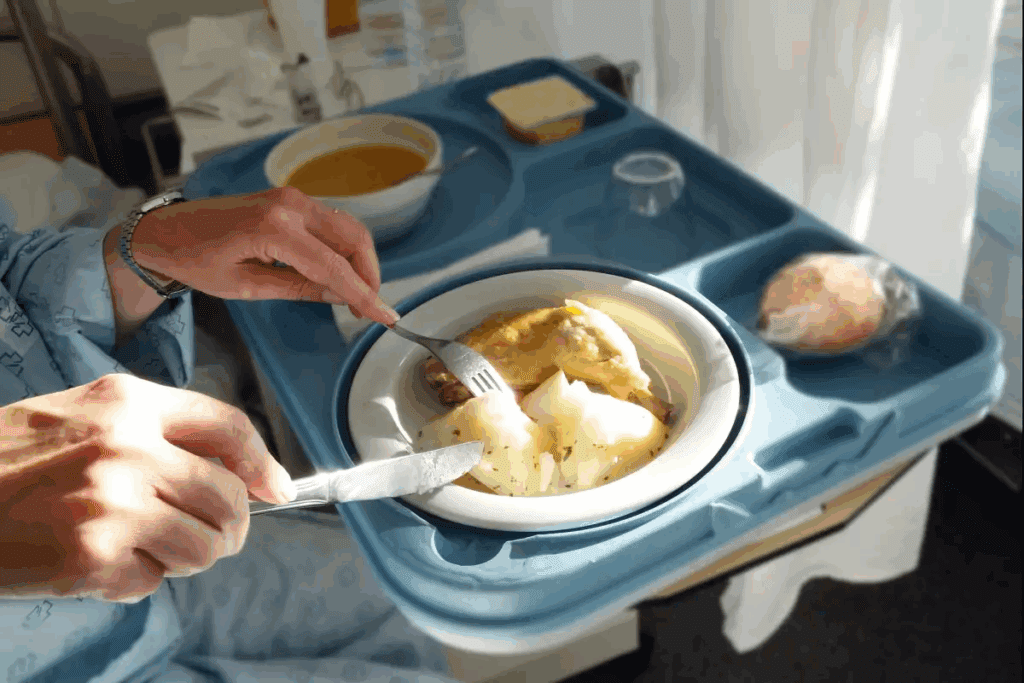
Colon cancer is a big health worry, and diet is key in its fight. Some food choices raise the risk of colon cancer, so knowing which to avoid is crucial. Dealing with advanced colon cancer treatment is tough. But a good nutrition plan is key to staying strong and healthy. Experts like Johnny Greig say a healthy diet is vital in treatment plans. For those with stage 4 colon cancer, a diet for colon cancer stage 4 patients is especially important. Eating well helps you get the most nutrients while avoiding stomach problems. A good diet is a big help in healing, getting stronger, and living better during treatment.
Key Takeaways
- A well-structured nutrition plan is vital for stage 4 colon cancer patients.
- Eating well supports treatment and keeps you healthy.
- It’s important to avoid stomach issues during treatment.
- A healthy diet boosts healing, strength, and quality of life.
- Getting advice from experts is key to a personalized diet plan.
Understanding Nutritional Challenges for Stage 4 Colon Cancer Patients

Managing stage 4 colon cancer is not just about medical treatment. It also involves tackling nutritional challenges. These challenges arise from the cancer itself and its treatment. A proper diet for colon cancer stage 4 patients is key in supporting the body during cancer treatment. Experts say, “People with cancer generally have increased nutrient needs, and cancer treatments like chemotherapy can be extremely hard on your body.” A balanced diet helps manage side effects, supports health, and may improve treatment outcomes.
How Cancer and Treatment Affect Digestion and Nutrient Absorption
Cancer and its treatment can harm the digestive system. This makes it hard for the body to absorb essential nutrients. Chemotherapy can cause nausea, vomiting, diarrhea, and changes in taste, making it tough to get enough nutrition.
The digestive system’s ability to absorb nutrients is also affected when cancer hits the colon. The colon is key for water and electrolyte absorption. This can lead to malnutrition and dehydration if not managed well.
The Role of Nutrition in Treatment Support and Recovery
A well-planned diet is vital for supporting the body during cancer treatment and recovery. Nutrition helps manage side effects, keeps strength up, and boosts the immune system.
| Nutritional Element | Role in Cancer Treatment | Food Sources |
| Protein | Supports tissue repair and immune function | Lean meats, fish, eggs, legumes |
| Complex Carbohydrates | Provides energy | Whole grains, fruits, vegetables |
| Healthy Fats | Supports overall health and provides energy | Nuts, seeds, avocados, olive oil |
By understanding the nutritional challenges of stage 4 colon cancer and following a tailored diet, patients can manage their condition better. This improves their quality of life.
Optimal Diet for Colon Cancer Stage 4 Patients: Key Principles
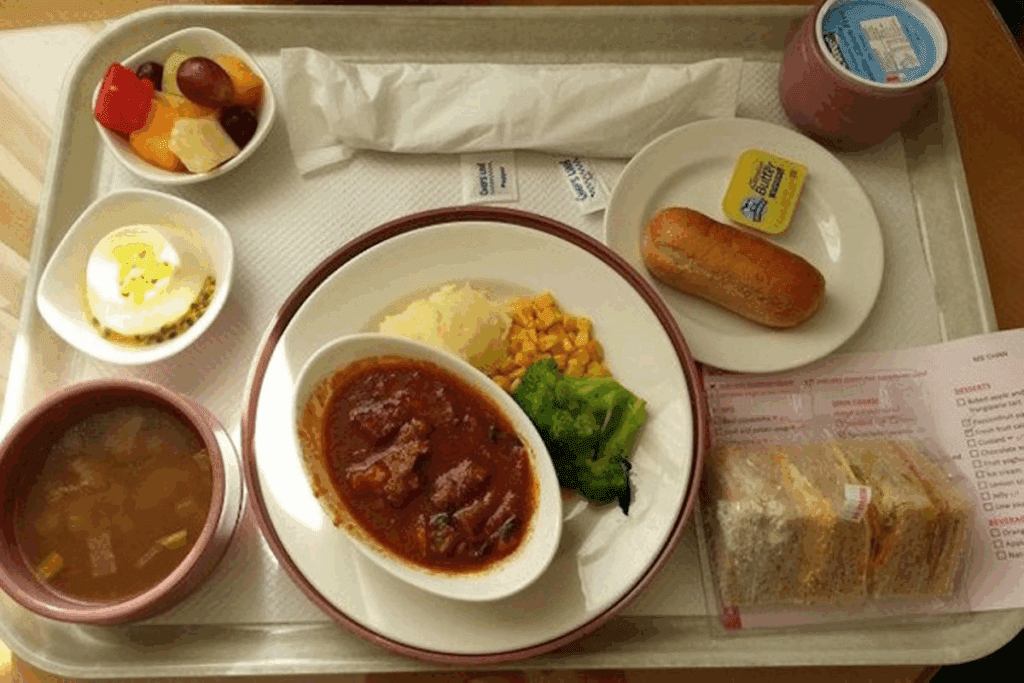
Colon cancer stage 4 patients can greatly benefit from a diet rich in anti-inflammatory and Mediterranean-style foods. This diet focuses on foods that reduce inflammation and support health.
Anti-Inflammatory Diet Benefits
An anti-inflammatory diet is packed with foods that fight inflammation, a major factor in cancer growth. Foods high in antioxidants, like berries and leafy greens, are key in this diet.
The anti-inflammatory diet offers many benefits, including:
- Reducing oxidative stress
- Supporting immune function
- Minimizing the risk of cancer progression
Mediterranean Diet Approach
The Mediterranean diet is all about eating lots of fruits, vegetables, whole grains, and healthy fats like olive oil. It’s known for its health benefits, including reducing inflammation and improving heart health.
| Food Group | Mediterranean Diet Components | Benefits |
| Fruits and Vegetables | High intake of colorful produce | Rich in antioxidants and fiber |
| Whole Grains | Whole wheat bread, brown rice | Good source of fiber and nutrients |
| Healthy Fats | Olive oil, nuts, and seeds | Reduces inflammation and supports heart health |
By combining the anti-inflammatory and Mediterranean diets, colon cancer stage 4 patients can make a diet plan that supports their treatment and well-being.
Top Protein Sources for Tissue Repair and Immune Function
For stage 4 colon cancer patients, eating foods high in protein is key. It helps the body fix damaged tissues and keeps the immune system strong. This is important for fighting off infections.
Johnny Greig says eating more calories and protein is important. This helps prevent shortages, mainly during treatment. Protein is also vital for keeping strength and health up.
1. Fatty Fish: Salmon and Sardines
Fatty fish are not just high in protein but also in omega-3 fatty acids. These acids fight inflammation. Salmon and sardines are great choices for both protein and fatty acids.
For example, a 3-ounce serving of salmon has about 20 grams of protein. You can easily add fatty fish to your meals, like grilled salmon or sardines in salads.
2. Lean Poultry: Chicken and Turkey
Lean poultry is also high in protein and good for colon cancer patients. Chicken and turkey are easy to cook in many ways. They fit different tastes and diets.
A 3-ounce serving of cooked chicken or turkey has about 25 grams of protein. Choosing lean cuts and removing the skin can cut down on fat.
3. Eggs and Egg Whites
Eggs are packed with nutrients and high-quality protein. Egg whites are a great protein source with few calories and fat.
Adding eggs to your diet is simple. You can boil, scramble, or make omelets. For those watching cholesterol, egg whites are a better choice.
4. Plant-Based Proteins: Legumes and Tofu
For those who prefer or need plant-based options, legumes and tofu are top choices. Legumes like beans, lentils, and peas are full of protein and fiber.
Tofu, made from soybeans, is also a versatile protein source. A 3-ounce serving of tofu has about 9 grams of protein.
| Protein Source | Serving Size | Protein Content |
| Salmon | 3 oz | 20 grams |
| Chicken Breast | 3 oz | 25 grams |
| Eggs | 1 large egg | 6 grams |
| Tofu | 3 oz | 9 grams |
Fruits and Vegetables That Support Colon Health
Fruits and vegetables are key to a healthy life and recovery from colon cancer. They are full of nutrients, fiber, and antioxidants. These help reduce treatment side effects and boost health.
Berries: Antioxidant Powerhouses
Berries like blueberries, raspberries, and strawberries are antioxidant-rich. They contain anthocyanins and ellagic acid, which fight inflammation. Adding berries to oatmeal, yogurt, or smoothies boosts nutrition.
Leafy Greens: Spinach and Kale
Spinach and kale are packed with vitamins A, C, and K, and minerals like calcium and iron. These nutrients aid digestion and detox. Try adding them to salads, soups, or sautéing as a side.
Cruciferous Vegetables: Broccoli and Cauliflower
Broccoli and cauliflower have anti-cancer compounds. Johannah Katz suggests them for their health benefits. Steaming or roasting preserves their nutrients.
Orange and Yellow Produce: Carrots and Sweet Potatoes
Carrots and sweet potatoes are rich in beta-carotene, a vitamin A precursor. They boost immunity and eye health. Include them in your diet for essential nutrients and fiber.
| Fruit/Vegetable | Nutritional Benefits | Preparation Ideas |
| Berries | High in antioxidants, anti-inflammatory | Add to oatmeal, yogurt, or smoothies |
| Leafy Greens | Rich in vitamins A, C, K, and minerals | Use in salads, soups, or sauté as a side dish |
| Cruciferous Vegetables | Contain anti-cancer compounds | Steam or roast to preserve nutrients |
| Orange/Yellow Produce | High in beta-carotene, supports immune function | Bake, boil, or mash for a nutritious side dish |
Eating these fruits and vegetables supports your health and recovery from colon cancer treatment.
Electrolyte-Rich Foods to Combat Treatment Side Effects
Colon cancer treatment can cause big changes in electrolyte levels. It’s key to eat foods full of these minerals. Electrolytes like potassium, sodium, and chloride help with nerve and muscle work, keeping us hydrated and balanced.
Side effects like diarrhea, vomiting, and tiredness can mess with electrolyte levels. Eating foods rich in electrolytes can help fight these issues and keep you healthy.
Potassium-Rich Options: Bananas and Potatoes
Potassium is super important for our health. Eating foods high in potassium can keep levels right. Bananas are a simple and tasty way to get potassium. Potatoes, when baked or boiled, are also great.
Other foods like spinach, avocados, and some fish are also full of potassium. They give you potassium and other nutrients t,, oo.
Managing Electrolyte Balance During Treatment
Keeping electrolyte levels balanced needs diet changes and drinking lots of water. Johnny Greig says drinking water is key to staying healthy and full of energy. Drink water and electrolyte-rich drinks to replace lost minerals.
Watching your diet and adjusting it for side effects is also important. If you’re having a lot of diarrhea, you might need to eat more foods and drinks rich in electrolytes.
In short, eating foods rich in electrolytes can really help with colon cancer treatment side effects. By focusing on foods high in potassium and staying hydrated, patients can support their health during tough times.
Whole Grains and Fiber Considerations
For stage 4 colon cancer patients, eating whole grains and fiber-rich foods is key. It helps keep the digestive system healthy. A diet full of whole grains and fiber meets the body’s nutritional needs during treatment.
Whole grains like oats, brown rice, and whole wheat are packed with fiber, vitamins, and minerals. They boost digestive health and support the immune system.
Gentle Fiber Sources: Oats and Brown Rice
Oats and brown rice are gentle on the stomach. They help keep bowel movements regular. Oats are special because they have a lot of soluble fiber. This fiber can lower cholesterol and improve heart health.
Brown rice is another easy-to-digest whole grain. It’s full of fiber and nutrients. It’s a great choice for patients going through treatment instead of white rice.
Balancing Fiber Intake During Different Treatment Phases
It’s important to balance fiber intake during colon cancer treatment. Chemotherapy can change bowel habits, like causing diarrhea or constipation. Adjusting fiber intake can help manage these side effects.
For example, if you have diarrhea, eating less fiber can help make stools firmer. If you have constipation, eating more fiber can help you defecate regularly.
Patients should talk to their healthcare team about managing fiber intake during treatment. It’s a team effort to find the right balance.
Healthy Fats with Anti-inflammatory Properties
Healthy fats are key in fighting inflammation, which is vital for those with colon cancer stage 4. Adding the right fats to your diet can ease symptoms and boost health during treatment.
Olive Oil and Avocados
Olive oil is packed with oleocanthal, a compound that fights inflammation. “Oleocanthal has effects similar to ibuprofen,” studies show. Avocados also offer healthy fats, which help lower inflammation.
To add these to your meals, use olive oil for cooking. Also, include sliced avocados in your dishes. Both are easy to mix into many recipes.
Nuts and Seeds: Walnuts, Flaxseeds, and Chia
Nuts and seeds are full of healthy fats, fiber, and antioxidants. Walnuts, for example, have compounds that fight inflammation, as Jen Scheinman points out. Flaxseeds and chia seeds are rich in omega-3s, which are strong against inflammation.
To enjoy these benefits, try:
- Adding walnuts to oatmeal or yogurt
- Spreading ground flaxseeds on salads or smoothies
- Mixing chia seeds into baked goods or porridge
Adding these healthy fats to your diet can help your health and improve your body’s fight against colon cancer.
Practical Meal Planning and Eating Strategies
For colon cancer stage 4 patients, meal planning is key. It helps manage nutrition and side effects from treatment. A good meal plan ensures patients get the nutrients they need for health and treatment success.
Small, Frequent Meals Approach
Eating small meals often is great for colon cancer stage 4 patients. Instead of big meals, eat smaller ones all day. Johnny Greig says eating small, protein-rich meals helps meet energy needs. It also helps with nausea and fatigue from treatment.
Benefits of Small, Frequent Meals:
- Reduces nausea and vomiting
- Helps manage fatigue
- Ensures consistent energy levels
- Supports overall nutritional intake
Meal Prep Tips for Low-Energy Days
On low-energy days, a prepared meal plan is a big help. Prepare meals ahead and store them in the fridge or freezer. Here are some meal prep tips:
- Make large batches of food to reheat later
- Use a slow cooker for meals all day
- Portion meals into individual containers
- Keep a list of quick, easy meals
Foods to Avoid or Limit
Some foods are best avoided or limited for colon cancer patients. These include:
- High-fiber foods that are hard to digest
- Spicy or fatty foods that upset the stomach
- Foods high in sugar can lower energy levels
Adapting Your Diet During Different Treatment Cycles
Colon cancer treatment changes over time, affecting diet needs. Be flexible and adjust your meal plan as needed. For example, during chemotherapy, focus on hydrating and eating foods rich in electrolytes to fight side effects.
Key considerations for adapting your diet include:
- Drink plenty of fluids
- Eat foods rich in electrolytes, like bananas and avocados
- Avoid foods that worsen side effects
- Work with a healthcare provider or nutritionist for a personalized meal plan.
Conclusion: Creating a Sustainable Nutrition Plan
A good colon cancer diet plan is key for stage 4 patients. It helps with their health and treatment results. Eating the right foods can make a big difference in their life.
The American Cancer Society recommends eating lots of veggies, fruits, whole grains, chicken, and fish. These foods are important for staying healthy. A good diet should have a mix of these to get all the nutrients needed.
Eating whole, nutrient-rich foods is a smart way to fight colon cancer. It keeps you healthy and strong, making treatment easier. This way, patients can face their journey with hope and confidence.
Sticking to a healthy diet takes effort, but it’s worth it. By choosing the right foods, stage 4 colon cancer patients can get better and live better. This helps them follow a healthy diet plan for a long time.
FAQ
What is the best diet for colon cancer stage 4 patients?
Eating a balanced diet is key. Include protein, fruits, veggies, whole grains, and healthy fats. An anti-inflammatory diet, like the Mediterranean style, can help manage side effects and support health.
What are the top protein sources for colon cancer stage 4 patients?
Good protein sources are fatty fish, lean poultry, eggs, and plant-based options like legumes and tofu. They help with tissue repair and boost the immune system.
Which fruits and vegetables are beneficial for colon health?
Berries, spinach, kale, broccoli, and carrots are great. They’re full of antioxidants that support colon health.
How can I manage electrolyte balance during treatment?
Eat foods high in potassium
, such as
e bananas and potatoes. Drinking plenty of fluids is also important to stay hydrated.
What are gentle fiber sources for colon cancer stage 4 patients?
Oats and brown rice are good for digestive health. It’s important to balance fiber intake to avoid digestive issues.
What healthy fats are recommended for colon cancer stage 4 patients?
Olive oil, avocados, nuts, and seeds like walnuts and flaxseeds are good. They have anti-inflammatory properties that support health.
How can I plan meals during low-energy days?
Meal prep can be helpful. Prepare meals in advance and cook in bulk. Having a list of simple meals can also help.
What foods should I avoid or limit during treatment?
Avoid foods high in sugar, salt, and unhealthy fats. Also, limit foods that can upset your stomach. Always follow your healthcare provider’s dietary advice.
How can I adapt my diet during different treatment cycles?
Work with a healthcare provider or dietitian to adjust your diet. They can guide you on the best foods to eat and avoid during each treatment phase.
What is a colorectal cancer diet plan?
It’s a diet rich in fruits, veggies, whole grains, lean proteins, and healthy fats. It aims to support health, manage side effects, and aid in recovery.
Are there specific foods that can help with colon cancer treatment?
No food can cure colon cancer, but a diet full of antioxidants, fiber, and healthy fats can help. Foods like berries, leafy greens, and fatty fish are beneficial.
References
- National Institutes of Health, National Library of Medicine. (2022). The role of nutrition in cancer prevention and treatment: A review. Nutritional Oncology Journal. Retrieved from
https://pubmed.ncbi.nlm.nih.gov/36248756/