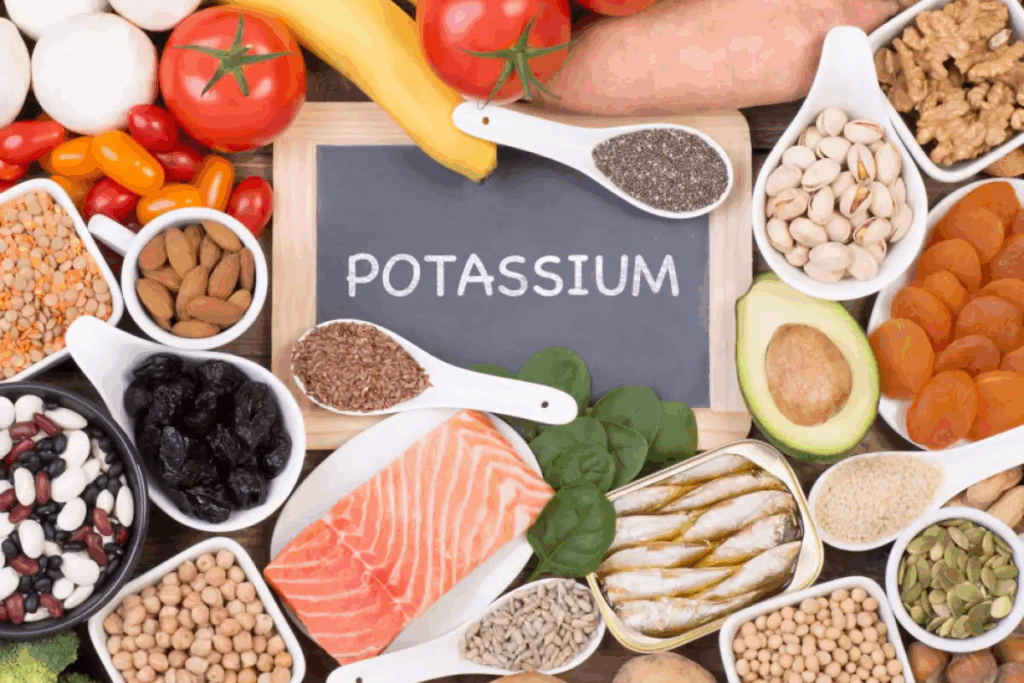
Potassium is key for healthy blood pressure and heart function. It also helps with nerve and muscle activity. Yet, most Americans only get half of the needed 4,700 milligrams daily. While bananas are known for potassium, many other foods can help you get more.
We’ll look at the top 10 high potassium foods beyond bananas. This guide will help you build a diet rich in potassium. Adding these foods to your meals can boost your health and lower heart disease risk.
Key Takeaways
- Potassium is essential for maintaining healthy blood pressure and heart function.
- Most Americans do not meet the recommended daily potassium intake.
- There are numerous high potassium foods beyond bananas.
- Incorporating potassium-rich foods can support overall wellness.
- A balanced diet with potassium-rich foods can help reduce cardiovascular disease risk.
The Vital Role of Potassium in Your Body
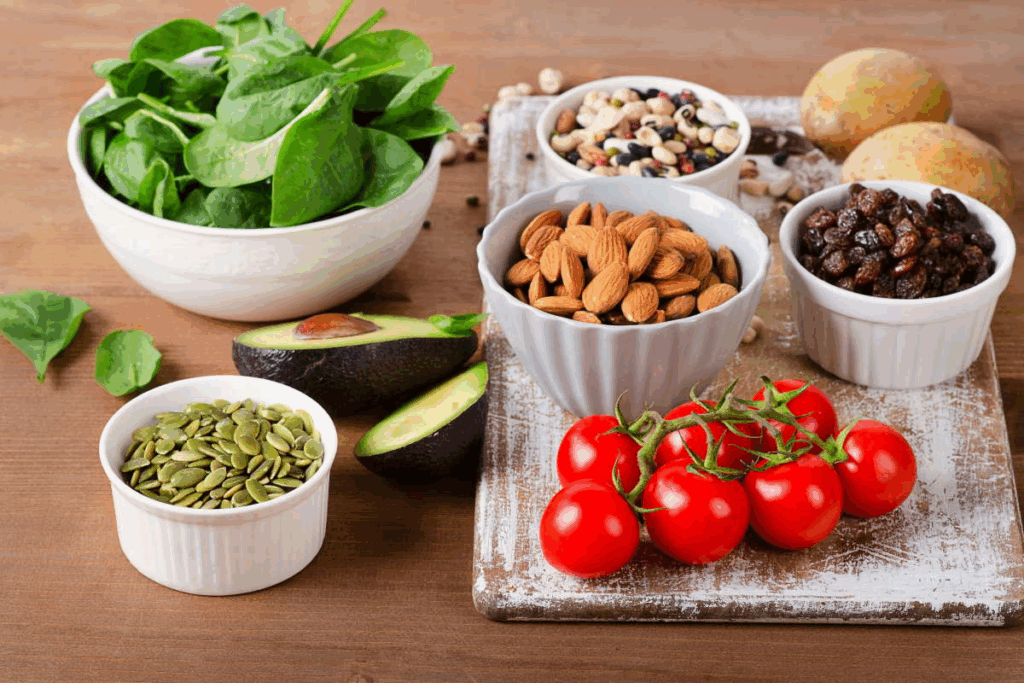
Potassium is key to many body functions. It’s a vital mineral that helps our bodies work right. It keeps our heart rhythms healthy and helps muscles move.
Essential Functions for Heart and Muscle Health
Potassium is important for heart health. It helps balance fluids and keeps blood pressure in check. It also makes muscles work right, which is key for moving and staying strong.
Adequate potassium levels are essential for preventing muscle cramps, weakness, and fatigue.
It also helps control the heartbeat and keeps the heart healthy. Potassium balances out sodium, which can lower blood pressure and reduce heart disease risk. Keeping potassium levels right supports heart health and lowers heart disease risk.
The Critical Potassium-Sodium Balance
Keeping potassium and sodium in balance is key for blood pressure. Sodium can raise blood pressure, but potassium can counteract it. A diet rich in potassium can help mitigate the negative impacts of sodium, promoting overall cardiovascular health.
To keep this balance, we need to eat enough potassium and not too much sodium. This helps our heart stay healthy and lowers the risk of high blood pressure and heart disease.
Why Most Americans Fall Short on Potassium Intake
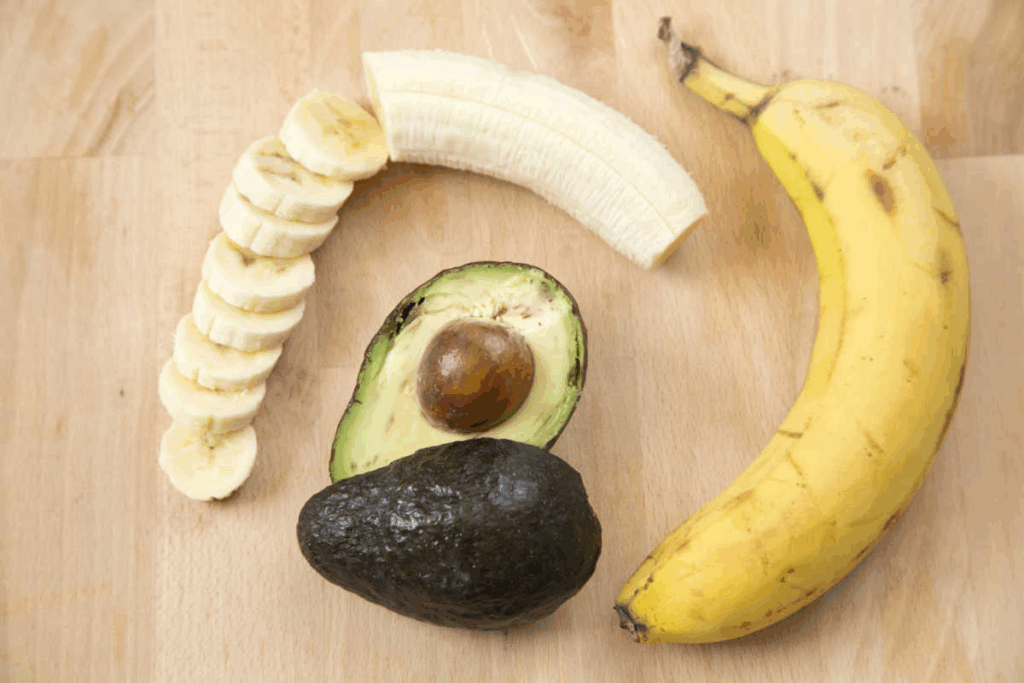
Many Americans don’t know they’re not getting enough potassium. They only get about half of what they need. This is a big health problem because potassium is key for heart health and blood pressure.
Daily Recommended Intake vs. Typical Consumption
Adults need about 4,700 milligrams of potassium each day. But most Americans don’t get that much. They usually get around 2,400 to 3,200 milligrams, which is less than half of what they should.
This is because many people don’t eat enough fruits, veggies, and whole grains. These foods are full of potassium. Instead, they eat a lot of processed foods that don’t have much potassium.
Health Implications of Insufficient Potassium
Not getting enough potassium can harm your health. One big risk is high blood pressure. Potassium helps balance out sodium and relax blood vessel walls.
Also, a low-potassium diet can raise the risk of heart disease and stroke. Potassium keeps the heart beating right and supports blood vessels. Without enough, these risks go up.
Not getting enough potassium also makes you more likely to get kidney stones. Potassium helps keep calcium from being too much in the urine, which can cause stones.
Health Benefits of a Diet Rich in Potassium
Eating foods high in potassium can help a lot. It can lower blood pressure and support muscle health. Adding these foods to our meals can make us feel better overall.
How Potassium Naturally Lowers Blood Pressure
Potassium works against sodium to lower blood pressure. It makes blood vessels relax, improving blood flow. This reduces pressure on our heart and blood vessels.
Key ways potassium lowers blood pressure include:
- Reducing sodium’s impact on blood vessels
- Promoting vasodilation, or the widening of blood vessels
- Supporting overall cardiovascular health
Protection Against Heart Disease and Stroke
Potassium also helps protect against heart disease and stroke. It keeps the heart rhythm healthy and supports the heart’s function. This reduces the risk of heart problems.
Potassium intake is linked to better heart health: Research shows that more potassium means less heart disease and stroke risk.
Optimizing Nerve and Muscle Function
Potassium is key for nerve and muscle health. It helps nerves send signals and muscles move. This is important for physical performance and overall health.
Potassium supports nerve and muscle function in several ways:
- Facilitating the transmission of nerve impulses
- Supporting muscle contractions and relaxations
- Maintaining healthy muscle and nerve function
Potatoes with Skin: The Unexpected Potassium Powerhouse
The humble potato is more than just a staple food; it’s also a rich source of potassium. Potatoes, when eaten with their skin, offer a lot of this essential mineral.
Baked Potatoes: 925mg Potassium Per Medium Serving
A medium baked potato with skin has about 925 milligrams of potassium. This makes it a great choice for a diet rich in potassium. It’s a big part of the daily recommended 4,700mg.
Potassium in potatoes helps keep fluid balance, supports healthy blood pressure, and aids in nerve function.
Healthy Preparation Methods to Preserve Nutrients
To get the most from potatoes, it’s key to prepare them healthily. Baking or boiling potatoes is the best way to keep their potassium. Unlike frying, which adds a lot of calories and reduces nutrients, baking or boiling keeps the potato’s goodness.
Here are some tips for healthy potato preparation:
- Choose baking or boiling over frying.
- Leave the skin on to maximize potassium intake.
- Avoid adding excessive salt or high-calorie toppings.
- Experiment with herbs and spices for flavor instead of salt.
By adding potatoes to your diet in a healthy way, you can increase your potassium intake. This brings many health benefits.
Leafy Greens: Spinach and Other Potassium Sources
Potassium-rich leafy greens are great for any meal. Spinach, in particular, is packed with potassium. It’s a healthy choice for many dishes.
Cooked Spinach: A Potassium Powerhouse
Cooked spinach is full of potassium, with about 839 milligrams per cup. It’s perfect for increasing your potassium. Cooking spinach right is key to getting the most nutrients.
Nutritional Benefits of Cooked Spinach
Nutrient | Amount per Cup |
Potassium | 839mg |
Iron | 6.4mg |
Vitamin A | 573μg |
Incorporating Potassium-Rich Greens Into Daily Meals
Adding leafy greens to your diet is easy and tasty. Here are some ideas:
- Add fresh spinach to salads or blend into smoothies.
- Sauté leafy greens with garlic as a side dish.
- Mix cooked spinach into pasta sauces or casseroles.
- Use kale or collard greens in soups or stews.
By adding leafy greens like spinach to your meals, you boost your potassium. This helps your overall health and well-being.
Beans and Legumes: Protein-Packed Potassium Sources
Beans and legumes are packed with nutrients, including potassium and protein. They are easy to add to many dishes, helping you get more potassium. We’ll look at how beans and legumes can boost your potassium levels and share recipe ideas to make them part of your daily meals.
White Beans: A Potassium-Rich Choice
White beans stand out for their high potassium, with about 829 milligrams per cup. They’re great for anyone looking to eat more potassium. Plus, they’re full of fiber and protein, making them very nutritious and satisfying.
Incorporating Beans into Your Diet
Beans and legumes can be used in many dishes, from soups to salads and main courses. Here are some versatile ways to include beans in your diet:
- Add white beans to soups and stews for an extra dose of potassium.
- Mix black beans with rice and vegetables for a nutritious and filling meal.
- Use chickpeas in salads or as a topping for your favorite dishes.
- Create a hearty bean-based chili with a variety of legumes.
Adding beans and legumes to your meals can increase your potassium intake. They also offer many other health benefits. These protein-rich foods are excellent for supporting your overall health and well-being.
Dried Fruits: Concentrated Sources for Potassium
Dried fruits, like apricots, are packed with potassium. They are a great snack choice. Unlike fresh fruits, dried fruits last longer and are easy to carry, perfect for when you’re on the move.
Dried Apricots: 755mg Potassium Per Half Cup
Dried apricots stand out for their potassium. A half cup has about 755 milligrams of potassium. They are a top pick for increasing potassium in your diet. They also have lots of fiber and antioxidants, adding to their nutritional value.
Smart Snacking with Potassium-Rich Dried Fruits
To enjoy dried fruits as a potassium-rich snack, eat them in small amounts because of their sugar. Here are some tips for smart snacking:
- Pair dried fruits with nuts or seeds for a snack that’s balanced with healthy fats and protein.
- Watch your portion sizes to avoid too much sugar.
- Opt for unsweetened and unsulphured dried fruits for the best health benefits.
- Add dried fruits to your oatmeal or yogurt for extra flavor and nutrition.
Adding dried fruits like apricots to your diet is a tasty and healthy way to boost your potassium and overall health.
Root Vegetables and Squash: Nutrient-Dense Options
Root vegetables and squash are packed with potassium. They add variety to meals and provide essential nutrients. We’ll look at the top root vegetables and squash for potassium, their nutritional benefits, and how to add them to your diet.
Sweet Potatoes: A Potassium-Rich Staple
Sweet potatoes are a nutrient-dense food with about 542mg of potassium per medium serving. They’re also full of vitamins A and C, making them great for health. Baking or boiling sweet potatoes keeps their nutrients.
Acorn Squash: A Versatile Potassium Source
Acorn squash is another nutrient-rich option, with about 644mg of potassium per cup. It’s also high in fiber and vitamin C. Roasting acorn squash brings out its sweetness and keeps its nutrients.
Here’s a comparison of the potassium content in various root vegetables and squash:
Food | Potassium Content (mg) | Serving Size |
Sweet Potatoes | 542 | Medium |
Acorn Squash | 644 | 1 Cup |
Carrots | 320 | 1 Cup |
“Incorporating a variety of root vegetables and squash into your diet can significantly enhance your nutrient intake, including potassium.” – Nutrition Expert
To visualize the nutritional benefits, consider the image below:
Fish and Seafood: Ocean Sources of Essential Potassium
The ocean is full of fish and seafood that are packed with potassium. Adding these to your meals can make them taste better and help your heart. It’s good for your overall health too.
Salmon and Other Fatty Fish: Potassium Content and Preparation
Fatty fish like salmon are very nutritious, including a lot of potassium. A 3-ounce serving of cooked salmon has about 534mg of potassium. To get the most health benefits, grill or bake it with herbs and lemon. Stay away from high-sodium sauces.
Other fatty fish with lots of potassium are:
- Mackerel
- Sardines
- Tuna
You can cook these fish in many ways. Try grilling, baking, or making sashimi for a tasty and healthy meal.
Shellfish Options for Potassium and Protein
Shellfish are also great for potassium, giving you more seafood choices. Clams, for example, have a lot of potassium, with 534mg in a 3-ounce serving. Mussels and oysters are good too, providing potassium and high-quality protein.
Shellfish | Potassium Content (per 3 oz serving) |
Clams | 534mg |
Mussels | 320mg |
Oysters | 246mg |
To keep shellfish nutritious, steam or sauté them with garlic and herbs. This method keeps the potassium and makes them taste even better.
Fruits Beyond Bananas: Diverse and Delicious Potassium Sources
While bananas are known for their potassium, many fruits offer just as much. Exploring these options shows that several fruits can help meet our daily potassium needs.
Avocados: The Creamy Potassium Superfood
Avocados stand out for their high potassium. A medium avocado has about 708mg of potassium. They’re also full of healthy fats, fiber, and vitamins, making them a nutritional powerhouse.
Avocados are versatile and easy to add to meals. Enjoy them in salads, smoothies, or on toast. Their creamy texture and rich flavor boost the nutrition and taste of many dishes.
Citrus and Other Potassium-Rich Fruits for Daily Consumption
Citrus fruits like oranges and grapefruits are great for potassium. A medium orange has about 237mg, and a grapefruit has 322mg. They’re also packed with vitamin C and flavonoids, which are good for health.
Other fruits like apricots, mangoes, and cantaloupes are also rich in potassium. Mixing these fruits into our diet helps us reach our potassium goals. We can snack on them, add them to salads, or blend them into smoothies.
Conclusion: Creating Your Balanced High-Potassium Eating Plan
We’ve looked at many foods high in potassium that are good for our health. Adding these foods to our diet helps keep blood pressure healthy. It also supports the heart and helps nerves and muscles work right.
A good high-potassium diet isn’t just about picking certain foods. It’s about eating a variety of foods that are rich in potassium. Try adding potatoes with skin, spinach, beans, dried fruits, root veggies, and fatty fish to your meals.
To make a plan that’s right for you, first look at what you’re eating now. Then, think about what you can change. You might want to talk to a doctor or a dietitian to get advice that fits your needs.
By choosing wisely and eating a variety of potassium-rich foods, we can all stay healthy. A balanced high-potassium diet is key to good health and well-being.
FAQ
What are some high potassium foods beyond bananas?
Beyond bananas, high potassium foods include potatoes and leafy greens like spinach. Beans and legumes, dried fruits like apricots, and root vegetables are also good. Squash, fish, and seafood are other options.
What foods provide potassium?
Foods rich in potassium include white beans and sweet potatoes. Acorn squash, fatty fish like salmon, and shellfish like clams are also good. Oranges and grapefruits are great too.
Are there any low sodium high potassium foods?
Yes, low sodium high potassium foods include leafy greens like spinach. Beans and legumes are also good. Most fruits and vegetables are great choices.
What are some high fiber high potassium foods?
High fiber high potassium foods include beans and legumes. Leafy greens and certain fruits like avocados are good. Citrus fruits are also great.
How can I incorporate high potassium foods into my diet?
Add high potassium foods to your meals. Try baked potatoes, sautéed spinach, or bean-based dishes. Snack on dried fruits and nuts too.
What are the health benefits of a diet rich in potassium?
A diet rich in potassium can lower blood pressure. It helps protect against heart disease and stroke. It also optimizes nerve and muscle function.
What is the recommended daily intake of potassium?
Adults should aim for 4,700 milligrams of potassium daily.
How can I create a balanced high-potassium eating plan?
Include a variety of potassium-rich foods in your diet. Add fruits, vegetables, whole grains, and lean proteins. This will help you stay balanced.
Are there any foods that are rich in both potassium and iron?
Yes, foods rich in both potassium and iron include beans and legumes. Leafy greens like spinach are also good. Certain fish and seafood are great choices too.
What are some of the top potassium-rich foods?
Top potassium-rich foods include potatoes and white beans. Spinach, dried apricots, and sweet potatoes are also good. Acorn squash, salmon, and avocados are great options.
References
World Health Organization. Evidence-Based Medical Guidance. Retrieved from https://www.who.int/tools/elena/interventions/potassium-cvd-adults