Nearly 250,000 people in the United States undergo weight-loss surgery every year. Gastric sleeve surgery is one of the most common procedures.
After gastric sleeve surgery, patients need to follow a specific post-surgery diet. This diet helps with healing and weight loss. Rice is often avoided in the early stages because it’s starchy and can cause discomfort.
It’s important to understand why rice is avoided and how to meet nutritional needs post-surgery. This knowledge is key for a successful recovery.
Key Takeaways
- Following a specific diet is important after gastric sleeve surgery.
- Rice is avoided in the early stages because it’s starchy.
- Proper nutrition is essential for a successful recovery and weight loss.
- Patients must be aware of their nutritional needs post-surgery.
- A well-planned diet helps in minimizing post-surgery discomfort.
The Basics of Gastric Sleeve Surgery

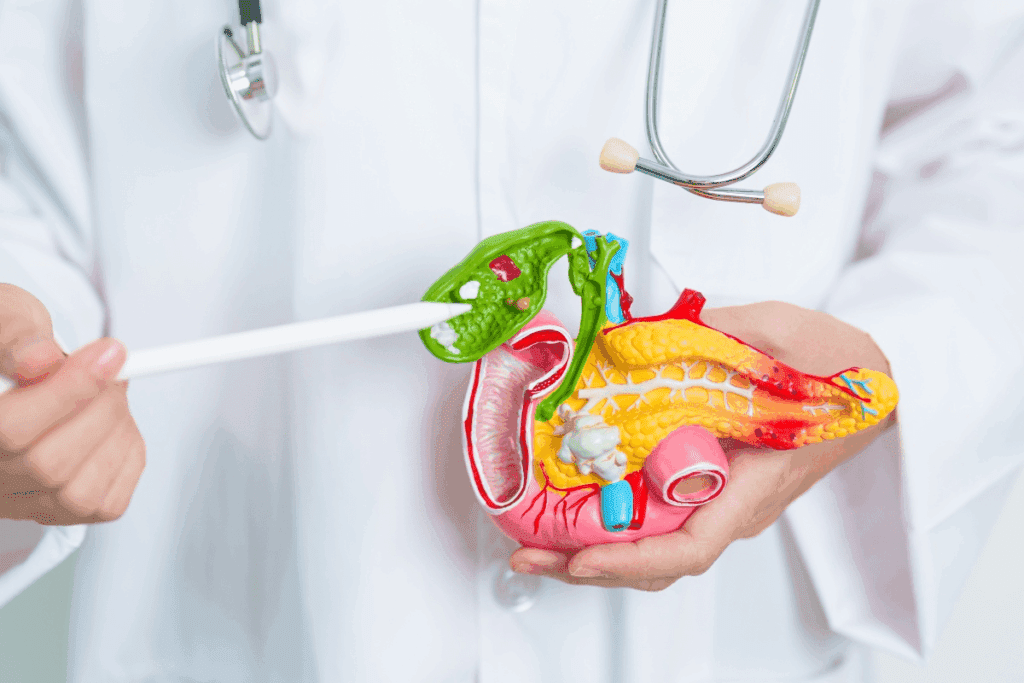
Gastric sleeve surgery is a big change that affects your digestive system. It removes a big part of your stomach, leaving a narrow “sleeve” or tube-like stomach.
The surgery significantly alters the stomach’s size and structure. This changes how food is digested and absorbed. It limits how much food you can eat, helping with weight loss for obese patients.
How the Procedure Changes Your Digestive System
The gastric sleeve surgery changes your digestive system in several ways:
- The stomach’s capacity is significantly reduced, limiting the amount of food that can be consumed at one time.
- The portion of the stomach that is removed includes the area that produces ghrelin, a hormone that stimulates appetite, potentially reducing hunger.
- The surgery can affect the way nutrients are absorbed, as the altered stomach and the subsequent dietary changes can impact nutritional intake.
Immediate Post-Surgery Dietary Phases
Right after surgery, patients follow a series of dietary phases. These help the stomach heal and adjust to its new size and function. The phases are as follows:
- Liquid Diet: Patients start with a liquid diet, eating clear broths, electrolyte-rich beverages, and other non-viscous liquids.
- Pureed Foods: As the stomach heals, patients move to pureed foods. These are soft, blended foods that are easy to digest.
- Soft Foods: Next, patients eat soft, solid foods. These are gentle on the stomach, like cooked vegetables and lean proteins.
- Solid Foods: Eventually, patients can eat a normal diet. But they should eat smaller, more frequent meals and chew their food well.
Knowing about these dietary phases is key for a smooth recovery. It helps patients avoid complications and follow their post-operative journey well.
Dietary Restrictions After Gastric Sleeve

After gastric sleeve surgery, eating habits must change. This is to support healing and weight loss. The stomach is smaller, so it’s important to eat carefully to avoid discomfort and get the right nutrients.
General Food Restrictions Following Surgery
Right after surgery, some foods are off-limits. These include high-fiber, spicy, and fatty or sugary foods. The diet starts with liquids, then moves to soft foods before solid foods.
A bariatric surgeon, says, “Following the diet stages is key for recovery. Be careful with foods that can cause problems.”
“The dietary restrictions after gastric sleeve surgery are designed to support the patient’s nutritional needs while minimizing the risk of complications.”
Timeline for Introducing Different Food Groups
The time frame for adding new foods varies. It starts with liquids, then pureed, soft, and solid foods. Protein is important at every meal to help with healing and muscle.
Diet Stage | Duration | Foods Included |
Liquid Diet | 1-2 weeks | Broth, clear soups, protein shakes |
Pureed Diet | 2-4 weeks | Pureed fruits, vegetables, and meats |
Soft Foods | 4-6 weeks | Soft fruits, cooked vegetables, lean proteins |
Solid Foods | After 6 weeks | Gradual introduction of various solid foods |
The Importance of Protein-First Approach
After surgery, eating protein first is vital. Protein helps with healing, keeps muscle, and supports health. It’s important to eat protein at every meal and use supplements if needed.
High-protein foods recommended include: lean meats, fish, eggs, dairy, and protein shakes. Drinking lots of water is also key.
The Specific Challenge of Rice Consumption
Gastric sleeve patients face unique dietary challenges with rice. This is due to rice’s physical properties and how it’s digested. It’s also because of the surgery’s effects on their stomach. Knowing these challenges is key to following post-surgery diet rules well.
Physical Properties of Rice That Cause Problems
Rice expands when cooked, which is a big problem in a smaller stomach. This can cause discomfort, nausea, and even blockages. The physical properties of rice, like its density and how it absorbs liquid, are key to these issues.
How Rice Behaves in a Reduced Stomach
In a normal stomach, rice digestion is usually smooth. But after gastric sleeve surgery, even small amounts of rice can be a big problem. The rice expands, putting pressure on the stomach walls. This can cause pain and make recovery harder.
Differences Between Rice Varieties
Not all rice is the same for post-gastric sleeve surgery diets. White rice and brown rice differ in nutrition and physical properties. Brown rice, being denser and with more fiber, might be less likely to expand as much as white rice. But, both should be eaten carefully.
Knowing the differences between rice types helps patients make better diet choices after surgery. It’s also important to follow the dietary advice from healthcare professionals. This ensures a smooth recovery and the best weight loss results.
Impact of Rice on Your New Stomach Size
Eating rice after gastric sleeve surgery can affect your stomach size and weight loss. Your digestive system changes after surgery. It’s important to know how foods like rice impact your stomach.
Volume Expansion of Rice During Digestion
Rice grows a lot when it’s digested. This can be a problem for people with a smaller stomach after surgery. When rice meets digestive fluids, it soaks up liquid and gets bigger. This can make you feel full and might stretch your stomach sleeve if you eat too much.
The expansion of rice in your stomach can make you feel full. But eating a lot of rice can also stretch your stomach sleeve over time.
Risk of Stretching the Sleeve
Eating rice after gastric sleeve surgery can stretch your stomach sleeve. When your stomach gets bigger to hold the rice, it might stretch. This could make it harder to lose and keep off weight.
Long-term Consequences of Regular Rice Consumption
Eating rice regularly after gastric sleeve surgery can harm your weight loss goals. Rice has a lot of carbs and expands in your stomach. This can lead to weight gain if not controlled.
It’s key for patients to know these risks. They should follow a diet that meets their nutritional needs but also respects their surgery’s limits.
High Carbohydrate Content of Rice and Weight Loss Goals
Rice is high in carbs, making it hard for those trying to lose weight after gastric sleeve surgery. Its high carb content can slow down your diet progress.
Caloric Density vs. Nutritional Value
Rice gets a bad rap for being high in calories and low in nutrients. A cup of cooked white rice has about 200 calories, mostly carbs. For weight loss after surgery, it’s key to eat foods that are both low in calories and high in nutrients.
White and brown rice differ in nutritional value. Brown rice has more fiber and nutrients than white rice. But, both are high in carbs.
Type of Rice | Calories per Cup | Carbohydrate Content | Fiber Content |
White Rice | 200 | 45g | 0.6g |
Brown Rice | 218 | 44g | 3.5g |
How Carbohydrates Can Slow Weight Loss Progress
Eating too many carbs, like those in white rice, can slow down weight loss. The body stores extra carbs as fat, which isn’t good for losing weight.
Also, foods high in carbs, like rice, can make your body less responsive to insulin. This makes losing weight even harder.
Glycemic Index Considerations
The glycemic index (GI) shows how fast foods raise blood sugar. White rice has a high GI, causing blood sugar to spike quickly. Choosing foods with a lower GI can help control blood sugar and aid in weight loss.
Brown rice has a lower GI than white rice, making it better for blood sugar control. But, it’s important to watch your portions.
Risk of Dumping Syndrome from Rice Consumption
Gastric sleeve patients should know that eating rice can cause dumping syndrome. This is when the small intestine gets flooded with undigested, high-calorie foods.
What Is Dumping Syndrome?
Dumping syndrome happens after gastric sleeve surgery. It’s when undigested food quickly moves to the small intestine. This can cause nausea, vomiting, diarrhea, and abdominal cramps.
This syndrome is often linked to eating high-calorie, high-carb foods like rice.
How Rice Can Trigger Symptoms
Eating a lot of rice or not chewing it well can trigger dumping syndrome. Rice’s high carbohydrate content can quickly raise the osmotic pressure in the small intestine. This leads to a fast movement of fluids into the intestine.
This can cause the uncomfortable symptoms of dumping syndrome.
Managing and Preventing Episodes
To manage dumping syndrome, changing your diet is key. Avoid foods like rice. Instead, eat smaller, more frequent meals and choose foods high in protein and fiber.
These foods are less likely to cause dumping syndrome. Also, stay away from foods high in sugar and carbs to prevent episodes.
To prevent dumping syndrome, eat slowly and chew food well. Don’t drink liquids during meals. Wait at least 30 minutes after eating before drinking liquids to manage symptoms.
Nutritional Absorption Issues After Gastric Sleeve
Nutritional absorption is a big concern after gastric sleeve surgery. This surgery helps with weight loss but changes how the body digests food. It can lead to nutritional deficiencies if not managed right.
Changes in Nutrient Processing
After gastric sleeve surgery, the body’s nutrient processing changes a lot. The smaller stomach limits food intake and affects digestive enzymes and nutrient absorption. Patients need to adjust their diet because of these changes.
The surgery can also lower gastric acid production. This acid is key for absorbing nutrients like vitamin B12, iron, and calcium. So, patients might need supplements to get enough nutrients.
Why Nutrient-Dense Foods Take Priority
Eating nutrient-dense foods is very important after gastric sleeve surgery. These foods give the body the vitamins, minerals, and proteins it needs without filling up the smaller stomach. It’s also key to eat a lot of protein to keep muscle mass and health.
Good choices include lean proteins, veggies, fruits, and whole grains. These foods are full of fiber and essential nutrients. Avoid foods high in sugar and unhealthy fats because they don’t offer much nutritional value.
Micronutrient Considerations
Micronutrients, like vitamins and minerals, are vital for the body. After gastric sleeve surgery, patients might not get enough because of less food intake and changed absorption. Regular checks and supplements can help avoid deficiencies.
Focus on vitamins D, calcium, iron, and B12. Work with your healthcare provider to keep an eye on these nutrients. Adjust your diet or supplements as needed.
Healthier Alternatives to Rice for Gastric Sleeve Patients
After gastric sleeve surgery, finding good food is key. Patients need to pick foods that are nutritious and help with weight loss.
Low-Carb Rice Substitutes
For those with gastric sleeves, low-carb rice substitutes are great. Cauliflower rice is a favorite. It’s made by blending cauliflower into rice-like bits. It’s low in carbs but full of vitamins and antioxidants.
- Cauliflower rice
- Broccoli rice
- Zucchini noodles
Protein-Rich Alternatives
Protein is vital after gastric sleeve surgery. It helps with healing and feeling full. Quinoa is a good choice. It’s packed with protein and has all nine essential amino acids.
- Quinoa
- Legumes (lentils, chickpeas)
- Tofu
Fiber-Rich Options
Fiber is important for digestion. Gastric sleeve patients need to eat enough fiber. Avocado is a great source. It’s also full of healthy fats.
- Avocado
- Artichoke
- Green peas
Adding these foods to their diet helps gastric sleeve patients meet their nutritional needs. They support weight loss and make meals more enjoyable.
Understanding Portion Control With Starchy Foods
Managing starchy foods like rice is a big challenge for gastric sleeve patients. These foods are common in many diets but can cause discomfort after surgery. They can also slow down weight loss.
Appropriate Serving Sizes Post-Surgery
After gastric sleeve surgery, serving sizes for starchy foods must be much smaller. A serving of cooked rice should be about 1/4 cup or the size of a small fist. This helps control calorie intake and prevents the stomach from stretching.
Before surgery, a serving of rice was often half a cup or more. After surgery, it’s halved or even quartered. This shows the importance of careful portion control.
Techniques for Measuring and Limiting Portions
There are several ways to measure and limit portions of starchy foods:
- Using a food scale to measure the exact amount of food.
- Investing in portion control dishes or containers that have measurements marked on them.
- Practicing mindful eating by paying close attention to hunger and fullness cues.
By using these techniques, patients can better manage their starchy food intake. This supports their weight loss journey.
Visual Guides for Portion Sizes
Visual guides are very helpful for understanding portion sizes. For example, a serving size of cooked rice is about the size of a tennis ball or a small fist. These visual cues make it easier to know the right amount of food without measuring.
“The key to successful weight loss after gastric sleeve surgery is not just about what you eat, but also how much you eat. Understanding and controlling portion sizes is critical.” –
A gastric health specialist
By using these strategies, patients can handle starchy foods better after surgery. They understand serving sizes, use techniques for portion control, and use visual guides. This helps them navigate the challenges of starchy foods post-surgery.
Testing Food Tolerance Gradually After Surgery
After gastric sleeve surgery, reintroducing foods needs patience and knowledge. It’s important to test your body’s reaction to different foods slowly. This helps find out which foods are good for your new digestive system and which might cause problems.
The Process of Food Reintroduction
Introducing foods back into your diet should be done slowly and carefully. Start with foods that are easy to digest, like pureed veggies or lean proteins. Then, move on to more complex foods. It’s key to add new foods one at a time and in small amounts to see how your body reacts.
Key Steps in Food Reintroduction:
- Begin with liquid diets and gradually move to pureed and soft foods.
- Introduce new foods one at a time.
- Start with small portions and observe your body’s reaction.
- Keep a food diary to track your progress and note any adverse reactions.
Signs Your Body Isn’t Ready for Rice
When you start eating foods like rice again, watch for signs of intolerance. Symptoms can include discomfort, bloating, nausea, or pain. If you notice these signs, it might mean your body isn’t ready for rice or you need to eat smaller amounts.
Signs of Intolerance | Possible Actions |
Discomfort or bloating | Reduce portion size or temporarily avoid the food. |
Nausea or vomiting | Stop consuming the food and consult your healthcare provider. |
Pain after eating | Adjust your eating habits or seek medical advice. |
Documenting Your Food Tolerance Journey
Keeping a detailed food diary is very helpful in your recovery. It helps you track what you eat, how much, and how your body reacts. This information is also useful for your healthcare providers, as it shows them your progress and any challenges you’re facing.
Tips for Effective Documentation:
- Record everything you eat and drink.
- Note the time of day and your body’s reaction.
- Track any symptoms or discomfort.
- Share your findings with your healthcare team.
Patient Experiences With Rice and Other Restricted Foods
Many patients who have had gastric sleeve surgery talk about their experiences with rice and other foods they can’t eat. Their stories show how important it is to have support from others. This support helps them deal with the big changes in their diet after surgery.
Common Reactions to Rice Consumption
Patients have different reactions to eating rice after gastric sleeve surgery. Some feel uncomfortable, bloated, or even get dumping syndrome. These problems come from rice’s high carb content and how it affects a smaller stomach.
Rice’s high carbs can also slow down weight loss for some patients. One patient said, “I was surprised by how quickly rice made me feel full, but it also caused uncomfortable bloating.”
Success Stories and Adaptation Strategies
Despite the challenges, many patients have found ways to adapt to their new diet. They’ve replaced rice with cauliflower rice or eaten more protein. These changes help them meet their nutritional needs.
One patient slowly added small amounts of rice to their diet. They watched how their body reacted. “I started with tiny amounts and waited to see how my body reacted. It was a process, but I found a balance that worked for me.”
Lessons Learned from the Gastric Sleeve Community
The gastric sleeve community is full of helpful advice and support. Patients share their experiences to help others face similar challenges. They learn the value of patience and flexibility when trying new foods like rice.
They also learn to listen to their bodies and adjust their diet. As one support group member said, “It’s not just about cutting out foods; it’s about finding a sustainable way to eat that supports your health and weight loss goals.”
Long-Term Dietary Adjustments for Sustainable Results
For lasting weight loss after gastric sleeve surgery, making long-term dietary changes is key. It’s not just about what you eat right after surgery. It’s about making a lifelong commitment to healthy eating and balanced nutrition.
Creating New Eating Habits
Creating new eating habits is essential for lasting success. This means:
- Eating smaller, more frequent meals to control hunger and portion sizes.
- Choosing foods rich in nutrients to get the vitamins and minerals you need.
- Staying away from foods high in calories, sugar, and fat, which can slow down weight loss.
By adopting these habits, you can manage your weight better and improve your health.
Balancing Nutrition and Satisfaction
Finding the right balance between nutrition and enjoying your meals is a big challenge. Focus on:
- Eating foods high in protein to keep your muscles strong and healthy.
- Adding vegetables and fruits for fiber, vitamins, and minerals.
- Having whole grains in moderation for their nutritional benefits.
Nutritional balance is vital for keeping weight off and staying healthy.
Adapting to Social Eating Situations
Dealing with social eating can be tough, but there are ways to handle it:
- Plan ahead by knowing the menu or eating a small meal before going out.
- Choose smaller portions and pay attention to what you’re eating.
- Talk to your friends and family about your dietary needs to get their support.
Adapting to social situations with confidence can greatly help in sticking to your dietary changes.
Psychological Aspects of Food Restrictions
The mental effects of food limits after gastric sleeve surgery are key to recovery. Patients face big changes in eating, leading to emotional and mental hurdles.
Coping With Dietary Changes
Adjusting to new food rules needs mental readiness and ways to handle cravings and emotional eating. Patients must find ways to cope well.
Strategies for coping include:
- Keeping a food diary to track eating habits and identify patterns
- Finding healthy alternatives to favorite foods
- Seeking support from healthcare professionals or support groups
Developing a Healthy Relationship With Food
It’s important to have a good relationship with food after gastric sleeve surgery. This means knowing what food is good for you, eating the right amounts, and not eating when you’re not hungry.
Mindful eating practices help by focusing on when you’re hungry or full, eating slowly, and enjoying your food.
Support Systems for Dietary Compliance
A strong support network is essential for sticking to food rules. This includes family, friends, doctors, and online groups.
Support systems can provide:
Support Type | Description |
Emotional Support | Encouragement and understanding during tough times |
Informational Support | Help with food changes and nutrition tips |
Practical Support | Help with meal planning and cooking |
With the right support and coping strategies, patients can handle the mental side of food limits after gastric sleeve surgery.
Working With Healthcare Providers on Your Diet Plan
A diet plan made with healthcare providers is key for patients after gastric sleeve surgery. This team effort makes sure the diet fits the patient’s health goals and needs.
The Role of Dietitians in Post-Surgery Care
Dietitians are vital in caring for gastric sleeve patients after surgery. They guide on nutrition, teaching what foods to eat and how to keep a balanced diet. Dietitians can create personalized meal plans that fit the patient’s needs and lifestyle.
When to Seek Professional Guidance About Diet
Patients should know when to ask for diet advice. If they react badly to food, struggle with weight loss, or have diet questions, they should talk to their healthcare provider or a dietitian. Early intervention can prevent complications and help them reach their health goals.
Personalized Approaches to Food Restrictions
Every patient is different, and what works for one may not work for another. Personalized approaches to food restrictions consider the patient’s health, diet preferences, and lifestyle. Healthcare providers and dietitians work together to create strategies that meet the patient’s needs, ensuring a healthy diet post-surgery.
By working closely with healthcare providers, patients can overcome dietary challenges after gastric sleeve surgery and reach their weight loss goals.
Conclusion: Navigating Your Post-Gastric Sleeve Diet Successfully
After gastric sleeve surgery, it’s important to change your diet. A good diet plan helps you adjust to your new stomach size. It also makes sure you get all the nutrients you need.
Following dietary rules after surgery helps you recover well and manage your weight over time. Knowing the value of protein, low-carb foods, and eating the right amounts is key. This way, you can make smart food choices.
To do well with your diet after gastric sleeve, you need to eat healthily and follow new food rules. Focus on foods that are full of nutrients. Also, remember to stick to the dietary limits. This helps you reach your weight loss goals and stay healthy.
Having a balanced diet plan is essential for long-term success after surgery. Regular check-ups with your healthcare team are also important. By focusing on nutrition and making smart food choices, you can live a healthier life.
FAQ
Why is rice not recommended immediately after gastric sleeve surgery?
Rice is not good right after gastric sleeve surgery. It has a lot of carbs. This can lead to dumping syndrome and is hard to digest in a small stomach.
What are the dietary restrictions after gastric sleeve surgery?
After gastric sleeve surgery, you should avoid foods high in carbs like rice. Eat more protein. Also, slowly try new foods to see how your body reacts.
How does gastric sleeve surgery change the digestive system?
Gastric sleeve surgery makes your stomach smaller. This changes how you digest food. You need to eat differently to absorb nutrients well and avoid problems.
What is dumping syndrome, and how is it related to rice consumption?
Dumping syndrome happens when food, like rice, moves too fast into your small intestine. It causes nausea, vomiting, and diarrhea.
What are some healthier alternatives to rice for gastric sleeve patients?
Instead of rice, try cauliflower rice or foods high in protein. These options are better for your health and help with weight loss.
How can I manage portion control with starchy foods like rice?
To control portions, measure your food. Limit how much you eat. Use visual guides to help you eat the right amount.
Why is it important to test food tolerance gradually after surgery?
Testing food tolerance slowly is key. It helps you find out if you can digest certain foods. This lets you adjust your diet as needed.
What role do dietitians play in post-surgery care?
Dietitians are very important after surgery. They create diet plans tailored to you. They also guide you on nutrition and help with diet changes.
How can I cope with the psychological aspects of food restrictions?
Dealing with food restrictions is tough. Build a healthy relationship with food. Get support from healthcare and support groups. Adjust to new eating habits slowly.
What are the long-term dietary adjustments necessary for sustainable weight loss results?
For lasting weight loss, make long-term diet changes. Create new eating habits. Balance your nutrition. Learn to eat healthily in social situations.
How can I balance my nutritional needs after gastric sleeve surgery?
To meet your nutritional needs, focus on nutrient-rich foods. Watch your micronutrient intake. Adjust your diet as needed for the best nutrition.
What are the benefits of working with healthcare providers on a diet plan?
Working with healthcare providers on your diet plan is very helpful. They give you personalized advice. They help you with diet changes. This leads to successful weight loss and better health.
References
National Center for Biotechnology Information. Evidence-Based Medical Insight. Retrieved from https://pubmed.ncbi.nlm.nih.gov/23499770/