
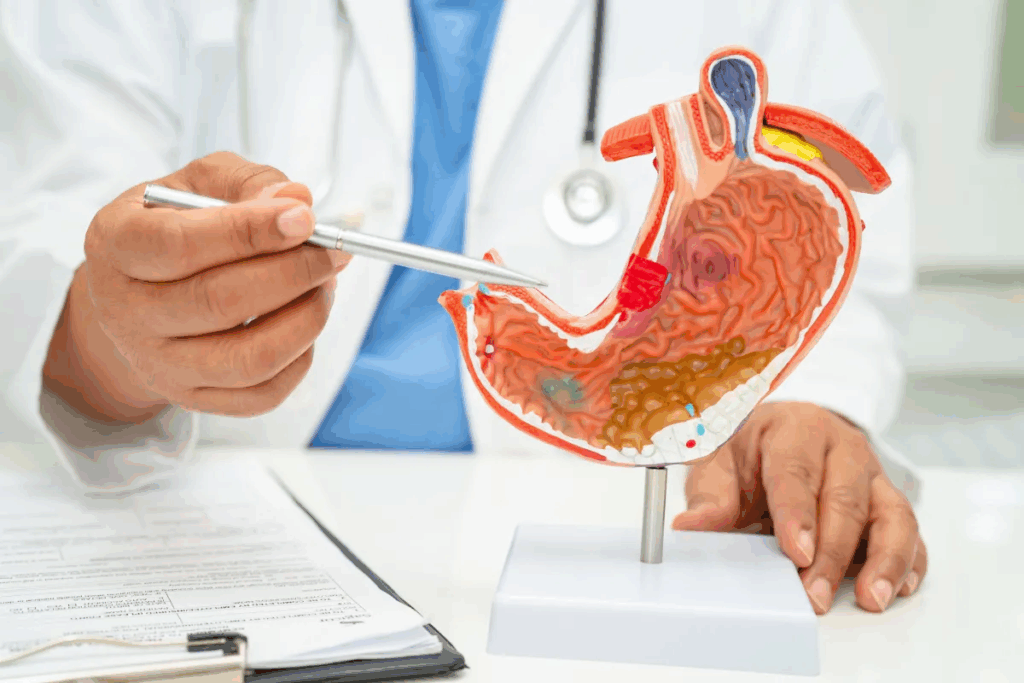
For those thinking about bariatric surgery, knowing the differences between gastric bypass and sleeve gastrectomy is key. Both methods are popular for helping people lose a lot of weight and get healthier. But they work in different ways.
Gastric bypass, or Roux-en-Y gastric bypass, does two things: it limits how much you can eat and how much your body absorbs. On the other hand, sleeve gastrectomy cuts out a big part of your stomach, leaving a narrow tube. It only limits how much you can eat.
We’ll help you understand the main differences between these two bariatric surgeries. This will help you decide which path is right for your weight loss journey. Explaining the core procedural difference between gastric bypass and sleeve (VSG).
Key Takeaways
- Gastric bypass surgery involves both restriction and malabsorption.
- Sleeve gastrectomy is a purely restrictive procedure.
- Gastric bypass creates a small stomach pouch and reroutes the small intestine.
- Sleeve gastrectomy removes a significant portion of the stomach.
- Both procedures are effective for significant weight loss.
Understanding Bariatric Surgery Options

Bariatric surgery is a key solution for those with severe obesity. As obesity rates climb worldwide, more seek surgery for weight loss. We’ll look at why bariatric surgery is becoming more popular and what procedures are available.
The Growing Popularity of Weight Loss Surgery
In recent years, bariatric surgery has become widely accepted for obesity and health issues. Its growing popularity stems from its proven effectiveness. Many turn to weight loss surgery after trying diets and other methods fail.
The rise in obesity and the limits of traditional weight loss have boosted demand for bariatric surgery. This has made gastric bypass surgery and sleeve gastrectomy more common for severe obesity.
Overview of Available Bariatric Procedures
There are several bariatric surgery options, each with its own benefits and considerations. The two main procedures are gastric bypass surgery and sleeve gastrectomy. They both aim to reduce stomach size but differ in approach and results.
- Gastric Bypass Surgery: This creates a small stomach pouch and connects it to the small intestine. It’s known for effective weight loss and improving health conditions.
- Sleeve Gastrectomy: This removes a large stomach part, leaving a narrow “sleeve” stomach. It’s less invasive than gastric bypass and is gaining popularity for its simplicity and results.
Understanding these options is key for those considering weight loss surgery. By learning about each procedure, patients can make better choices for their treatment.
What Is the Difference Between Gastric Bypass and Sleeve?
[Add image here]
When you think about bariatric surgery, it’s key to know the difference between gastric bypass and sleeve gastrectomy. Both help with weight loss but work in different ways. They have different benefits and risks.
Basic Structural Differences
Gastric bypass surgery, also known as Roux-en-Y gastric bypass, makes a small stomach pouch. It also reroutes the intestine. This method has two parts: it limits how much food you can eat and how much nutrients your body absorbs.
Sleeve gastrectomy, on the other hand, removes a big part of your stomach. This leaves a narrow “sleeve” or tube-like stomach. It mainly limits food intake by making your stomach smaller.
Fundamental Mechanisms of Action
The gastric bypass limits food intake and reduces nutrient absorption. The small stomach pouch limits how much you can eat. The intestine rerouting part reduces nutrient absorption.
Sleeve gastrectomy mainly limits food intake by making your stomach smaller. It also has some hormonal effects. Removing part of your stomach changes how your body makes hunger and fullness hormones.
Key differences in mechanisms:
- Gastric bypass is both restrictive and malabsorptive.
- Sleeve gastrectomy is mainly restrictive with some hormonal effects.
Restrictive vs. Malabsorptive Approaches
Understanding the difference between restrictive and malabsorptive procedures is important. Restrictive procedures, like sleeve gastrectomy, limit food intake by making your stomach smaller. Malabsorptive procedures, or a mix of both like gastric bypass, limit food intake and reduce nutrient absorption.
The choice between these procedures depends on various factors, including the patient’s health status, weight loss goals, and possible risks.
Gastric Bypass Surgery Explained
For many, gastric bypass surgery is a game-changer. It’s a well-known surgery for weight loss. It makes a small stomach pouch and changes the small intestine to limit how much food is absorbed.
The Roux-en-Y Procedure Step by Step
The Roux-en-Y gastric bypass is done in several steps:
- Creation of a Small Stomach Pouch: The surgeon makes a small pouch at the top of the stomach.
- Division of the Small Intestine: The small intestine is split into two parts.
- Rerouting the Intestine: The lower part of the intestine is connected to the new stomach pouch.
This surgery needs a lot of skill and precision.
How Gastric Bypass Restricts Food Intake
Gastric bypass limits food intake in two ways:
- Reduced Stomach Size: The small pouch limits how much food you can eat at once.
- Altered Digestive Path: Changing the intestine’s path means fewer calories are absorbed.
The Malabsorptive Component and Nutrient Absorption
The malabsorptive part of gastric bypass surgery bypasses part of the small intestine. This reduces nutrient absorption. It’s key for weight loss but means watching nutrient levels after surgery.
| Aspect | Description | Importance |
|---|---|---|
| Reduced Stomach Size | Limits food intake | High |
| Altered Digestive Path | Reduces calorie absorption | High |
| Nutrient Monitoring | Essential for preventing deficiencies | High |
This surgery can greatly improve a patient’s life, needing a detailed care plan before and after.
Sleeve Gastrectomy Procedure in Detail
Learning about sleeve gastrectomy is key for those thinking about bariatric surgery. We’ll explain the procedure, how it affects food intake, and the hormonal changes that follow.
Creating the Sleeve-Shaped Stomach
Sleeve gastrectomy removes about 80 to 85 percent of the stomach. This leaves a narrow, sleeve-shaped stomach. The surgery is done through small incisions in the abdomen.
The surgery is done under general anesthesia. This keeps the patient comfortable. By making the stomach smaller, less food can be eaten at once.
How Sleeve Gastrectomy Restricts Food Intake
The main way sleeve gastrectomy helps with weight loss is by limiting food intake. With a smaller stomach, patients feel full sooner. This makes it harder to overeat.
Also, the smaller stomach means less ghrelin, the hunger hormone. With less ghrelin, patients feel less hungry. This helps them lose weight.
Hormonal Changes After Sleeve Surgery
One big plus of sleeve gastrectomy is the hormonal changes it causes. The smaller stomach limits food intake and changes hormone levels. The drop in ghrelin means less hunger.
These hormonal shifts are key to the surgery’s success. They help with weight loss and better metabolic health. Understanding these changes helps patients see the full benefits of sleeve gastrectomy.
Comparing Surgical Complexity and Recovery
Surgical complexity and recovery time are key factors that differentiate gastric bypass from sleeve gastrectomy. Understanding these differences is vital for patients to make informed decisions about their bariatric surgery options.
Gastric Bypass: Surgical Considerations
Gastric bypass surgery, also known as Roux-en-Y gastric bypass, is considered more complex. It involves a detailed surgical technique and significant anatomical rearrangement. This complexity can lead to a longer operation time and potentially more risks during and after surgery. The procedure creates a small stomach pouch and reroutes the intestines, requiring precise surgical skills.
The malabsorptive component of gastric bypass adds complexity. It restricts food intake and alters nutrient absorption. This dual mechanism can lead to significant weight loss but also requires careful post-operative monitoring to prevent nutritional deficiencies.
Sleeve Gastrectomy: Surgical Considerations
Sleeve gastrectomy is generally considered less complex compared to gastric bypass. It involves removing a significant portion of the stomach, leaving a sleeve-shaped stomach. This simplicity, combined with less alteration of the digestive tract, results in fewer complications related to malabsorption.
Despite this, sleeve gastrectomy is not without its risks. The staple line created during the surgery can be a source of complications, such as leaks or bleeding. Yet, the overall surgical risk profile is often considered more favorable compared to gastric bypass.
Hospital Stay and Recovery Timeline Differences
The hospital stay and recovery timeline for gastric bypass and sleeve gastrectomy can vary significantly. Patients undergoing gastric bypass may require a longer hospital stay due to the complexity of the procedure and the risk of more post-operative complications. Typically, the hospital stay for gastric bypass ranges from 2 to 4 days.
In contrast, sleeve gastrectomy often allows for a shorter hospital stay, typically ranging from 1 to 3 days. This is due to its relatively less invasive nature and fewer immediate post-operative complications. The recovery time at home also tends to be shorter for sleeve gastrectomy, with most patients returning to normal activities within 2 to 4 weeks, compared to 3 to 6 weeks for gastric bypass.
Understanding these differences in surgical complexity and recovery timelines is essential for patients to prepare for their post-operative journey. It helps them make the most informed decision regarding their bariatric surgery options.
Weight Loss Outcomes and Effectiveness
When thinking about bariatric surgery, knowing about weight loss results is key. Gastric bypass and sleeve gastrectomy are both good for losing weight. But, how much weight you lose can depend on many things.
60-80% Expected Weight Loss with Gastric Bypass
Gastric bypass surgery often leads to big weight loss at first. People usually lose 60 to 80 percent of their extra weight. This is because the surgery limits how much you can eat and also affects how your body absorbs nutrients.
50-70% Expected Weight Loss with Sleeve Gastrectomy
Sleeve gastrectomy also helps with weight loss, but not as much as gastric bypass. People usually lose 50 to 70 percent of their extra weight. This is mainly because the surgery limits your stomach size and changes your hunger hormones.
A study in a well-known medical journal found something interesting. “The average weight loss after gastric bypass surgery is significantly higher than after sleeve gastrectomy in the short term.”
“Gastric bypass patients lost an average of 70% of their excess weight, compared to 55% for sleeve gastrectomy patients.”
Comparing Short-Term vs. Long-Term Results
Both surgeries work well for losing weight in the short term. But, how well they keep the weight off over time can differ. Gastric bypass often keeps more weight off, but both surgeries can help with long-term weight loss if you stick to a healthy diet and lifestyle.
Weight Regain Considerations
Weight regain is a worry for people who have these surgeries. It can happen if you don’t follow your diet, don’t exercise, or if your body changes in ways that make you hungrier. It’s important to follow the advice given after surgery to avoid gaining back weight.
We stress that “long-term success depends not only on the surgery itself but also on the patient’s commitment to lifestyle changes.” Eating well and exercising regularly can help you keep losing weight and keep it off.
Post-Operative Lifestyle Changes
After bariatric surgery, making lifestyle changes is key to a healthier life. Patients must adjust to new diets, vitamin needs, and exercise plans. These changes help with weight loss and better health.
Dietary Requirements After Gastric Bypass
Patients after gastric bypass need a strict diet. This includes:
- Eating smaller, more frequent meals to avoid discomfort and nutritional deficiencies
- Avoiding high-calorie, high-sugar, and high-fat foods that can cause dumping syndrome
- Focusing on protein-rich foods to maintain muscle mass and overall health
- Staying hydrated by drinking plenty of water throughout the day
Dietary Requirements After Sleeve Gastrectomy
After sleeve gastrectomy, patients must follow a specific diet:
- Consuming smaller portions to accommodate the reduced stomach size
- Eating nutrient-dense foods to maximize nutritional intake
- Avoiding foods that are difficult to digest or cause discomfort
- Drinking fluids between meals to prevent dehydration
Vitamin and Mineral Supplementation Differences
Both gastric bypass and sleeve gastrectomy patients need vitamins and minerals. But, the needs can differ:
- Gastric bypass patients may need more iron, vitamin B12, and calcium
- Sleeve gastrectomy patients may need less supplementation, but it varies
Regular blood tests and doctor visits are key to check and adjust supplements.
Exercise and Physical Activity Recommendations
Exercise is important for bariatric surgery patients. We suggest:
- Starting with gentle exercises like walking or swimming early on
- Increasing exercise intensity and duration as recovery allows
- Adding strength training to build muscle and boost metabolism
- Trying to do at least 150 minutes of moderate exercise weekly
By adopting these lifestyle changes, patients can lose weight and improve their health. It’s important to work with healthcare providers to create a personalized plan for success.
Potential Complications and Risks
Thinking about bariatric surgery? It’s important to know the possible complications. Both gastric bypass and sleeve gastrectomy have their own risks and issues.
Common Complications with Gastric Bypass
Gastric bypass surgery has its own set of risks. Some common problems include:
- Internal hernias
- Nutritional deficiencies
- Gallstones
- Leakage at the staple lines
These issues can be managed with good care after surgery.
Common Complications with Sleeve Gastrectomy
Sleeve gastrectomy also has risks. Some include:
- Leakage from the staple line
- Narrowing of the stomach sleeve (stricture)
- Gastroesophageal reflux disease (GERD)
- Nutritional deficiencies
Knowing these risks helps in managing them.
Long-Term Health Concerns for Each Procedure
Long-term health issues differ between gastric bypass and sleeve gastrectomy. Gastric bypass can lead to vitamin and mineral deficiencies. Sleeve gastrectomy may cause weight regain and GERD.
| Complication | Gastric Bypass | Sleeve Gastrectomy |
|---|---|---|
| Nutritional Deficiencies | High Risk | Moderate Risk |
| Gastroesophageal Reflux Disease (GERD) | Low Risk | Moderate to High Risk |
| Weight Regain | Moderate Risk | Moderate to High Risk |
Reversibility and Revision Options
Gastric bypass can often be reversed, but it’s a complex process. Sleeve gastrectomy is usually not reversible. Both procedures have revision options for complications or if weight loss is not enough.
Impact on Comorbidities and Health Improvements
Weight loss surgeries, like gastric bypass and sleeve gastrectomy, bring more than just weight loss. They greatly improve health and quality of life. These surgeries help manage many health problems linked to obesity.
Diabetes Resolution Rates
Bariatric surgery is a game-changer for type 2 diabetes. Both gastric bypass and sleeve gastrectomy can make diabetes go away. Gastric bypass surgery can make diabetes disappear in 70% to 90% of cases. This makes it a top choice for obese patients with diabetes.
“Bariatric surgery is a powerful tool in managing type 2 diabetes,” say recent guidelines. It improves blood sugar control even before weight loss starts. This shows the surgery’s deep impact on metabolism.
Effects on Hypertension and Heart Disease
Bariatric surgery also helps with high blood pressure and heart disease. It leads to weight loss and better metabolic health. Studies show gastric bypass can greatly reduce or even eliminate high blood pressure in many patients.
These surgeries lower heart disease risk in many ways. They improve blood pressure, lipid levels, and inflammation. All these factors help protect the heart.
Improvements in Sleep Apnea and Joint Pain
Sleep apnea, linked to obesity, gets better with bariatric surgery. Weight loss reduces fat around the airway, improving breathing. Both gastric bypass and sleeve gastrectomy can greatly improve or even cure sleep apnea in most patients.
Joint pain also gets better with weight loss from surgery. Less weight means less pressure on joints, reducing pain and improving movement.
Psychological Benefits and Quality of Life
Bariatric surgery also boosts mental health and quality of life. Patients often feel happier, more confident, and mentally better. Significant weight loss and health improvements greatly enhance life quality. Patients can do things they couldn’t before.
Looking at the many benefits of gastric bypass and sleeve gastrectomy, it’s clear they offer more than weight loss. They lead to better health and well-being.
Conclusion: Making an Informed Decision
Choosing between gastric bypass and sleeve gastrectomy is a big decision. It depends on your health needs, weight loss goals, and lifestyle. Both procedures have their own benefits and drawbacks.
When deciding between gastric bypass and sleeve gastrectomy, consider a few things. Look at the surgery’s complexity, recovery time, weight loss, and possible complications. Gastric bypass creates a small stomach pouch and reroutes the intestine. Sleeve gastrectomy removes a big part of the stomach.
To make a good choice, talk to a healthcare professional. They can help pick the best option for you. Knowing the differences between these surgeries helps you on your weight loss journey and improves your health.
In the end, choosing between gastric bypass and sleeve gastrectomy needs careful thought. It’s important to discuss your options with a qualified healthcare provider.
FAQ
What is the main difference between gastric bypass and sleeve gastrectomy?
Gastric bypass makes your stomach smaller and changes how your body absorbs nutrients. Sleeve gastrectomy makes your stomach smaller but doesn’t change nutrient absorption.
How do gastric bypass and sleeve gastrectomy facilitate weight loss?
Gastric bypass limits how much you can eat and absorbs less nutrients. Sleeve gastrectomy limits food intake and changes hormones to help with weight loss.
What are the expected weight loss outcomes for gastric bypass and sleeve gastrectomy?
Gastric bypass can lead to losing 60-80% of excess weight. Sleeve gastrectomy can lead to losing 50-70% of excess weight. Both have varying long-term results.
What are the dietary requirements after gastric bypass and sleeve gastrectomy?
You’ll need to change your diet a lot after both surgeries. Gastric bypass patients might need to watch out for nutritional deficiencies more.
What are the possible complications and risks associated with gastric bypass and sleeve gastrectomy?
Both surgeries can lead to nutritional deficiencies. Gastric bypass patients are at higher risk. Both surgeries also carry risks of complications and long-term health issues.
How do gastric bypass and sleeve gastrectomy impact comorbidities and overall health?
Both surgeries can improve health issues like diabetes, high blood pressure, and joint pain. They also improve mental health, making life better.
Are gastric bypass and sleeve gastrectomy reversible?
Gastric bypass is harder to reverse than some other surgeries. Sleeve gastrectomy is not usually reversible but can be changed to another surgery if needed.
How do I choose between gastric bypass and sleeve gastrectomy?
Choosing depends on your health, how severe your obesity is, and what you prefer. It’s best to talk to a doctor to decide.
What lifestyle changes are necessary after undergoing gastric bypass or sleeve gastrectomy?
You’ll need to follow a strict diet and exercise regularly. You’ll also need to see your doctor often to check on your health.
What is the difference between gastric bypass and sleeve gastrectomy in terms of surgical complexity and recovery?
Gastric bypass is more complex and can have a longer recovery. Sleeve gastrectomy is often simpler and has a shorter recovery time.
References
National Center for Biotechnology Information. Gastric Bypass Versus Sleeve Gastrectomy: A Comparative Overview. Retrieved from https://pmc.ncbi.nlm.nih.gov/articles/PMC8495604/