
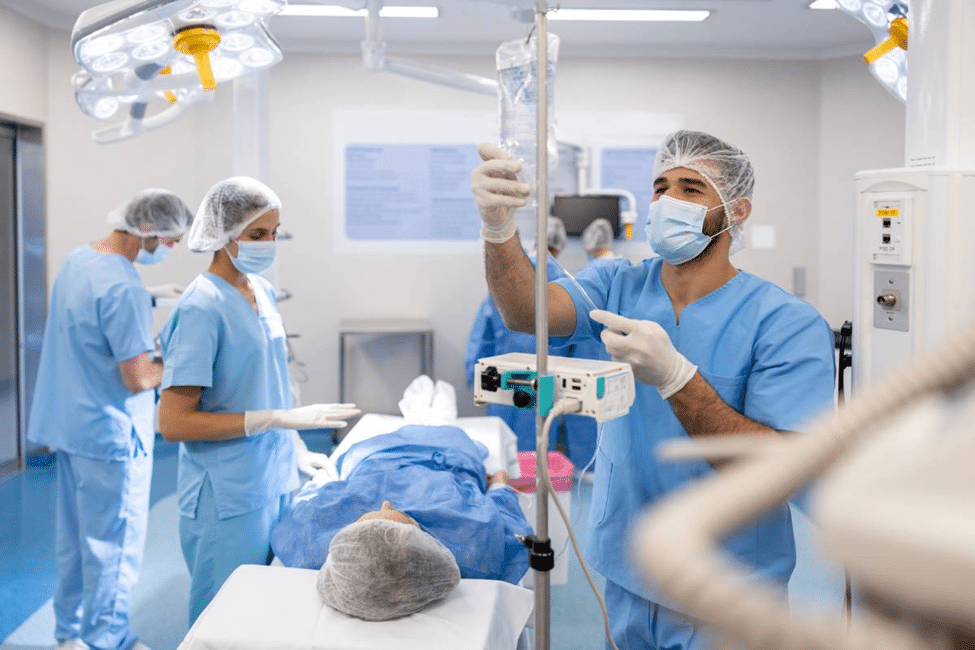
Nearly 300 million surgeries happen worldwide every year. The time before surgery (preoperative) is key for getting patients ready. The time during surgery (intraoperative) is vital for the surgery’s success. Learn what is the difference between preoperative and intraoperative. Understand the distinction between pre-surgery and during-surgery phases clearly.
Understanding surgical care can be tough. The time before surgery and the time during surgery are two important parts. They need careful attention to keep patients safe and ensure good results.
Looking at before surgery vs during surgery care shows the unique challenges of each part. These differences affect the quality of care for patients having surgery.
Key Takeaways
- Preoperative care is essential for preparing patients for surgery.
- Intraoperative care is critical for the success of the surgical procedure.
- Understanding the differences between these phases improves patient outcomes.
- Effective care during both phases requires a multidisciplinary approach.
- Patient safety is a top priority in both preoperative and intraoperative settings.
Understanding Surgical Phases: An Overview
Understanding the journey of a patient through surgery requires acknowledging its complexity, which is divided into three main phases: preoperative, intraoperative, and postoperative. Knowing these phases is key to providing top-notch care and keeping patients safe.
The Surgical Timeline
The surgical timeline outlines the entire process from the first decision to go under the knife to the recovery period. It covers:
- Preoperative phase: Getting ready for surgery
- Intraoperative phase: The actual surgery
- Postoperative phase: Healing after surgery
Importance of Distinct Surgical Phases
Each surgical phase has its own goals and needs. It’s vital to know the difference between these phases for:
- Good preparation before surgery
- Keeping patients safe during surgery
- Helping them recover well after
|
Phase |
Key Objectives |
Care Strategies |
|---|---|---|
|
Preoperative |
Patient evaluation, risk assessment |
Education, preparation, optimization of health |
|
Intraoperative |
Surgical procedure, patient safety |
Anesthesia management, surgical technique, monitoring |
|
Postoperative |
Recovery, pain management |
Monitoring, rehabilitation, follow-up care |
Patient Journey Through Surgical Phases
A patient’s journey through surgery is a continuous care process. Effective communication and comprehensive care planning are critical. They help ensure a smooth transition between phases and meet the patient’s needs at each stage.
Understanding the surgical timeline and the importance of each phase helps healthcare providers give better care. This leads to better patient outcomes and a better surgical experience overall.
Defining Preoperative Phase
The preoperative phase is a key part of the surgical journey. It includes all the steps and checks before surgery. This phase makes sure the patient is ready physically and mentally for the surgery.
Timeframe of Preoperative Period
The preoperative period starts when surgery is decided. It ends when the patient goes to the operating room. The length of this period depends on the surgery’s complexity, the patient’s health, and any extra tests needed.
Key Objectives of Preoperative Care
Our main goals in the preoperative phase are to improve the patient’s health and lower surgery risks. We also want to make sure the patient knows what to expect. We do medical checks, educate the patient, and plan for after the surgery.
Who Manages Preoperative Procedures
A team of experts manages preoperative care. This team includes surgeons, anesthesiologists, nurses, and more. They all work together to get the patient ready for surgery. Each team member is important for a complete preoperative care plan.
Preoperative Testing and Evaluation
Testing and evaluation are key in the preoperative phase. These steps help find any risks or health issues that could affect the surgery or recovery. Tests like blood work, imaging, and heart checks are common.
|
Test/Evaluation |
Purpose |
Benefit |
|---|---|---|
|
Blood Work |
Assess overall health and detect any abnormalities |
Helps in identifying any risks |
|
Imaging Studies |
Visualize internal structures relevant to the surgery |
Improves surgical planning |
|
Cardiac Evaluations |
Assess heart function and risk |
Reduces heart problems during surgery |
Defining Intraoperative Phase
The intraoperative phase is a key part of a surgical procedure. It needs careful attention and precise management. This phase shows the challenges and complexities the surgical team faces.
When Intraoperative Phase Begins and Ends
The intraoperative phase starts when the patient goes into the operating room. The surgical team then prepares for the surgery. It includes anesthesia, the surgery, and the first recovery from anesthesia.
This phase ends when the patient moves to the post-anesthesia care unit (PACU) or intensive care unit (ICU). There, they continue to recover and are closely watched.
Primary Goals of Intraoperative Care
The main goals in this phase are patient safety and effective pain management. The team uses advanced technologies and proven practices. They work together to reduce risks and improve results.
Key Personnel During Intraoperative Phase
A team of healthcare professionals works together in this phase. They include surgeons, anesthesiologists, surgical nurses, and technicians. Each one is important for the surgery’s success.
They all focus on the patient’s needs and handle any surgery challenges.
Operating Room Environment
The operating room is specially designed for surgery. It has advanced equipment and systems for monitoring and anesthesia. This setup helps make the surgery safe and successful.
Keeping the room clean and controlled is key. It helps prevent infections and keeps the patient safe.
The Difference Between Preoperative and Intraoperative Phases
Understanding the preoperative and intraoperative phases is key in surgical care. These phases have different goals, timelines, and settings. Each plays a vital role in patient care and the success of surgery.
Purpose and Function Comparison
The preoperative phase focuses on getting the patient ready for surgery. This includes checking the patient’s health, planning the surgery, and making arrangements. The intraoperative phase, on the other hand, is when the surgery happens.
Preoperative care includes checking the patient’s health and preparing them. Intraoperative care keeps the patient safe during surgery, manages anesthesia, and ensures the surgery goes well.
|
Aspect |
Preoperative Phase |
Intraoperative Phase |
|---|---|---|
|
Purpose |
Patient preparation and evaluation |
Surgical procedure and patient care during surgery |
|
Key Activities |
Assessment, planning, patient education |
Surgery, anesthesia management, monitoring |
|
Primary Focus |
Optimizing patient condition, logistical preparation |
Patient safety, surgical success |
Timeline Distinctions
The preoperative phase starts when surgery is decided and ends when the patient goes to the operating room. The intraoperative phase begins in the operating room and ends when the patient goes to the recovery room.
The length of each phase varies based on the surgery’s complexity and the patient’s health. Knowing these timelines is important for planning and managing patient care.
Environment and Setting Differences
Preoperative care happens in clinics, hospital rooms, or preoperative areas. These places are less intense. Intraoperative care takes place in the operating room, a specialized, sterile area with advanced technology.
Patient Consciousness and Awareness
Patients are awake during the preoperative phase and may talk about their care and surgery. In the intraoperative phase, patients are under anesthesia and not awake.
Healthcare providers need to understand these differences to give the right care and support to patients during their surgery.
Patient Assessment: Preop vs. Intraop
Assessing patients is key in both preoperative and intraoperative phases. Each phase has its own way of doing things. Knowing these differences helps ensure the best care for patients.
Preoperative Patient Evaluation Methods
Before surgery, we check the patient’s medical history and current health. We also look at the risks of the surgery. We use many methods, like reviewing medical history and doing physical exams and tests.
Preoperative evaluation helps us plan the anesthesia and prepare the patient. It also helps us see if the patient needs special care during surgery.
Intraoperative Monitoring Techniques
During surgery, we use advanced tools to watch the patient’s vital signs. These tools include ECG, pulse oximetry, and more. They help us see how the patient is doing during the surgery.
Intraoperative monitoring lets us act fast if the patient’s condition changes. This keeps the patient safe and helps the surgery go well.
How Assessment Goals Differ
The main goal of preoperative assessment is to get the patient ready for surgery. It’s about finding and fixing risks. Intraoperative monitoring, on the other hand, focuses on keeping the patient safe during the surgery.
Preoperative evaluation is about planning and getting ready. Intraoperative monitoring is about watching the patient closely and responding quickly.
Critical Assessment Parameters
Both phases look at important things like heart health, breathing, and brain function. But, how we check these things is different.
In preoperative checks, we look at the patient’s starting point and risks. During surgery, we watch these closely to keep the patient safe.
Healthcare Professionals: Roles and Responsibilities
The success of surgeries depends on teamwork. In the preoperative and intraoperative phases, different teams work together. They make sure patients get the best care.
Preoperative Team Members
The preoperative team gets patients ready for surgery. This team includes surgeons, anesthesiologists, nurses, and support staff. They check the patient’s health, do tests, and teach about the surgery.
Intraoperative Surgical Team
In the surgery phase, the team is led by the surgeon. It also has anesthesiologists, surgical nurses, and technologists. Their job is to make sure the surgery goes smoothly and the patient is safe.
Overlapping Personnel Between Phases
There’s some overlap in teams between phases. For example, anesthesiologists are key in both getting patients ready and during surgery. Surgical nurses also work in both phases, helping with patient care.
Specialized Roles in Complex Surgeries
For complex surgeries, special experts are needed. These include perfusionists, surgical assistants, and pain management specialists. Their skills are vital for managing complex surgeries and getting the best results for patients.
Understanding the roles of healthcare professionals in surgery shows the teamwork needed. It highlights the complexity and coordination required for excellent surgical care.
Medical Documentation Differences
Medical documentation is key to keeping patients safe and care consistent across surgery phases. The types and details of this documentation change a lot between the preoperative and intraoperative periods.
Preoperative Documentation Requirements
In the preoperative phase, the focus is on checking the patient’s health, medical history, and getting ready for surgery. This includes:
- Patient medical history and current health status
- Preoperative diagnoses and planned surgical procedures
- Results of preoperative tests and evaluations
- Informed consent documentation
Accurate preoperative documentation is key to spotting risks and making the right surgical plans.
Intraoperative Records and Charting
Intraoperative documentation, by contrast, records the surgery and patient care during it. Key parts are:
- Anesthesia records and vital signs monitoring
- Surgical procedure details, including techniques and findings
- Any complications or unexpected events during surgery
- Medications administered during the procedure
Intraoperative records are vital for postoperative care and keeping patient management continuous.
Legal and Clinical Importance of Documentation
Both preoperative and intraoperative documentation are very important legally and clinically. They guide care and serve as a legal record of the surgery. A medical expert says, “Detailed documentation is the core of quality care and legal defense for healthcare providers.”
“The quality of documentation directly impacts patient outcomes and the ability to defend against possible lawsuits.”
Electronic vs. Paper Documentation
The way we document is changing, with electronic health records (EHRs) becoming more common. EHRs have benefits like better access, less storage, and better security. But, they need strong systems and training for effective use.
We’re moving towards a more digital and integrated documentation system. This will likely make the process smoother and improve care quality.
Anesthesia Considerations: Before and During Surgery
Anesthesia is about many things, from checking the patient before surgery to managing them during it. It’s key to keeping patients comfortable and safe during surgery.
Preoperative Anesthesia Evaluation
The first step is the preoperative evaluation. We thoroughly check the patient’s medical history, current health, and past anesthesia experiences.
- Review of medical history and current medications
- Assessment of airway and possible issues
- Evaluation of heart and lung function
Intraoperative Anesthesia Management
During surgery, intraoperative anesthesia management keeps the patient’s anesthesia right, manages pain, and watches vital signs. We use top-notch monitoring tools to keep an eye on the patient’s status.
“The key to successful anesthesia management is the ability to adapt to changing circumstances during surgery.”
Types of Anesthesia and Their Applications
There are many types of anesthesia, each for different surgeries and patients. The right choice depends on the surgery, patient health, and more.
|
Type of Anesthesia |
Application |
Benefits |
|---|---|---|
|
General Anesthesia |
Major surgeries |
Induces complete unconsciousness |
|
Regional Anesthesia |
Lower limb surgeries, childbirth |
Numbs a specific region |
|
Local Anesthesia |
Minor procedures |
Numbs a small area |
Monitoring During Anesthesia
Keeping an eye on patients during anesthesia is critical for safety. We use advanced technology to watch vital signs, anesthesia levels, and more.
By managing anesthesia well before and during surgery, we make sure our patients have a safe and successful surgery.
Equipment and Technology Used
Advanced medical equipment and technology are key to successful surgeries. They are used from the start to the end of the procedure. Each step has its own needs, based on its goals and challenges.
Preoperative Diagnostic and Preparation Tools
In the preoperative phase, many tools are used to check the patient’s health and get them ready for surgery. MRI and CT scans give detailed views of the body and any surgery challenges. Lab tests also check the patient’s health and look for risks.
Tools for preparation are also important. They help make sure the patient is ready for surgery. Telemedicine platforms are used for consultations, cutting down on hospital visits and making the process smoother.
Intraoperative Surgical Equipment
The intraoperative phase needs different equipment, focused on the surgery itself. Surgical instruments, electrosurgical units, and anesthesia machines are key. They help with precision, safety, and success during surgery.
Intraoperative imaging technologies, like fluoroscopy and ultrasound, give feedback to the team. This helps make the surgery more accurate.
Technology Overlap Between Phases
Even though the phases have different needs, some tools are used in both. Patient monitoring systems track vital signs in both phases. This helps ensure a smooth transition from preparation to surgery.
Emerging Technologies in Surgical Care
The field of surgery is always changing, with new tech being developed. Robot-assisted surgery is one example, improving precision and reducing invasiveness. Other new tech includes 3D printing for surgical planning and virtual reality for training. These could change how we deliver surgical care.
As we add these new technologies, patient care and outcomes will likely get better.
Risk Management Approaches
Effective risk management is key in both preoperative and intraoperative phases to keep patients safe. Surgical teams must stay alert and act fast to spot and reduce risks. This helps avoid complications.
Preoperative Risk Assessment and Mitigation
Before surgery, we check the patient’s health history and current status. We look for risks linked to the surgery. This helps us create a plan to lower these risks.
- Reviewing medical history and current medications
- Conducting necessary diagnostic tests
- Assessing the patient’s physical and mental readiness for surgery
By spotting risks early, we can take steps to lessen them. This might mean improving the patient’s health before surgery.
Intraoperative Complication Management
During surgery, we focus on handling any problems that come up. This includes:
- Monitoring the patient’s vital signs and anesthesia levels
- Being ready to tackle any surgical or anesthetic issues
- Keeping clear communication among the surgical team
Handling complications well needs a team working together and following set rules.
Continuity in Risk Management
Risk management doesn’t stop after surgery; it goes from before, during, and after. It’s important to keep risk management plans the same and share them well among all care teams.
|
Phase |
Risk Management Strategies |
|---|---|
|
Preoperative |
Patient assessment, risk mitigation planning |
|
Intraoperative |
Monitoring, complication management |
|
Postoperative |
Recovery care, complication surveillance |
Safety Protocols and Checklists
Safety protocols and checklists are key in managing risks during surgery. They make sure we follow the right steps to avoid mistakes and problems. Examples include:
- Surgical time-outs to check patient identity and procedure
- Checklists for verifying equipment and supplies
- Protocols for managing emergencies like cardiac arrest
Using these strategies, healthcare providers can greatly improve patient safety and results.
Communication Protocols
Clear communication is key for patient safety and teamwork in surgery. It connects different parts of the surgery, keeping care continuous.
Preoperative Team Communication
In the preoperative phase, team communication is vital. They discuss the patient’s history, the surgery plan, and any special needs.
Standard tools like checklists and timeouts help everyone stay informed.
Intraoperative Communication Methods
In the surgery itself, clear talk is essential. The team uses simple, direct language.
They use closed-loop communication to avoid mistakes.
Handoff Procedures Between Phases
Handoffs are important when moving from preoperative to intraoperative. A detailed report is given from the preoperative to the intraoperative team.
A set handoff protocol shares key patient and procedure information.
Communication with Patient Families
Talking to patient families is also key. We keep them updated on the surgery’s progress.
Clear, caring communication reduces anxiety and builds trust.
To show the similarities and differences in communication between phases, we’ve made a table:
|
Aspect |
Preoperative Phase |
Intraoperative Phase |
|---|---|---|
|
Primary Focus |
Planning and Preparation |
Execution of Surgery |
|
Communication Tools |
Checklists, Timeouts |
Closed-loop Communication |
|
Team Involvement |
Surgical Team, Anesthesiologists |
Surgical Team, Anesthesiologists, Nurses |
|
Information Shared |
Patient History, Surgical Plan |
Intraoperative Events, Complications |
Patient and Family Experience
Understanding the patient and family experience during surgery is vital for delivering compassionate care. The journey through the preoperative and intraoperative phases can be complex and emotionally challenging.
Preoperative Patient Preparation and Education
Effective preoperative preparation is key to reducing patient anxiety and improving outcomes. We make sure patients know what to expect before, during, and after surgery. This knowledge helps manage expectations and reduce fear.
Key components of preoperative preparation include:
- Clear explanations of the surgical process
- Discussion of possible risks and benefits
- Instructions on preoperative care, such as fasting requirements
- Information on postoperative pain management and recovery expectations
Intraoperative Family Updates
While the patient is undergoing surgery, keeping the family informed is critical. We provide regular updates on the surgery’s progress. This ensures the family knows about any significant developments.
“The family is an integral part of the care team, and keeping them informed is essential for their peace of mind.”
Managing Expectations Across Phases
Managing patient and family expectations is vital throughout the surgical process. We aim to align expectations with the realities of the surgical journey. This involves continuous communication and education.
Psychological Support During Surgical Process
Psychological support is a cornerstone of our care, from the preoperative phase to recovery. We understand the emotional toll of the surgical journey. We are committed to providing support that addresses the psychological needs of our patients and their families.
Support mechanisms include:
- Counseling services for patients and families
- Emotional support from our healthcare team
- Resources for managing stress and anxiety
By focusing on the patient and family experience, we aim to make the surgical journey as smooth and stress-free as possible. Our commitment to compassionate care goes beyond the surgical procedure itself. It includes the entire continuum of care.
Specialized Procedures: Preop vs. Intraop Differences
Different surgeries like heart, brain, and bone operations need special care before and during the surgery. These steps are key to keeping patients safe and helping them heal well. We’ll look at what each surgery type needs before and during the operation.
Cardiac Surgery Considerations
Heart surgery is very detailed and needs careful planning and care during the surgery. Preoperative evaluation checks the heart’s health and reviews tests. During the surgery, heart doctors use cardiopulmonary bypass to keep blood flowing. They also use tools like transesophageal echocardiography (TEE) to watch the heart.
Neurological Surgery Protocols
Brain surgery needs precise steps before and during the surgery. Before, doctors do detailed brain checks and scans. During the surgery, brain surgeons use electrophysiological monitoring to protect brain function. They also use special tools like surgical microscopes and neuronavigation systems.
Orthopedic Surgery Specifics
Bone surgery needs careful planning and execution. Before, doctors check the bones and plan the surgery. During, bone surgeons use fluoroscopy to place implants correctly. They also use minimally invasive techniques more often.
Emergency Surgery Adaptations
Emergency surgeries are urgent and need quick planning and action. The prep is fast, focusing on getting the patient ready for surgery. During, doctors must be ready for surprises and work well together.
In conclusion, each surgery type has its own needs before and during the surgery. Knowing these differences helps us give the best care and results. By focusing on each surgery’s needs, we make sure patients get the best care from start to finish.
Modern Advancements Affecting Surgical Phases
Modern advancements are changing how we manage surgical phases. They improve patient care and outcomes. These changes affect everything from preparation before surgery to recovery after.
Technological Innovations
Technological innovations lead the way in surgery. We see better imaging, robotic surgery, and advanced monitoring. These tools make surgery more precise, reduce recovery times, and boost patient results.
Minimally Invasive Approaches
Minimally invasive surgery is a big leap forward. It causes less damage, less pain, and faster recovery. Now, it’s used in many surgeries, like in the stomach, gynecology, and bones.
Enhanced Recovery After Surgery (ERAS) Protocols
ERAS protocols are based on solid evidence. They aim to improve care from start to finish. They focus on reducing stress, managing pain well, and speeding up recovery. They include pre-op talks, better nutrition, and specific pain and anesthesia plans.
Telemedicine in Preoperative Care
Telemedicine is becoming key in pre-op care. It makes it easier for patients to get help without going to the hospital. It’s all about making things more convenient and saving money.
|
Advancement |
Description |
Benefits |
|---|---|---|
|
Technological Innovations |
Improved imaging, robotic surgery, advanced monitoring |
Enhanced precision, reduced recovery time |
|
Minimally Invasive Approaches |
Smaller incisions, less tissue damage |
Less postoperative pain, quicker recovery |
|
ERAS Protocols |
Standardized care pathways |
Reduced surgical stress, improved pain management |
|
Telemedicine |
Remote consultations and assessments |
Improved access, reduced costs |
These advancements are making surgery better for patients. They improve results and make care smoother. As technology keeps growing, we’ll see even more changes in surgery.
Conclusion
It’s key to know the difference between preoperative and intraoperative care for top-notch patient care. We’ve looked at the various stages of surgical care. We’ve seen how each stage has its own goals, team, and setting.
Preoperative care is the first step towards a successful surgery. Intraoperative care keeps the patient safe and comfortable during the surgery. Knowing these differences helps healthcare teams give better, more tailored care.
As medical tech and methods get better, understanding both preoperative and intraoperative care is more important than ever. This ensures patients get all-around, caring care from start to finish of their surgery.
FAQ
What is the main difference between preoperative and intraoperative care?
Preoperative care is about getting ready for surgery. It includes checking the patient’s health before the operation. Intraoperative care is about managing the patient during surgery.
What are the key objectives of preoperative care?
The main goals of preoperative care are to check the patient’s health and get them ready for surgery. This helps ensure the patient is in the best shape possible for the operation.
Who is involved in the preoperative phase?
Many people help get a patient ready for surgery. This team includes surgeons, anesthesiologists, nurses, and more. They all work together to prepare the patient.
What happens during the intraoperative phase?
During surgery, the team watches over the patient closely. They check vital signs and handle any problems that come up.
How does patient assessment differ between preoperative and intraoperative phases?
Before surgery, the focus is on the patient’s overall health. During surgery, the team watches the patient’s vital signs and reacts to any changes.
What are the primary goals of intraoperative care?
The main goals of intraoperative care are to keep the patient safe and comfortable. It also aims for a successful surgery.
How do healthcare professionals communicate during the preoperative and intraoperative phases?
Good communication is key in both phases. It involves clear handoffs, accurate notes, and updates. This ensures the patient gets the best care.
What is the significance of anesthesia considerations before and during surgery?
Anesthesia is vital for the patient’s comfort and safety. It involves careful planning and monitoring during surgery.
How have modern advancements impacted surgical phases?
New technologies and methods have greatly improved surgery. They reduce risks and make recovery faster and easier for patients.
What is the role of risk management during preoperative and intraoperative phases?
Risk management is about spotting and preventing problems. It involves planning and quick action to handle any issues that come up.
How do specialized procedures affect preoperative and intraoperative care?
Special surgeries need special care. This includes unique plans and steps for both before and during the surgery to ensure the best results.
References
World Health Organization. Evidence-Based Medical Insight. Retrieved from https://www.who.int/publications/i/item/9789241598552