
Good oral health is more than just regular check-ups. Digital X-rays are key in finding oral diseases that can’t be seen during routine exams.
The American Dental Association (ADA) sets guidelines for when to get X-rays. They focus on each patient’s unique needs and risk. Adults with no oral health issues usually need X-rays every two to three years, as the ADA and FDA suggest.
Knowing these guidelines helps you make smart choices about your oral health. By following the ADA’s advice, we can avoid too many X-rays and keep our teeth and gums healthy.
Key Takeaways
- The ADA provides guidelines for the frequency of digital X-rays based on individual patient needs.
- Adults with no oral health issues typically require X-rays every two to three years.
- Digital X-rays are essential for detecting oral diseases not visible during regular check-ups.
- Following ADA guidelines helps minimize unnecessary X-ray exposure.
- Informed decisions about oral healthcare can be made by understanding ADA recommendations.
The Role of Dental X-Rays in Preventive Oral Healthcare
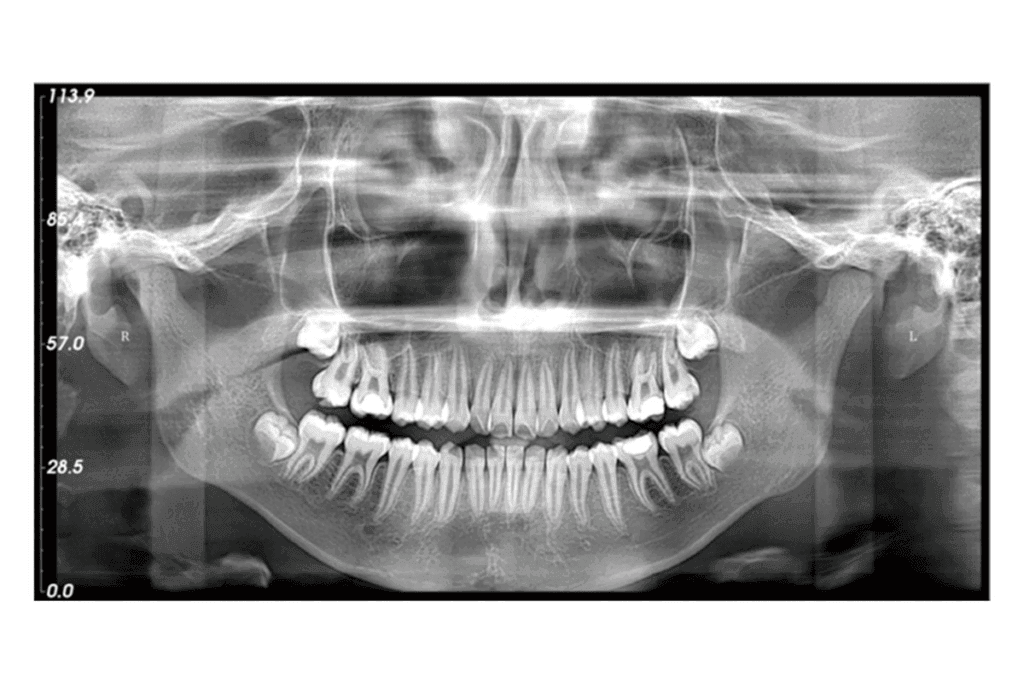
Dental X-rays are key in keeping teeth healthy. They show problems that can’t be seen with the eye. This lets us fix issues before they get worse.
Detecting Problems Invisible to the Naked Eye
Digital dental X-rays find hidden issues. They spot cavities, bone loss, and infections that can’t be seen. This early detection helps us treat problems before they get serious.
These X-rays give us clear images of teeth and gums. This helps us find even small problems. It’s like having a detailed map of your mouth’s health.
Early Intervention and Treatment Planning
Early detection means we can plan better treatments. For example, catching a cavity early means a simple filling, not a big operation. X-rays also track periodontal disease, helping us stop bone and tooth loss.
Using digital X-rays helps us make treatments fit each patient’s needs. This makes care more effective and reduces risks. It’s all about giving patients the best care possible.
In short, digital dental X-rays are essential for keeping teeth healthy. They help us find and fix problems early. By following ADA guidelines, we ensure our patients get the best care while keeping radiation low.
What Are Digital Dental X-Rays and How They Work
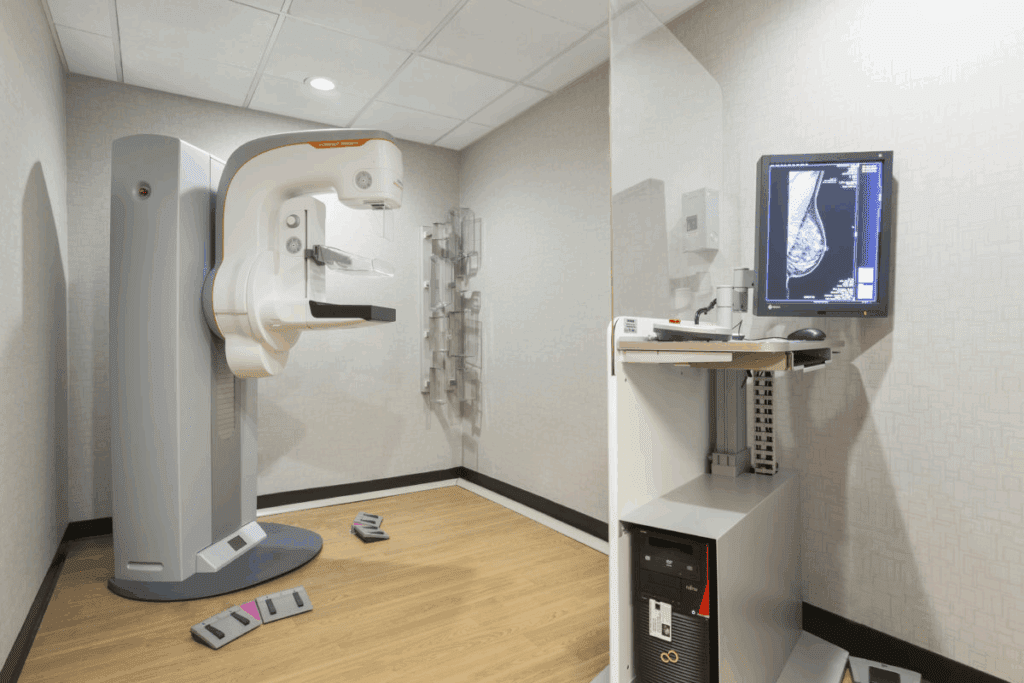
Digital dental X-rays are key in today’s dentistry. They cut down on radiation and give quick results. We use them to see teeth and the areas around them clearly, helping us make accurate diagnoses and plans.
The Technology Behind Digital Radiography
Digital radiography uses a digital sensor instead of film. This method has big benefits like less radiation, immediate image view, and better image quality. The sensor captures the X-ray image and sends it to a computer for processing.
The process starts with a digital sensor in the mouth, linked to a computer. When an X-ray is taken, the sensor captures and sends the image to the computer. This lets us see and analyze it right away. It’s made dental diagnoses more efficient and accurate.
Common Types of Dental X-Rays
Digital radiography includes several types of dental X-rays, each with its own purpose:
- Bitewing X-rays: Detect decay between teeth and check bone height between them.
- Periapical X-rays: Show the whole tooth, from crown to root, to find root or bone problems.
- Panoramic X-rays: Give a wide view of the upper and lower jaw, useful for dental structure and treatment planning.
- Cephalometric X-rays: Evaluate teeth, jaws, and facial structure, often for orthodontic planning.
These X-rays are vital for complete dental care. They help us diagnose and treat many dental issues well.
American Dental Association Guidelines for X-Ray Frequency
The American Dental Association sets clear guidelines for dental X-rays. They focus on using X-rays effectively while keeping patient radiation exposure low. This ensures dental X-rays are used wisely.
The ADA’s Evidence-Based Approach
The ADA’s guidelines are based on the latest scientific research. This means they are grounded in the best data. Dentists get a clear guide on when X-rays are needed.
The ADA looks at many clinical studies to make these guidelines. This helps find the safest and most effective ways to use dental X-rays.
FDA Collaboration on Radiation Safety Standards
The ADA works with the FDA to set radiation safety standards for dental X-rays. This partnership is key to keeping guidelines up-to-date and safe.
Together, the ADA and FDA have made big strides in radiation safety. They ensure dental X-rays meet both diagnostic needs and patient safety.
How Guidelines Have Evolved Over Time
The ADA’s X-ray guidelines have changed a lot over the years. These changes reflect new dental technology and better understanding of radiation safety. It shows the ADA’s commitment to top-notch patient care.
The ADA’s updates show their dedication to leading in dental care. As new evidence and technologies come along, the ADA updates its guidelines. This ensures patients get the safest and most effective care.
| Guideline Aspect | Description | Benefit |
|---|---|---|
| Evidence-Based | Developed from latest research | Ensures effective and safe practices |
| FDA Collaboration | Joint effort with FDA on safety standards | Enhances patient safety and diagnostic accuracy |
| Evolution Over Time | Updates reflect new technologies and evidence | Keeps guidelines current and relevant |
The ALARA Principle: Minimizing Radiation Exposure
Reducing radiation exposure while keeping diagnostic quality is key to the ALARA principle. This principle, short for “As Low As Reasonably Achievable,” is vital in dental X-rays. It ensures patients get the least radiation needed for accurate diagnoses.
What “As Low As Reasonably Achievable” Means
The ALARA principle is more than a rule; it’s a promise to keep patients safe. Dental experts must consider the benefits of X-rays against the risks of radiation. This rule is backed by the American Dental Association (ADA) and other dental groups globally.
“The use of digital radiography and adherence to the ALARA principle have significantly reduced radiation exposure in dental practices.” — ADA Guidelines
Practical Implementation in Dental Practices
Dental offices follow the ALARA principle in several ways:
- They use digital X-ray systems, which cut down radiation compared to film.
- They use thyroid collars and lead aprons to shield patients from radiation.
- They adjust X-ray settings based on the patient’s size and the X-ray type.
| Measure | Description | Benefit |
|---|---|---|
| Digital X-ray Systems | Replaces traditional film with digital technology | Reduces radiation exposure |
| Thyroid Collars and Lead Aprons | Protects sensitive areas from radiation | Enhances patient safety |
| Optimized Exposure Settings | Adjusts X-ray settings based on patient size and X-ray type | Minimizes unnecessary radiation |
Balancing Diagnostic Needs with Safety
It’s important to find a balance between getting the needed diagnostic info and keeping radiation low. Dental professionals do this by:
- Picking the right X-ray type for the task.
- Limiting X-rays to what’s needed for a good diagnosis.
- Using the fastest image receptors to cut down exposure time.
By sticking to the ALARA principle, dental offices can give top-notch care while keeping radiation low. This not only keeps patients safe but also helps in maintaining good oral health.
Recommended X-Ray Frequency for Healthy Adults
Healthy adults need dental X-rays at different times, based on their risk. The American Dental Association (ADA) has guidelines for this. These guidelines help figure out how often X-rays are needed.
The 2-3 Year Standard for Low-Risk Patients
Adults with low risk for dental problems should get a full mouth series of X-rays every 2-3 years. This helps catch any issues early. It also means less radiation for the patient.
Bitewing Frequency: Every 6-18 Months Based on Risk
Bitewing X-rays check the spaces between teeth for decay. Healthy adults might get these X-rays every 6 to 18 months. Those at higher risk for cavities or other dental problems might need them more often.
Full Mouth Series: When and Why They’re Needed
A full mouth series of X-rays shows the whole mouth. It’s good for new patients to see their oral health baseline. Healthy adults might need this every 2-3 years, or more often if their dentist suggests it.
| Risk Category | Bitewing X-ray Frequency | Full Mouth Series Frequency |
|---|---|---|
| Low Risk | Every 18-24 months | Every 2-3 years |
| Moderate Risk | Every 12-18 months | Every 2-3 years |
| High Risk | Every 6-12 months | As needed based on dentist’s recommendation |
Following ADA guidelines and your dentist’s advice is key. It ensures you get the right care without too much radiation.
X-Ray Schedules for Children and Adolescents
Knowing when to take dental X-rays for kids is key to keeping their teeth healthy. As kids grow, their dental needs change. This means they need X-rays at different times based on their age.
Guidelines for Primary Dentition (Ages 2-6)
For kids with baby teeth, from 2 to 6 years old, the ADA advises a careful use of X-rays. The main goal is to keep radiation low while checking their teeth. X-rays are usually only for kids with a high risk of cavities or other dental problems.
- X-rays are not needed for kids under 2 unless there’s a concern.
- For kids 2 to 6, X-rays depend on their risk factors.
Recommendations for Mixed Dentition (Ages 6-12)
When kids have both baby and permanent teeth, from 6 to 12 years old, their dental care changes. They need to be watched closely because of both types of teeth. The ADA says X-rays should be taken at times that balance getting needed info with avoiding too much radiation.
- Bitewing X-rays are often needed every 6 to 12 months to spot cavities between teeth.
- A full mouth series might be needed if there are big dental problems.
Protocols for Adolescents (Ages 12-18)
Teenagers, mostly with permanent teeth, follow adult X-ray rules but also think about their age. Regular X-rays help find issues like teeth that don’t come in right, orthodontic needs, and cavities early.
- Bitewing X-rays are usually needed every 6 to 18 months.
- Panoramic or full mouth X-rays might be suggested every 2 to 3 years or as needed based on risk factors.
Dentists follow these guidelines to make sure kids get the right dental care without too much X-ray radiation. It’s a careful plan that looks at the child’s age, dental growth, and risk of problems.
Risk Factors That Increase X-Ray Frequency Needs
Dental X-rays are not the same for everyone. Several key factors influence how often you need them. Knowing these helps dentists set the right X-ray schedule for you.
History of Extensive Decay or Dental Work
If you’ve had a lot of tooth decay or dental work, you might need X-rays more often. Your teeth are at a higher risk for more problems. Regular monitoring catches issues early, making treatment easier.
A study in the Journal of Dental Research showed people with dental caries are more likely to get new cavities.
“Regular radiographic examinations are key for those with dental caries to spot and treat new problems early.”Journal of Dental Research
| Risk Factor | Recommended X-Ray Frequency |
|---|---|
| History of Extensive Decay | Every 6-12 months |
| Significant Dental Work | Every 12-18 months |
Periodontal Disease and Bone Loss
Periodontal disease means you need more X-rays. It causes bone loss around your teeth, which X-rays can show. Monitoring bone loss is key to managing the disease.
Smoking and Tobacco Use
Smoking and tobacco use harm your oral health. They increase the risk of periodontal disease and oral cancer. So, people who smoke or use tobacco need more X-rays to keep an eye on their teeth and mouth.
- Increased risk of periodontal disease
- Higher likelihood of tooth decay
- Greater risk of oral cancer
Dry Mouth and Related Conditions
Dry mouth, or xerostomia, raises the risk of tooth decay and other problems. People with dry mouth might need more X-rays to watch their condition and avoid complications.
The American Dental Association says dry mouth can come from many medications and conditions. Early detection through X-rays helps manage dry mouth issues well.
Benefits of Digital Dental X-Rays vs. Traditional Film
Digital dental X-rays bring many benefits, making care better and work easier. It’s important for dentists and patients to know these advantages as dental tech improves.
Reduced Radiation Exposure by Up to 80%
Digital dental X-rays cut down radiation by up to 80%. This is because digital sensors need less X-ray energy to create clear images. This makes them safer for patients.
Let’s look at a comparison:
| X-Ray Type | Radiation Exposure |
|---|---|
| Traditional Film | 100% |
| Digital X-Rays | 20% |
Enhanced Image Quality and Diagnostic Accuracy
Digital X-rays provide enhanced image quality. This means clearer pictures that help dentists spot problems early. It can also mean fewer big treatments later.
Immediate Results and Easier Storage
Digital X-rays give immediate results. They don’t need chemical processing like film does. This makes diagnosis faster and makes patients happier.
Also, digital X-rays are simpler to keep and manage. They can be stored on computers, saving space and avoiding damage to films.
Environmental Benefits: No Chemical Processing
Switching to digital X-rays is good for the environment. Film X-rays need chemicals that can harm the planet. Digital X-rays avoid this, making dental care greener.
In short, digital dental X-rays are a big step forward. They offer less radiation, better images, and help the planet. This makes them a key part of modern dental care.
How Dentists Determine Your Individual X-Ray Schedule
Understanding your X-ray schedule is key. Dentists look at several factors to decide how often you need X-rays. This helps us give you the best dental care.
Comprehensive Initial Assessment
At your first visit, we do a detailed check of your mouth. We look at your teeth, gums, and overall health. We might take X-rays to see your oral health clearly.
This first check helps us find any problems. It also tells us how often you’ll need X-rays in the future.
The initial assessment includes:
- A review of your dental and medical history
- A visual examination of your mouth, teeth, and gums
- X-rays to identify issues not visible to the naked eye
Ongoing Risk Evaluation at Regular Checkups
At regular visits, we check your risk for oral health problems. This helps us change your X-ray schedule as needed. We look at changes in your health and new symptoms.
Here’s what we do during ongoing risk evaluation:
- Monitoring changes in your oral health
- Assessing your risk for conditions like tooth decay or gum disease
- Adjusting your X-ray schedule based on your current needs
Adjusting Frequency Based on Oral Health Changes
As your health changes, so does your X-ray schedule. If you’re at high risk, we might take more X-rays. If you’re at low risk, we might space them out more.
Here’s how changes in oral health affect X-ray frequency:
| Oral Health Status | X-Ray Frequency |
|---|---|
| Low Risk | Every 2-3 years |
| Moderate Risk | Every 1-2 years |
| High Risk | Every 6-12 months |
We tailor your X-ray schedule to fit your needs. This way, you get the care you need without too much radiation. It’s all part of our commitment to quality dental care.
Special Considerations for X-Ray Frequency
When we talk about dental health, we must think about different patient needs. Some patients need special X-ray schedules because of their health or age.
Pregnancy and Dental X-Rays
Pregnancy is a big factor for dentists when they decide on X-ray frequency. Dental X-rays are usually safe, but expectant mothers are careful about radiation. The ADA and FDA say dental X-rays are safe for the fetus.
But, dentists take extra steps to protect them. They use a lead apron and thyroid collar. If X-rays are needed, the benefits usually outweigh the risks.
Patients with Compromised Immune Systems
People with compromised immune systems, like those with cancer or HIV/AIDS, need special care. They are more at risk for infections. So, they might need more X-rays to keep an eye on their teeth.
Dentists work with their doctors to find the right X-ray schedule. They balance getting the needed info with the risk of radiation.
Children with Developmental Dental Issues
Children with dental problems, like slow tooth growth or orthodontic needs, might need more X-rays. Early checks can help fix problems sooner. This makes treatments work better.
Dentists use X-rays to see how teeth and jaws are growing. They plan orthodontic treatments and check on dental progress in kids.
In short, special X-ray plans are key for safe and effective dental care for all. Dentists adjust X-ray schedules based on each patient’s needs. This way, they give the best care possible.
Common Questions About Dental X-Ray Safety
Many patients worry about dental X-rays and their safety. This worry is valid, as radiation safety is very important. Dental X-rays are key for spotting oral health problems early. Knowing they are safe helps ease these worries.
Comparing Dental X-Ray Radiation to Daily Exposures
Dental X-rays’ safety can be seen by comparing them to daily radiation sources. We get radiation from flying, radon in our homes, and even some foods.
| Source | Equivalent Radiation Exposure |
|---|---|
| Dental X-ray (1 bitewing) | 1-2 days of background radiation |
| Flight from NYC to LA | 2-3 days of background radiation |
| Average daily exposure at home | 1 day of background radiation |
This comparison shows dental X-rays expose us to a small amount of radiation. It’s similar to or less than what we get daily.
Protective Measures Used During X-Ray Procedures
Dental offices use many safety steps for X-rays. They use digital X-rays, which are safer than film X-rays. They also use lead aprons and thyroid collars to protect sensitive areas.
These steps help dental professionals keep radiation doses low. This ensures patients get the least amount of radiation needed for diagnosis.
When It’s Appropriate to Decline X-Rays
Dental X-rays are usually safe, but there are times to skip them. Pregnant women should talk to their dentist and healthcare provider about X-rays. Most agree the benefits are worth the risks.
Insurance Coverage and X-Ray Frequency
Dental insurance for X-rays varies by provider and policy. Most plans cover X-rays as part of regular dental care. But, how often you can get them might be limited. Knowing your insurance helps plan your dental care and X-ray schedule.
By answering these common questions, we aim to clear up the safety and importance of dental X-rays. They are vital for keeping our mouths healthy.
Conclusion: Partnering with Your Dentist for Appropriate X-Ray Scheduling
Working with your dentist is key to finding the right X-ray schedule for your teeth. Knowing the American Dental Association (ADA) guidelines helps you make smart choices about your dental care.
The ADA gives dentists a guide to set up X-ray plans based on your health risks. We help you figure out what’s best for your teeth and how to keep you safe from too much radiation.
When you team up with your dentist, your X-ray plan fits your unique needs. This approach helps us give you top-notch care while keeping radiation low.
Staying on track with your X-ray schedule and regular dental visits is vital for your teeth. We’re here to help you get a healthy, beautiful smile.
FAQ
How often should I get digital dental X-rays according to the American Dental Association guidelines?
The American Dental Association suggests getting digital dental X-rays every 2-3 years for healthy adults. This is for those with low risk of oral health problems. But, the frequency might change if you have a history of decay or dental work, periodontal disease, or other issues.
What are the benefits of digital dental X-rays compared to traditional film?
Digital dental X-rays have many advantages. They reduce radiation exposure by up to 80% and offer better image quality. You also get results right away. Plus, they’re better for the environment because they don’t need chemical processing.
How do dentists determine the frequency of X-rays for individual patients?
Dentists figure out how often to take X-rays based on a detailed first check-up. They also keep an eye on your risk at regular visits. They adjust the X-ray schedule as your oral health changes. This way, you get the right X-rays to keep your teeth healthy.
Are digital dental X-rays safe during pregnancy?
Yes, digital dental X-rays are safe during pregnancy. The American Dental Association and other health groups have rules to keep radiation low. Dentists use a lead apron to protect you.
How do I know if I need a full mouth series of X-rays?
You might need a full mouth series if you’re a new patient or need a detailed check of your teeth and bone. Your dentist will look at your oral health and decide if you need a full series based on your needs.
Can I decline X-rays if I’m concerned about radiation exposure?
It’s okay to worry about radiation, but X-rays are very important for checking your teeth. If you’re worried, talk to your dentist. They can explain the benefits and risks and help you decide.
How does insurance coverage affect X-ray frequency?
Insurance might affect how often you get X-rays, as some plans have rules. But, your dentist will recommend X-rays based on your oral health. You can work together to find the best plan.
What is the ALARA principle in dental radiography?
The ALARA principle means “As Low As Reasonably Achievable.” It’s a rule to keep radiation low for patients. Dentists use digital X-rays, take fewer X-rays, and use shields to follow this principle.
How often should children and adolescents get dental X-rays?
Kids and teens need X-rays based on their age and how their teeth are growing. The American Dental Association has guidelines for different ages. This helps make sure their teeth are checked properly.
What are the risk factors that increase the need for X-ray frequency?
Certain things might mean you need X-rays more often. These include a history of tooth decay or dental work, gum disease, smoking, dry mouth, and other oral health issues. Your dentist will look at these factors to decide how often you need X-rays.
References
National Health Service (NHS). ADA Guidelines: Frequency of Digital Dental X-rays. Retrieved from https://www.nhs.uk/common-health-questions/dental-health/what-are-dental-x-rays/