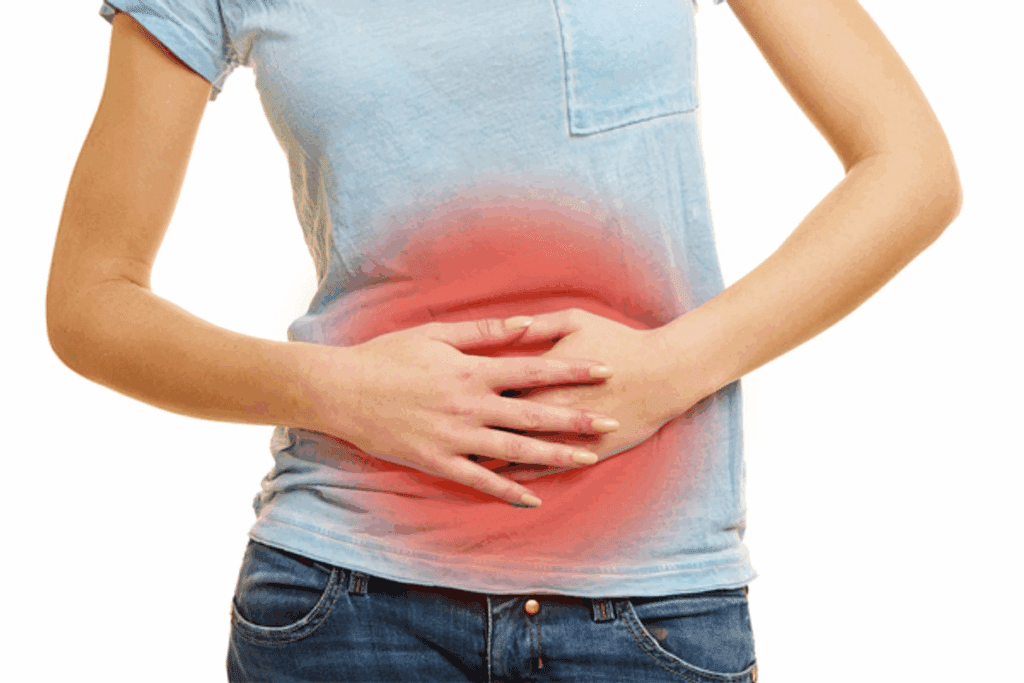
Did you know that nearly 50% of people over 60 experience diverticula in their colon? Some may develop LLQ abdominal pain due to inflammation?
Feeling steady lower pain can be unsettling. A gastroenterologist, says, “Constant pain, usually on the left side of the abdomen, is the first sign.” This pain is often linked to sigmoid colon ache, a common symptom.
We will dive deeper into this topic. We aim to help you grasp the nature of diverticulitis pain and its implications.
Key Takeaways
- Diverticulitis pain often shows up as LLQ abdominal pain.
- The condition can cause steady lower pain in the abdomen.
- Sigmoid colon ache is a common symptom associated with the condition.
- Understanding the nature of diverticulitis pain is key for effective management.
- Seeking medical attention is essential for proper diagnosis and treatment.
Understanding Diverticulitis Pain

Diverticulitis is when the diverticula in the colon get inflamed. This can cause a lot of pain and discomfort. It starts with diverticulosis, where small pouches form in the colon wall. When these pouches get inflamed or infected, it’s called diverticulitis.
Definition of Diverticulitis
Diverticulitis is a condition where the diverticula in the colon get inflamed or infected. It can cause symptoms like abdominal pain, changes in bowel habits, and fever. We’ll look into what diverticulitis is and how it affects the body.
Diverticula often form due to low fiber diets and aging. As we get older, the risk of getting diverticulosis and diverticulitis goes up. Knowing what causes diverticulitis helps in managing its symptoms.
Causes of Diverticulitis Pain
The pain from diverticulitis comes from the inflammation or infection of the diverticula. Several things can lead to diverticulitis, including:
- A diet low in fiber, which can cause constipation and more pressure in the colon.
- Aging, as the risk of diverticulosis and diverticulitis grows with age.
- Genetic predisposition, with some families more likely to have diverticular disease.
These factors can cause diverticula to form and get inflamed, leading to pain. This pain can feel like crampy colon discomfort or localized belly pain.
Symptoms Associated with Diverticulitis
The symptoms of diverticulitis can vary but often include:
- Abdominal pain, usually on the lower left side, which can be mild or severe.
- Fever and chills, showing an infection is present.
- Changes in bowel habits, like constipation or diarrhea.
- Nausea and vomiting.
These symptoms can really affect someone’s life, making it important to see a doctor if they don’t get better. The pain from diverticulitis can be a diverticular inflammation ache that’s hard to ignore.
Types of Pain in Diverticulitis

It’s important to know about the different kinds of pain from diverticulitis. The pain can feel intense, vary in where it is, and how it feels. We’ll look into each type to understand diverticulitis better.
Acute vs. Chronic Pain
Diverticulitis pain can be either acute or chronic. Acute pain is sudden and very severe, often when diverticulitis first starts or gets worse. On the other hand, chronic pain lasts a long time and can keep coming back.
Many people feel acute abdominal pain and go to the doctor right away. This pain is very intense and needs quick help.
Location of Pain in the Abdomen
The pain from diverticulitis usually happens on the left side of the abdomen. It can feel like a dull ache or sharp pain that gets worse over time.
Location | Characteristics |
Left Lower Quadrant | Persistent, dull ache or sharp pain |
Lower Abdomen | May radiate or be localized |
Pain During Bowel Movements
Some people with diverticulitis also feel pain when they have a bowel movement. This is because the digestive tract gets inflamed and irritated. Digestive tract discomfort can be mild or very bad and might also cause changes in how often you go to the bathroom.
- Pain or discomfort during defecation
- Possible presence of blood in stool
- Changes in bowel habits, such as constipation or diarrhea
The Role of Inflammation in Pain
Understanding inflammation is key to knowing why diverticulitis pain happens. Inflammation is the body’s immune response to infection or injury. In diverticulitis, it’s caused by infection in the diverticula, small pouches in the colon wall.
Causes of Inflammation in Diverticulitis
Inflammation in diverticulitis comes from the infection of these pouches. The body’s response is to send more blood to the area, causing inflammation. This can lead to deep colon ache and colon spasm pain.
Several things can cause inflammation in diverticulitis, including:
- Bacterial overgrowth in the diverticula
- Obstruction of the diverticula
- Increased pressure within the colon
How Inflammation Leads to Pain
Inflammation in diverticulitis causes pain in several ways. The inflamed diverticula irritate the surrounding tissue, leading to abdominal tenderness. The inflammation also tightens the abdominal muscles, causing pain.
Also, the inflammation releases chemical mediators that activate pain receptors. This can cause a range of pain, from mild to severe gut pain diverticulitis.
Connection Between Inflammation and Symptoms
The level of inflammation in diverticulitis directly affects symptom severity. As inflammation grows, so does the pain and other symptoms like fever and bowel changes. Knowing this helps in managing diverticulitis effectively.
Symptom | Relation to Inflammation |
Abdominal Pain | Increased inflammation can exacerbate pain |
Fever | Often associated with increased inflammation |
Changes in Bowel Habits | Can be influenced by the level of inflammation |
“The management of diverticulitis requires a holistic approach that tackles both inflammation and symptoms.”
A gastroenterology expert
Understanding inflammation’s role in diverticulitis pain helps us see the need for a treatment plan. This plan should aim to reduce inflammation and manage symptoms.
Risk Factors for Developing Diverticulitis Pain
Diverticulitis pain can come from diet, genes, and age. Knowing these factors helps prevent and manage the condition.
Dietary Influences
A diet low in fiber increases the risk of diverticulitis. Consuming a low-fiber diet can cause constipation. This puts more pressure on the colon, leading to diverticula and inflammation. Eating more fruits, vegetables, and whole grains can help prevent this.
“A high-fiber diet is key in preventing diverticulitis,” it helps avoid constipation and keeps bowel movements regular. Foods high in fiber can greatly reduce the risk of diverticulitis pain.
Age and Gender Considerations
Age is a big factor, with diverticulitis risk rising after 40. The chance of getting diverticulitis pain grows with age, more so after 60. While anyone can get it, men might be at a slightly higher risk than women.
Genetics and Family History
Genetics also matter in diverticulitis. Those with a family history of diverticulitis are more likely to get it. This hints at a genetic link to diverticula formation and pain.
Knowing these risks helps prevent them. Eating well, staying hydrated, and managing stress can all lower the risk of diverticulitis.
Diagnosing Diverticulitis Pain
To diagnose diverticulitis, doctors use a mix of clinical checks, patient history, and imaging tests. This method helps understand the pain and plan the right treatment.
Common Diagnostic Tests
Several tests help diagnose diverticulitis pain. These include:
- CT Scans: Seen as the top choice for spotting diverticulitis, CT scans show the colon and nearby areas in detail. They help find inflammation or other issues.
- Colonoscopy: This test looks inside the colon for diverticula, inflammation, or other problems.
- Blood Tests: Blood tests can show signs of inflammation or infection, though they’re not alone enough to confirm diverticulitis.
Physical Examination Insights
A detailed physical check is key in diagnosing diverticulitis. Doctors look for tenderness, mainly in the lower left abdomen. They also check for guarding or rigidity, signs of peritonitis.
Importance of Medical History
Knowing a patient’s medical history is vital for diagnosing diverticulitis. This includes past episodes, diet, and family history of similar issues.
Diagnostic Method | Key Features | Benefits |
CT Scan | Detailed imaging of colon and surrounding tissues | High accuracy in diagnosing diverticulitis and complications |
Colonoscopy | Direct visualization of the colon interior | Identifies diverticula, inflammation, and other abnormalities |
Blood Tests | Indicators of inflammation or infection | Supports diagnosis when used alongside other tests |
By using these tests together, doctors can accurately diagnose diverticulitis pain. They then create a treatment plan that works.
Treatment Options for Diverticulitis Pain
Managing diverticulitis pain involves lifestyle changes, diet, medications, and sometimes surgery. We’ll look at these options to help you manage your pain.
Lifestyle and Dietary Changes
Making lifestyle and dietary changes can help a lot. Increasing fiber intake is key. It makes stool softer and reduces pressure on diverticula. Foods high in fiber include fruits, veggies, and whole grains.
Staying hydrated is also important. It helps prevent constipation, a common pain trigger.
A liquid diet might be suggested during flare-ups. It lets the bowel rest. Then, you can start with soft foods and gradually add more fiber. Avoiding spicy or fatty foods can also help.
“A high-fiber diet can help prevent diverticulitis by reducing the pressure on the walls of the intestines.”
Nutrition experts
Medications for Pain Relief
Several medications can help with diverticulitis pain. Antispasmodic medications ease cramps and spasms. Antibiotics are used if the pain is caused by a bacterial infection. Pain relief medications like acetaminophen or ibuprofen can also be prescribed.
- Antispasmodics for cramp relief
- Antibiotics for infection
- Pain relief medications for managing pain
Surgical Interventions
In severe or recurring cases, surgical intervention might be needed. Surgery removes the affected colon part. There are two main types: laparoscopic surgery and open surgery.
Surgical Approach | Description | Recovery Time |
Laparoscopic Surgery | Minimally invasive surgery with smaller incisions | Typically shorter, around 1-2 weeks |
Open Surgery | More invasive with a larger incision | Generally longer, around 6-8 weeks |
Knowing about treatment options for diverticulitis pain is key. By choosing the right lifestyle changes, medications, and possibly surgery, you can manage your condition better. This improves your quality of life.
Home Remedies for Managing Pain
We can manage diverticulitis pain at home with some simple steps. Making smart lifestyle choices helps ease symptoms and boosts our well-being.
Dietary Modifications
Changing what we eat is key in managing diverticulitis pain. Eating more fiber is a good start. It makes stool softer and lessens pressure on the diverticula. Foods like fruits, veggies, and whole grains are high in fiber.
Starting slow with fiber is better for our digestive system. It’s also smart to know which foods make symptoms worse. Some foods, like spicy or fatty ones, can make pain worse.
Natural Pain Relief Techniques
There are natural ways to ease diverticulitis pain too. Using heat therapy on the belly can relax muscles and lessen pain. You can also take over-the-counter pain meds like acetaminophen, but only if a doctor says it’s okay.
Stress can make pain worse, so managing it is important. Techniques like meditation and deep breathing can help. Regular exercise also helps manage stress and boosts our mood.
Importance of Hydration
Drinking enough water is vital to avoid constipation and prevent diverticulitis problems. Water makes stool softer, making it easier to pass and lessening pressure on the diverticula. Drinking lots of water is a must.
- Drink at least 8-10 glasses of water per day.
- Avoid caffeinated and carbonated drinks that can dehydrate you.
- Add hydrating foods like watermelon and cucumbers to your diet.
By using these home remedies, we can manage diverticulitis pain and get better overall.
When to Seek Medical Attention for Diverticulitis Pain
It’s important to know when to see a doctor for diverticulitis pain. Some cases can be treated at home. But, severe symptoms need quick medical help.
Warning Signs of Complications
Some symptoms mean diverticulitis might be getting worse. Look out for severe abdominal pain, fever, and vomiting. If you notice these, get medical help fast:
- Severe or worsening abdominal pain
- High fever (over 101°F)
- Vomiting or unable to keep fluids down
- Bleeding from the rectum
- Abdominal tenderness or guarding
These signs can mean serious problems like a perforation or abscess. You need to see a doctor right away.
Importance of Timely Treatment
Getting medical help quickly is key. It helps avoid serious problems and manage diverticulitis well. Waiting too long can lead to serious issues, like:
- Perforation of the intestine
- Abscess formation
- Fistula development
Seeing a doctor early can lower these risks and help you feel better.
Consultation with Healthcare Providers
If you have diverticulitis symptoms, see a doctor. They will check you, might do tests, and suggest treatment. Tell them about your symptoms, health history, and lifestyle.
Keeping a symptom journal is helpful. It tracks when symptoms happen and what might make them better or worse. This info helps your doctor understand and treat you better.
Knowing the warning signs and getting medical help fast can help manage diverticulitis. It also lowers the chance of serious problems.
Living with Diverticulitis Pain
Coping with diverticulitis pain is a long-term journey. It requires patience, understanding, and the right support. Managing this condition well means making lifestyle changes, getting medical help, and having ongoing support.
Coping Strategies and Support
It’s key to find good ways to cope with diverticulitis pain. This includes:
- Eating a healthy diet to avoid flare-ups
- Doing things that reduce stress, like meditation or yoga
- Getting help from doctors, support groups, or online forums
A strong support system can greatly help in managing the condition and improving life quality.
Monitoring Symptoms Over Time
It’s important to watch symptoms over time. This helps understand the condition better and make good care choices. We suggest:
- Keeping a symptom journal to track when symptoms happen and what might cause them
- Regularly talking to your healthcare provider about your symptom journal to change treatment plans if needed
By watching symptoms closely, people can understand their condition better and make better care choices.
Importance of Follow-Up Care
Follow-up care is key in managing diverticulitis pain. Regular visits to healthcare providers are important for:
- Changing treatment plans as the condition changes
- Quickly dealing with any new or getting worse symptoms
- Staying proactive in managing the condition
We stress the importance of not skipping follow-up appointments. They are vital for managing the condition well.
Preventing Diverticulitis Pain
To avoid diverticulitis pain, we need to follow a few steps. These include eating right, staying active, and getting regular health checks. By doing these things, we can lower our chance of getting diverticulitis and its pain.
Nutritional Approaches to Prevention
Eating foods high in fiber is key to preventing diverticulitis. Foods like fruits, veggies, and whole grains make stool softer. This helps keep bowel movements regular and reduces pressure on the digestive system. Try to eat these foods every day to keep your digestive system healthy.
The Role of Physical Activity
Exercise is also important in preventing diverticulitis. It helps move your bowels and keeps your gut healthy. We recommend doing moderate activities like walking, cycling, or swimming for at least 30 minutes a day.
Importance of Regular Health Check-Ups
Regular health check-ups are vital for catching diverticulitis early. They let doctors spot problems early and give advice on staying healthy. Make sure to see your doctor regularly for the best care.
FAQ
What is diverticulitis pain like?
Diverticulitis pain feels sharp and steady. It often hurts in the lower left abdomen. It can get worse when you move or do certain activities.
How does diverticulosis lead to diverticulitis?
Diverticulosis is when small pouches form in the colon. If these pouches get inflamed or infected, it’s called diverticulitis. This usually happens when something blocks them or bacteria grow too much.
What are the common symptoms associated with diverticulitis?
Symptoms include pain in the lower left abdomen, nausea, fever, and changes in bowel habits. You might also see bloody stools.
What is the difference between acute and chronic diverticulitis pain?
Acute pain is sudden and severe, needing quick medical help. Chronic pain is ongoing or keeps coming back, showing ongoing inflammation or complications.
How can I manage diverticulitis pain at home?
To manage pain at home, eat a liquid diet during flare-ups. Use natural pain relief like heat. Stay hydrated to ease symptoms.
When should I seek medical attention for diverticulitis pain?
Get medical help for severe pain, high fever, vomiting, bloody stools, or if symptoms get worse or don’t get better with treatment.
Can diverticulitis pain be prevented?
You can’t prevent it completely, but you can lower the risk. Eat a fiber-rich diet, exercise, and see your doctor regularly to check your colon health.
What are the risk factors for developing diverticulitis?
Risk factors include a low-fiber diet, being over 40, obesity, not being active, smoking, and a family history of it or other gut issues.
How is diverticulitis diagnosed?
Doctors use a physical exam, medical history, and tests like CT scans, colonoscopy, or blood tests. These help check for inflammation and rule out other problems.
What treatment options are available for diverticulitis pain?
Treatments include changing your diet and lifestyle, antibiotics for infections, pain meds, and surgery for severe cases or complications.
How can I cope with living with diverticulitis pain?
To cope, watch your symptoms, follow your treatment plan, make lifestyle changes, and get support from doctors and support groups.
Are there any long-term complications of diverticulitis?
Complications can include more episodes of diverticulitis, abscesses, colon perforation, and narrowing of the colon. These might need surgery.
Can a high-fiber diet help prevent diverticulitis?
Yes, a high-fiber diet can help prevent it. It promotes regular bowel movements, reduces colon pressure, and lowers the risk of pouches forming.
References
New England Journal of Medicine. Evidence-Based Medical Insight. Retrieved from https://www.nejm.org/doi/full/10.1056/NEJMra1804773