What are the diverticulitis prevalence reasons? We explore the shocking, critical truth behind why so many people get this disease. Did you know that more people are getting diverticulitis worldwide? Studies show this condition is becoming more common. It affects a lot of people, mainly in Western countries.
Looking into why diverticulitis is on the rise, we find important factors. Diet, lifestyle, and age are key. These elements are making diverticulitis more common.
We’ll explore the complex reasons behind diverticulitis. We will examine how these factors interact. Knowing the causes helps us find better ways to prevent and treat it.
Key Takeaways
- Diverticulitis is becoming increasingly common worldwide.
- Demographic factors, such as age and diet, play a significant role in its development.
- Lifestyle changes are contributing to the rising incidence of diverticulitis.
- Understanding the causes is key for effective prevention and treatment.
- Research is ongoing to find the best ways to manage diverticulitis.
Understanding Diverticulitis and Its Prevalence
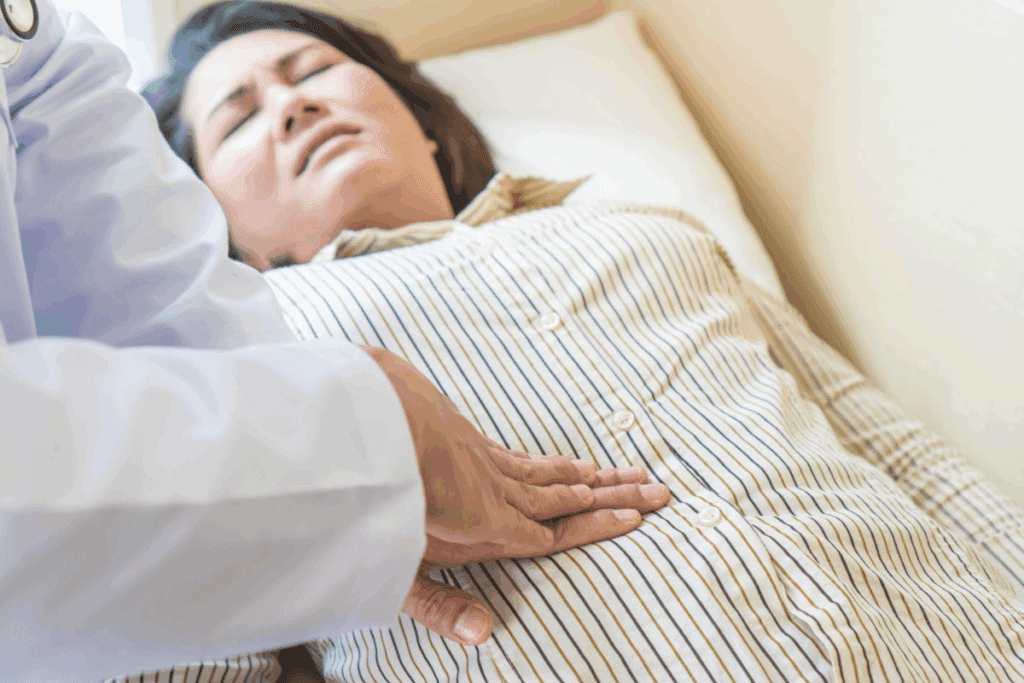
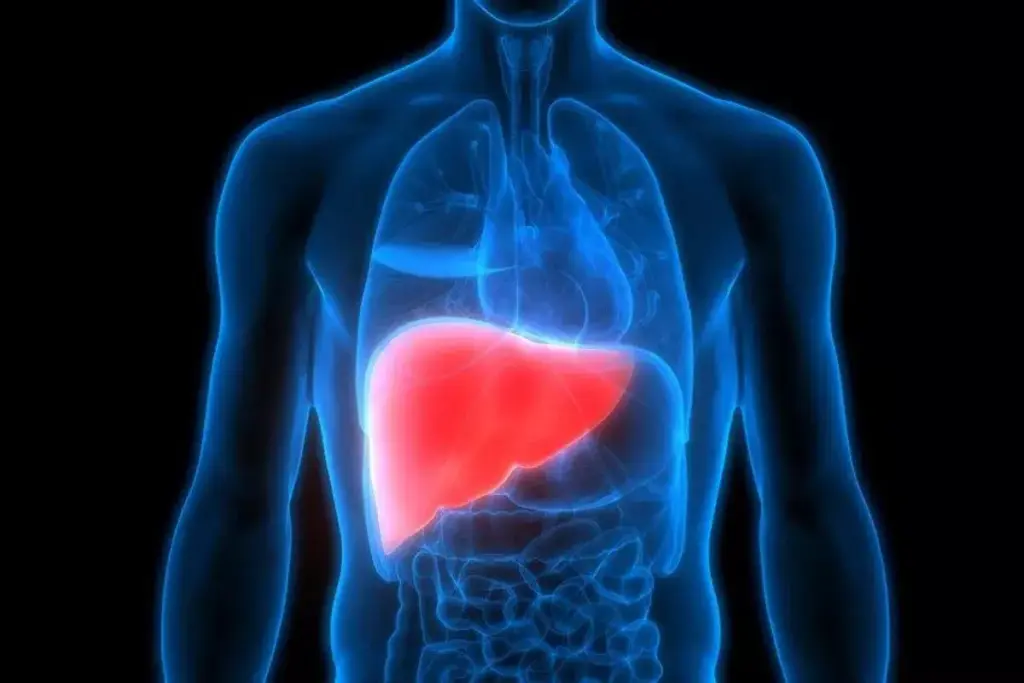
Diverticulitis is a common condition in the Western world. It involves inflammation of small pouches in the colon. Knowing about it is important for both patients and doctors.
What is Diverticulitis?
Diverticulitis is a condition where small pouches in the colon get inflamed. This can cause mild to severe symptoms. Factors like low fiber diets, aging, and genetic predisposition can lead to it.
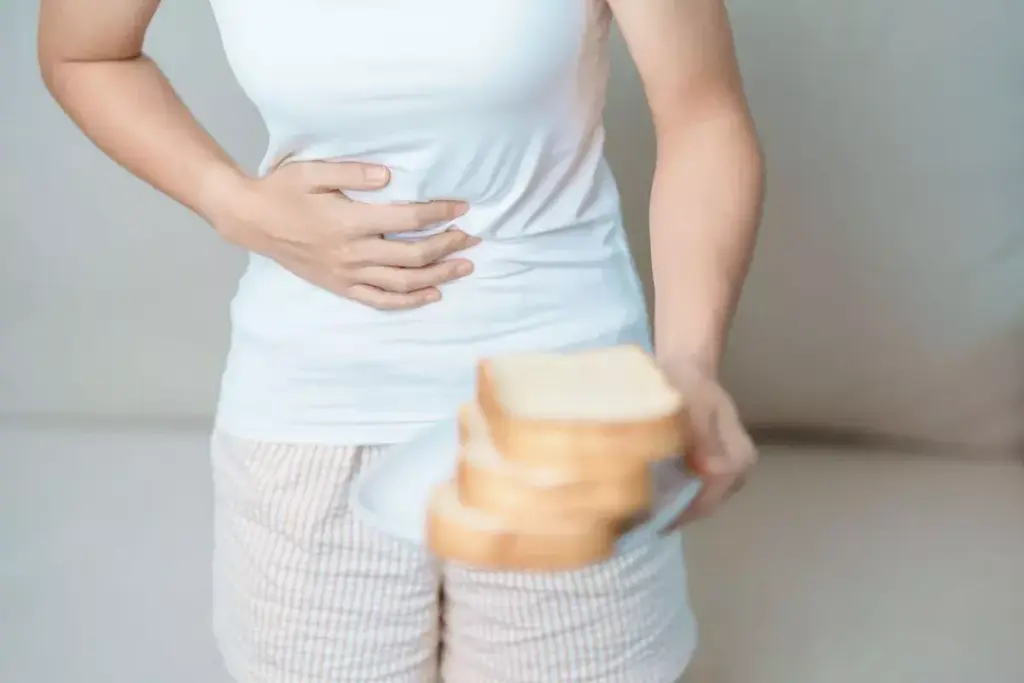
Symptoms of diverticulitis vary. Some people might feel mild discomfort, while others may have severe pain, fever, and changes in bowel habits. Knowing these symptoms helps in diagnosing and treating the condition.
How Common is Diverticulitis?
Diverticulitis is a big health concern in the Western world. It’s more common with age, affecting many elderly people. In the United States, about 50% of individuals over 60 have diverticulosis, with some developing diverticulitis.
Age Group | Prevalence of Diverticulosis | Likelihood of Developing Diverticulitis |
Under 40 | Low | Rare |
40-60 | Moderate | Uncommon |
Over 60 | High | Common |
The table shows how age affects diverticulosis and diverticulitis. Older adults are more likely to be affected. This makes it important to be aware and take preventive steps.
In summary, diverticulitis is common, mainly among older adults in the Western world. Knowing its definition, symptoms, and risk factors is key to managing and treating it.
Key Risk Factors for Diverticulitis

Diverticulitis is a complex condition with many risk factors. These include age, diet, and genetics. The risk of getting diverticulitis depends on these factors.
Age and Gender
Age is a big risk factor for diverticulitis. The risk goes up as people get older. It’s more common after 40, and much higher after 60.
Gender also matters. Men tend to get diverticulitis younger than women. But after 50, women’s risk goes up, sometimes even more than men’s.
Dietary Habits
Diet is key in diverticulitis risk. A low-fiber diet can cause constipation, leading to diverticula. A high-fiber diet helps by keeping bowel movements regular.
Here’s how different diets affect diverticulitis risk:
Dietary Habit | Risk Level | Description |
Low-Fiber Diet | High | Increases risk due to constipation and higher pressure inside the colon. |
High-Fiber Diet | Low | Reduces risk by promoting regular bowel movements. |
High Consumption of Red Meat | Moderate to High | May increase risk due to its low fiber and high fat content. |
High Consumption of Processed Foods | Moderate to High | Often low in fiber and high in unhealthy fats and sugars. |
Genetics and Family History
Genetics and family history also matter. If your family has diverticulitis, you’re more likely to get it. The exact genetic link isn’t clear, but it’s thought to play a role.
Knowing these risk factors helps prevent and catch diverticulitis early. Making smart lifestyle choices can lower your risk.
The Role of Diet in Diverticulitis Prevalence
Diet plays a big role in how common diverticulitis is. It affects the risk of getting this gut problem. Certain foods can increase the chance of getting diverticulitis.
High-Fiber vs. Low-Fiber Diets
A diet low in fiber raises the risk of diverticulitis. Low-fiber diets can cause constipation. This puts more pressure on the colon, which might lead to diverticula.
On the other hand, high-fiber diets are full of fruits, veggies, and whole grains. These foods help keep bowel movements regular and lower the risk of diverticulitis. Studies show that people who eat more fiber have less diverticulitis.
Fiber does more than prevent constipation. It also helps good bacteria grow in the gut. This keeps the colon healthy and prevents diverticulitis.
Processed Foods and Refined Sugars
Eating processed foods and refined sugars can increase the risk of diverticulitis. These foods are often low in fiber and high in unhealthy fats, sugars, and sodium. They can cause many gut problems.
Refined sugars can upset the balance of gut bacteria. This can lead to inflammation and raise the risk of diverticulitis. The Western diet, which is high in these foods, is linked to more diverticulitis. Eating whole, unprocessed foods can help lower this risk.
Role of Hydration
Hydration is key to keeping the gut healthy and preventing diverticulitis. Drinking enough water helps soften stool and keeps bowel movements regular. This reduces the risk of constipation and diverticula.
Drinking enough water is a simple way to lower the risk of diverticulitis. It’s best to drink water all day, along with a high-fiber diet. This combination maximizes the benefits of fiber.
Lifestyle Factors Contributing to Diverticulitis
Research shows that certain lifestyle choices can increase the risk of diverticulitis. By making smart choices, we can greatly improve our health.
Sedentary Living
A sedentary lifestyle is a big risk for diverticulitis. Being inactive can lead to constipation, which puts more pressure on the colon. This can increase the chance of diverticula forming.
Being active, on the other hand, helps keep the bowel moving and improves colon health. Studies show that active people are less likely to get diverticulitis.
Obesity
Being overweight is also linked to a higher risk of diverticulitis. Extra weight can put more pressure on the colon, making diverticula more likely.
Keeping a healthy weight through diet and exercise can lower this risk. A study published in the Journal of Clinical Gastroenterology found that obesity raises the risk of diverticulitis. This shows how important it is to manage our weight.
Lifestyle Factor | Risk Level | Preventative Measure |
Sedentary Living | High | Regular Exercise |
Obesity | High | Weight Management |
Smoking | High | Smoking Cessation |
Smoking
Smoking is a major risk factor for diverticulitis. It damages blood vessels and reduces blood flow to the colon. This makes diverticula more likely to form.
Quitting smoking can greatly reduce this risk. Counseling and nicotine replacement therapy can help people overcome addiction and improve their health.
By knowing the lifestyle factors that increase the risk of diverticulitis, we can take steps to lower it. Making healthy choices like staying active, maintaining a healthy weight, and quitting smoking can greatly improve our health and well-being.
The Impact of Aging on Diverticulitis Rates
The aging population is leading to more cases of diverticulitis. It’s key to know the risk factors. As people get older, the chance of getting diverticulitis goes up, mainly after 60.
Why Older Adults Are More Affected
Older adults face a higher risk of diverticulitis for several reasons. The colon wall weakens with age, making it more likely to form diverticula. Also, age-related changes in the digestive system put more pressure on the colon wall, which can lead to diverticulitis.
Another big factor is the buildup of chronic conditions with age. These can make diagnosing and treating diverticulitis harder. We’ll look into this more below.
Chronic Conditions and Their Role
Chronic conditions like diabetes, hypertension, and heart disease are common in older adults. These conditions raise the risk of diverticulitis. They also make it harder to manage the condition because of their impact on overall health.
The relationship between chronic conditions and diverticulitis is complex. For example, diabetes can slow healing, while hypertension and heart disease can increase the risk of serious complications during diverticulitis episodes.
Chronic Condition | Impact on Diverticulitis | Management Considerations |
Diabetes | Impaired healing, increased infection risk | Close monitoring of blood sugar levels, adjusted treatment plans |
Hypertension | Increased risk of cardiovascular complications | Blood pressure management, cardiovascular risk assessment |
Cardiovascular Disease | Higher risk of complications during diverticulitis episodes | Cardiovascular evaluation, tailored treatment strategies |
It’s important to understand how chronic conditions affect diverticulitis in older adults. By recognizing the impact of aging on diverticulitis rates and addressing risk factors, we can improve health outcomes for this group.
Seeking Medical Help for Diverticulitis
Recognizing the symptoms of diverticulitis and seeking medical help early is key. This can greatly impact the outcome of the condition. We will explore the importance of early diagnosis and the steps to take when experiencing symptoms.
Recognizing Symptoms Early
Early recognition of diverticulitis symptoms is vital for effective management. Common symptoms include:
- Abdominal pain, typically on the lower left side
- Fever and chills
- Nausea and vomiting
- Changes in bowel habits
- Bloating and gas
Being aware of these symptoms can help individuals seek medical attention promptly.
Importance of Prompt Treatment
Prompt treatment of diverticulitis can prevent serious complications. These include abscesses, perforations, and peritonitis. Treatment typically involves:
- Antibiotics to manage infection
- Liquid diet to rest the bowel
- In some cases, hospitalization may be necessary
Early intervention can also reduce the risk of recurring diverticulitis.
In conclusion, seeking medical help early is vital for managing diverticulitis effectively. By recognizing the symptoms and understanding the importance of prompt treatment, individuals can take proactive steps towards recovery.
Preventative Measures Against Diverticulitis
To prevent diverticulitis, we need to make changes in our diet, exercise regularly, and live a healthy lifestyle. Knowing what increases the risk helps us take steps to lower it.
Dietary Modifications
Eating right is key to avoiding diverticulitis. A high-fiber diet helps keep our bowels moving and stops diverticula from forming.
- Eat more fruits, veggies, and whole grains
- Drink plenty of water to help fiber move
- Stay away from processed foods and sugary things
Regular Exercise
Exercise is also important in preventing diverticulitis. It makes our bowels work better and lowers pressure on our digestive system.
- Do moderate exercise, like brisk walking, for 30 minutes daily
- Add strength training to boost health and bowel function
Healthy Lifestyle Choices
Living a healthy lifestyle is vital for avoiding diverticulitis. This means staying at a healthy weight, not smoking, and managing stress.
- Keep a healthy weight with diet and exercise
- Don’t smoke and drink alcohol in moderation
- Use stress-reducing activities like meditation or yoga
By following these steps, we can greatly lower the chance of getting diverticulitis and keep our digestive system healthy.
Research Trends Regarding Diverticulitis
The study of diverticulitis is evolving, thanks to new research and discoveries. It’s clear that knowing about diverticulitis is key for treatment and prevention.
Recent Studies on Prevalence
Recent studies have looked into how common diverticulitis is in different groups. They found that it’s becoming more common, mainly among younger adults.
These studies show that more people under 50 are getting diverticulitis. This has led researchers to look into what might be causing this rise.
They’re studying how diet, lifestyle, and genetics play a part in getting diverticulitis. For example, a diet low in fiber and high in processed foods is linked to a higher risk.
Innovations in Treatment
New treatments for diverticulitis aim to lessen symptoms, prevent complications, and better patient outcomes.
Now, treatments often combine diet changes, antibiotics, and sometimes surgery. Advances in surgery have made recovery faster and complications less likely.
Research into the gut microbiome and diverticulitis is also promising. It’s exploring new treatments like probiotics and other microbiome-focused therapies.
Future Directions in Diverticulitis Understanding
As we learn more about diverticulitis, research will be key. It will help us understand this condition better. We expect new studies to reveal more about the changes in the body linked to diverticulitis. This could lead to better ways to prevent it.
Advancements in Research
Recent studies show diet and lifestyle matter for diverticulitis. We think future research will expand on this. It will look into new ways to lower the risk of getting diverticulitis. This could help us find better ways to stop it before it starts.
Emerging Preventative Strategies
We’re expecting new ways to prevent diverticulitis as we learn more. This might include special diets, stress management, and other lifestyle changes. By focusing on prevention, we can lower the number of cases. This will help people with diverticulitis live better lives.
FAQ
What is diverticulitis, and how does it differ from diverticulosis?
Diverticulitis is when small pouches in the colon get inflamed or infected. Diverticulosis is when these pouches are present but not inflamed. People with certain risk factors often move from diverticulosis to diverticulitis.
Why is diverticulitis becoming more common in the Western world?
More people in the West get diverticulitis because of aging, a diet low in fiber, and less exercise. These changes increase the risk of getting diverticulitis.
How does age affect the risk of developing diverticulitis?
Diverticulitis risk goes up after 60. As we get older, our colon walls weaken. This makes it easier for pouches to form and get inflamed, leading to more cases in older adults.
Can dietary changes help prevent diverticulitis?
Yes, eating more fiber can help prevent diverticulitis. Fiber keeps stool soft and promotes regular bowel movements. This reduces pressure on the colon wall. Eating fruits, vegetables, and whole grains is recommended.
Are there any lifestyle factors that increase the risk of diverticulitis?
Yes, being inactive, overweight, and smoking can increase the risk. Staying active, keeping a healthy weight, and quitting smoking can lower these risks.
How does a low-fiber diet contribute to diverticulitis?
A low-fiber diet can cause constipation and increase colon pressure. This can lead to diverticula formation and potentially diverticulitis. Avoiding processed foods and refined sugars is advised.
What are the symptoms of diverticulitis, and when should I seek medical help?
Symptoms include abdominal pain, fever, and changes in bowel habits. If symptoms are severe or last a long time, seek medical help quickly to avoid complications.
Can regular exercise and healthy lifestyle choices reduce the risk of diverticulitis?
Absolutely. Regular exercise and a healthy lifestyle, including a balanced diet and not smoking, can greatly reduce diverticulitis risk. Making these habits daily is encouraged.
Are there any ongoing research initiatives focused on diverticulitis?
Yes, research is ongoing to better understand diverticulitis, including its causes, prevention, and treatments. These studies are key to finding new ways to manage and prevent diverticulitis.
What are the potentially preventative strategies for diverticulitis?
Strategies include eating more fiber, staying hydrated, exercising, and avoiding smoking. Adopting these habits can significantly lower the risk of diverticulitis.
References
JAMA Network. Evidence-Based Medical Insight. Retrieved from
https://jamanetwork.com/journals/jama/article-abstract/2836826