
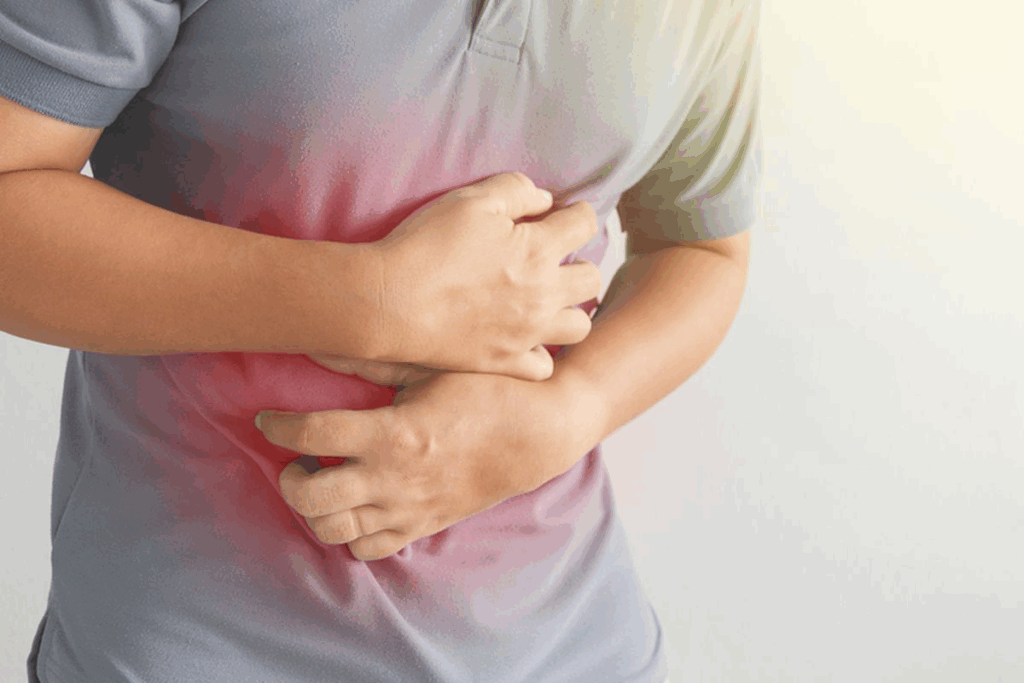
In the United States, nearly 60% of people over 60 have diverticulosis. This condition can sometimes turn into diverticulitis, a painful inflammation of the digestive tract. For many, recurrent episodes of diverticulitis can greatly affect their quality of life. This raises the question of when elective surgery is a good option.
We will look at what decides if someone should have surgery. This includes how severe the condition is, how often episodes happen, and the patient’s overall health. We will follow the latest ASCRS guidelines. Knowing the diverticulitis surgery threshold is key for both patients and healthcare providers to make the right treatment choices.
What is the diverticulitis surgery threshold? Our critical guide explains the surprising, amazing new rules for when surgery is needed.
Key Takeaways
- Diverticulosis is common among older adults, potentially leading to diverticulitis.
- The decision for surgery depends on several factors, including condition severity and episode frequency.
- Guidelines from the ASCRS help determine when elective surgery is recommended.
- Patient health plays a significant role in the decision-making process.
- Understanding the surgery threshold is essential for informed treatment decisions.
What is Diverticulitis?

Diverticulitis is a condition that affects the large intestine. It causes discomfort and can lead to serious problems if not treated right.
Definition and Overview
Diverticulitis happens when diverticula, small pouches in the colon wall, get inflamed or infected. This leads to various symptoms.
Causes and Risk Factors
The exact cause of diverticulitis is not always known. But, some things can make you more likely to get it. These include:
- A low-fiber diet
- Being over 40, as it’s more common then
- Obesity
- Not being active enough
- Smoking
Knowing these risk factors can help prevent or manage symptoms.
Symptoms to Watch For
The symptoms of diverticulitis can differ but often include:
- Abdominal pain, usually on the lower left side
- Fever
- Nausea or vomiting
- Changes in bowel habits
- Bloating or gas
Spotting these symptoms early can help get medical help quickly.
Category | Factors/Symptoms |
Risk Factors | Low-fiber diet, Age over 40, Obesity, Lack of physical activity, Smoking |
Common Symptoms | Abdominal pain, Fever, Nausea or vomiting, Changes in bowel habits, Bloating or gas |
Diverticulitis Severity Levels

The severity of diverticulitis affects treatment choices and outcomes. This condition, where the colon’s wall gets inflamed, can vary from mild to severe. Knowing these levels is key to choosing the right treatment.
Mild Diverticulitis
Mild diverticulitis shows few symptoms and some inflammation. People might feel mild pain in the lower left abdomen and have slight bowel changes. CT scans help confirm the diagnosis and check how severe it is. Treatment for mild cases includes diet changes, antibiotics, and watching the condition closely.
Complicated Diverticulitis
Complicated diverticulitis is more serious, with severe inflammation and possible complications like abscesses or a narrowed colon. Symptoms include intense pain, fever, and big changes in bowel habits. This type needs aggressive treatment, like hospital care, IV antibiotics, and sometimes surgery. A CT-confirmed diagnosis is vital for understanding the extent of the problem and deciding on treatment.
“Accurate diagnosis is the cornerstone of effective diverticulitis management. It allows healthcare providers to tailor treatment to the individual’s condition, reducing the risk of complications and improving outcomes.”
—Gastroenterologist
The Importance of Accurate Diagnosis
Getting a correct diagnosis is critical for figuring out how severe diverticulitis is and what treatment to use. Tools like CT scans help see how bad the inflammation and complications are. A precise diagnosis means patients get the best care, whether it’s non-surgical or surgical treatment.
Diverticulitis Severity | Characteristics | Typical Treatment |
Mild | Minimal symptoms, mild inflammation | Conservative management (dietary changes, antibiotics) |
Complicated | Severe inflammation, possible complications (abscesses, perforations) | Aggressive treatment (hospitalization, IV antibiotics, possible surgery) |
Frequency of Diverticulitis Episodes
Knowing how often diverticulitis episodes happen is key to managing the condition well. Diverticulitis is when the colon’s diverticula get inflamed. It can cause recurring episodes in some people.
These recurring episodes can really affect a patient’s life. They can cause discomfort, pain, and even lead to serious problems if not handled right. We’ll look into how often these episodes happen, their effects on health, and why it’s important to watch symptoms closely.
How Often Do Recurrences Occur?
The number of times diverticulitis comes back varies from person to person. Research shows that after the first time, 15% to 30% of people might get it again within a few years. The severity of the first episode, the patient’s age, and any other health issues can affect how often it comes back.
To get a clearer picture of how often it happens, here’s a table:
Time Frame | Recurrence Rate |
1 Year | 10%-20% |
2-5 Years | 20%-30% |
More than 5 Years | 30%-50% |
Impact of Recurrences on Patient Health
Recurring diverticulitis can deeply affect a patient’s health. It’s not just physical; it can also mess with their mental health. The ongoing symptoms can cause anxiety, depression, and lower their quality of life.
Some major effects of recurring episodes are:
- Higher risk of serious problems like abscesses or perforations
- Chronic pain and discomfort
- Potential for bowel obstruction
- Emotional distress from the unpredictability of episodes
Monitoring Symptoms
Managing diverticulitis well means keeping an eye on symptoms for early signs of recurrence. Patients should look out for signs like abdominal pain, changes in bowel habits, fever, and nausea.
By understanding how often diverticulitis episodes happen and their effects, doctors can create treatment plans tailored to each patient. This can help improve their health outcomes.
Guidelines for Surgery Decisions
Several factors must be considered when deciding on surgery for diverticulitis. These include the patient’s health, past medical history, and how severe the diverticulitis is. These factors help doctors decide the best course of action.
Current Medical Recommendations
The American Society of Colon and Rectal Surgeons (ASCRS) has guidelines for surgery in diverticulitis. The ASCRS guideline suggests surgery for complicated cases or those with frequent episodes.
- Complicated diverticulitis includes abscesses, fistulas, or perforations.
- Recurrent diverticulitis means having the condition many times, which can really affect a person’s life.
These guidelines stress the need for a shared decision-making process. This means doctors and patients work together, using the latest research and the patient’s situation to make a choice.
Factors Influencing the Decision
Several things affect the decision to have surgery for diverticulitis. These include:
- The severity of the diverticulitis, including any complications.
- How often and how severe the episodes are.
- The patient’s overall health and operative candidacy, including any other health issues.
Healthcare providers look at these factors to decide the best treatment for each patient.
The Role of Patient History
A patient’s medical history is very important in deciding if they can have surgery. This includes:
- How many times they’ve had diverticulitis and how bad it was.
- Any surgeries they’ve had before and how they turned out.
- Any health problems that might affect surgery or recovery.
By looking at these parts of a patient’s history, doctors can make better decisions about surgery. They can then plan a treatment that works well for the patient.
Surgical Options for Diverticulitis
Surgery for diverticulitis comes in different forms, each with its own benefits. The choice depends on the condition’s severity, the patient’s health, and the surgeon’s skill.
Laparoscopic vs. Open Surgery
There are two main surgical methods: laparoscopic and open surgery. Laparoscopic surgery uses small incisions for a minimally invasive approach. It leads to less pain, quicker recovery, and fewer complications.
Open surgery involves a larger incision for direct access. It’s more traditional but can lead to longer recovery and more pain.
Recovery Expectations
Recovery time varies with the surgery type. Patients with laparoscopic sigmoidectomy usually have a shorter stay and quicker recovery. They can return to normal activities in a few weeks. On the other hand, open sigmoidectomy may require a longer stay and recovery.
After surgery, managing pain and following a diet are key. Gradually increasing activity is also important. Always follow the surgeon’s instructions to avoid complications.
Long-term Outcomes
Most patients see significant symptom relief after surgery. Laparoscopic surgery often has fewer complications and recurrence rates. The right surgery depends on the patient’s condition and needs.
It’s vital for patients to talk to their healthcare provider about their situation. This helps make an informed decision about treatment.
Complications from Non-surgical Treatment
When diverticulitis isn’t treated with surgery, patients face serious health risks. We’ll look at the dangers of waiting too long for surgery. We’ll also talk about how it can make the disease worse and affect a person’s life quality.
Risks of Delaying Surgery
Waiting too long for surgery can lead to conservative failure. This means non-surgical treatments don’t work, and the disease gets worse. It can cause complicated attacks, like abscesses or perforations, which need emergency surgery.
Patients who wait too long are more likely to have severe episodes. Each time it happens, the risk of serious problems grows. So, getting surgery quickly is very important.
Potential for Increased Severity
Diverticulitis can get worse if not treated right. Non-surgical methods might not stop the disease from getting worse. As it gets worse, the chance of serious problems like abscesses or bowel obstruction goes up.
These problems hurt not just the body but also the mind. They can make life very hard.
Quality of Life Considerations
Diverticulitis can really hurt a person’s quality-of-life. It can cause chronic pain, limit what you can eat, and make you worried about when it will happen again. Surgery can help avoid these problems and improve life quality.
Choosing surgery is a big decision. But for many, it’s the best way to stop the disease from coming back and take control of their health.
Patient Testimonials and Case Studies
Patient testimonials give a real look at what it’s like to have diverticulitis surgery. They share their stories, helping others understand what to expect. This can guide people in making choices about their health.
Stories of Surgical Success
Many patients say surgery greatly improved their lives. For example, one patient said,
“After years of dealing with diverticulitis, surgery brought me relief. It changed my life.”
These success stories show the good that surgery can do.
Another patient said, “Choosing surgery was tough, but it was the right choice. My health has gotten much better.” These stories stress the value of shared decision-making with doctors.
Experiences with Ongoing Episodes
Not everyone feels better right away after surgery. Some people may keep having episodes, but less often. One patient shared,
“Surgery made my episodes less common, but I sometimes have symptoms. But they’re easier to handle now.”
This shows that results can vary. It also points out the need for ongoing care.
- Some patients need to keep being checked and managed.
- Others might need to change their lifestyle to feel better.
- A shared decision-making approach helps fit treatment to each person’s needs.
Lessons Learned from Real Patients
Case studies and patient stories teach us a lot. They show how important it is to treat each person differently. One patient said, “Knowing about my condition and treatment options helped me make better choices for my care.”
Looking at these real-life stories helps us understand diverticulitis better. It shows how surgery fits into managing the condition. This knowledge helps improve care for everyone.
The Role of Diet in Managing Diverticulitis
Diet is key in managing diverticulitis symptoms and preventing future episodes. A balanced diet can ease symptoms, lower the risk of complications, and enhance quality of life.
Recommended Dietary Changes
Making certain dietary changes can greatly help with diverticulitis. We suggest:
- Eating more fiber from fruits, vegetables, and whole grains to keep bowel movements regular.
- Drinking lots of water to prevent constipation.
- Staying away from foods that can upset the digestive system.
Increasing fiber intake is very helpful. It makes stool softer and reduces pressure on the diverticula. Good sources of fiber include:
- Fruits like apples, berries, and pears.
- Vegetables such as broccoli, carrots, and leafy greens.
- Whole grains like brown rice, quinoa, and whole-wheat bread.
Foods to Avoid
Some foods can make diverticulitis symptoms worse and should be limited or avoided. These include:
- High-FODMAP foods like beans, cabbage, and certain fruits that can cause gas and discomfort.
- Processed meats and foods high in sugar.
- Spicy foods that can irritate the digestive tract.
Staying away from these foods can help prevent flare-ups and manage symptoms better.
Long-term Dietary Considerations
Managing diverticulitis is a long-term effort that needs ongoing dietary changes. We recommend:
- Keeping a high-fiber diet to support digestive health.
- Watching how your body reacts to different foods and adjusting your diet as needed.
- Talking to a healthcare provider or dietitian for personalized dietary advice.
By making smart dietary choices, people with diverticulitis can better manage their condition and improve their overall health.
Preparing for Diverticulitis Surgery
Getting ready for diverticulitis surgery is a big step. It’s important to prepare well to have a good outcome. We’ll help you understand what to do before, during, and after surgery.
Pre-operative Instructions
Before surgery, you need to follow some important steps. These steps help make the surgery safer and smoother. You might need to change your diet, stop some medicines, or prepare your bowel.
- Dietary Changes: You might need to eat only liquids or avoid certain foods before surgery.
- Medication Adjustments: Some medicines, like blood thinners, might need to be stopped or changed.
- Bowel Preparation: You might need to clean your bowel before surgery.
It’s very important to follow these instructions carefully. If you have any questions, always ask your doctor.
What to Expect on Surgery Day
On the day of your surgery, here’s what you can expect:
- Pre-Surgery Preparation: You’ll get ready for surgery by changing into a hospital gown and getting an IV.
- Anesthesia: Your anesthesiologist will talk to you about the type of anesthesia you’ll get.
- Surgical Procedure: A skilled team will perform your surgery. The details will depend on your case.
Knowing what to expect can help you feel less anxious. It makes you more prepared for the day.
Post-operative Care Guidelines
After surgery, it’s important to follow the care guidelines. These guidelines help you recover well. They might include:
Care Aspect | Guidelines |
Recovery Environment | Make sure your home is ready for recovery. You’ll need supplies and a comfy place to rest. |
Pain Management | Follow your pain management plan. This might include medicine and other methods. |
Follow-Up Appointments | Go to all your follow-up appointments. This helps your doctor check on your recovery. |
By following these guidelines, you can reduce the risk of problems. It helps you recover better.
Follow-Up Care After Surgery
Recovering from diverticulitis surgery is just as important as the surgery itself. We know that follow-up care is key. It helps us watch your recovery and catch any problems early.
Importance of Follow-Up Appointments
Seeing your healthcare provider after surgery is very important. These visits let us check if you’re getting better. We can also talk about any worries you have and change your treatment if needed.
- Regular check-ups help in early detection of problems.
- Your healthcare provider can help manage symptoms and improve your life.
- We can adjust your care plan based on how you’re doing.
Signs of Complications to Monitor
While you’re recovering, watch out for signs of complications. These include:
- More pain or tenderness around the surgery site.
- Fever or chills, which might mean an infection.
- Changes in bowel habits or severe stomach cramps.
- Vomiting or trouble keeping fluids down.
If you notice any of these, call your healthcare provider right away.
Lifestyle Changes for Optimal Recovery
Changing your lifestyle can really help your recovery and health after surgery. We suggest:
Lifestyle Change | Benefit |
Increasing fiber intake | Promotes healthy bowel movements and prevents constipation. |
Staying hydrated | Helps prevent dehydration and supports digestive health. |
Engaging in regular physical activity | Improves recovery, circulation, and overall well-being. |
By making these changes, you can help your body heal faster. You’ll also lower the chance of future problems.
Conclusion: Making Informed Choices
Understanding when surgery is needed for diverticulitis can be tricky. It depends on how severe the episodes are, how often they happen, and the patient’s overall health. We’ve looked at what diverticulitis is, its severity levels, surgical choices, and care after surgery.
Choosing the right treatment for diverticulitis means looking at the pros and cons of each option. Patients need to think about how often they have episodes and how it affects their life. They also need to consider the risks of waiting too long for surgery.
Weighing the Options
Talking to doctors about treatment choices is key. Knowing the latest medical advice helps patients make decisions that fit their needs and wishes.
Staying Informed
Knowing about diverticulitis care and treatment helps patients manage their condition better. Being up-to-date with new research and best practices lets them work with their healthcare team for the best results.
FAQ
What is diverticulitis, and how is it diagnosed?
Diverticulitis is when the colon’s diverticula get inflamed. Doctors use a mix of clinical checks, CT scans, and endoscopy to diagnose it.
What are the symptoms of diverticulitis?
Symptoms include stomach pain, fever, nausea, and changes in bowel habits. The severity can vary.
How is mild diverticulitis treated?
Mild cases are treated with antibiotics, rest, and diet changes. Sometimes, hospital care is needed to manage symptoms.
When is surgery necessary for diverticulitis?
Surgery is needed for severe cases, repeated episodes, or complications like abscesses. The decision depends on symptoms, health, and past episodes.
What are the surgical options for diverticulitis?
Options include laparoscopic and open sigmoidectomy. The choice depends on the case’s complexity and the patient’s health.
What are the benefits of laparoscopic surgery for diverticulitis?
Laparoscopic surgery leads to less pain, shorter stays, and faster recovery than open surgery.
How can I prepare for diverticulitis surgery?
Follow pre-op instructions, which may include diet changes and medication adjustments. Knowing what to expect on surgery day and after is key.
What are the possible complications of delaying surgery for diverticulitis?
Delaying surgery can worsen symptoms, lead to complications like abscesses, and harm quality of life.
What dietary changes are recommended for managing diverticulitis?
A high-fiber diet is advised to manage symptoms and prevent episodes. Avoid certain foods during flare-ups.
What follow-up care is necessary after diverticulitis surgery?
Regular check-ups are vital to monitor healing, address complications, and guide lifestyle changes for recovery.
How can I minimize the risk of recurrent diverticulitis episodes?
Eat a healthy diet, stay hydrated, and manage bowel habits to reduce recurrence risk. Regular health check-ups are also important.
What are the signs of complications after diverticulitis surgery?
Look out for severe pain, fever, vomiting, or infection signs. Seek medical help immediately if these occur.
How do I discuss surgical options with my healthcare provider?
Ask about surgery risks, success chances, and recovery. Understanding your situation and the surgery decision is key.