Do blood clots go away? Discover the amazing facts about how they dissolve and the powerful factors that can speed up the process.
The Centers for Disease Control and Prevention (CDC) says up to 900,000 Americans get venous thromboembolism (VTE) each year. This leads to 100,000 deaths from pulmonary embolism (PE).
We will look into how clots dissolve naturally, what affects the time it takes, and treatments to help. At Liv Hospital, we focus on quality care and support our patients through their treatment.
Key Takeaways
- The body naturally dissolves blood clots through fibrinolysis.
- Factors such as clot size and location can affect dissolution time.
- Treatment options are available to help speed up the clot dissolution process.
- Understanding the process can help in managing the condition effectively.
- Liv Hospital provides complete care for patients with venous thromboembolism.
Understanding Blood Clots: Formation and Purpose
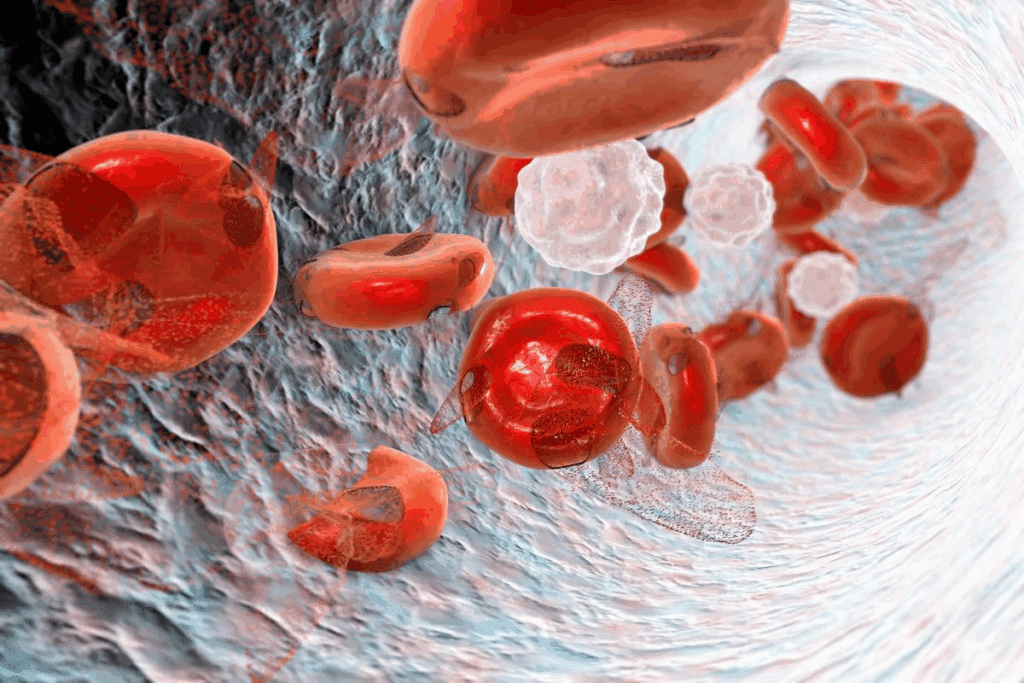
Blood clots are a natural part of healing in our bodies. But, they can be a worry if they form when they shouldn’t. We make blood clots to stop too much bleeding and help our bodies heal.
What Are Blood Clots and Why Do They Form?
Blood clots are like gel-like clumps of blood. They form when our body’s clotting mechanism kicks in. This mechanism is key to stopping bleeding when we get hurt.
For example, when we cut ourselves, the clotting process seals the wound. This stops too much blood from leaking out.
We need blood clots to form to:
- Stop bleeding when we are injured
- Promote healing by sealing off damaged blood vessels
- Maintain the integrity of our circulatory system
The Body’s Natural Clotting Mechanism
Our body’s clotting mechanism is complex. It involves cells, proteins, and chemicals working together. When we get hurt, our body starts a process to form a blood clot.
- Vascular spasm: The injured blood vessel constricts to reduce blood flow.
- Platelet plug formation: Platelets aggregate at the site of injury, forming a plug.
- Fibrin clot formation: Clotting factors work together to create a fibrin clot, which strengthens the platelet plug.
When Clotting Becomes Problematic
Blood clots are natural and needed when we get hurt. But, they can be a problem if they form too much or in the wrong place. For example, deep vein thrombosis (DVT) is when a blood clot forms in a deep vein, usually in the leg.
If the clot breaks loose, it can travel to the lungs. This can cause a pulmonary embolism (PE), which is very dangerous.
The risks of problematic clotting include:
| Condition | Description | Risks |
| Deep Vein Thrombosis (DVT) | A blood clot forms in a deep vein, typically in the leg. | Clot can break loose and travel to lungs, causing PE. |
| Pulmonary Embolism (PE) | A clot breaks loose and travels to the lungs, blocking blood flow. | Can be life-threatening if not treated promptly. |
The Natural Process: Do Blood Clots Go Away on Their Own?
The human body can dissolve blood clots naturally through a process called fibrinolysis. This is key for getting blood flow back to normal and healing after an injury. It’s also important when a clot needs to resolve.
Fibrinolysis is a series of steps that break down the fibrin clot. Knowing about this process helps us understand how the body handles clots. It also tells us how long it might take for them to dissolve.
Fibrinolysis: The Body’s Clot Dissolution System
Fibrinolysis is a two-step process. First, plasminogen turns into the active enzyme plasmin. Then, plasmin breaks down fibrin, the protein that holds clots together. This whole process is carefully controlled to prevent too much bleeding or clotting.
The Role of Plasmin and Other Enzymes
Plasmin is key in fibrinolysis, breaking down fibrin into smaller pieces. Other enzymes and proteins, like tissue plasminogen activator (tPA), urokinase, and plasminogen activator inhibitor (PAI), help manage this process. They make sure it happens at the right time and place.
Natural Timeline for Clot Breakdown
How long it takes for a blood clot to dissolve naturally varies. It depends on the clot’s size, where it is, and the person’s health. Usually, it can take from a few days to several weeks for the body to dissolve a clot through fibrinolysis.
| Clot Location | Typical Dissolution Time | Factors Influencing Dissolution |
| Surface Clots | 1-2 weeks | Clot size, overall health |
| Deep Vein Thrombosis (DVT) | Several weeks to months | Clot size, location, anticoagulant therapy |
| Arterial Clots | Variable, often requires medical intervention | Clot size, location, underlying health conditions |
Learning about clot dissolution and what affects it helps us appreciate our body’s healing. It also shows why sometimes, medical treatment is needed.
Timeline for Different Types of Blood Clots
The time it takes for a blood clot to dissolve depends on several factors. These include its size, location, and the individual’s overall health. Blood clots can form in various parts of the body. Their dissolution timelines can vary significantly.
Surface and Minor Clots: Weeks to Resolution
Minor clots, like those on the skin’s surface, usually resolve in a few weeks. These clots are often small and may not need much medical help. Symptoms usually subside as the clot begins to dissolve.
How Long for a Blood Clot to Dissolve in Veins
Clots in veins, known as venous thrombi, take longer to dissolve. The process can take several months. During this time, patients are often given anticoagulant medications to prevent the clot from growing. Monitoring by a healthcare provider is critical during this period.
“The management of venous thromboembolism involves not only the initial treatment but also long-term care to prevent recurrence.
How Long Does It Take for Blood Clots in Arteries to Dissolve
Arterial clots, which form in the arteries, are more dangerous and need immediate medical attention. The dissolution time for these clots can vary. But timely treatment is key to prevent serious complications. Treatment may involve thrombolytic therapy or surgical intervention to restore blood flow.
Understanding the timeline for different types of blood clots is key. It helps manage expectations and guide treatment decisions. We will continue to explore the factors that influence clot dissolution and the various treatment approaches available.
Deep Vein Thrombosis Resolution: How Long for DVT to Dissolve
If you have DVT, knowing what to expect can help a lot. The process of DVT getting better involves several steps. It starts with the acute phase and goes all the way to long-term healing.
Acute Phase: First Few Weeks
The first few weeks after finding out you have DVT are very important. This is when the risk of serious problems, like pulmonary embolism, is highest. Doctors start treatment right away to stop the clot from getting bigger and to lower the risk of more problems. A medical expert says,
“The initial few weeks are critical in managing DVT, as the risk of clot progression and embolism is highest during this period.”
It’s important to follow your treatment plan closely during this time.
Long-term Resolution: Months of Healing
The healing of DVT doesn’t stop after the first few weeks. Treatment usually lasts 3-6 months for a first-time DVT. Over time, the clot breaks down, and symptoms get better as the body absorbs it. Healing times can vary a lot because of things like how big the clot is, where it is, and your overall health.
Factors Affecting DVT Dissolution Time
Several things can affect how long it takes for DVT to dissolve. These include:
- Clot size and location
- How well the treatment works
- Your age and any other health issues you might have
Knowing these factors can help doctors and patients plan better and set realistic goals.
| Factor | Influence on DVT Dissolution |
| Clot Size | Larger clots may take longer to dissolve |
| Clot Location | Clots in certain locations may be more challenging to treat |
| Anticoagulation Therapy | Effective therapy can speed up clot dissolution |
Pulmonary Embolism Recovery: How Long Does It Take for PE to Dissolve
Knowing how long a pulmonary embolism takes to dissolve is key for both patients and doctors. It affects treatment plans and what patients can expect during recovery. The time it takes to recover from a PE depends on how severe it is and the treatment used.
Severity Levels of Pulmonary Embolism
Pulmonary embolism severity can vary, from low to high risk. The severity affects how long it takes to recover. High-risk PEs are more serious and need quick, aggressive treatment.
Table: Severity Levels of Pulmonary Embolism and Recovery Expectations
| Severity Level | Characteristics | Recovery Expectations |
| Low Risk | Minimal symptoms, stable vital signs | Short hospital stay, quick recovery |
| Moderate Risk | Notable symptoms, some vital sign instability | Hospitalization, treatment with anticoagulants |
| High Risk | Severe symptoms, significant vital sign instability | Aggressive treatment, possible thrombolytic therapy or embolectomy |
Treatment Approaches for Lung Clots
Treatment for pulmonary embolism often includes anticoagulants to stop new clots. In severe cases, thrombolytic therapy is used to break up the clot. The treatment choice depends on the PE’s severity and the patient’s health.
Anticoagulant therapy is the main treatment for PE, aiming to stop clot growth and prevent new ones. Thrombolytic therapy is for high-risk patients or those with large clots.
Recovery Timeline Expectations
The recovery time for pulmonary embolism varies based on the condition’s severity and treatment. Patients with low-risk PE usually recover faster than those with high-risk PE.
We closely watch patients during recovery, adjusting treatments as needed for the best results. Knowing what affects recovery helps both patients and doctors manage expectations and make better decisions.
Factors Affecting Blood Clot Dissolution Speed
The speed at which blood clots dissolve can vary a lot. This is due to several key factors. Knowing these factors is key for managing treatment plans for blood clot patients.
Clot Size and Location
The size and location of a blood clot are very important. Larger clots take longer to dissolve than smaller ones. Clots in deep veins or arteries are harder for the body to dissolve.
Individual Health Factors
Health conditions can affect how fast blood clots dissolve. For example, diabetes, hypertension, and cardiovascular disease can slow down the process.
Age and Overall Health Considerations
Age and health are also big factors. Older people or those with poor health may have slower clot dissolution. This is because their bodies are less efficient and may have other health issues.
| Factor | Impact on Clot Dissolution |
| Clot Size | Larger clots take longer to dissolve |
| Clot Location | Clots in deep veins or arteries are more challenging |
| Individual Health | Conditions like diabetes and hypertension can slow dissolution |
| Age | Older individuals may experience slower clot dissolution |
Medical Treatments: What Breaks Down Blood Clots
Medical treatments are key in managing blood clots. It’s important to know the options available for effective care. We’ll look at anticoagulants and thrombolytics as ways to break down blood clots.
The Destruction of a Blood Clot: Medical Approaches
There are many ways to tackle blood clots. Our medical team uses treatments that fit each patient’s needs. These strategies aim to stop clot growth and dissolve them.
Anticoagulants prevent clots from growing. Thrombolytics, on the other hand, dissolve clots.
Anticoagulants: Preventing Clot Growth
Anticoagulants stop new clots from forming and prevent existing ones from growing. They are vital in managing blood clots. They lower the risk of more clots forming.
Common anticoagulants include heparin, warfarin, and newer drugs like rivaroxaban and apixaban. These medications block the blood clotting process.
| Anticoagulant | Mechanism of Action | Common Use |
| Heparin | Activates antithrombin, inhibiting thrombin and factor Xa | Initial treatment of acute clots |
| Warfarin | Inhibits vitamin K-dependent clotting factors | Long-term prevention of clot formation |
| Rivaroxaban | Directly inhibits factor Xa | Treatment and prevention of venous thromboembolism |
Thrombolytics: What Dissolves Blood Clots Fast
Thrombolytics quickly dissolve blood clots. They are used in emergency situations like stroke or massive pulmonary embolism.
These drugs activate the body’s fibrinolytic system. This system breaks down fibrin clots. Alteplase and tenecteplase are common thrombolytic agents.
Thrombolytic therapy is for severe cases due to bleeding risks. The choice to use thrombolytics depends on the patient’s health and the clot’s severity.
Do Blood Clots Dissolve With Blood Thinners?
Many people wonder if blood thinners can dissolve blood clots. Blood thinners, or anticoagulants, are key in managing blood clots. But, their role is often not well understood.
How Blood Thinners Actually Work
Blood thinners stop the body from forming new clots or growing existing ones. They don’t dissolve clots themselves. Instead, they help prevent new clots and stop old ones from getting bigger.
By stopping the production of clotting factors or blocking their action, blood thinners reduce clot growth. This lets the body dissolve the clot naturally through fibrinolysis.
Limitations of Anticoagulant Therapy
Blood thinners are good at stopping clots from getting bigger. But, they don’t dissolve clots directly. Instead, they rely on the body’s natural processes.
This means dissolving clots can take time. Sometimes, more treatments are needed. Blood thinners also increase the risk of bleeding, which is a big concern for some patients.
When Blood Thinners Are Most Effective
Blood thinners work best for the right patients. They are lifesaving for those at high risk of clotting or with clotting disorders. They are also important for patients with atrial fibrillation, where clot risk is high.
The type and location of the clot also affect how well blood thinners work. For deep vein thrombosis (DVT), anticoagulation is key to prevent clot growth and pulmonary embolism.
In summary, blood thinners don’t dissolve clots directly. But, they are vital in managing clotting disorders by preventing clot growth. Understanding how they work, their limitations, and when to use them is key for effective clot management.
Interventional Procedures: How to Break Blood Clots Quickly
Interventional procedures are fast solutions for breaking down blood clots in urgent cases. They are key when dealing with severe or life-threatening clots.
Catheter-Directed Thrombolysis
Catheter-directed thrombolysis delivers thrombolytic medication directly to the clot through a catheter. This method targets the treatment more precisely and can be more effective than systemic thrombolysis.
Benefits: This procedure can dissolve clots faster and has a lower risk of bleeding compared to systemic thrombolysis.
Thrombectomy: Physical Removal of Clots
Thrombectomy removes the blood clot physically. It uses various techniques, including mechanical thrombectomy, to break up or retrieve the clot.
Advantages: Thrombectomy offers immediate relief by removing the clot, restoring blood flow, and preventing further damage.
Inferior Vena Cava (IVC) Filters
IVC filters are placed in the inferior vena cava to stop clots from reaching the lungs. They are not for dissolving clots but are vital for preventing pulmonary embolism.
| Procedure | Purpose | Benefits |
| Catheter-Directed Thrombolysis | Dissolves clots directly | Targeted treatment, reduced bleeding risk |
| Thrombectomy | Physically removes clots | Immediate relief, restores blood flow |
| IVC Filters | Prevents pulmonary embolism | Effective prevention of clot migration |
These interventional procedures are essential for managing severe blood clots. Healthcare providers can choose the best treatment for each patient based on these options.
Natural Approaches to Support Blood Clot Dissolution
Medical treatments are key for managing blood clots. But, natural methods can also help the body dissolve clots. Adding these to your life can boost your vascular health and help dissolve clots.
Dietary Considerations
Diet is vital for vascular health and clot dissolution. Foods rich in omega-3s, like salmon and flaxseeds, reduce inflammation and improve blood fats. Antioxidant-rich foods, such as berries and leafy greens, protect against oxidative stress and support heart health.
A diet full of fiber is also good for vascular health. It helps control blood sugar and blood fats. Whole grains, fruits, and vegetables are great fiber sources.
Physical Activity and Its Impact
Regular exercise is key for clot dissolution. Exercise boosts blood flow, reduces inflammation, and improves heart health. Walking, cycling, and swimming are great for vascular health.
Before starting any exercise, talk to a healthcare professional. This is true if you’ve had blood clots or heart issues. They can create a safe, effective workout plan for you.
Hydration and Blood Viscosity
Drinking enough water is essential for healthy blood viscosity and clot dissolution. Water makes blood thinner, reducing clotting risk. Drink at least eight glasses a day, adjusting for your activity and climate.
Herbal teas and electrolyte-rich drinks can also help with hydration. But, avoid dehydrating drinks like those with lots of caffeine or sugar.
Monitoring Recovery: Signs That Blood Clots Are Dissolving
Learning how to track recovery from blood clots is key. It helps us understand how we’re healing. We need to watch for signs that the clot is breaking down.
Diagnostic Tests to Track Progress
Diagnostic tests are vital for checking if blood clots are dissolving. They let doctors see if treatment is working and if they need to change it.
- D-dimer tests: Measure the levels of D-dimer, a protein fragment produced when a blood clot dissolves.
- Ultrasound: Uses sound waves to visualize the clot and assess its size.
- Venography: An imaging test that uses X-rays and contrast dye to visualize the veins and clots.
| Diagnostic Test | Purpose |
| D-dimer test | Measures clot dissolution by detecting D-dimer levels |
| Ultrasound | Visualizes clot size and assesses treatment effectiveness |
| Venography | Provides detailed images of veins and clots |
Physical Symptoms of Improvement
As blood clots dissolve, symptoms often get better. Seeing these improvements can be a good sign of healing.
Common symptoms of improvement include:
- Reduced pain and swelling in the affected limb
- Improved mobility and range of motion
- Decreased warmth or redness around the clot
When to Seek Medical Attention
Recovering from blood clots is a positive step, but sometimes we need medical help. Knowing when to seek care is important.
Warning signs include:
- Increased pain or swelling
- New or worsening symptoms
- Signs of pulmonary embolism, such as shortness of breath or chest pain
Conclusion: The Journey to Blood Clot Resolution
Understanding how blood clots dissolve is key to managing them well. The journey to resolve blood clots involves natural processes, medical treatments, and lifestyle changes. We’ve seen how the body breaks down clots and the role of treatments like anticoagulants and thrombolytics.
Clot size, location, and health status affect how fast clots dissolve. By combining medical treatment, diet, exercise, and staying hydrated, people can help their body dissolve clots naturally.
It’s important to watch recovery with tests and notice physical signs of getting better. If symptoms don’t get better or get worse, seek medical help. Knowing how blood clots dissolve helps people on their path to recovery.
FAQ
How long does it take for a blood clot to dissolve?
The time it takes for a blood clot to dissolve varies. It depends on the clot’s size and location, and your health. Minor clots might dissolve in weeks. But larger clots or those in critical areas could take months.
Can blood thinners dissolve clots?
Blood thinners, or anticoagulants, don’t dissolve clots directly. They stop clots from getting bigger. This lets the body naturally break them down. They’re key in managing blood clots and preventing new ones.
What dissolves blood clots fast?
Thrombolytics are medications that quickly dissolve blood clots. They’re used in emergencies, like severe pulmonary embolism or stroke. Quick clot dissolution is critical in these situations.
How long does it take for DVT to dissolve?
Deep Vein Thrombosis (DVT) can take months to fully dissolve. The dangerous phase usually lasts a few weeks. But, full healing can take longer.
How long does it take for PE to dissolve?
The time for a Pulmonary Embolism (PE) to dissolve varies. It depends on the embolism’s severity and treatment. With proper treatment, the body can start dissolving the clot in days to weeks.
Do blood clots dissolve on their own?
Yes, the body naturally breaks down blood clots through fibrinolysis. But, factors like clot size, location, and health can affect the rate of dissolution.
What are the signs that a blood clot is dissolving?
Signs of clot dissolution include less pain and swelling, better mobility, and normal skin color. Ultrasound tests can also show progress in clot dissolution.
Can dietary changes help dissolve blood clots?
Dietary changes alone can’t dissolve blood clots. But, eating fruits, vegetables, and omega-3 fatty acids supports vascular health. It can help in recovery.
How does physical activity impact blood clot dissolution?
Physical activity can improve circulation and help dissolve blood clots. But, the type and level of activity should be advised by healthcare professionals, mainly for DVT or PE.
What is catheter-directed thrombolysis?
Catheter-directed thrombolysis involves using a catheter to deliver thrombolytic medication directly to the clot. It dissolves the clot more quickly and effectively than systemic thrombolysis.
Are there natural ways to support blood clot dissolution?
Yes, staying hydrated, eating a healthy diet, and exercising can help the body dissolve blood clots naturally. These support the body’s natural processes.
References
- American College of Cardiology. (2025). Cover Story | Pulmonary Embolism: A Clinical Approach.
https://www.acc.org/Latest-in-Cardiology/Articles/2025/02/01/42/Cover-Story-Pulmonary-Embolism