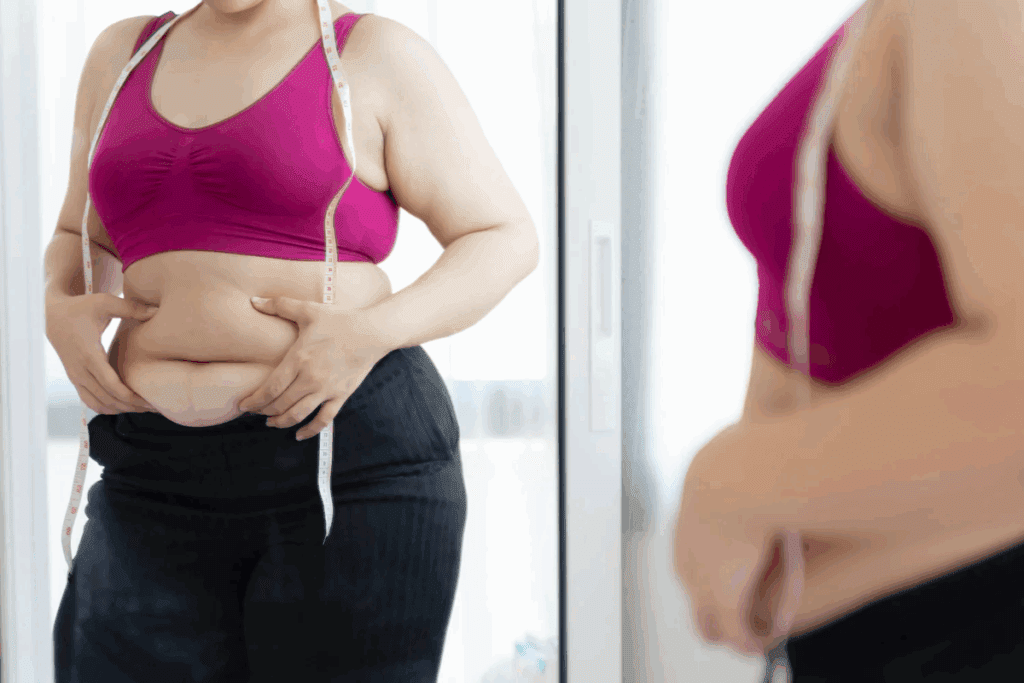
Approximately 20 million Americans have gallstones. This condition can really affect someone’s life. Gallstones are hard, pebble-like pieces that form in the gallbladder. They often cause severe pain in the abdomen.
Recent studies have found a possible link between gallstones and weight gain. This has caught the attention of both healthcare professionals and patients.
We will look into why gallstones might cause weight gain. Understanding this connection is essential. It helps manage symptoms and improve health for those affected.
Do gallstones make you gain weight? We explore the surprising facts about this common myth and the critical link between diet and gallstones.
Key Takeaways
- Gallstones affect a significant portion of the global population, with various risk factors contributing to their development.
- The presence of gallstones can lead to changes in digestion and metabolism, potentially influencing weight.
- Research into the link between gallstones and weight gain is ongoing, with several theories emerging.
- Managing gallstones effectively is key to easing symptoms and possibly reducing weight-related issues.
- A complete healthcare approach can help people with gallstones stay healthy and maintain a good weight.
Understanding Gallstones and Their Causes
To understand gallstones, we need to know their causes, symptoms, and how they affect our bodies. They can lead to weight changes. Gallstones are common and can greatly affect our quality of life.
What Are Gallstones?
Gallstones are hard deposits that form in the gallbladder, a small organ under the liver. They can be as small as a grain of sand or as big as a golf ball. There are two main types: cholesterol gallstones and pigment gallstones.
Cholesterol gallstones are yellowish-green and mostly made of cholesterol. Pigment gallstones are smaller and darker, made of bilirubin.
| Type of Gallstone | Composition | Characteristics |
| Cholesterol Gallstones | Primarily cholesterol | Yellowish-green, can be large |
| Pigment Gallstones | Made of bilirubin | Smaller, darker |
Common Risk Factors for Gallstones
Several factors increase the risk of gallstones. Being overweight or obese, having a family history, being over 40, and certain medical conditions like diabetes are risk factors. Diet also plays a role; high-fat, high-cholesterol foods can increase risk.
- Being overweight or obese
- Family history of gallstones
- Age over 40
- Certain medical conditions (e.g., diabetes)
- Diet high in fat and cholesterol
How Gallstones Form
This excess causes sediment to form, which hardens into stones. Knowing this helps in prevention and treatment.
Gallstones can cause a lot of discomfort and can lead to serious complications if not treated. By knowing the risk factors and how they form, we can prevent them and seek medical care when needed.
The Relationship Between Gallstones and Weight Gain
Gallstones can affect weight in unexpected ways. They can change how we feel hungry, how our body burns calories, and even our hormones. This makes the link between gallstones and weight gain quite complex.
Do Gallstones Cause Weight Gain?
Gallstones might make you gain weight, but it’s not simple. Loss of appetite is a common sign of gallbladder disease. Yet, the pain from gallstones can change how we eat, leading to weight changes.
As gallstone pain gets worse, most people eat less. But, some might gain weight because of hormonal changes or metabolism shifts.
How Gallstones Affect Appetite
Gallstones can really mess with our appetite. The pain makes eating hard, so we eat less. How this affects us varies, with some eating less and others eating more due to stress or discomfort.
Hormonal Influence and Weight
Hormones also play a part in how gallstones and weight are connected. The gallbladder stores bile, key for fat digestion. If gallstones block the bile duct, it can change how we digest fats, affecting weight. Hormonal changes can also influence gallstone formation and weight.
In summary, gallstones might not directly cause weight gain. But, they can change our appetite, metabolism, and hormones. This can impact our weight. It’s important to understand these complex interactions to manage weight and health with gallstones.
Symptoms of Gallstones
It’s important to know the signs of gallstones to get help quickly. Gallstones can cause mild to severe pain. Knowing these symptoms helps you know what to do next.
Common Symptoms to Watch For
Gallstones show up in different ways. You might feel pain in your upper right abdomen, feel sick to your stomach, or throw up. Christine Lee, MD, says the pain is sudden and can make you feel very sick.
When to Seek Medical Attention
See a doctor if your symptoms don’t go away or are very bad. If you have intense pain, fever, or yellow skin and eyes, get help right away. Early treatment can stop more problems and help with symptoms like gallbladder weight gain symptoms and gallstones digestive weight gain.
The Role of Diet in Gallstone Development
Understanding how diet affects gallstones is key to preventing and managing them. Studies show that what we eat can greatly influence gallstone formation.
Foods That May Contribute to Gallstones
A diet rich in fat and low in fiber may raise gallstone risk, studies suggest. Foods high in saturated fats and cholesterol can also contribute to gallstones. Some foods to watch out for include:
- Processed meats
- Refined carbohydrates
- Foods high in saturated fats
“A diet rich in processed foods and low in essential nutrients can disrupt the normal functioning of the gallbladder,” says a leading gastroenterologist. Limiting the intake of such foods is key to preventing gallstones.
Dietary Changes to Prevent Gallstones
Making dietary changes can help prevent gallstones. Eating foods high in fiber, like fruits, vegetables, and whole grains, can lower risk. Drinking plenty of water is also important for gallbladder health.
Increasing fiber intake can help prevent gallstones by improving digestion and reducing bile salt concentration. A balanced diet with a variety of nutrient-rich foods can keep the gallbladder healthy.
“Eating a balanced diet that is rich in fruits, vegetables, and whole grains can significantly reduce the risk of gallstone formation.”
Some recommended dietary changes include:
- Increasing consumption of fruits and vegetables
- Incorporating whole grains into your diet
- Reducing intake of saturated fats and cholesterol
Diagnosing Gallstones
Getting gallstones diagnosed right is key to finding the best treatment. Gallstones can really hurt and might cause bigger problems if not caught early.
Common Diagnostic Methods
Doctors start by looking at your medical history and doing a physical check-up. Lab tests, like blood tests, check for infection or inflammation signs. These tests help figure out if the gallbladder needs more checking.
Imaging techniques are also very important in finding gallstones. The most common one is ultrasound. It’s safe, quick, and doesn’t use harmful radiation.
Imaging Techniques Used
Ultrasound is the first choice because it’s safe, fast, and doesn’t use radiation. It can spot gallstones and check the gallbladder’s health. Sometimes, CT scans or MRI might be needed to look at more areas.
Endoscopic ultrasound (EUS) is used when it’s hard to tell if someone has gallstones. EUS uses an endoscope with an ultrasound probe to see the gallbladder and bile ducts up close.
Getting a correct diagnosis is the first step to treating gallstones well. By using medical checks, lab tests, and imaging, we can find out if someone has gallstones and plan the right treatment.
Treatment Options for Gallstones
Understanding how to manage gallstones is key. There are treatments like surgery and non-surgical options. The right choice depends on symptoms, complications, and health.
Non-Surgical Treatments
For some, non-surgical treatments are suggested. These include medications to dissolve gallstones for small stones and mild symptoms. But, it takes time and works for not everyone. Also, lifestyle modifications like diet changes can help manage symptoms and prevent more stones.
Some medications can help with pain. But, they don’t fix the root problem.
Surgical Options: Cholecystectomy
Recent guidelines say surgery to remove the gallbladder (cholecystectomy) is the main treatment. It’s best for those with recurring or severe symptoms. Cholecystectomy is very effective in preventing future problems. There are different ways to do it, like laparoscopic surgery, which is less invasive and leads to quicker recovery.
Surgery is generally safe, but there are risks. Patients should talk to their doctor about the benefits and risks for their case.
Choosing surgery is a big decision. Our medical team is here to help. We provide care and support to ensure the best results for our patients.
Post-Surgery Recovery and Weight Management
Recovering from a cholecystectomy is more than just healing. It’s about adjusting to a new way of digesting food. Understanding how the gallbladder’s removal affects our weight and digestion is key.
Impact on Weight After Gallbladder Removal
The gallbladder helps with digestion by storing bile. But removing it doesn’t directly cause weight gain. Changes in digestion and diet can affect weight, though.
- Changes in bowel movements or diarrhea due to bile salts reaching the intestines directly.
- Alterations in appetite or food preferences.
- Potential weight gain if dietary adjustments are not made.
It’s important to watch your weight and adjust your diet to stay healthy.
Managing Diet Post-Surgery
Managing your diet after surgery is vital for comfort and recovery. Here are some tips:
- Eat smaller, more frequent meals to ease digestion.
- Choose low-fat foods as they are easier to digest.
- Stay hydrated by drinking plenty of water.
- Avoid foods that trigger discomfort, such as spicy or fatty foods.
A balanced diet with fruits, vegetables, and whole grains is recommended.
By making these changes and listening to our bodies, we can recover more comfortably. And we can keep our weight healthy.
Connection to Other Health Issues
Gallstones are often linked to various health issues. It’s important to understand these connections for complete care. Gallstones can signal a bigger health problem that needs attention.
Gallstones and Obesity
Being overweight or obese raises the risk of gallstones. This is because of higher cholesterol levels and slower gallbladder movement. Maintaining a healthy weight is key to avoiding gallstones and other health problems.
Obesity is more than just extra weight. It affects many body systems. The connection between obesity and gallstones involves metabolic changes, hormonal effects, and lifestyle choices. Understanding this connection helps in finding better prevention and treatment methods.
Associated Conditions
Gallstones are linked to conditions like diabetes, high blood pressure, and heart disease. These conditions share common risk factors, such as a bad diet, not exercising enough, and genetics. Managing these associated conditions is vital for overall health and lowering gallstone risk.
A study found that gallstones increase the risk of heart disease. This shows the need for a complete approach to treating gallstone disease.
“The link between gallstones and cardiovascular disease highlights the importance of a holistic approach to health.”
This underlines the need for a holistic health approach. It considers both direct and indirect effects of gallstones.
In conclusion, the connection between gallstones and other health issues, like obesity and related conditions, is significant. By understanding these links and adopting a holistic health approach, we can manage and prevent gallstones better. This improves our overall well-being.
Lifestyle Changes to Prevent Gallstones
Living a healthier lifestyle can greatly lower the chance of getting gallstones. By choosing the right foods, staying active, and adopting good habits, we can avoid gallstone problems.
Recommended Exercises
Being active is key to a healthy life and can prevent gallstones. We suggest doing at least 150 minutes of moderate exercise, or 75 minutes of vigorous exercise, or a mix of both each week.
- Brisk Walking: A simple and effective way to get started with physical activity.
- Swimming: A low-impact exercise that’s easy on the joints.
- Cycling: Can be done indoors or outdoors, making it flexible.
Exercise helps keep a healthy weight and boosts digestive health. This can lower the risk of gallstones.
| Exercise Type | Intensity | Frequency |
| Brisk Walking | Moderate | 30 minutes, 5 days a week |
| Swimming | Vigorous | 20 minutes, 3 days a week |
| Cycling | Moderate | 45 minutes, 4 days a week |
Importance of Hydration
Drinking enough water is vital for health and helps prevent gallstones. We advise drinking lots of water all day to keep our digestive system healthy.
Drinking enough water aids in digestion and nutrient absorption. This can lower the risk of gallstones. Try to drink at least 8 cups (64 ounces) of water daily. Adjust this based on your personal needs and how active you are.
When to Consult a Specialist
When you start feeling symptoms of gallbladder disease, knowing when to see a specialist is key. We’ll help you know when you need expert advice and what to expect at your visit.
Signs You Need a Gallbladder Specialist
It’s important to know the signs of gallbladder disease to know when to go to the doctor. Look out for:
- Severe abdominal pain, mainly in the upper right side
- Nausea and vomiting, often after eating fatty foods
- Fever and chills, which could mean an infection
- Jaundice, shown by yellow skin and eyes
- Changes in stool or urine color, like clay-colored stools or dark urine
If you notice any of these symptoms, seeing a gallbladder specialist is a must for the right diagnosis and treatment.
What to Expect at Your Appointment
At your first visit, the specialist will do a detailed check-up. This might include:
| Diagnostic Method | Description |
| Medical History Review | A detailed review of your medical history to identify risk factors and previous conditions |
| Physical Examination | A physical examination to check for tenderness and other signs of gallbladder disease |
| Imaging Tests | Ultrasound or other imaging tests to visualize the gallbladder and detect any abnormalities |
| Laboratory Tests | Blood tests to check for signs of infection or other complications |
Knowing what to expect at your appointment helps you tackle your gallbladder health better.
Frequently Asked Questions About Gallstones
Gallstones often lead to many questions, like if they can come back and their long-term effects. Dealing with gallstones can be tough, and it’s normal to have questions. We aim to clear up some of these questions, helping you understand more about gallstones.
Can Gallstones Return After Surgery?
Many worry if gallstones can come back after surgery. Surgery to remove the gallbladder (cholecystectomy) is usually a final fix for gallstones. But, it’s important to know that even with the gallbladder gone, there’s a small chance of stones forming in the bile ducts.
Here’s some data to help you understand:
| Condition | Risk Before Surgery | Risk After Surgery |
| Gallstones in Gallbladder | High | Removed |
| Stones in Bile Ducts | Low | Very Low |
Are There Long-Term Effects of Gallstones?
Another big worry is the long-term effects of gallstones. Removing the gallbladder stops gallstones from forming there, but it might change digestion a bit. It’s key to keep a healthy lifestyle, with a good diet and exercise, to avoid long-term issues.
For long-term health, consider these tips:
- Eat a diet full of fruits, veggies, and whole grains
- Drink plenty of water to aid digestion
- Stay active to keep your health up
Knowing these tips can help you manage your health better and lower the risk of problems. We’re here to support and guide you through your health journey.
Final Thoughts on Gallstones and Weight
The link between gallstones and weight gain is complex. It’s important to understand this connection for our health.
Key Takeaways
We’ve looked at how gallstones form and their symptoms. We’ve also talked about treatment options. Knowing the risk factors helps us prevent gallstones through diet and lifestyle changes.
Embracing a Healthier Lifestyle
Making smart diet and lifestyle choices can lower gallstone risk. It’s key to talk to a healthcare expert for personalized advice. Together, we can foster a healthier lifestyle and well-being.
FAQ
Can gallstones cause weight gain?
Gallstones don’t directly cause weight gain. But, they can change how you feel and eat. This might lead to weight gain. The pain from gallstones can also change your eating habits.
How do gallstones affect appetite?
Gallstones can cause stomach pain, nausea, and digestive problems. This might make you eat less or more. Some people might eat less because of the pain. Others might eat more to feel better.
Can removing the gallbladder lead to weight gain?
Removing the gallbladder can change how you digest food. This might lead to weight gain if not managed well. But, eating healthy and staying active can help keep your weight stable after surgery.
Are there any dietary changes that can help prevent gallstones?
Yes, eating lots of fruits, veggies, and whole grains can help prevent gallstones. Avoid foods high in cholesterol and fats. Also, stay away from refined carbs.
Can gallstones return after surgery?
Even after surgery, you might feel symptoms like gallstones. This could be due to leftover stones or other issues. But, the chance of gallstones coming back is much lower after surgery.
How can I manage my weight after gallbladder removal?
To manage your weight after surgery, eat healthy, drink plenty of water, and exercise regularly. Avoid fatty and greasy foods to reduce discomfort.
Are there any long-term effects of having gallstones?
Untreated gallstones can cause serious problems like pancreatitis and cancer. But, with proper treatment, most people can recover without lasting effects.
Can lifestyle changes help prevent gallstones?
Yes, staying healthy, eating right, drinking water, and exercising can prevent gallstones. Avoiding crash diets and managing cholesterol also helps.
What are the signs that I need to consult a gallbladder specialist?
See a specialist if you have ongoing stomach pain, nausea, or changes in urine or stool. If you’ve had gallstones before or are at risk, seek help for any symptoms.
Can hormonal changes affect gallstone formation?
Hormonal changes, like in women, can increase gallstone risk. Hormones can change bile and gallbladder function, making gallstones more likely.
How do gallstones affect metabolism?
Gallstones can change how the body digests fats. This might affect weight, as the body may not process fats well.
Reference
National Center for Biotechnology Information. Evidence-Based Medical Insight. Retrieved from https://www.ncbi.nlm.nih.gov/pmc/articles/PMC8406364/