
Iron supplements are a common treatment for iron deficiency anemia. They can cause stomach problems. We will look into how iron supplementation and constipation are connected.
Research shows that up to 70% of people on oral iron supplements face stomach issues. These include constipation and bloating. It’s important to know about these side effects to help patients feel better and stay healthy.
Key Takeaways
- Iron supplements can cause gastrointestinal side effects, including constipation.
- Up to 70% of patients taking oral iron supplements may experience gastrointestinal complaints.
- Understanding the link between iron supplementation and constipation is key for patient care.
- Different types of iron supplements may affect the digestive system differently.
- Risk factors for iron-related constipation include individual tolerance and supplement type.
The Importance of Iron Supplementation
Iron supplementation is key to keeping our bodies healthy. It helps fight iron deficiency anemia, a common problem worldwide. This condition leads to tiredness, weakness, and shortness of breath. We’ll see why iron supplements are so important.
Common Reasons for Iron Supplementation
People often need iron supplements for iron deficiency anemia. Here are some reasons:
- Diagnosed iron deficiency or iron deficiency anemia
- Poor dietary intake or absorption of iron
- Chronic blood loss due to conditions like heavy menstrual periods or gastrointestinal ulcers
- Pregnancy or breastfeeding, which increase the body’s demand for iron
The World Health Organization (WHO) says iron deficiency is a big problem worldwide. Iron supplements are a simple and effective solution. They help reduce symptoms and boost health.
Benefits of Maintaining Proper Iron Levels
Keeping iron levels right through supplements has many benefits. Here are some:
|
Benefit |
Description |
|---|---|
|
Improved Energy Levels |
Iron supplements boost energy by fixing the tiredness caused by iron deficiency anemia. |
|
Enhanced Cognitive Function |
Enough iron is vital for thinking and learning. Supplements are key for those lacking it. |
|
Better Overall Health |
Iron supplements help overall health and reduce anemia risks. |
A study in a top medical journal found iron supplements are vital for treating iron deficiency anemia. This shows how important iron supplements are in medicine.
Types of Iron Supplements Available
Iron supplements come in different types, each with its own benefits and side effects. The type of iron used can affect how well it works and how it’s absorbed by the body. This can also impact the risk of stomach problems.
Ferrous vs. Ferric Iron Formulations
Iron supplements are mainly divided into ferrous and ferric types. Ferrous iron supplements, like ferrous sulfate and ferrous gluconate, are more popular. They are absorbed faster and work better than ferric iron supplements.
Ferric iron supplements, such as ferric citrate, are gentler on the stomach. They might be a better choice for some people. The right choice depends on how well you can tolerate the supplement and your iron needs.
Common Commercial Iron Supplements
There are many iron supplements on the market, each with its own mix. Here are a few examples:
- Ferrous sulfate: It has a lot of iron and works well, but can upset your stomach.
- Ferrous gluconate: It’s easier on the stomach than ferrous sulfate but has less iron.
- Ferric citrate: It’s used for iron deficiency and helps with phosphate levels in kidney disease.
- Iron polysaccharide complex: It’s made to be gentle on your stomach.
|
Iron Supplement Type |
Elemental Iron Content |
Absorption Rate |
Gastrointestinal Side Effects |
|---|---|---|---|
|
Ferrous Sulfate |
20% |
High |
Common |
|
Ferrous Gluconate |
12% |
Moderate |
Less Common |
|
Ferric Citrate |
Varies |
Lower |
Variable |
|
Iron Polysaccharide Complex |
Varies |
Moderate |
Less Common |
Knowing about the different iron supplements can help doctors and patients choose the best one. It’s all about finding a balance between how well it works and how it makes you feel.
Do Iron Supplements Cause Constipation?
Many people taking iron supplements experience constipation. We’ll look into why this happens. We’ll check out what clinical studies and statistics say about iron and constipation.
Clinical Studies and Statistical Evidence
Many studies have looked into constipation and iron supplements. They found that 4% to 12% of people get constipation from iron pills. For example, a study in the Journal of Clinical Pharmacology showed that ferrous sulfate pills caused more constipation than a placebo.
Let’s dive into some key studies:
|
Study |
Population |
Iron Formulation |
Constipation Rate |
|---|---|---|---|
|
Journal of Clinical Pharmacology |
100 adults with iron deficiency |
Ferrous Sulfate |
10% |
|
American Journal of Medicine |
200 pregnant women |
Ferrous Fumarate |
8% |
|
European Journal of Clinical Nutrition |
150 children with anemia |
Ferric Iron |
5% |
Prevalence Rates in Different Populations
Constipation from iron pills can vary. Pregnant women and those with gut issues might get it more often. A study in the American Journal of Obstetrics and Gynecology showed pregnant women taking iron had more constipation than others.
It’s important for doctors to know this. They can then help patients avoid or lessen constipation. By looking at how it affects different groups, we can give better care.
How Iron Affects Your Digestive System
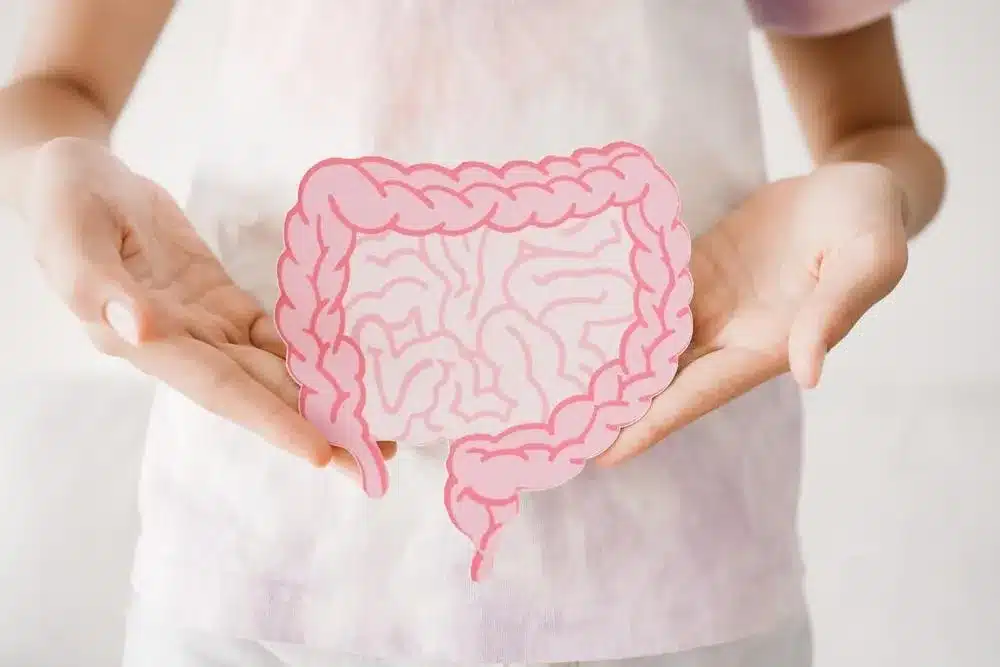
It’s important to know how iron affects your digestive system. Iron supplements are often given to treat iron deficiency. But, they can also have big effects on your digestion.
Iron Absorption in the Gut
Iron is mainly absorbed in the small intestine’s duodenum and upper jejunum. The way iron is absorbed can change based on several factors. Ferrous iron types, like ferrous sulfate, are easier to absorb than ferric iron types.
The gut’s ability to absorb iron is key for keeping iron levels healthy. But, other nutrients and substances in your diet can also play a role. For instance, vitamin C helps iron absorption, while some polyphenols and phytates can block it.
Effects on Intestinal Motility
Iron supplements can change how your digestive system moves. Some research shows iron might slow down this movement, leading to constipation. This effect can differ from person to person and depends on the iron type.
- Iron can alter the gut microbiome, potentially affecting digestive health.
- Changes in intestinal motility can lead to constipation or other digestive discomforts.
- The impact of iron on intestinal motility may be more pronounced in individuals with pre-existing digestive conditions.
The Science Behind Iron-Induced Constipation
To understand iron-induced constipation, we need to look at how it affects our gut and intestines. Recent studies have given us important insights into iron’s impact on digestion.
Methane Production and Gut Microbiome Changes
Iron supplements can make our gut produce more methane. Methane is a gas that some microbes in our intestines make. It can slow down how our intestines move, leading to constipation.
Iron also changes the gut microbiome, the mix of microbes in our intestines. These changes can make our body process iron differently, causing constipation. The shift in microbes might make more methane, making constipation worse.
Impact on Intestinal Movement
Iron affects intestinal movement too. This movement is key for mixing food with digestive enzymes and absorbing nutrients. If iron slows down this movement, it can cause constipation.
Studies show that changes in gut motility come from the microbiome changes and more methane. Knowing this helps doctors give better advice to those taking iron supplements.
Risk Factors for Iron-Related Constipation
The chance of getting iron-related constipation varies from person to person. Several key factors play a role. Knowing these can help spot who might need extra care or different iron supplements.
Pre-existing Digestive Conditions
People with certain digestive issues are more likely to face iron-related constipation. Conditions like irritable bowel syndrome (IBS), diverticulosis, and gastrointestinal motility disorders raise the risk. These issues can mess with how the bowel works, making it harder for the body to handle extra iron.
For example, those with IBS might see their bowel habits change, making iron supplements worse. Also, folks with diverticulosis could face a higher chance of constipation because of their colon’s shape.
Age and Gender Considerations
Age and gender also play big roles in iron-related constipation risk. Older adults tend to get constipation more often. This is because they move less, their gut moves slower, and they might have other health issues. Women, mainly those of childbearing age, also face a higher risk. This could be because of hormonal changes and the common iron deficiency anemia in this group.
Healthcare providers need to think about these factors when suggesting iron supplements. They should weigh the good against the bad and look into other options to prevent constipation in those at risk.
Iron Dosage and Constipation Risk
Knowing how iron dosage affects constipation risk helps manage supplements better. The amount of iron in supplements is key to avoiding constipation. This common side effect can make sticking to treatment hard.
How Higher Doses Increase Constipation Risk
Studies show that more iron in supplements means a higher chance of constipation. High doses are harder for the body to absorb, causing stomach problems. Doses over 45 mg a day often lead to constipation.
Key factors contributing to constipation risk at higher iron doses include:
- Increased iron load in the gut, which can affect gut motility and microbiota.
- Higher concentrations of unabsorbed iron, which can alter the gut environment.
- Potential irritation of the gastrointestinal mucosa, leading to slowed intestinal movement.
The 45mg Threshold and Its Significance
The 45mg threshold is important because it’s when constipation risk goes up a lot. Research shows doses under 45 mg are usually easier on the stomach. But, how well someone can tolerate it depends on many things.
Healthcare providers need to think about these things when giving out iron supplements. They must balance the need for iron with the risk of stomach problems.
Understanding the link between iron dosage and constipation risk helps find the right amount. This way, people can get the iron they need without too many side effects.
Iron Formulations and Their Impact on Digestive Health
It’s important to know about different iron supplements and how they affect digestion. Iron supplements come in various forms, each with its own effects on the body.
Iron supplements are essential for individuals with iron deficiency or those at risk, yet the digestive side effects vary depending on the iron formulation.
Why Ferrous Sulfate Causes More Constipation
Ferrous sulfate is a common iron supplement because it’s effective and affordable. But, it can cause stomach problems, like constipation. The high iron in ferrous sulfate can upset the gut microbiome and slow down digestion.
Ferrous sulfate tends to cause more constipation than other types. This is because it has a lot of iron and can irritate the stomach. This irritation can cause inflammation and change bowel habits.
Comparing Constipation Rates Between Different Formulations
Different iron types affect the stomach differently. For example, iron bisglycinate and iron citrate are gentler on the stomach than ferrous sulfate. Studies show they cause less constipation.
- Iron Bisglycinate: Known for its gentle action on the stomach, reducing the risk of constipation.
- Ferrous Gluconate: Another formulation that is often better tolerated than ferrous sulfate.
- Slow-Release Formulations: Designed to release iron more slowly, potentially reducing gastrointestinal side effects.
When picking an iron supplement, think about how it might affect your digestion. Talking to a healthcare provider can help find the best iron for you.
Other Digestive Side Effects of Iron Supplements
Beyond constipation, iron supplements can cause other digestive issues. These issues can make it hard for people to feel comfortable. Iron supplements are key for treating iron deficiency, but their side effects can be a big problem.
Nausea and Stomach Pain
Many people taking iron supplements experience nausea and stomach pain. The high iron content can irritate the stomach lining, leading to discomfort and nausea. This is often worse when taken on an empty stomach. Taking iron with food or shortly after eating can help.
The type of food eaten also matters. Vitamin C can help iron absorption but may also increase side effects. Adjusting diet and timing of iron intake can help manage these side effects.
Can Iron Supplements Cause Diarrhea?
Yes, iron supplements can cause diarrhea in some people. The type of iron and how sensitive a person is can affect this. Ferrous iron, like ferrous sulfate, is more likely to cause stomach problems, including diarrhea, than other forms like iron bisglycinate.
Diarrhea from iron supplements happens when unabsorbed iron reaches the colon. It can draw water into the colon, causing diarrhea. Changing the iron type or dose can help reduce this symptom.
In summary, iron supplements are vital for treating iron deficiency but can lead to digestive issues like nausea, stomach pain, and diarrhea. Knowing about these side effects and how to lessen them can help improve treatment success and patient comfort.
How Constipation Affects Treatment Adherence
Constipation is a big problem with iron supplements. It makes it hard for patients to follow their treatment plans. When iron supplements cause constipation, patients often struggle to keep up with their treatment.
Gastrointestinal side effects like constipation can make patients not follow their iron therapy. This is a big deal because not following the treatment can make it less effective. It can also lead to more health problems related to iron deficiency.
Impact on Patient Compliance
Patient compliance is key for iron therapy to work. Constipation can make patients uncomfortable and less likely to keep taking their iron. Studies show that patients with constipation are more likely to miss doses or stop taking their iron supplements.
Here are some things that affect patient compliance:
- Severity of Constipation: Severe constipation makes patients more likely to stop taking iron supplements.
- Duration of Treatment: Longer treatments can lead to more non-adherence if constipation lasts.
- Patient Education: Teaching patients how to manage constipation can help them stick to their treatment.
Discontinuation Rates Due to Side Effects
Side effects like constipation are a big reason patients stop taking iron supplements. Research shows that many patients stop their iron therapy because of these side effects. This not only makes the treatment less effective but also hurts patient health.
Here are some important facts about discontinuation rates:
- Up to 20% of patients may stop taking iron supplements because of side effects.
- Constipation, nausea, and stomach pain are top reasons for stopping treatment.
- Changing the type or amount of iron can help reduce side effects and improve adherence.
Healthcare providers can help by finding ways to reduce constipation’s impact. They can adjust dosages, suggest dietary changes, or switch to different iron types. This can help patients stick to their treatment and improve their health.
Preventing Constipation While Taking Iron
Iron supplements can sometimes cause constipation. But, there are ways to lower this risk. By knowing how to take iron supplements right and making some dietary changes, you can cut down on constipation chances.
Optimal Timing of Iron Intake
When you take iron can affect how well you tolerate it. Taking iron with food can lessen stomach side effects, like constipation. It’s best to take iron with a meal or snack that has vitamin C to boost iron absorption.
Think about when you take your iron. Some people find taking it at night helps avoid side effects. This way, your body can absorb the iron while you sleep.
Tips for Optimal Timing:
- Take iron supplements with food to reduce gastrointestinal irritation.
- Consider taking iron in the evening to minimize side effects.
- Avoid taking iron supplements with calcium-rich foods or beverages, as calcium can inhibit iron absorption.
Dietary Adjustments to Improve Tolerance
Making dietary changes can help you tolerate iron supplements better. Eating more fiber from fruits, veggies, and whole grains can help keep your bowels regular and avoid constipation.
Drinking enough water is also key. It makes stool softer and easier to pass, lowering constipation risk.
Dietary Recommendations:
|
Dietary Component |
Benefit |
Examples |
|---|---|---|
|
Fiber-rich foods |
Promotes regular bowel movements |
Fruits (apples, berries), vegetables (broccoli, carrots), whole grains (brown rice, quinoa) |
|
Adequate hydration |
Softens stool, eases bowel movements |
Water, herbal teas |
|
Vitamin C-rich foods |
Enhances iron absorption |
Citrus fruits (oranges, lemons), bell peppers, tomatoes |
By using these strategies, you can lower the chance of getting constipation from iron supplements. This way, you can keep taking your treatment without discomfort.
Managing Iron-Induced Constipation
Iron supplements can sometimes cause constipation. A good plan to manage this is key for health. It’s important for those who need iron to stay healthy.
Multidisciplinary Management Approaches
Dealing with constipation from iron supplements needs a few steps. Dietary adjustments are important. Eating more fiber from fruits, veggies, and whole grains helps. Drinking enough water is also key.
Changing your lifestyle is another step. This includes regular exercise and a set bowel routine. Sometimes, doctors might suggest stool softeners or laxatives to help.
When to Consider Stool Softeners
Stool softeners are a good option when diet and lifestyle changes don’t work. They make stool softer and easier to pass by adding water.
- Indications for Stool Softeners: If you’re constipated and can’t change it with diet, or if it’s very bad and hurts. Also, if you strain too much when you go.
- Precautions: Always talk to a doctor before using stool softeners. They can affect other medicines or have side effects.
Alternative Iron Formulations for Sensitive Individuals
For those who can’t handle traditional iron supplements, there are better options. Iron is key for fixing deficiencies, but old forms can upset the stomach. So, finding new ways to take iron is vital for comfort and sticking to treatment.
Liquid Iron Supplements
Liquid iron is gentler on the stomach. Liquid formulations make it easy to adjust doses and might prevent constipation. Some people like it because it can be mixed with drinks, easing stomach upset. But, it’s important to stick to the right amount to avoid too much iron.
Slow-Release and Enteric-Coated Options
Slow-release and enteric-coated iron supplements are also good choices. They release iron slowly or in the right part of the gut, lessening stomach upset. Slow-release keeps iron levels steady, while enteric-coated protects the stomach by delaying iron release.
These alternatives make iron supplements easier to take for those who are sensitive. Always talk to a doctor before trying new supplements to make sure they’re right for you.
Best Iron Supplements That Minimize Constipation

Finding the right iron supplement can greatly reduce digestive discomfort. Iron supplements are key for those with iron deficiency. But, some can cause more constipation than others. We’ll look at the best iron supplements that help avoid constipation, focusing on gentle and combination products.
Iron Bisglycinate and Other Gentle Formulations
Iron bisglycinate is known for being gentle on the stomach. Unlike other iron supplements, iron bisglycinate is less likely to cause digestive discomfort. Other gentle options include iron citrate and iron fumarate, which are easier to tolerate. These alternatives are great for those who have bad reactions to traditional iron supplements.
Combination Products with Stool Softeners
For those who get constipated with regular iron supplements, combination products with stool softeners can help. These products aim to lessen the constipating effects of iron. This makes it easier to have regular bowel movements. By mixing iron with a stool softener, you might avoid constipation linked to iron supplements.
When picking an iron supplement, think about its formulation and how it affects your digestion. Talking to a healthcare provider can help find the best iron supplement for you. This way, you can lower the chance of constipation and other stomach issues.
When to Consult a Healthcare Provider
It’s important to know when to see a doctor about constipation. Sometimes, constipation is just a normal part of life. But if it lasts a long time or is very bad, it might mean there’s something wrong that needs a doctor’s help.
Warning Signs of Severe Constipation
Severe constipation can show up in different ways. Here are some signs to watch for:
- Persistent Constipation: If you’re constipated for more than a few days or it keeps coming back.
- Severe Pain: Feeling really bad pain in your belly or cramps.
- Bleeding: Seeing blood in your stool or having bleeding from your rectum.
- Nausea and Vomiting: Feeling sick to your stomach or throwing up, which could mean your intestines are blocked.
- Significant Changes in Bowel Habits: If your bowel habits change suddenly without a reason.
If you notice any of these signs, you should talk to a doctor. They can check if there’s something serious going on that needs treatment.
When to Consider Alternative Treatment Approaches
If iron supplements are causing constipation and it’s affecting your life, it’s time to think about other options. You might want to:
- Adjusting Iron Dosage: Talk to your doctor about changing your iron dose to lessen side effects.
- Switching Iron Formulations: Look into different iron types that might not cause constipation as much.
- Alternative Iron Supplements: Try liquid iron or slow-release iron instead.
- Dietary Changes: Change your diet to help with constipation, like eating more fiber or drinking more water.
Talking to a healthcare provider can help find the best solution for you. They can suggest what’s best based on your health and needs.
Conclusion: Balancing Iron Needs and Digestive Comfort
It’s important to balance iron needs and keep our digestive system comfortable. Understanding why iron can cause constipation helps us manage it. This way, we can keep our iron levels right without harming our digestion.
Iron deficiency is a big problem worldwide, and many need supplements. But, iron pills can sometimes cause stomach problems like constipation. About 10 million people in the U.S. lack enough iron, and 5 million have iron deficiency anemia.
Studies show that from 2003 to 2012, 7.1% of Americans had severe anemia. To avoid constipation, we can try different iron types, change how much we take, or eat certain foods. For example, a study on the website shows how iron pills can lead to constipation.
By taking a full approach to iron supplements, we can reduce stomach issues. We need to know the risks, pick the right iron, and make lifestyle changes. This way, we can keep our iron levels up without upsetting our stomachs.
FAQs
Does iron cause constipation?
Iron supplements can sometimes cause constipation. This depends on the type of iron, how much you take, and how your body reacts.
Can iron supplements cause diarrhea?
Yes, iron supplements can lead to diarrhea in some people. But constipation is more common. The risk depends on the iron type and how you react to it.
What type of iron supplement is least likely to cause constipation?
Iron bisglycinate and other gentle types, like liquid iron or slow-release options, might cause less constipation. They are different from traditional ferrous sulfate.
How can I prevent constipation while taking iron supplements?
To avoid constipation, take iron with food. Also, eat more fiber, drink lots of water, and stay active. Adjusting when you take iron and what you eat can help too.
Can I take stool softeners with iron supplements?
Sometimes, doctors suggest stool softeners or laxatives with iron to prevent constipation. But always talk to a doctor before adding new medicines.
Are there any alternative iron formulations for sensitive individuals?
Yes, for those who react badly to traditional iron, there are alternatives. Liquid iron, slow-release, or enteric-coated options might be better.
When should I consult a healthcare provider regarding constipation?
If iron makes you severely constipated, hurts your stomach, or causes other bad symptoms, see a doctor. They can help manage side effects and adjust your treatment.
Can iron supplements cause other digestive side effects?
Yes, iron can also cause nausea, stomach pain, and changes in bowel movements. This includes diarrhea or constipation.
How do different iron formulations affect digestive health?
Different irons affect digestion differently. Ferrous sulfate might cause more constipation than iron bisglycinate or liquid iron.
Is it safe to take iron supplements long-term?
Iron supplements are usually safe for long use if you follow your doctor’s advice. But, always check your iron levels and adjust your treatment as needed to stay safe.
References:
Consensus. (n.d.). Can too much iron cause constipation? https://consensus.app/questions/can-too-much-iron-cause-constipation/