Stomach ulcers are a common issue that can cause discomfort. If you often feel bloated or have too much gas, an ulcer might be the reason. This is something to think about if you’re feeling uncomfortable in your stomach.
Wondering ‘do ulcers cause gas?’ This guide gives 5 alarming facts about peptic ulcer symptoms, including bloating, and how to get proven relief.
Recent studies have found that bloating and belching are signs of peptic ulcer disease. At Liv Hospital, we use the latest technology and proven treatments. We aim to find ulcers and their symptoms quickly, so you can get the help you need.
Stomach ulcers can really bother people, affecting millions every year. Our team focuses on you, providing support and effective treatments. We want to help you feel better.
Key Takeaways
- Stomach ulcers can cause gas and bloating as secondary symptoms.
- Bloating and belching are recognized symptoms of peptic ulcer disease.
- Liv Hospital offers advanced diagnostic technology and evidence-based treatment.
- A patient-centered approach ensures you get the care and support you need.
- Getting a diagnosis and treatment early can make you feel better and improve your life.
Understanding Stomach Ulcers: An Overview
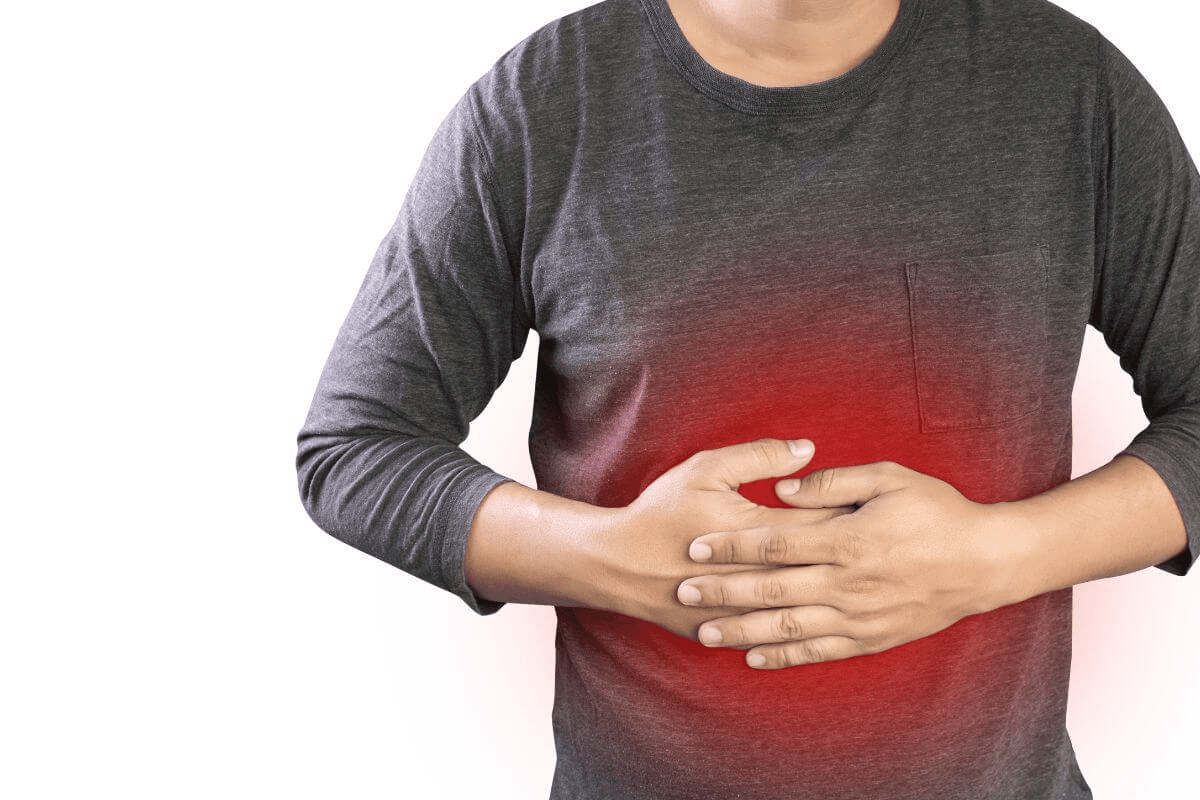
Stomach ulcers are open sores in the stomach and small intestine’s top part. They are also known as peptic ulcers. These ulcers can be very painful and may lead to serious problems if not treated.
What Are Stomach Ulcers?
Stomach ulcers happen when the stomach or small intestine’s lining gets damaged. This damage lets stomach acid get through and cause an ulcer. This can be due to Helicobacter pylori bacteria or long-term use of NSAIDs.
Symptoms of stomach ulcers include burning pain in the stomach, nausea, and vomiting. Knowing about stomach ulcers is key to managing symptoms and avoiding more problems.
Prevalence in the United States
In the United States, about 4 million stomach ulcers are treated every year. This shows how common stomach ulcers are. It’s important to know about risk factors, symptoms, and treatments.
Stomach ulcers can happen to anyone, but some people are at higher risk. This includes older people, certain lifestyles, and those with health issues.
Types of Peptic Ulcers
There are two main types of peptic ulcers: gastric and duodenal. Gastric ulcers are in the stomach, and duodenal ulcers are in the small intestine’s top part. Duodenal ulcers are more common than gastric ulcers.
Knowing the different types of peptic ulcers helps find the right treatment. The location and cause of the ulcer affect the treatment plan.
The Connection: Do Ulcers Cause Gas and Bloating?
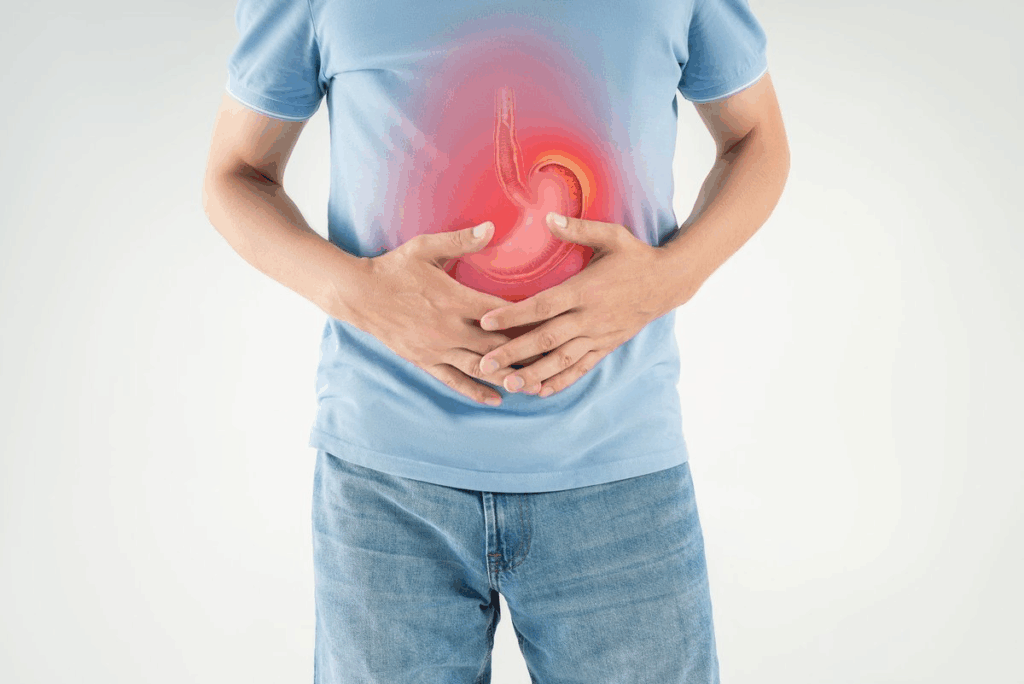
Research has shown that stomach ulcers might cause gas and bloating. We’ll look at the science behind this. We’ll talk about how ulcers affect digestion and what patients feel.
Scientific Evidence on Ulcers and Gas Production
Studies link peptic ulcer disease to bloating and belching. H. pylori infection, a common cause of ulcers, can change the gut’s bacteria. This might lead to more gas.
A study in a medical journal found that peptic ulcer patients often feel bloated and gassy. This shows a connection between ulcers and digestive issues.
How Ulcers Affect Digestive Function
Ulcers can mess with digestion in several ways:
- Inflammation from ulcers can slow digestion, causing gas.
- H. pylori can change the gut’s bacteria, leading to gas.
- Scars from ulcers can block food movement, causing gas and bloating.
Patient Experiences with Gas and Bloating
People with stomach ulcers often feel gassy and bloated. These symptoms can be severe and affect daily life.
Some common feelings include:
- Feeling uncomfortably full or bloated after eating.
- Experiencing belching or passing gas.
- Noticing symptoms get worse after eating certain foods.
Understanding these feelings is key to managing the condition better and improving life for patients.
Mechanisms Behind Gas Formation in Ulcer Patients
It’s important to know why ulcers cause gas and bloating. This knowledge helps in managing the condition better. We will look into the reasons behind this to understand it fully.
Bacterial Overgrowth and H. pylori
Bacterial overgrowth is a main reason for gas in ulcer patients. This is often linked to Helicobacter pylori (H. pylori) infection. H. pylori can cause stomach ulcers and is found in about 80 percent of cases.
This infection can upset the balance of gut bacteria. This imbalance leads to more gas. The bacteria ferment food, causing bloating and discomfort.
Managing H. pylori infection is key to reducing gas symptoms in ulcer patients.
Scarred Tissue and Gas Buildup
Scar tissue from healed ulcers also plays a role in gas formation. This tissue can slow down food movement. It makes digestion harder, leading to gas buildup.
Scar tissue can also narrow stomach or intestine passageways. This can trap gas, causing bloating. Understanding scar tissue’s role in gas buildup is key to effective treatment.
Altered Digestive Processes
Ulcers can change how we digest food, leading to gas. The pain and discomfort from ulcers can make eating habits worse. This can lead to poor digestion and more gas.
Ulcer inflammation can also mess with digestion. It changes how food is processed, causing more gas and bloating. Fixing these digestive changes is important for managing gas symptoms in ulcer patients.
Common Symptoms of Stomach Ulcers
Knowing the signs of stomach ulcers is key to catching them early. Stomach ulcers can make life hard with their symptoms. We’ll cover the usual signs to help you know when to see a doctor.
Burning Abdominal Pain
Burning pain in the stomach is a big sign of ulcers. It feels like gnawing or burning in the upper belly, sometimes moving to the back. This pain happens between meals or at night and can ease with food or antacids. The pain comes from the ulcer eating away at the stomach lining, causing pain and serious problems if not treated.
Gas and Bloating Symptoms
People with stomach ulcers often feel bloated and gassy. The ulcer can mess with digestion, making more gas and discomfort. Bloating makes you feel full and puffy, often with belching or gas. These symptoms can really get in the way of enjoying life.
Symptom | Description |
Burning Abdominal Pain | Gnawing or burning sensation in the upper abdomen |
Gas and Bloating | Increased gas production, discomfort, and belching |
Nausea and Vomiting | Feeling queasy, potentially leading to vomiting |
Acid Reflux and Heartburn | Stomach acid flowing back into the esophagus, causing burning sensation |
Nausea and Vomiting
Nausea and vomiting are signs of stomach ulcers too. The ulcer’s irritation can make you feel sick and sometimes make you throw up. Vomiting can mean a serious problem, like if it keeps happening or has blood. If you’re vomiting, you should see a doctor right away.
Acid Reflux and Heartburn
Acid reflux and heartburn can also happen with stomach ulcers. When stomach acid goes back up into the esophagus, it burns the chest and throat, called heartburn. This gets worse after eating or when lying down. It’s important to manage acid reflux and heartburn to avoid more damage.
Spotting these symptoms of stomach ulcers is key to getting help fast. If you’re feeling any of these, seeing a doctor is a must to figure out what to do next.
What Does a Stomach Ulcer Feel Like?
Stomach ulcer pain is a big worry for many. It shows up in certain ways. The pain happens when stomach juices hit an open sore in the stomach lining.
Characteristic Pain Patterns
Stomach ulcer pain usually starts in the upper-middle part of the abdomen. It’s above the belly button and below the breastbone. This pain feels like burning or gnawing and can spread to the back.
The pain from stomach ulcers can change in strength. It might also make you feel sick or lose your appetite. Sometimes, the pain is so bad it gets better with food or antacids.
Timing of Symptoms
The timing of stomach ulcer pain can tell us a lot. It often happens when the stomach is empty, like between meals or at night. It can also get worse with certain foods or drinks.
Eating might help the pain, but it can also make it worse. Knowing when and how the pain happens is key to figuring out what’s wrong.
Differentiating Ulcer Pain from Other Conditions
Telling stomach ulcer pain from other belly issues can be hard. But, pain that goes away with eating or antacids points to an ulcer.
Other problems like gastritis or irritable bowel syndrome (IBS) can have similar symptoms. So, getting a doctor’s diagnosis is very important.
Understanding the pain’s nature and when it happens helps figure out if it’s an ulcer or something else.
Primary Causes of Stomach Ulcers
Stomach ulcers can come from several main causes. Knowing these causes helps in preventing and treating them.
Helicobacter Pylori Infection
Helicobacter pylori (H. pylori) is a major cause of stomach ulcers. This bacteria damages the stomach lining. It’s found in about 80 percent of peptic ulcer disease cases.
“The presence of H. pylori is a major risk factor for the development of peptic ulcers,” notes a study published in a leading medical journal. “Eradication of the bacteria is a key component of ulcer treatment.”
NSAID Use and Stomach Damage
Long-term use of nonsteroidal anti-inflammatory drugs (NSAIDs) also causes stomach ulcers. NSAIDs, like ibuprofen and aspirin, irritate the stomach lining.
NSAID | Common Use | Risk Level for Ulcers |
Ibuprofen | Pain relief, inflammation | Moderate |
Aspirin | Pain relief, blood thinning | High |
Naproxen | Pain relief, inflammation | Moderate to High |
Other Contributing Factors
While H. pylori and NSAIDs are the main causes, other factors also play a role. These include:
- Excessive alcohol consumption
- Smoking
- Stress
- Certain medical conditions, such as Zollinger-Ellison syndrome
Knowing these factors helps in preventing stomach ulcers. If you’re experiencing symptoms or are at risk, talk to a healthcare professional for advice.
Diagnosing Stomach Ulcers
Diagnosing stomach ulcers requires several medical tests and procedures. We’ll explain what happens when you visit a doctor for suspected ulcers. This will help you know what to expect.
Medical Tests and Procedures
There are many tests to find stomach ulcers. Here are some:
- Blood tests check for Helicobacter pylori, a common cause of ulcers.
- Breath tests find H. pylori by measuring carbon dioxide in the stomach.
- Stool antigen tests also detect H. pylori infection.
- Upper GI X-rays show ulcers, but are less used today.
- Endoscopy uses a camera tube to see the stomach lining for ulcers. It also takes biopsies.
- CT scans look for complications like perforation.
When to See a Doctor
See a doctor if you have ongoing or severe symptoms. These might mean you have a stomach ulcer. Look out for:
- Burning stomach pain that doesn’t get better with treatment.
- Vomiting blood or black stools.
- Severe stomach tenderness.
- Unexplained weight loss.
Early diagnosis is important for treatment and avoiding complications.
Ruling Out Other Conditions
Doctors also check for other conditions that might cause similar symptoms. These include:
- Gastritis, an inflammation of the stomach lining.
- Gastroesophageal reflux disease (GERD).
- Irritable bowel syndrome (IBS).
- Less common conditions like Zollinger-Ellison syndrome.
A detailed diagnostic process ensures the right condition is found and treated.
Knowing how stomach ulcers are diagnosed helps you on your healthcare journey. If you think you might have a stomach ulcer, seeing a doctor is the first step. They can give you an accurate diagnosis and the right treatment.
Treatment Options for Ulcers and Associated Gas
Medical treatments and lifestyle changes can help manage ulcers and gas. We will look at the different ways to treat stomach ulcers and ease gas and bloating symptoms.
Medications for Ulcer Treatment
There are several medications for treating stomach ulcers. Antibiotics kill Helicobacter pylori bacteria, which often cause ulcers. Proton pump inhibitors (PPIs) lower stomach acid, helping the ulcer heal. Antacids and acid reducers neutralize or reduce stomach acid, easing symptoms.
Medication Type | Purpose | Examples |
Antibiotics | Kill H. pylori bacteria | Amoxicillin, Clarithromycin |
Proton Pump Inhibitors (PPIs) | Reduce stomach acid | Omeprazole, Lansoprazole |
Antacids | Neutralize stomach acid | Tums, Rolaids |
Acid Reducers | Reduce acid production | Ranitidine, Famotidine |
Addressing Gas and Bloating Symptoms
To ease gas and bloating, try over-the-counter simethicone. It breaks up gas bubbles. Changing your diet can also help reduce symptoms.
Lifestyle Modifications
Changing your lifestyle can help manage ulcers and gas. Here are some suggestions:
- Avoid foods that make symptoms worse
- Eat smaller meals more often to lower acid
- Stop smoking to help healing and reduce symptoms
- Try relaxation techniques like meditation or yoga to reduce stress
By using these treatments and making lifestyle changes, you can manage ulcers and gas better.
Complications of Untreated Ulcers
Stomach ulcers can cause serious health problems if not treated. We will look at the risks of not treating ulcers. These include severe and life-threatening conditions.
Bleeding and Perforation
Bleeding is a major risk of untreated ulcers. An ulcer can erode into a blood vessel, causing anemia or shock. It can also perforate the stomach lining, leading to peritonitis, a dangerous infection.
Worsening Gas and Digestive Issues
Untreated ulcers can make gas and digestive problems worse. As the ulcer grows, it can cause more inflammation and irritation. This leads to bloating, gas, and pain, affecting daily life.
Long-term Health Impacts
Untreated ulcers can have lasting health effects. Chronic bleeding can cause iron deficiency anemia. Repeated perforations can lead to chronic inflammation and scarring. Also, untreated H. pylori infections can raise the risk of stomach cancer.
Conclusion: Managing Ulcers and Related Digestive Symptoms
Managing ulcers and related digestive symptoms is key to a better life. Knowing the causes, symptoms, and treatments helps. This way, people can ease symptoms like gas and bloating.
Handling ulcers requires a full plan, including medicines, lifestyle changes, and tackling other digestive issues. Ulcers can make you feel uncomfortable, leading to gas and bloating. Sometimes, they can even cause nausea and vomiting, showing they’re serious.
By living healthily and sticking to a treatment plan, we can lower the risk of serious problems. We can also ease symptoms. Understanding how ulcers cause gas and how to deal with it is a big part of the solution.
FAQ
Does an ulcer cause gas and bloating?
Yes, stomach ulcers can cause gas and bloating. An ulcer can change how your stomach digests food, leading to more gas and discomfort.
Can stomach ulcers cause gas?
Yes, stomach ulcers are linked to gas production. The ulcer can mess with digestion, causing gas and bloating.
What does a stomach ulcer feel like?
A stomach ulcer usually causes burning pain in the belly. This pain can also bring on gas, bloating, nausea, and vomiting. People often describe it as a gnawing or aching feeling.
Can ulcers cause gas and bloating?
Yes, ulcers can lead to gas and bloating. The inflammation and irritation from an ulcer can change digestion, causing more gas.
Do stomach ulcers make you vomit?
Nausea and vomiting are common with stomach ulcers. An ulcer can irritate and inflame the stomach, causing these symptoms.
What are the common symptoms of stomach ulcers?
Symptoms of stomach ulcers include burning belly pain, gas, bloating, nausea, vomiting, and acid reflux. These symptoms can vary in how bad they are and how often they happen.
How do you know if you have a stomach ulcer?
Doctors use tests like endoscopy and imaging studies to diagnose stomach ulcers. If you’re having ongoing or severe symptoms, see a doctor for a check-up.
Can H. pylori infection cause gas and bloating?
Yes, H. pylori infection can cause gas and bloating. The bacteria can disrupt digestion, leading to more gas and discomfort.
What are the treatment options for stomach ulcers?
Treatment for stomach ulcers includes medicines to lower acid, antibiotics for H. pylori, and lifestyle changes to manage symptoms and aid healing.
Can untreated ulcers lead to complications?
Yes, untreated ulcers can lead to serious problems like bleeding, perforation, and worsening digestive issues. It’s important to get medical help if you have symptoms of a stomach ulcer.
References:
National Health Service (NHS). Evidence-Based Medical Guidance. Retrieved from https://www.nhs.uk/conditions/stomach-ulcer/