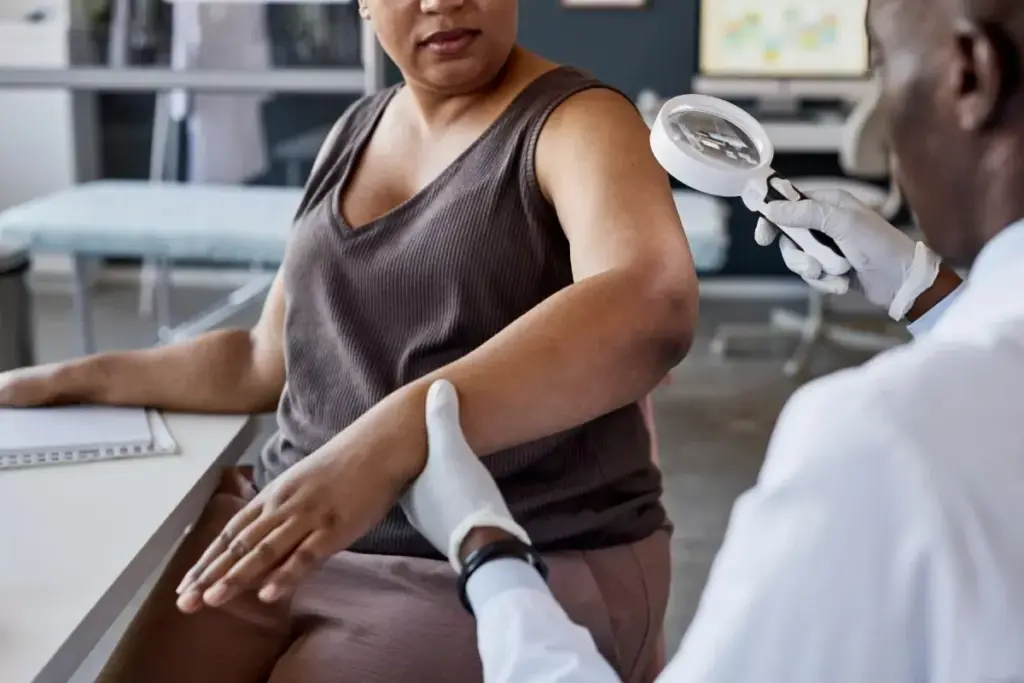
Visiting a dermatologist can be confusing, and knowing if you need a referral is key. Millions of people see dermatologists each year for issues like acne, eczema, and skin cancer screenings.Answering does dermatology fall under medical insurance (yes, for medical needs) and if do you need a referral to see a dermatologist.
It’s important to understand the dermatologist referral process. This can change a lot based on your insurance and healthcare system. We’ll help you learn about your insurance needs and how to make your dermatologist visit easy.
Key Takeaways
- Knowing your insurance is vital to figure out if you need a referral.
- The referral process for dermatologists can differ based on your healthcare and insurance.
- Some plans need a referral from your primary care doctor to see a specialist.
- Under certain plans, you can see a dermatologist directly without a referral.
- Always check what your insurance requires before you go to the dermatologist.
Understanding Dermatology Services

Dermatologists are doctors who focus on skin, hair, and nail health. They diagnose, treat, and prevent many skin problems.
What Conditions Do Dermatologists Treat?
Dermatologists handle many issues, like acne, eczema, and skin cancers. They also deal with cosmetic problems, such as wrinkles and hair loss.
- Skin Conditions: Acne, eczema, psoriasis, dermatitis
- Cosmetic Concerns: Wrinkles, hair loss, unwanted hair
- Skin Cancers: Basal cell carcinoma, melanoma, squamous cell carcinoma
The Importance of Skin Health
Healthy skin is key to overall health. The skin protects us from the outside world. Keeping it healthy means protecting it from the sun and using good skincare.
Laser therapy is a big part of dermatology. It helps with lines, hair removal, and skin issues.
How Dermatologists Differ from Other Doctors
Dermatologists get special training for skin problems. They know more about skin than general doctors. They also keep up with new treatments and tech.
Patients can see a dermatologist without a referral if they have insurance. This makes it easier to get skin care when needed.
Insurance Coverage for Dermatology Visits
Understanding insurance for dermatology visits can be tricky. But it’s key to manage healthcare costs. Knowing our insurance options is vital for getting the care we need without surprise bills.
Does Insurance Cover Dermatologist Visits?
Most health insurance plans do cover dermatologist visits. But how much they cover can vary. We should check our policy to see what’s included, like copays, deductibles, or coinsurance.
Insurance usually covers visits for serious issues like skin cancers or severe acne. Sometimes, it also covers preventive care like skin checks.
It’s also important to know if our dermatologist is in-network or out-of-network. Seeing an in-network dermatologist is usually cheaper. We should check our dermatologist’s network status before our visit to save money.
Key Insurance Terms Explained
Knowing key insurance terms helps us understand our coverage better. Copay, deductible, and coinsurance are key:
- Copay: A fixed amount we pay for a healthcare service, usually at the time of the visit.
- Deductible: The amount we must pay out-of-pocket before our insurance plan starts covering the costs.
- Coinsurance: The percentage of healthcare costs we pay after meeting our deductible.
Copay vs. Deductible in Dermatology
The copay and deductible are different in dermatology. A copay is a fixed fee for a service. A deductible is the total amount we pay before insurance kicks in.
Do You Need a Referral?
Seeing a dermatologist can start with knowing if you need a referral. We’re here to help you get the care you need quickly.
What is a Referral?
A referral is a doctor’s suggestion to see a specialist, like a dermatologist. Insurance companies often ask for it to make sure the visit is needed. “A referral is not just a formality; it’s a key part of managing your health.” Studies show referrals help make patient care smoother and cut costs.
When Is a Referral Required?
You usually need a referral for insurance if you’re not just getting a routine check-up. For example, if you have a complex skin problem, your primary doctor might need to refer you. “This makes sure you’re seeing the right specialist for your issue.” Your primary doctor will check your condition and suggest a dermatologist.
Exceptions to the Referral Rule
But, there are times when you don’t need a referral. Some insurance plans let you see dermatologists without one, for routine or preventive care. “Some insurance plans let you go straight to specialists, like dermatologists.” Always check your insurance policy to see what they require. You can call your insurance or check their website.
To wrap it up, whether you need a referral to see a dermatologist depends on your insurance and the reason for your visit. Always talk to your insurance to know what they need. As
“The best way to ensure you’re getting the care you need is to understand your insurance coverage and the referral process.”
Being informed helps you move through the healthcare system better.
Local vs. National Insurance Plans
Insurance plans differ a lot, and knowing the difference between local and national plans is important. This knowledge helps you make better choices about your dermatology care. Understanding your insurance plan’s details is key.
Local insurance plans are made for specific areas, with networks that cover only that area. On the other hand, national plans cover the whole country. This big difference affects how easy it is to get dermatology care.
How Network Providers Affect Your Care
The providers in your insurance plan’s network are very important for your dermatology care. In-network providers have deals with your insurance to charge less. This makes your care cheaper. For example, seeing a dermatologist in your network might just cost a copay. But, seeing one outside your network could cost more or even all the money yourself.
- Check if your preferred dermatologist is in-network.
- Understand the referral requirements for seeing a specialist.
- Review the costs associated with out-of-network care.
When looking at insurance plans, think about the network providers. A plan with a wide network that includes specialists like dermatologists can save you money and give you more choices.
Understanding Out-of-Network Costs
Even though in-network care is cheaper, sometimes you need to see a dermatologist outside your network. Out-of-network costs are much higher, and knowing these costs is important to avoid surprise bills.
For example, if you see a specialist not in your network, you might pay more for deductibles, copays, or coinsurance. Some insurance plans might cover some of these costs, but it varies a lot.
“Understanding your insurance plan’s network and out-of-network coverage is key to managing your dermatology care costs.”
A healthcare professional’s insight
To get the most from your insurance, whether local or national, you need to know the details. This includes who is in your network and what out-of-network costs are. Knowing this helps you get the care you need without spending too much.
Choosing the Right Dermatologist
Finding the right dermatologist is key for your skin health. They will diagnose and treat your skin issues. It’s important to choose someone who is both qualified and fits your needs.
Tips for Finding a Dermatologist
Start by asking your doctor or friends for recommendations. You can also check online reviews on Healthgrades or RateMDs. This will give you an idea of what other patients think.
When looking for a dermatologist, consider a few things:
- Qualifications and Certifications: Make sure they are board-certified and have the right qualifications.
- Specialization: Some dermatologists specialize in areas like pediatric care or surgery.
- Communication Style: You should feel comfortable talking to them about your skin.
The Role of Specializations in Dermatology
Dermatology has many specializations. Some focus on cosmetic treatments like Botox, while others treat medical conditions like acne or skin cancers.
Knowing about these specializations helps you find the right dermatologist for your needs.
|
Specialization |
Description |
Common Procedures/Treatments |
|---|---|---|
|
Cosmetic Dermatology |
Improves the look of your skin |
Botox, fillers, chemical peels |
|
Medical Dermatology |
Treats skin conditions |
Biopsies, medication for acne or psoriasis |
|
Pediatric Dermatology |
Focuses on children’s skin issues |
Treatment of diaper rash, eczema in children |
Patient Reviews and Recommendations
Reviews can tell you a lot about a dermatologist. Look for patterns in feedback, not just individual comments.
Also, ask about their approach to patient care and follow-up appointments. This helps you understand what to expect, whether you have a referral or not.
By doing your research and choosing wisely, you’ll get the best care for your skin.
What to Expect During Your First Visit
Your first visit to a dermatologist is a big step in taking care of your skin. Being ready can make you feel less nervous. Knowing what to expect can make your visit smoother and more helpful.
Initial Consultation Process
At your first meeting, the dermatologist will look at your medical history. They’ll talk about any past skin problems, allergies, and treatments. “Knowing your medical history is key for a correct diagnosis and treatment plan,” says a well-known dermatologist.
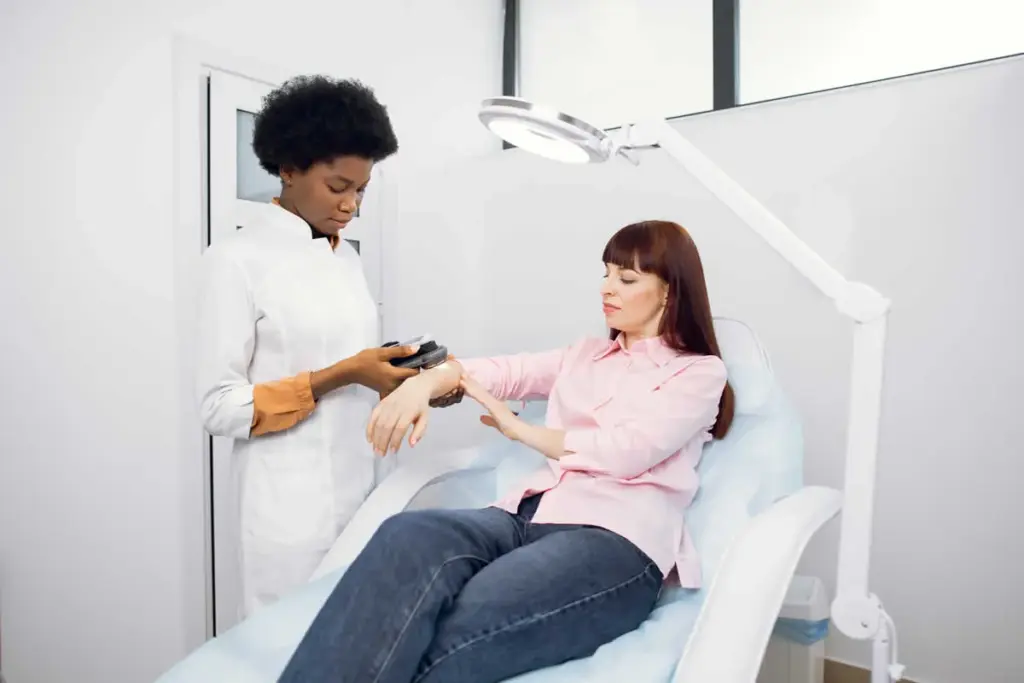
Next, the dermatologist will check your skin closely. They might use a special tool called a dermatoscope to look at skin spots more clearly.
Common Tests and Procedures
Based on your skin issues, the dermatologist might do different tests or treatments. They might take a skin sample for a biopsy or do a patch test to find out what’s causing a reaction.
Treatments can be simple like creams for acne or more complex like laser therapy for hair removal or skin renewal.
Before your first visit, jot down any questions or worries you have. This way, you can make sure to talk about everything important during your time with the dermatologist.
Preparing for Your Dermatology Appointment
Getting ready for your dermatology visit can make it better and ensure you get top care. Knowing what to expect and how to use your time with your dermatologist is key.
Essential Questions to Ask Your Dermatologist
It’s important to come with questions for your appointment. Ask about your skin issue, treatment choices, and any skin health worries you have.
- What is my diagnosis, and what are the possible causes?
- What treatment options are available, and which do you recommend?
- Are there any lifestyle changes I can make to improve my skin health?
- What are the possible side effects of the treatments you suggest?
Things to Bring to Your Appointment
Bringing the right stuff to your appointment helps your dermatologist understand you better. Make sure to bring:
- A list of your current medications and supplements
- Any relevant medical records or test results
- A detailed description of your symptoms, including when they started and any factors that make them better or worse
- Your insurance information and identification
Being prepared makes your visit more productive and helpful. If you’re worried about needing a referral, knowing about seeing a dermatologist without referral or how to get a dermatologist referral can help too.
Teledermatology: A Modern Approach
Now, patients can get expert skin advice from home. This new way of skin care is changing how we get dermatological help. It makes it easier to get care without needing a referral.
Teledermatology uses tech to give care from afar. It includes video chats, phone calls, and secure online messages. Dermatologists can diagnose, treat, and prescribe meds without seeing you in person.
Advantages of Virtual Dermatology Visits
Virtual visits are more accessible, convenient, and might be cheaper. They’re great for those in remote areas or with mobility issues. They also make care faster and more efficient.
- Increased Accessibility: You can talk to dermatologists from anywhere, saving travel time.
- Convenience: Virtual visits are often quicker to schedule than in-person ones.
- Cost-Effective: They can save money on travel and might have lower copays.
Insurance Coverage for Teledermatology
Insurance coverage for teledermatology is key. Many plans now cover it, seeing its value. But, what’s covered can differ by plan and service. Always check with your insurance.
As teledermatology grows, we’ll see more coverage and new codes. For now, ask about dermatologist appointments without referral and if your insurance covers it.
“Teledermatology is not just a response to the current health crisis; it’s a forward-thinking approach to healthcare delivery.” – Dermatology Expert
In summary, teledermatology is a big step forward in skin care. It’s convenient, accessible, and might save money. As we go on, knowing about insurance and virtual visits is key.
Follow-Up Care: What to Know
Getting healthy skin is a journey that doesn’t stop after the first visit. Follow-up care is key to track treatment progress and make any needed tweaks.
The Importance of Follow-Up Visits
Follow-up visits are vital for checking if treatments are working. They’re even more important for people with long-term skin issues. These visits help manage symptoms and avoid bigger problems.
At these visits, your dermatologist will check how you’re doing. They might change your meds or give tips on skin care. It’s also a chance to ask any questions or share concerns about your skin or treatment.
Managing Long-Term Skin Conditions
Dealing with long-term skin issues needs a big plan. This includes regular check-ins with your dermatologist. Conditions like acne, psoriasis, and eczema need constant care to keep symptoms under control.
Good management is more than just medicine. It’s also about making healthy lifestyle choices. Your dermatologist can help with diet, sun protection, and skincare tips to manage these conditions.
|
Aspect of Care |
Description |
Benefits |
|---|---|---|
|
Regular Monitoring |
Ongoing assessment of skin condition |
Early detection of changes or complications |
|
Treatment Adjustments |
Modifying treatment plans as necessary |
Improved treatment outcomes |
|
Patient Education |
Guidance on skincare and lifestyle changes |
Empowered patients with better self-care |
Lifestyle Tips for Healthy Skin
Healthy skin isn’t just about your genes. It’s also about the choices you make every day. By adopting healthy habits and good skin care, you can get and keep glowing, healthy skin. Let’s look at some lifestyle tips that help your skin stay healthy.
Nutrition and Skin Health
Eating a balanced diet is key for skin health. Include lots of fruits, veggies, whole grains, and lean proteins. Foods like berries and leafy greens are full of antioxidants that protect your skin. Omega-3s in fish and nuts help reduce inflammation, which is good for your skin.
For personalized skin care tips, see a dermatologist without a referral. A healthy diet can boost your skin care, making your skin look and feel better.
Importance of Sun Protection
Keeping your skin safe from the sun is vital to avoid early aging and skin cancer. Always use a broad-spectrum sunscreen with SPF 30 or higher, even on cloudy days. Reapply every two hours or right after swimming or sweating. Wearing clothes that cover your skin and staying in the shade when the sun is strong also helps.
|
Category |
Tips for Healthy Skin |
|---|---|
|
Nutrition |
Eat a balanced diet rich in fruits, vegetables, and whole grains. |
|
Include foods high in antioxidants like berries and leafy greens. | |
|
Consume omega-3 fatty acids found in fish and nuts. | |
|
Sun Protection |
Use broad-spectrum sunscreen with at least SPF 30 daily. |
|
Reapply sunscreen every two hours or after swimming/sweating. | |
|
Wear protective clothing and seek shade during peak sun hours. |
By following these tips, you can greatly improve your skin’s health and look. If you’re worried about your skin, book a no referral dermatologist appointment. They can give you advice that fits your skin type and needs.
Understanding Skin Conditions
Dermatologists treat many skin conditions. Knowing about these can help patients get medical help quickly. Healthy skin is key to overall health.
Common Skin Issues Treated by Dermatologists
Dermatologists deal with issues like acne, eczema, psoriasis, and skin cancers. Acne is common, affecting teens and adults. Eczema and psoriasis cause inflammation and skin lesions, needing ongoing care.
Skin cancers, like melanoma, basal cell carcinoma, and squamous cell carcinoma, are also treated. Early detection is key for effective treatment. This shows why regular skin checks are important.
Recognizing When to See a Dermatologist
Knowing when to see a dermatologist is vital. Look out for unusual skin changes, like new moles or changes in existing ones. Also, persistent skin lesions are a sign to see a dermatologist.
- Unusual skin changes or lesions
- Changes in moles or new moles
- Symptoms that persist or worsen over time
- Skin conditions that affect your quality of life
Being proactive about your skin health is important. If you’re unsure about a skin condition or symptom, see a dermatologist. They can give you personalized advice and care.
Conclusion: Your Next Steps
We’ve looked into visiting a dermatologist. Now, it’s time to move forward in your skin health journey. Knowing if you need a referral is key to getting the care you need.
Navigating Your Insurance
Understanding your insurance plan is vital for your dermatology care. Check if your plan needs a referral to see a dermatologist. Also, find out what you’ll pay out of pocket.
Maximizing Your Care
Being informed helps you have a better dermatology visit. Know your insurance, find the right dermatologist, and prepare for your appointment.
With this knowledge, you’re ready to take charge of your skin health. Do you need a referral to see a dermatologist? It depends on your insurance plan and your specific needs.
FAQ
Do I need a referral to see a dermatologist?
It depends on your insurance. Some plans need a referral from a primary care doctor. Others let you go straight to a dermatologist.
How do I know if my insurance covers dermatology visits?
Look at your insurance policy or call your provider. They can tell you what’s covered and what’s not.
What is the difference between a copay and a deductible in dermatology care?
A copay is a set amount for a visit. A deductible is what you pay before insurance kicks in.
Can I see a dermatologist without a referral?
Yes, if your plan allows it. Some plans let you see a dermatologist without a referral from a primary doctor.
How do I find a dermatologist that is covered by my insurance?
Check your insurance website for in-network dermatologists. Or, call your insurance for recommendations.
What should I expect during my first dermatology visit?
Expect a consultation, a review of your medical history, and possibly tests or procedures.
Are virtual dermatology visits covered by insurance?
Many plans cover teledermatology visits now. Check with your provider to see if they do.
How often should I follow up with my dermatologist?
Follow-up visits depend on your skin condition and treatment plan.
What are some common skin conditions treated by dermatologists?
Dermatologists treat many conditions, like acne, psoriasis, eczema, and skin cancers.
How can I prepare for my dermatology appointment?
Make a list of questions, bring medical records, and be ready to discuss your skin and medical history.
What lifestyle changes can I make to maintain healthy skin?
Eat a balanced diet, protect your skin from the sun, and stay hydrated for healthy skin.
How do I know when to see a dermatologist?
See a dermatologist for persistent skin issues, like unusual moles, rashes, or other concerns.
Reference
JAMA Network. Evidence-Based Medical Insight. Retrieved from https://jamanetwork.com/journals/jamadermatology/fullarticle/2528838



 Departments
 Related Videos
 Our Doctors
 News
News