
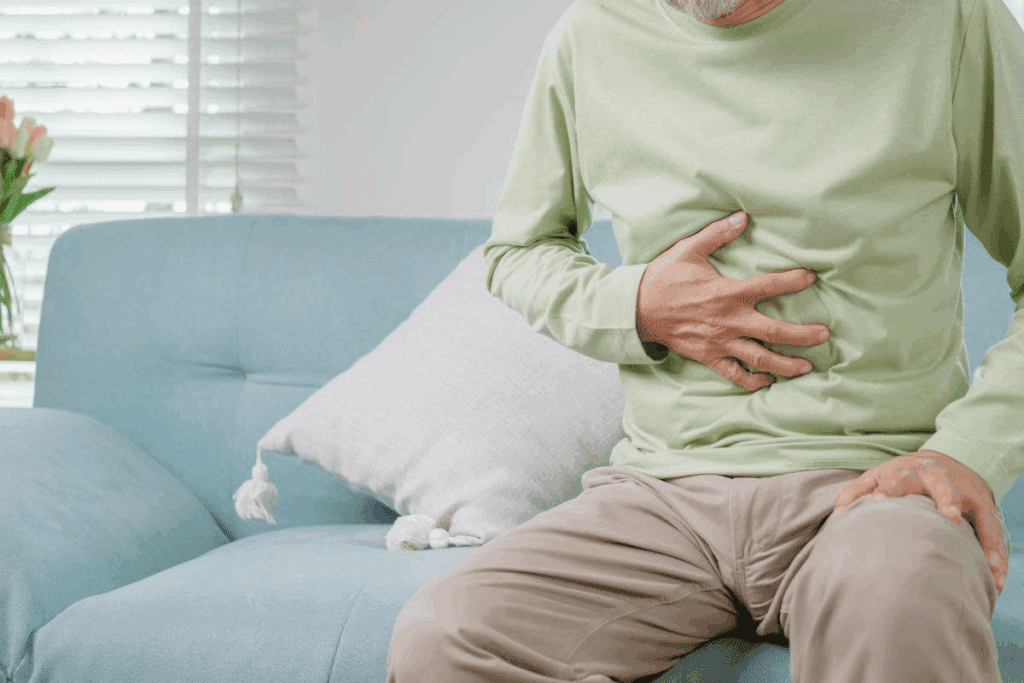
Feeling bloated or having gas that won’t go away can be more than just a stomach issue. At Liv Hospital, they know that a hernia might be the real reason behind these symptoms.Learn how does a hernia cause gas and bloating, plus symptoms and treatment options.
A hernia happens when there’s a hole in the belly or pelvic wall. This hole lets tissue, like fat or intestines, bulge out. This can mess with how your belly organs work, trapping gas and messing with digestion.
It’s important to understand how hernia and tummy troubles are connected. By knowing the signs and getting help, you can ease the bloating and gas from hernias.
Key Takeaways
- A hernia can cause gas and bloating by altering the position and function of abdominal organs.
- The condition involves a defect or hole in the abdominal or pelvic wall, leading to tissue protrusion.
- Trapped gas and disrupted digestion are common consequences of a hernia.
- Understanding the link between hernia and digestive discomfort is key for effective treatment.
- Recognizing symptoms and seeking medical attention can provide relief from hernia-related bloating and gas.
The Relationship Between Hernias and Digestive Discomfort
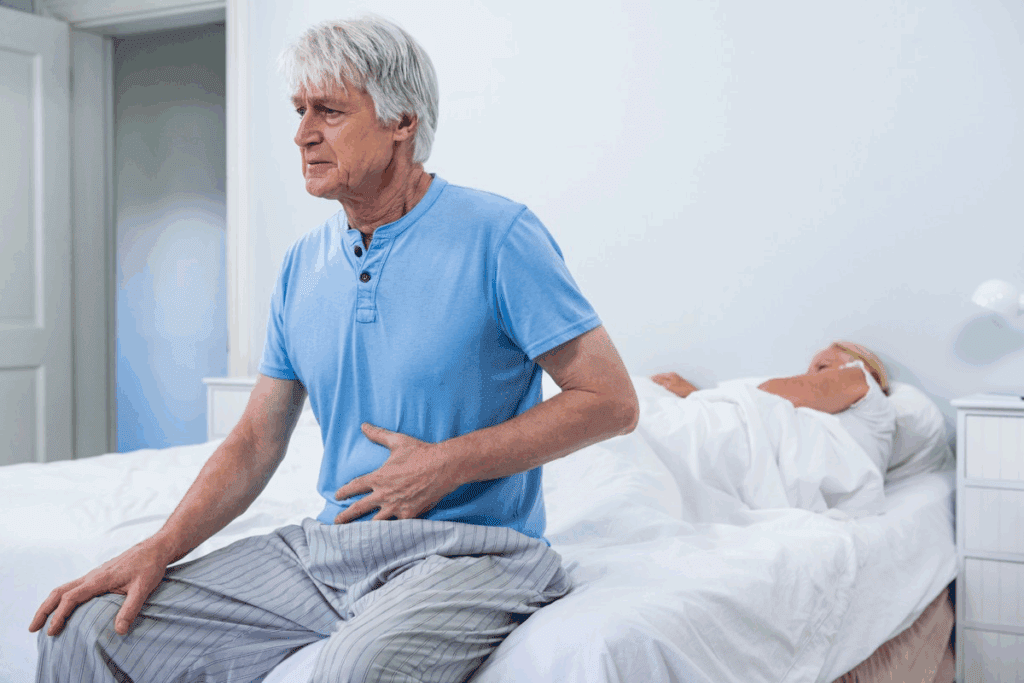
It’s important to understand how hernias and digestive issues are connected. Hernias happen when an organ bulges through a weak spot in the muscle. This can cause many digestive problems, making health worse.
What Exactly Is a Hernia?
Hernias can appear at birth or later due to strain. They can also happen after an injury or surgery. Types like inguinal hernias, umbilical hernias, abdominal hernias, and hiatal hernias can affect digestion in different ways.
Common Digestive Symptoms Experienced
People with hernias often feel bloating, gas, and discomfort. Symptoms vary by hernia type. For example, hiatal hernias can cause acid reflux and heartburn. Inguinal hernias might lead to abdominal bloating.
Hernias can mess with digestion, causing trapped gas and changing organ positions. This can lead to uncomfortable symptoms. It’s vital to treat both the hernia and its digestive effects.
Does a Hernia Cause Gas? Understanding the Physiological Connection
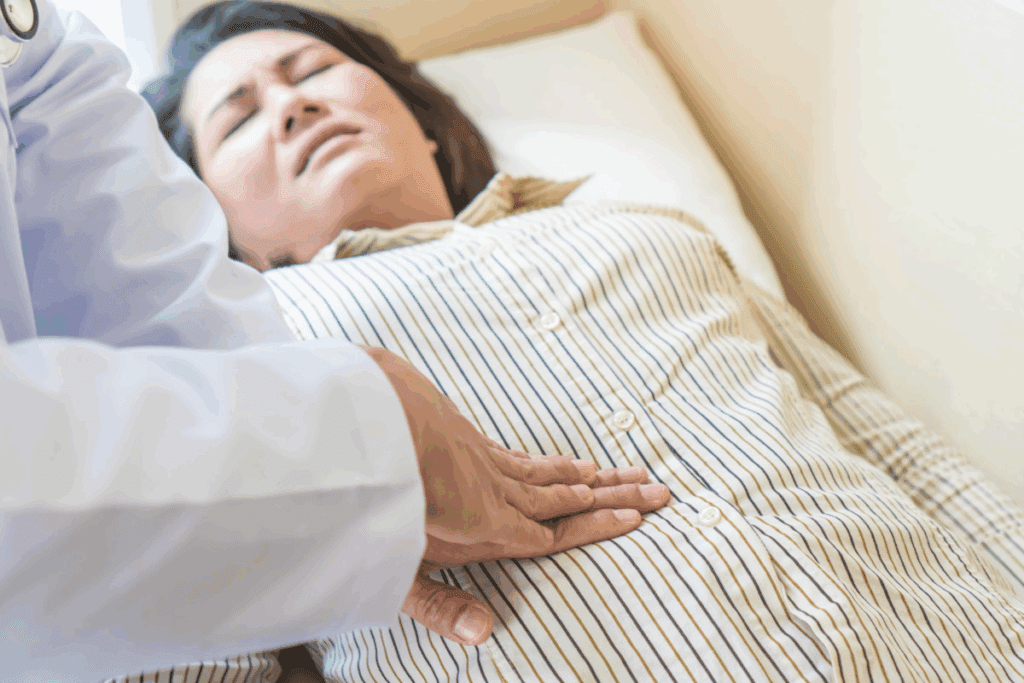
A hernia can mess with how we digest food, causing gas and bloating. Hernias happen when something bulges through a weak spot in the muscle or tissue. This can cause many digestive problems.
How Hernias Disrupt Normal Digestive Function
A hernia can mess up how food moves through our digestive system. For example, a hiatal hernia can push the stomach up into the chest. This can cause symptoms like gas, bloating, and discomfort.
Trapped Gas and Altered Organ Position
When a hernia happens, it can trap parts of the intestine or other organs. This can cause gas to build up, leading to bloating and discomfort. The changed position of organs can also make digestion harder, making symptoms worse.
Why Standard Digestive Remedies May Fail
Antacids or anti-gas meds might not work for hernia symptoms. The problem is not just about digestive enzymes or acid. It’s about a physical block in the digestive tract. Fixing the hernia is often key to solving digestive issues.
It’s important to understand how hernias and gas are connected. This helps doctors find better ways to treat symptoms. By tackling the main cause, they can help more people find relief.
Types of Hernias Associated with Gas and Bloating
Hernias come in different types, each causing its own set of digestive problems like gas and bloating. The symptoms can vary based on the type of hernia.
Inguinal Hernias
Inguinal hernias happen when part of the intestine pushes through a weak spot in the abdominal muscles near the groin. Inguinal hernia bloating is a common problem, even without a visible bulge. It can make digestion hard and cause discomfort.
Umbilical Hernias
Umbilical hernias occur when the intestine bulges through an opening near the belly button. Umbilical hernia bloating is a symptom many people face. They might feel discomfort and gas, even if the hernia isn’t visible.
Abdominal Hernias
Abdominal hernias, like incisional hernias, happen when an organ or tissue pushes through a weak spot in the abdominal wall. Symptoms include gas, bloating, and discomfort. These depend on the hernia’s size and location.
Hiatal Hernias
Hiatal hernias occur when the stomach bulges into the chest through a diaphragm opening. This type is often linked to gas, bloating, and GERD symptoms. Hiatal hernias can be quite uncomfortable, often after eating.
A medical expert notes, “Hiatal hernias can make GERD symptoms worse, leading to more gas and bloating.”
“The link between hiatal hernias and digestive problems is clear. It shows the importance of proper diagnosis and treatment.”
Inguinal Hernia Bloating: Beyond the Visible Bulge
Inguinal hernias can cause more than just a visible bulge. They can also lead to internal discomfort like bloating and gas. These hernias happen when tissue, like part of the intestine, pushes through a weak spot in the abdominal muscles. Some people might feel discomfort and have digestive problems without seeing any bulge.
How Inguinal Hernias Affect Digestion
Inguinal hernias can mess with digestion in several ways:
- Intestinal Obstruction: When a part of the intestine gets stuck in the hernia, it can cause blockages. This might lead to bloating, constipation, and pain in the belly.
- Altered Organ Position: The hernia can change where organs in the belly are. This can affect how they work.
- Increased Abdominal Pressure: The strain from the hernia can make the belly press harder. This can cause discomfort and bloating.
Recognizing Symptoms Even Without Protrusion
It’s important to know that you can have symptoms of an inguinal hernia even if you can’t see it. Look out for these signs:
- Bloating and Gas: Feeling like your belly is always full or having a lot of gas.
- Abdominal Discomfort: Pain or feeling uncomfortable in the lower belly or groin.
- Changes in Bowel Habits: Having trouble with bowel movements or constipation.
Knowing these symptoms can help you get the medical help you need, even if you don’t see a bulge.
Can an Umbilical Hernia Cause Bloating and Gas?
Umbilical hernias can put pressure on the intestines, causing digestive problems. This happens when part of the intestine bulges through an opening in the abdominal muscles near the belly button. This condition can lead to bloating and gas due to the pressure on the intestines.
The Mechanism Behind Umbilical Hernia Digestive Issues
An umbilical hernia can mess with normal digestion. When the hernia bulges through the abdominal wall, it presses on the intestines. This can cause gas buildup and bloating. It also changes how food moves through the digestive system, adding to the discomfort.
Key factors contributing to digestive issues in umbilical hernias include:
- Pressure on the intestines
- Disruption of normal digestive function
- Buildup of gas
- Altered anatomy affecting food movement
Managing Symptoms Effectively
To manage symptoms of umbilical hernia-related bloating and gas, making lifestyle changes and sometimes medical help is needed. Changing your diet can help a lot. Avoiding foods that cause gas, like beans and cabbage, can lessen bloating.
| Symptom Management Strategies | Description |
| Dietary Adjustments | Avoid gas-producing foods, eat smaller meals |
| Lifestyle Changes | Maintain a healthy weight, avoid heavy lifting |
| Medical Intervention | Consider surgical repair for persistent symptoms |
Understanding why umbilical hernias cause digestive problems and using effective management strategies can help. This way, people can lessen their symptoms and live better lives.
Hiatal Hernias and Persistent Gas Problems
People with hiatal hernias often feel bloated and full. This shows how hernias and digestion are linked. A hiatal hernia happens when part of the stomach bulges into the chest. This can cause stomach discomfort.
Why Hiatal Hernias Commonly Cause Gas and Fullness
A hiatal hernia can mess with the stomach’s normal work. This can lead to gas and bloating. The stomach might get kinked or twisted, blocking food and gas flow. A gastroenterologist, says, “A hiatal hernia can really mess with digestion.”
Having a hiatal hernia can also make GERD symptoms worse. The hernia can weaken the lower esophageal sphincter. This lets stomach acid flow back up, causing discomfort and gas.
Connection to GERD and Other Digestive Conditions
Hiatal hernias and GERD are closely related. The stomach’s displacement can cause acid reflux. A study in the Journal of Clinical Gastroenterology found that hiatal hernias increase GERD symptoms. They can also lead to other digestive problems like ulcers and chronic gastritis.
“The relationship between hiatal hernias and digestive disorders is multifaceted, involving both mechanical and functional aspects.” –
Gastroenterology Expert
Early Satiety and Post-Meal Discomfort
People with hiatal hernias often feel full early and uncomfortable after eating. This is because their stomach is different and might be blocked. Eating smaller meals more often can help. But, it’s best to talk to a doctor for advice.
- Watch for signs like constant bloating and discomfort.
- Tests like endoscopy or X-rays can show if you have a hiatal hernia.
- Managing symptoms might mean changing your lifestyle or surgery.
It’s important to understand how hiatal hernias and gas are connected. By tackling the root causes and using the right strategies, people can feel better. This improves their life quality.
Distinguishing Hernia Symptoms from Other Digestive Issues
It’s important to know the difference between hernia symptoms and other digestive problems. Both gas and bloating can be signs of a hernia, even if usual remedies don’t work.
Hernias can be mistaken for other digestive issues. This makes it key to do a thorough check-up. Finding the signs that point to a hernia is the challenge.
When Is It a Hernia vs. Common Digestive Problems?
Telling hernia symptoms from common digestive issues can be hard. Hernias have unique signs that differ from usual stomach pain.
Key differences include:
- Persistent discomfort or pain in a specific area, such as the groin or abdomen
- A visible bulge or lump, specially when coughing or straining
- Symptoms that worsen over time or with certain activities
A hiatal hernia can cause symptoms like heartburn or GERD. This makes it hard to diagnose. Knowing these details is key for correct diagnosis.
Red Flags That Suggest a Hernia
Some symptoms and signs can mean you have a hernia. Knowing these red flags can help you get checked by a doctor.
| Symptom | Description |
| Severe pain | Sudden, intense pain in the abdomen or groin |
| Nausea and vomiting | Accompanying symptoms that may indicate bowel obstruction |
| Fever | Increased body temperature, potentially indicating infection or complication |
Spotting these red flags can lead to quick medical help. This is important for good treatment.
The Importance of Proper Diagnosis
Getting a proper diagnosis is key to tell hernia symptoms from other digestive issues. A doctor will do a detailed check and might use imaging tests to find the cause.
Accurate diagnosis means the right treatment plan can be followed. This could be non-surgical or surgery.
In conclusion, knowing the signs of hernia symptoms and other digestive issues is important. Getting medical help when needed is the best way to get the right care.
Diagnosis and Assessment of Hernia-Related Gas Problems
Finding the cause of gas and bloating linked to hernias is key. Doctors use a detailed method to diagnose these issues. This includes looking at your medical history, doing a physical check, and running tests.
Medical Evaluation Process
The first step is reviewing your medical history. Doctors look for past health issues or surgeries that might be connected to your symptoms. They also do a physical exam to see if a hernia is visible.
During the exam, the doctor might ask you to cough or strain. This helps them find the hernia. They also check your overall health and look for other symptoms that could be causing the gas and bloating.
Diagnostic Tests and Procedures
To confirm the diagnosis, doctors use several tests and procedures. These include:
- Imaging Tests: Ultrasound, CT scan, or MRI to see the hernia and its size and location.
- Endoscopy: A tube with a camera is inserted to look at the internal organs.
- Barium Swallow: An X-ray test after swallowing a barium solution to see the upper digestive tract.
These tests help doctors accurately diagnose the hernia. This is important for creating a good treatment plan.
Questions Your Doctor May Ask
Your doctor will ask you questions to understand your symptoms. They might ask:
- Can you describe your symptoms in detail?
- When did you first notice the symptoms?
- Have you experienced any recent trauma or injury to the abdominal area?
- Have you had any previous surgeries or medical conditions that could be relevant?
It’s important to give detailed and accurate answers. This helps doctors make an accurate diagnosis and plan the best treatment for you.
Treatment Options for Hernia-Related Gas and Bloating
Dealing with hernia-related gas and bloating needs a mix of lifestyle changes and medical help. What works best varies from person to person, based on their health and the hernia’s size.
Conservative Management Approaches
For many, starting with simple steps is best. This might mean watching the hernia’s size and using over-the-counter meds. Watchful waiting is good for small, pain-free hernias. But bigger or painful ones might need more action.
Dietary and Lifestyle Modifications
Changing what you eat and how you live can help a lot. Avoiding foods that make symptoms worse, like fatty or spicy ones, can ease pain. Eating more fiber helps digestion and cuts down on gas. Also, keeping a healthy weight and not lifting too much can help the hernia.
- Eating smaller, more frequent meals to reduce digestive strain
- Avoiding foods that cause gas and bloating
- Staying hydrated to help prevent constipation
- Engaging in regular physical activity to improve digestion
Surgical Interventions
For some, surgical repair is the best way to fix the problem. The type of surgery depends on the hernia’s size and the patient’s health. Laparoscopic surgery is often chosen for its smaller cuts and faster healing.
Post-Treatment Expectations
After treatment, whether it’s surgery or just watching and waiting, recovery is key. Post-operative care instructions must be followed to heal right. Regular check-ups with doctors are important to track progress and solve any issues.
Knowing your treatment options and following your doctor’s advice can greatly improve life with hernia-related gas and bloating.
Conclusion: Taking Control of Your Hernia and Digestive Health
It’s important to understand how hernias and digestive problems are connected. This knowledge helps in managing symptoms like gas and bloating. Knowing which hernias cause these issues helps people get the right medical help.
Liv Hospital focuses on personalized care. They use a team approach that values ethics, innovation, and patient results. Getting the right treatment for a hernia can greatly improve your digestive health. This can make you feel better overall.
Handling hernia symptoms needs a full plan. This includes changing your diet and lifestyle, and sometimes surgery. By taking charge of your health, you can live a better life.
With the right treatment, you can feel better and have good digestive health. Getting help from a trusted place like Liv Hospital is key. It can really help with hernia-related digestive problems.
FAQ
Can a hernia cause gas and bloating?
Yes, hernias can lead to gas and bloating. This happens because they disrupt normal digestion. They can also trap gas.
What type of hernia is most likely to cause gas and bloating?
Hiatal hernias often cause gas and bloating. They also lead to other digestive problems like GERD.
Can an inguinal hernia cause bloating?
Yes, inguinal hernias can cause bloating. This is true even if you can’t see the bulge. They affect digestion.
Does an umbilical hernia cause gas and bloating?
Yes, umbilical hernias can lead to gas and bloating. It’s important to manage these symptoms for comfort and health.
Can a hiatal hernia cause persistent gas problems?
Yes, hiatal hernias often cause ongoing gas issues. They also lead to fullness and discomfort. These symptoms are often linked to GERD and other digestive problems.
How is a hernia diagnosed when it causes gas and bloating?
To diagnose a hernia causing gas and bloating, doctors use several steps. They include medical tests, reviewing symptoms, and looking at your medical history.
What are the treatment options for hernia-related gas and bloating?
Treatment for hernia-related gas and bloating varies. It can include lifestyle changes, dietary adjustments, or surgery. The choice depends on the hernia’s severity and type.
Can dietary changes help alleviate hernia-related gas and bloating?
Yes, changing your diet can help with hernia-related gas and bloating. It can reduce symptoms and improve digestion.
Will a hernia cause gas and bloating after surgical treatment?
After surgery, the outcome varies. But, many times, surgery can fix hernia-related gas and bloating. It addresses the root cause.
Can a stomach hernia cause bloating?
Yes, a stomach hernia, like a hiatal hernia, can cause bloating. It affects digestion and can trap gas.
Do umbilical hernias cause gas?
Yes, umbilical hernias can cause gas. Understanding why is key to managing symptoms effectively.
Can hernia cause flatulence?
Yes, hernias can cause flatulence. This is due to the disruption of digestion and gas trapping.
References
Huttinger, R. (2023). Spigelian hernia. In StatPearls. National Library of Medicine. Retrieved from https://www.ncbi.nlm.nih.gov/books/NBK538290/