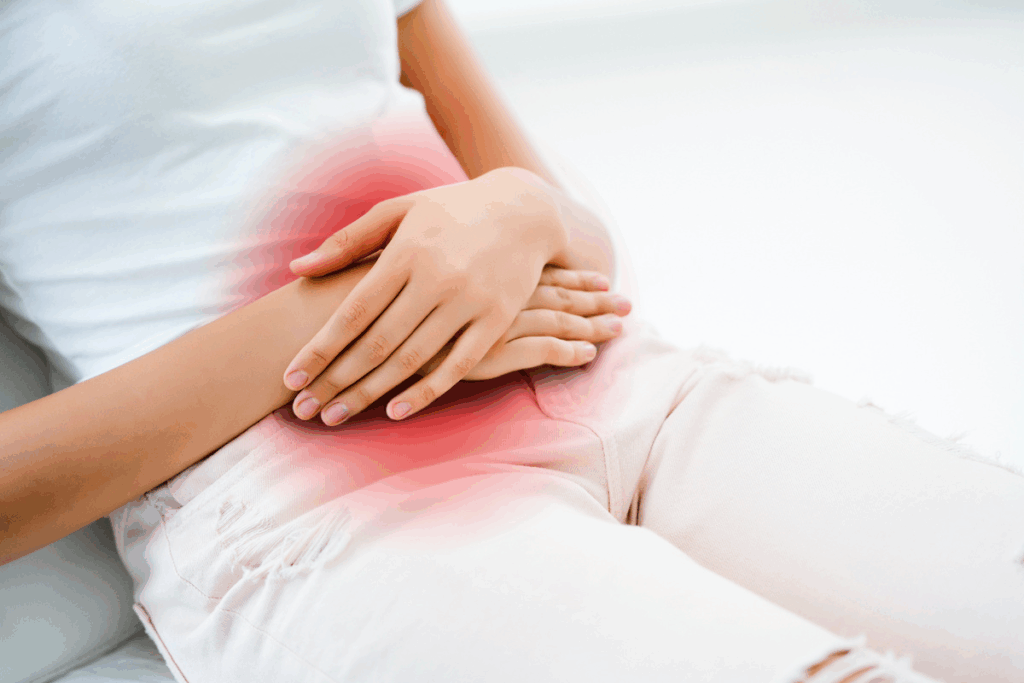
Many women think adenomyosis pain only happens during their period. But, it’s more complicated than that. Adenomyosis is when the uterus lining grows into the muscle wall. This can cause chronic pain all month long.does adenomyosis cause pain when not menstruatingHow Long Does a Hysterectomy Operation Take and What Should You Expect?
Adenomyosis can make pelvic pain a constant issue, affecting daily life. It affects up to one in three women, causing heavy bleeding and stomach pain. While pain might get worse during menstruation, many women feel it even when they’re not on their period.
Key Takeaways
- Adenomyosis can cause chronic pain that persists throughout the month.
- The condition affects up to one in three women, leading to heavy bleeding and abdominal pain.
- Women may experience persistent pelvic discomfort outside of their menstrual cycle.
- Adenomyosis pain can be debilitating and impact daily life.
- Understanding adenomyosis pain is key to managing it effectively.
Understanding Adenomyosis: A Common but Overlooked Condition

Adenomyosis is a common but often misunderstood condition that affects many women worldwide. It is a gynecological disorder where endometrial tissue grows inside the uterine walls. This can cause pain and heavy bleeding.
What Is Adenomyosis and How Does It Develop?
Adenomyosis happens when endometrial tissue grows in the uterine walls. This can make the uterus swell and cause heavy, painful periods. The exact cause is not known, but hormones and uterine trauma are thought to play a role.
Key factors that may contribute to the development of adenomyosis include:
- Hormonal influences, like estrogen
- Previous uterine surgery, such as a cesarean section
- Childbirth, which can cause trauma to the uterine walls
Prevalence and Demographics
Adenomyosis affects about 20-35 percent of women with uteruses, but many go undiagnosed. It’s more common in women over 30, often in their 40s and 50s. It can greatly affect a woman’s quality of life, causing pain, heavy bleeding, and discomfort.
Demographically, adenomyosis tends to be more prevalent among:
- Women who have given birth multiple times
- Those with a history of uterine surgery
- Women who have been diagnosed with endometriosis
Adenomyosis vs. Endometriosis: Key Differences
Adenomyosis and endometriosis both involve endometrial tissue growing in the wrong place. But they differ in where this tissue grows. Adenomyosis is inside the uterine walls, while endometriosis is outside. Knowing these differences is key for proper diagnosis and treatment.
Characteristics | Adenomyosis | Endometriosis |
Location of Endometrial Tissue | Within the uterine walls | Outside the uterus |
Primary Symptoms | Heavy, painful menstrual periods, chronic pelvic pain | Pelvic pain, painful intercourse, infertility |
Does Adenomyosis Cause Pain When Not Menstruating?

Adenomyosis and pain are closely linked, even when you’re not menstruating. This condition happens when endometrial tissue grows inside the uterine muscle. It causes inflammation and discomfort, leading to pain at any time, not just during your period.
The Cycle of Pain in Adenomyosis
Adenomyosis pain can be ongoing because of the irritation in the uterine muscle. This irritation causes chronic pelvic pain, which can change in how severe it is. Knowing how pain cycles can help manage adenomyosis better.
Why Pain Persists Beyond Menstruation
Pain from adenomyosis lasts beyond your period for several reasons. The growth of abnormal tissue triggers inflammation, which causes ongoing discomfort. Also, the constant irritation of the uterine muscle by endometrial tissue leads to long-lasting pain.
Inflammatory Processes and Continuous Discomfort
Inflammation in adenomyosis is a big reason for ongoing pain. The endometrial tissue in the uterine muscle releases substances that cause irritation and discomfort. Managing these inflammatory processes is important for reducing pain from adenomyosis.
Factors Contributing to Pain | Description | Impact on Pain |
Inflammatory Processes | Release of pro-inflammatory substances due to endometrial tissue in the uterine muscle. | Increases pain intensity and duration. |
Uterine Irritation | Constant irritation of the uterine muscle by embedded endometrial tissue. | Contributes to chronic pelvic pain. |
Hormonal Changes | Fluctuations in hormone levels, specially during ovulation. | Can make pain worse. |
Types of Non-Menstrual Pain in Adenomyosis
Adenomyosis can cause pain that goes beyond just menstrual cycles. Women with this condition often face different types of pain. These can greatly affect their daily lives.
Chronic Pelvic Pain Patterns
Chronic pelvic pain is common in adenomyosis. It can feel like a dull ache or sharp stabbing in the pelvic area. This ongoing pain can make everyday tasks hard and impact overall health.
Adenomyosis Ovulation Pain
Some women with adenomyosis feel pain during ovulation, known as mittelschmerz. This pain can be mild or severe and usually happens on one side of the lower abdomen. Hormonal changes and uterine contractions might cause this pain.
Pain During Physical Activities
Physical activities can make adenomyosis symptoms worse. This leads to more pain during exercise, sex, or even simple movements. The strain on the uterus and surrounding tissues, already inflamed, causes this pain.
It’s important to understand the different pain types in adenomyosis. Knowing how it can affect people helps healthcare providers give better care. They can offer more targeted and caring treatment.
Beyond the Pelvis: Referred Pain in Adenomyosis
Adenomyosis mainly affects the uterus but can cause pain in other parts of the body. The uterus is close to other structures and nerves in the pelvic area. This can lead to pain in the lower back, hips, and legs.
Adenomyosis and Back Pain
Adenomyosis can cause lower back pain due to inflammation and irritation. This pain can be constant and get worse during certain times of the menstrual cycle. We will look at how it affects the back and how to ease this discomfort.
The pain in the back from adenomyosis comes from inflammation spreading to nearby areas. This can cause long-term pain. A detailed treatment plan is often needed to manage it well.
Adenomyosis Hip Pain: Mechanisms and Manifestations
Hip pain from adenomyosis comes from shared nerves between the uterus and hips. This pain can feel like a dull ache or sharp pains, depending on the person and how severe the adenomyosis is.
It’s important to understand the connection between adenomyosis and hip pain for effective pain management. We will talk about how this affects daily life and what can help reduce this symptom.
Adenomyosis Leg Pain: Why It Happens
Leg pain in adenomyosis patients is another form of referred pain. The affected nerves can send pain down to the legs. This can cause discomfort and make it hard to move.
We will look into why adenomyosis causes leg pain and discuss treatments. Managing leg pain is important to improve life quality for those with adenomyosis.
Diagnosing Adenomyosis and Non-Menstrual Pain
Diagnosing adenomyosis takes a few steps. It mixes a doctor’s check-up with special imaging. Finding adenomyosis can be hard because its symptoms are like other women’s health issues.
Diagnostic Challenges and Delays
One big problem is that adenomyosis symptoms can look like other conditions. This can cause delays in finding out what’s wrong. Symptoms might be thought to come from something else.
Getting a full medical history and a thorough pelvic examination is key. These steps help doctors start to figure out what’s going on.
Imaging Techniques for Adenomyosis
Imaging is a big help in finding adenomyosis. The main ways to look are:
- Ultrasound: A transvaginal ultrasound is often the first choice. It can spot signs of adenomyosis, like a bigger uterus or mixed-up muscle layers.
- MRI: MRI gives a closer look at the uterus. It’s great for making sure it’s adenomyosis and seeing how bad it is.
Tracking Pain Patterns for Better Diagnosis
Keeping track of pain is important for diagnosing adenomyosis. Patients often keep a pain diary. They write down how bad the pain is, how long it lasts, and what it feels like. This helps doctors understand the pain profile and match it with other findings.
By using doctor’s exams, imaging, and pain tracking, we can get a better diagnosis. Then, we can make a plan to manage the condition.
Medical Treatments for Adenomyosis Pain
Adenomyosis pain can really affect your daily life. There are many medical treatments to help with this. Finding the right treatment depends on how bad the pain is, your overall health, and if you want to have kids.
Hormonal Therapy Options
Hormonal therapies are used to help manage adenomyosis symptoms, like pain. These treatments try to balance out hormonal changes that make adenomyosis worse.
- Gonadotropin-releasing hormone (GnRH) agonists can make menstrual bleeding and pain lessen by making you feel like you’re in menopause.
- Progestin-only therapies, like the hormonal IUD, can make the uterine lining thinner. This helps reduce bleeding and pain.
- Combined hormonal contraceptives might be given to control menstrual cycles and lessen adenomyosis symptoms.
Pain Medication for Adenomyosis
Managing pain is key in treating adenomyosis. There are many pain medications available, from over-the-counter options to stronger prescription drugs.
- Nonsteroidal anti-inflammatory drugs (NSAIDs) are often used for adenomyosis pain because they reduce inflammation.
- Stronger pain medications might be given for more intense pain. But, they’re usually only used for a short time.
Surgical Interventions: When Are They Necessary?
Sometimes, surgery is needed to manage adenomyosis pain, if other treatments don’t work or if the pain is severe.
- Uterine artery embolization is a less invasive procedure that stops blood flow to the affected areas. This can help reduce pain and bleeding.
- Hysterectomy, or removing the uterus, is a more permanent solution, often for women who have finished having children and have severe symptoms.
- Conservative surgical techniques, like adenomyosis reduction surgery, might be options for women who want to keep their fertility.
Talking to your healthcare provider is key to finding the best treatment for you. They can help decide based on your specific situation and health.
Lifestyle Management for Adenomyosis Pain
Lifestyle choices are key to managing adenomyosis pain. By making smart daily decisions, women can lessen their symptoms. This improves their life quality.
Exercise for Adenomyosis: What Helps vs. What Hurts
Exercise can be both good and bad for women with adenomyosis. Regular activity can reduce pain and boost health. But, some exercises can make symptoms worse.
Low-impact exercises like yoga, swimming, and cycling are best. They build strength and flexibility without straining the body too much.
High-impact activities like running can make symptoms worse. It’s important to listen to your body and choose exercises that feel right. Strengthening the core and pelvic muscles can also help with pain.
Dietary Approaches to Reduce Inflammation
Diet is important for managing adenomyosis symptoms. Some foods can help, while others can make symptoms worse. Eating foods that fight inflammation can help.
Anti-inflammatory diets are full of omega-3s, antioxidants, and fiber. Foods like fatty fish, leafy greens, and whole grains are good choices.
- Include foods high in omega-3 fatty acids like salmon and sardines.
- Consume plenty of fruits and vegetables to increase antioxidant intake.
- Choose whole grains over processed foods to reduce inflammation.
Stress Management Techniques
Stress can make adenomyosis symptoms worse. That’s why stress management techniques are so important. Mindfulness meditation, deep breathing, and yoga can help lower stress.
Doing things you enjoy can also help. Make sure to get enough rest and sleep well. A good sleep schedule and a cozy sleep space can improve your overall health and reduce pain.
Adenomyosis and Sexual Health
Adenomyosis can really hurt a woman’s sex life, causing pain and straining relationships. It’s not just physical pain; it also brings emotional stress. So, we need to tackle these issues head-on.
Impact on Intimate Relationships
Adenomyosis can make sex painful, leading to avoiding intimacy. Open communication with partners is key. Talking about the physical and emotional sides of adenomyosis helps build understanding and support.
The emotional side of adenomyosis is just as important. Women might feel isolated or frustrated, which can hurt relationships. It’s vital to talk about these feelings and get support from loved ones or counselors.
Managing Pain During Intercourse
It’s important to find ways to manage pain during sex to keep relationships healthy. Here are some tips:
- Using lubricants to reduce friction
- Trying different sexual positions to find comfort
- Doing foreplay to get more relaxed and aroused
- Looking into pain relief options, like medicine or therapy, with a doctor’s advice
Communication Strategies with Partners
Good communication is key to dealing with adenomyosis’s effects on sex. Here’s what to do:
- Share your condition and how it affects sex
- Talk about your feelings and needs with your partner
- Find ways to stay close that feel good for both of you
- Consider getting help from sex therapy if needed
By using these tips, women with adenomyosis can keep their relationships strong and loving, even with the challenges it brings.
Conclusion: Living Well Despite Adenomyosis Pain
Living with adenomyosis can be tough, but it’s not impossible. With the right strategies, women can live active and happy lives. Managing pain from adenomyosis needs a mix of medical help, lifestyle changes, and support.
Women can start by learning about adenomyosis and how it affects their daily life. There are many treatments, like hormonal therapy and pain meds, to ease symptoms. Also, making healthy food choices and managing stress can help a lot.
Every woman’s battle with adenomyosis is different. What helps one might not work for another. So, it’s key to work with doctors to create a plan that fits you. With the right care and lifestyle changes, women can enjoy a better life despite adenomyosis.
FAQ
Does adenomyosis cause pain when not menstruating?
Yes, adenomyosis can cause pain even when you’re not menstruating. Many women feel persistent pelvic discomfort throughout their cycle. This is due to inflammation and endometrial tissue in the uterine muscle.
What are the common types of pain associated with adenomyosis?
Adenomyosis can cause different kinds of pain. This includes chronic pelvic pain, pain during ovulation, and pain during physical activities. Some women also feel pain in their lower back, hips, and legs.
How is adenomyosis diagnosed?
Diagnosing adenomyosis involves several steps. It includes a clinical evaluation and imaging techniques. Tracking pain patterns helps in making an accurate diagnosis. This is because the condition can be hard to diagnose due to similar symptoms with other conditions.
What are the medical treatment options for adenomyosis pain?
There are various medical treatments for adenomyosis pain. Hormonal therapies help regulate symptoms, and pain medications provide relief. Surgery is considered based on the condition’s severity and the patient’s health.
How can lifestyle changes help manage adenomyosis pain?
Lifestyle changes are key in managing adenomyosis pain. Making smart choices about exercise, diet, and stress management can reduce symptoms. Certain exercises and diets can help alleviate pain, and stress management techniques are also beneficial.
Can adenomyosis affect sexual health?
Yes, adenomyosis can significantly impact sexual health. It can cause pain during intercourse and affect relationships. Understanding the impact and finding ways to manage pain can help maintain healthy relationships.
Is adenomyosis painful during ovulation?
Some women with adenomyosis may experience pain during ovulation. Recognizing these patterns is important for diagnosing and managing the condition effectively.
Can adenomyosis cause back pain and leg pain?
Yes, adenomyosis can cause pain in areas other than the pelvis. This includes the lower back, hips, and legs. Understanding the mechanisms behind this referred pain is key for effective pain management.
What are the benefits of exercise for adenomyosis?
Exercise is important for managing adenomyosis. Certain exercises can help alleviate pain and improve well-being. It’s important to know what exercises help and what might worsen symptoms.
How can stress management techniques help with adenomyosis?
Stress management techniques can help manage adenomyosis symptoms. By reducing stress, women can alleviate pain and improve their quality of life.
References
National Center for Biotechnology Information. Evidence-Based Medical Guidance. Retrieved from https://pubmed.ncbi.nlm.nih.gov/16782099/