Many teens face skin problems. Over 90% of them worldwide get breakouts. With growing worries about antibiotic resistance, more people seek a safe acne treatment.
Blue light therapy is a modern choice. It uses a 415nm wavelength to target the skin. This method kills Cutibacterium acnes bacteria without harming healthy cells.
At Liv Hospital, we offer cutting-edge healthcare. Our team aims for results that boost your well-being. We provide drug-free ways to manage mild acne and enhance skin health.
With blue light therapy, we help you get clearer skin. Our goal is to give you the best dermatological care. We focus on non-invasive methods that keep your natural beauty and confidence intact.
Key Takeaways
- Non-invasive and drug-free way to clear skin.
- Uses a specific 415nm wavelength to destroy bacteria.
- Targets the main cause of breakouts without chemicals.
- Safe for healthy cells and promotes faster healing.
- Reduces reliance on antibiotics for skin health.
- Clinically backed option for adolescent skin care.
Understanding Blue Light Therapy and Its Mechanism for Acne Treatment
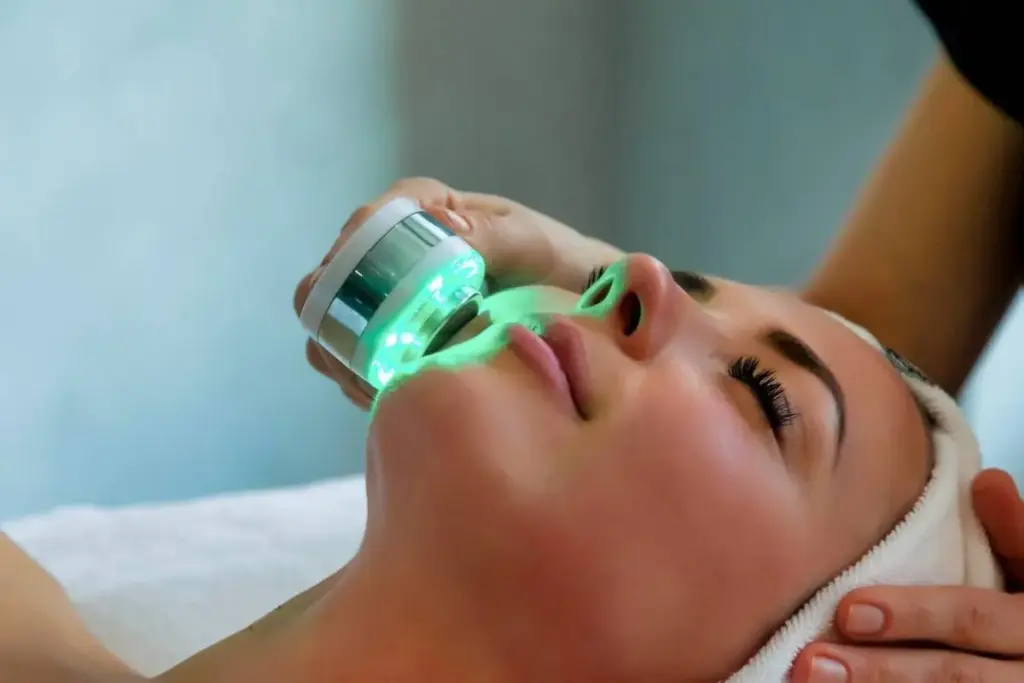
Blue light therapy is a new way to treat mild acne. It uses light to kill bacteria that cause acne. Let’s look into how it works and its benefits for those with acne.
What Is Blue Light Phototherapy?
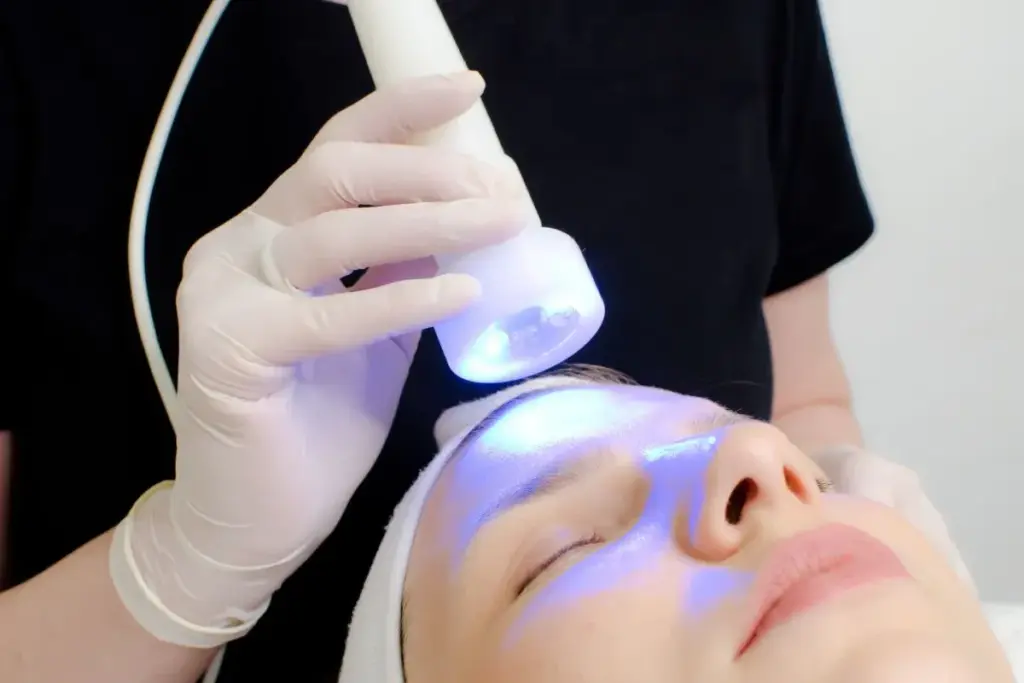
Blue light phototherapy uses light with a specific wavelength to kill acne-causing bacteria. This non-invasive treatment is seen as a good alternative to antibiotics or harsh creams.
Blue light goes deep into the skin to the sebaceous glands. There, it fights bacteria. This helps reduce current acne and prevents future breakouts by controlling bacteria.
How Blue Light Targets Acne-Causing Bacteria
Blue light therapy works by targeting Propionibacterium acnes (P. acnes), the bacteria that cause acne. When exposed to blue light, these bacteria produce reactive oxygen species. This kills the bacteria.
This method is effective against acne’s root cause. It reduces inflammation and stops new acne from forming. Medical Expert, a dermatologist, says, “Blue light goes through the skin’s top layers. It kills acne-causing bacteria and calms inflammation.”
Why Blue Light Offers an Alternative to Antibiotics
Antibiotic resistance makes treating acne hard. Blue light therapy is a non-drug way to fight acne-causing bacteria. This helps manage acne and reduces antibiotic resistance.
Blue light therapy can also be used with other treatments. This makes it a key part of a complete acne management plan. It tackles acne from all angles, improving treatment outcomes.
Clinical Evidence: Blue Light Therapy Effectiveness for Mild Acne
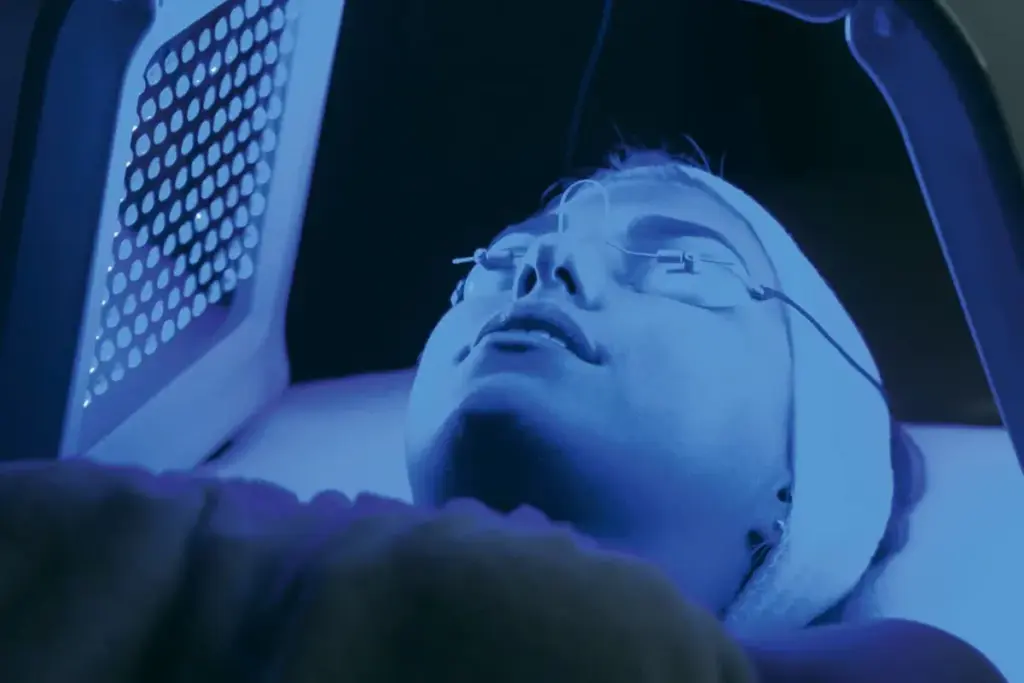
Blue light therapy is a new hope for mild acne, thanks to solid research. We’ll look at the latest studies to guide patients and doctors in choosing treatments.
What the Research Shows About Success Rates
Research shows blue light therapy can clear up to 70% of acne in 8 to 10 sessions.
A study by Mass General Brigham found it works well for mild-to-moderate acne. It cuts down both inflammatory and non-inflammatory acne lesions.
This means blue light therapy is a good choice for mild acne treatments.
Blue Light Treatment for Acne vs. Traditional Therapies
Blue light therapy has its own strengths compared to traditional treatments. Traditional methods often use antibiotics or retinoids, which can have side effects.
Blue light therapy, on the other hand, is non-invasive and has fewer side effects.
Key benefits of blue light therapy include:
- Reduced risk of antibiotic resistance
- No harsh chemicals or medications
- Non-invasive procedure
Combination Approaches: Blue and Red Light Therapy
Using both blue and red light therapy has shown great results. Red light helps with inflammation and healing, while blue light targets acne-causing bacteria.
A study found combining blue and red light therapy works better than blue light alone. This suggests a powerful synergy.
What to Expect from Blue Light Acne Treatment
Understanding blue light acne treatment can help you decide if it’s right for you. It’s known for treating mild to moderate acne by targeting acne-causing bacteria.
Treatment Protocol and Timeline
Blue light treatment sessions last about 10 to 15 minutes. You’ll need to do this 3 to 5 times a week for 4 to 6 weeks. The exact plan depends on your acne’s severity and the device used.
Consistency is key for the best results. Stick to the recommended schedule. You can get blue light therapy at clinics or spas, or use at-home devices for convenience.
Who Is the Ideal Candidate for Blue Light Therapy?
Blue light therapy works best for those with mild to moderate inflammatory acne. It’s great for those who want a non-invasive option or haven’t seen results from other treatments.
Before starting, talk to a dermatologist or skincare expert. They can check if it’s right for your skin type and condition.
Safety Profile and Possible Side Effects
Blue light therapy is usually safe, with rare side effects. Some might feel mild dryness or irritation after treatment, but these usually go away quickly.
To avoid side effects, follow the treatment plan and wear protective eyewear. When using at-home devices, always follow the manufacturer’s instructions for safe use.
Conclusion
Blue light therapy is a safe and effective way to treat mild to moderate acne. It’s a non-pharmaceutical option that can be used with other treatments. Our research shows it targets acne-causing bacteria, reduces inflammation, and helps skin look clearer.
At Liv Hospital, we see blue light therapy as a valuable treatment for acne. We aim to provide innovative, evidence-based care for patients from around the world. By adding blue light therapy to our treatments, we offer a complete approach to managing acne.
Blue light therapy is safe and can be used with other treatments like red light. It’s a good choice for those looking for effective acne treatment. As we learn more about blue light therapy, it’s clear it’s a promising way to get healthier skin. The evidence says blue light can be good for acne.
FAQ
Does blue light help acne that is persistent?
Yes, blue light can reduce acne by killing acne-causing bacteria and decreasing inflammation in persistent breakouts.
Do blue light acne treatments work for everyone?
Results vary; some people see improvement while others may require additional treatments like topical or oral medications.
Is blue light therapy work for acne safe for long-term use?
Yes, blue light therapy is generally safe for long-term use when applied as directed, with minimal side effects.
Is blue light good for acne on sensitive skin?
Yes, it is non-invasive and usually well-tolerated, making it suitable for sensitive skin types.
What are the benefits of blue light treatment for acne scars?
Blue light primarily targets active acne and bacteria; it may indirectly improve scarring by preventing future breakouts.
How does blue light phototherapy for acne feel during the session?
Most people feel mild warmth or tingling, but the procedure is generally painless.
Can I use blue light for pimples at home instead of a clinic?
Yes, at-home blue light devices exist, but professional treatment may be more effective for severe acne.
Does LED light treatment acne require any special preparation?
Minimal preparation is needed; skin should be clean and free of makeup or topical products before the session.
References
National Center for Biotechnology Information. Evidence-Based Medical Insight. Retrieved from https://pmc.ncbi.nlm.nih.gov/articles/PMC2923954/



 Departments
 Related Videos
 Our Doctors
 News
News