
Myelodysplastic syndromes (MDS) are disorders that affect blood cells. Anemia is a common complication, affecting many MDS patients. It greatly impacts their quality of life. Researchers are looking for new ways to manage MDS-related anemia.
Coenzyme Q10 (CoQ10) is important for energy in cells. It has shown benefits in many health conditions. Studies are looking into its effects on MDS, focusing on managing anemia.
CoQ10 might help improve energy and reduce oxidative stress. This makes it a promising area of research for MDS patients.
Key Takeaways
- CoQ10 is a substance that plays a key role in energy production within cells.
- MDS patients often suffer from anemia, impacting their quality of life.
- Research is exploring the benefits of CoQ10 in managing MDS-related anemia.
- CoQ10’s role in reducing oxidative stress could be beneficial for MDS patients.
- Further studies are needed to fully understand CoQ10’s effects on MDS.
Understanding Myelodysplastic Syndrome (MDS)

Myelodysplastic Syndrome (MDS) is a blood disorder. It happens when blood cells don’t form right. This makes it hard for the bone marrow to make healthy blood cells.
What is MDS and its prevalence
MDS is a group of disorders that affect blood cells. It often leads to anemia, infections, and bleeding risks. It’s more common in older adults.
The American Cancer Society says MDS mostly affects people over 70.
Common symptoms and complications of MDS
Symptoms of MDS vary by type and severity. You might feel fatigue, weak, short of breath, or get infections easily. This is because of a lack of healthy white blood cells.
Complications can include severe infections, bleeding, and anemia. These can be serious.
Current standard treatments for MDS
Treatments for MDS aim to manage symptoms and improve life quality. They might include blood transfusions for anemia. Or medicines to help make more blood cells.
In some cases, bone marrow transplantation is an option. The right treatment depends on the MDS type, its severity, and the patient’s health.
The Role of Anemia in MDS
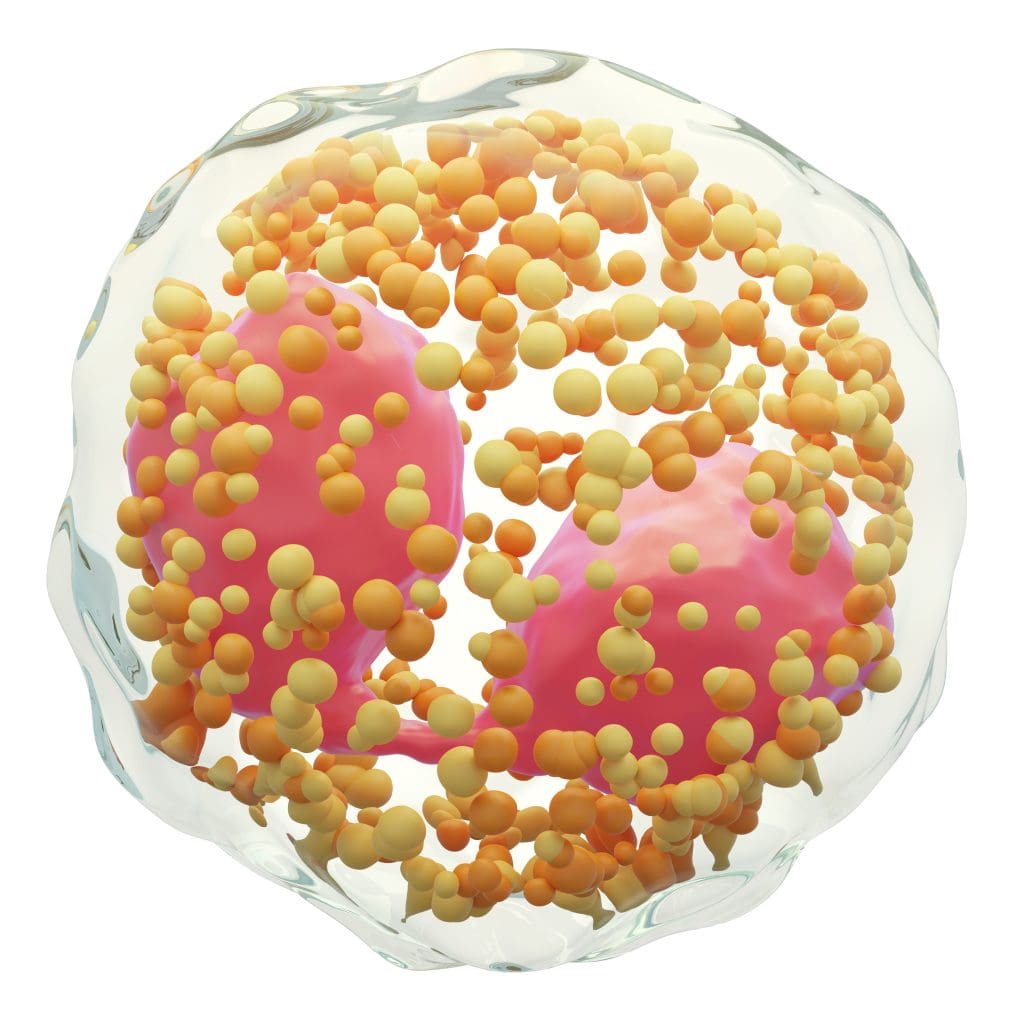
Myelodysplastic Syndrome (MDS) often causes anemia, which greatly affects patients’ lives. Anemia means not enough red blood cells or hemoglobin. These are key for carrying oxygen to our bodies.
How MDS affects red blood cell production
MDS is a group of disorders that affects blood cell production. It often leads to anemia. The bone marrow in MDS patients can’t make enough healthy red blood cells.
This makes it hard for the body to get enough oxygen. Ineffective hematopoiesis and increased apoptosis of erythroid precursors play big roles.
Impact of anemia on quality of life
Anemia in MDS patients can cause chronic fatigue, weakness, and shortness of breath. These symptoms greatly lower their quality of life. The severity of anemia often matches the severity of MDS symptoms.
It’s key to manage anemia to improve patient outcomes. Anemia can also make it harder for patients to get better with other MDS treatments.
Challenges in managing MDS-related anemia
Managing anemia in MDS is tough because of bone marrow problems. Treatments include blood transfusions, erythropoiesis-stimulating agents, and iron chelation therapy.
Even with these treatments, anemia is a big challenge. Research into supplements like CoQ10 is looking into how they can help manage anemia better.
Introduction to Coenzyme Q10 (CoQ10)
Coenzyme Q10, or CoQ10, is key for making energy in cells. It’s found in every cell and helps with many body functions.
What is CoQ10 and its natural sources

CoQ10 is a fat-soluble substance made in the body and found in food. Foods high in CoQ10 include:
- Organ meats like heart, liver, and kidney
- Fatty fish such as salmon and sardines
- Whole grains
- Nuts and seeds
Our bodies make CoQ10, but making it less with age and health issues can lower its levels.
Biological functions of CoQ10 in the body
CoQ10 is vital for making ATP, the cell’s energy. It helps in the electron transport chain, making energy in mitochondria. It also acts as an antioxidant, protecting cells from damage.
Its antioxidant role keeps cells healthy. This is important for conditions like Myelodysplastic Syndrome (MDS) that affect energy.
CoQ10 deficiency and its implications
A CoQ10 deficiency can cause fatigue, muscle weakness, and other energy issues. In MDS, it could make symptoms worse.
Knowing about CoQ10 and its deficiency is key for MDS patients. CoQ10 supplements might help improve energy and health in many conditions.
CoQ10 for Anemia in MDS: Theoretical Basis
Using CoQ10 to manage anemia in MDS is based on its benefits for mitochondria and reducing oxidative stress. Mitochondrial problems are key in MDS, affecting blood cell production.
Mitochondrial function and blood cell production
Mitochondria are vital for making blood cells, as they power the energy needed for this process. Mitochondrial function is essential for the energy-intensive process of blood cell production. CoQ10 acts as an antioxidant, helping mitochondria work better by supporting the electron transport chain. Studies show that CoQ10 might boost mitochondrial function, helping MDS patients by improving blood cell production.
Oxidative stress in MDS pathophysiology
Oxidative stress is a big problem in MDS, causing damage to cells and affecting their function. In MDS, oxidative stress makes it harder for the bone marrow to make healthy blood cells. CoQ10’s antioxidant properties may help reduce oxidative stress, improving the bone marrow environment and supporting healthy blood cell production.
How CoQ10 might support hematopoiesis
CoQ10 may support MDS patients by enhancing mitochondrial efficiency and protecting cells from oxidative damage. This is important for making red blood cells, white blood cells, and platelets. Enhancing mitochondrial function through CoQ10 supplementation could potentially improve the energy metabolism of hematopoietic cells, leading to better blood cell production. Also, CoQ10’s antioxidant effects may protect stem cells from damage, supporting blood cell production.
Scientific Evidence on CoQ10 and Blood Disorders
Research on CoQ10 and blood disorders has shown its promise in managing MDS. While CoQ10 has benefits in many health conditions, its use in MDS is not well-studied.
Review of Clinical Studies on CoQ10 in Hematological Conditions
Many studies have looked into CoQ10’s effects on blood conditions. They found it can boost antioxidant levels and lower oxidative stress in some blood disorders.
A study in a well-known journal found CoQ10 might help increase blood cell counts in anemia. Anemia is common in MDS patients.
Research Specific to MDS and CoQ10
Though there’s little direct research on CoQ10 and MDS, studies on similar conditions offer clues. CoQ10’s antioxidants might help with MDS complications.
Some research suggests CoQ10 could aid in blood cell formation. This is important for MDS patients, as their blood cell production is often off.
Limitations of Current Research
Despite the encouraging results, current research on CoQ10 and MDS has big limitations. Most studies have small groups and lack long-term data.
We need more research to understand CoQ10’s benefits and risks for MDS treatment. This includes bigger, controlled studies for clearer evidence.
Potential Benefits of CoQ10 for MDS Symptoms
CoQ10 may help with energy, protect against damage, and improve blood counts for MDS patients. Research shows it could have several benefits for those with MDS.
Effects on Energy Levels and Chronic Fatigue
Chronic fatigue is a big problem for MDS patients. It makes everyday life hard. CoQ10 might help reduce this fatigue and boost energy.
CoQ10 could help fix energy problems in cells. This could make patients feel less tired. Feeling tired can make it hard to do daily tasks and enjoy life.
Antioxidant Protection for Blood Cells
MDS patients often have damaged blood cells. CoQ10’s antioxidant effects could protect these cells. It might keep blood cells working better and longer.
Oxidative stress is a big problem in MDS. CoQ10 could help fight this stress. This could be a new way to manage MDS symptoms.
Possible Impact on Blood Counts and Transfusion Needs
CoQ10 might also help with blood counts. This could mean fewer blood transfusions for MDS patients. This is a promising area of research.
Improved blood counts could mean less need for transfusions. This could lower the risk of problems from transfusions. More studies are needed to confirm this.
CoQ10 and Bone Marrow Function in MDS
Looking into how CoQ10 affects bone marrow could lead to new ways to manage MDS. Myelodysplastic syndrome (MDS) makes it hard for the bone marrow to create healthy blood cells. The idea that CoQ10 could help bone marrow health is getting more attention.
Relationship between CoQ10 and Bone Marrow Health
CoQ10 is known for its antioxidant properties and its role in keeping mitochondria working well. Bone marrow cells need a lot of energy and are very active. CoQ10 supplementation may support bone marrow health by improving how mitochondria work and lowering oxidative stress. This could help make more healthy blood cells.
Potential Mechanisms for Improved Cell Differentiation
The process of cell differentiation in the bone marrow is complex. It involves many cellular and molecular steps. CoQ10 may help by reducing oxidative stress, which can stop cell differentiation. Also, CoQ10’s role in supporting mitochondrial function is key for the energy needed to produce blood cells.
Evidence for Bone Marrow Support in MDS Patients
While there’s not yet strong evidence that CoQ10 helps MDS patients’ bone marrow, some studies show promise. Research is ongoing to understand how CoQ10 affects hematopoiesis in MDS. Early results suggest it could improve blood cell counts and bone marrow health.
As research goes on, learning how CoQ10 affects bone marrow in MDS is key. It might improve mitochondrial health and lower oxidative stress. This could make CoQ10 a valuable support for MDS patients.
CoQ10 and Immune Function in MDS Patients
CoQ10 might be key in boosting the immune system of those with myelodysplastic syndrome (MDS). MDS makes it hard for the body to make blood cells, leading to anemia, infections, and bleeding issues. This makes it hard for MDS patients to fight off infections, making CoQ10 a promising area of research.
How CoQ10 Affects Immune System Regulation
CoQ10 acts as an antioxidant, protecting cells from damage. It might help the immune system work better, making it stronger against infections. Research shows CoQ10 can affect how immune cells like lymphocytes and macrophages work.
Potential Benefits for Infection Prevention
MDS patients face a high risk of infections because their immune systems are weak. CoQ10 might help strengthen the immune system, lowering the risk of infections. Studies suggest CoQ10 could help the body fight off pathogens better, reducing infection rates in MDS patients.
Balancing Immune Response in MDS
It’s important to keep the immune system in balance in MDS patients. Both an overactive and underactive immune system can cause problems. CoQ10 could help balance the immune system by supporting immune cells, leading to better health outcomes for MDS patients.
| Aspect of Immune Function | Potential Effect of CoQ10 |
| Immune Cell Production | May enhance production of lymphocytes and macrophages |
| Infection Risk | Could potentially reduce the risk of infections |
| Immune Response Balance | May help achieve a balanced immune response |
CoQ10 Supplementation: Dosage and Forms
When looking into CoQ10 supplements for Myelodysplastic Syndrome (MDS), knowing the right dosage and form is key. CoQ10 supplements are mainly in two forms: ubiquinone and ubiquinol. Each has different levels of how well the body can use it.
Different Forms of CoQ10 Supplements
CoQ10 is found in two main types: ubiquinone and ubiquinol. Ubiquinone is the oxidized form, and ubiquinol is the reduced form. Ubiquinol is easier for the body to absorb because it’s already in its reduced state. This might make it more effective at lower doses.
Choosing between ubiquinone and ubiquinol depends on your health needs and the condition you’re treating. For MDS patients, ubiquinol’s better absorption could be very helpful.
Recommended Dosages for MDS Patients
There’s no set dosage for CoQ10 in MDS patients. Studies have used doses from 100 mg to 300 mg daily. The best dose might vary based on the patient and other health issues.
MDS patients should talk to their doctor before starting CoQ10. This is to find the right dosage and to check for any drug interactions.
Absorption and Bioavailability Considerations
How well CoQ10 is absorbed can depend on several things. These include the type of supplement (oil-based vs. powder), other nutrients, and whether it’s taken with food. Fat-soluble formulations work better when taken with fatty foods.
To improve absorption, some supplements add vitamin E or omega-3 fatty acids. MDS patients should think about these factors when picking a CoQ10 supplement. This can help get the most out of it.
Safety and Side Effects of CoQ10
CoQ10 is usually safe, but it’s important to know about its side effects and interactions. For MDS patients, understanding CoQ10’s safety is key. They might be on many medications or have health issues.
Known Side Effects and Contraindications
CoQ10 is often well-tolerated, with few side effects reported. Common side effects are mild and include:
- Gastrointestinal upset
- Headaches
- Dizziness
- Insomnia
It’s important to note that CoQ10 can interact with some medications. This includes blood thinners like warfarin. It’s not good for everyone, mainly those with certain health conditions or taking specific drugs.
Drug Interactions Relevant to MDS Patients
MDS patients on many medications should watch out for CoQ10 interactions. Some key interactions are:
| Medication | Potential Interaction |
| Blood thinners (e.g., warfarin) | CoQ10 may enhance the effect of anticoagulants |
| Beta-blockers | Potential reduction in efficacy |
| Statins | CoQ10 levels may be reduced by statin therapy |
It is critical for MDS patients to talk to their healthcare provider before starting CoQ10. This is to discuss any interactions with their current medications.
Long-term Safety Considerations
The long-term safety of CoQ10 is being studied. While it’s usually safe, high doses or long-term use might have unknown effects. It’s important for those on long-term CoQ10 to have regular check-ups with their healthcare provider.
In conclusion, CoQ10 is generally safe, but MDS patients need to be aware of side effects and interactions. Talking to healthcare providers and watching for any bad effects is key to safely using CoQ10.
Integrating CoQ10 with Conventional MDS Treatments
Research shows CoQ10 could help with MDS treatments. Myelodysplastic Syndrome (MDS) needs a mix of treatments. Integrating CoQ10 with conventional MDS treatments might help patients more.
Potential Complementary Effects with Standard Therapies
CoQ10 might help where standard MDS treatments don’t. It boosts energy and protects against damage. “The use of CoQ10 in conjunction with standard MDS treatments represents a promising avenue for improving patient outcomes,” studies say.
Discussing CoQ10 with Your Healthcare Team
Before starting CoQ10, talk to your doctor. They can help decide if it’s right for you. They’ll guide on how much to take and watch for side effects.
Monitoring Response to Supplementation
Watch how your body reacts to CoQ10. Look for changes in energy, blood counts, and side effects. This helps doctors fine-tune your treatment for the best results.
In summary, using CoQ10 with MDS treatments could lead to better results. By understanding its benefits, talking to doctors, and watching how it works, patients can make smart choices about their care.
Other Supportive Supplements for MDS Patients
CoQ10 is not the only supplement that can help MDS patients. Myelodysplastic syndromes (MDS) affect blood cells, leading to anemia, infections, and bleeding. Supplements can support these patients and improve their quality of life.
Vitamin D and MDS
Vitamin D is important for bones and the immune system. Studies show it might also help MDS patients. Higher vitamin D levels could mean better survival rates. Vitamin D supplementation might be beneficial, but more research is needed.
“Vitamin D deficiency is common in MDS patients and may be associated with poorer outcomes.”
– Journal of Clinical Oncology
Antioxidants and Their Role
Antioxidants protect cells from damage by free radicals. MDS patients might benefit from antioxidants to improve blood cell health. Vitamins C and E, selenium, and N-acetyl cysteine are common antioxidants.
- Vitamin C: Important for immune function and potentially beneficial for iron absorption.
- Vitamin E: Acts as a potent antioxidant, protecting cell membranes.
- Selenium: Plays a critical role in the body’s antioxidant defenses.
Comparing CoQ10 with Other Supplements for Blood Health
CoQ10 boosts energy in cells, but other supplements offer different benefits for MDS patients. Comparing these supplements helps patients and doctors make better choices.
| Supplement | Potential Benefits | Considerations |
| CoQ10 | Energy production, antioxidant protection | May interact with blood thinners |
| Vitamin D | Improved survival, bone health | Risk of toxicity with high doses |
| Antioxidants (e.g., Vitamins C & E) | Reduced oxidative stress, improved cell health | Potential interactions with chemotherapy |
MDS patients should talk to their healthcare team before starting new supplements. This ensures safe and effective management of their condition.
Conclusion: Is CoQ10 Helpful for MDS?
CoQ10 might help ease some symptoms of Myelodysplastic Syndrome (MDS), like anemia. It supports the mitochondria and lessens oxidative stress. This could boost energy and improve life quality for MDS patients.
CoQ10 could be key in managing anemia in MDS. It might help fight chronic fatigue and boost red blood cell production. Early studies hint that CoQ10 could be a great addition to standard MDS treatments.
But, we need more research to know CoQ10’s full impact on MDS patients. It’s vital for patients to talk to their doctors about CoQ10. Adding CoQ10 to a treatment plan could lead to better results and a better life for MDS patients.
FAQ
What is CoQ10 and how does it relate to MDS?
CoQ10, or Coenzyme Q10, is a natural compound that helps cells make energy. It might help MDS patients with anemia by improving how cells work and reducing stress.
How does CoQ10 affect anemia in MDS patients?
CoQ10 could help MDS patients with anemia by boosting how cells work and reducing stress. This might also help with making more blood cells.
What are the natural sources of CoQ10?
You can find CoQ10 in foods like meat, fish, whole grains, and some oils. But, taking supplements is often needed to get enough, which is important for MDS patients.
Can CoQ10 supplementation improve energy levels in MDS patients?
Yes, taking CoQ10 might help MDS patients feel more energetic. It does this by making cells work better and reducing tiredness, a common symptom.
Are there any known side effects of CoQ10 supplementation?
CoQ10 is usually safe, but it might upset your stomach. Always talk to your doctor about any side effects or concerns.
How should MDS patients choose a CoQ10 supplement?
MDS patients should look at the type of CoQ10 (ubiquinone vs. ubiquinol), how much to take, and how well it’s absorbed. It’s best to talk to a healthcare professional.
Can CoQ10 be used alongside conventional MDS treatments?
Yes, you can take CoQ10 with other MDS treatments. But, it’s important to talk to your doctor first. They can help make sure it’s safe and works well for you.
Does CoQ10 have any benefits for immune function in MDS patients?
CoQ10 might help MDS patients by supporting their immune system. This could help lower the risk of getting sick, which is a big concern for those with weak immune systems.
Are there other supplements that might be beneficial for MDS patients alongside CoQ10?
Yes, supplements like Vitamin D and antioxidants might also help MDS patients. It’s good to compare these with CoQ10 to find the best support.
Is further research needed on CoQ10 and MDS?
Yes, more research is needed to fully understand how CoQ10 helps MDS patients, like managing anemia. We also need clear guidelines for using it.