Many people worry about the safety of creatine supplements. But, decades of research prove that moderate creatine use is safe for the liver and doesn’t raise disease risks in healthy folks. Wondering ‘does creatine affect liver‘ function? Our simple guide reveals the shocking, proven, science-backed truth about its safety.
Recent studies show that normal creatine intake doesn’t raise the risk of liver problems in people 12 and older. We’ll dive into the science on creatine and liver health. This will help those thinking about adding creatine to their fitness routine.
Key Takeaways
- Creatine supplements are safe for healthy people at the right doses.
- Normal creatine intake doesn’t harm the liver.
- Research finds no higher risk of liver disease with moderate creatine use.
- Creatine is a well-studied supplement with a solid safety record.
- Healthy individuals can safely include creatine in their fitness plans.
Understanding Creatine and Its Functions
To understand how creatine affects liver health, we must first know what it is and how it works. Creatine is a nutritional compound that boosts energy for cells. It improves muscle performance, brain health, and immunity.
What Is Creatine?
Creatine is found mainly in red meat and fish. It’s also made in the human body, mostly in the kidneys and liver. Then, it goes to muscle cells to help produce energy.
Natural Sources and Supplementation
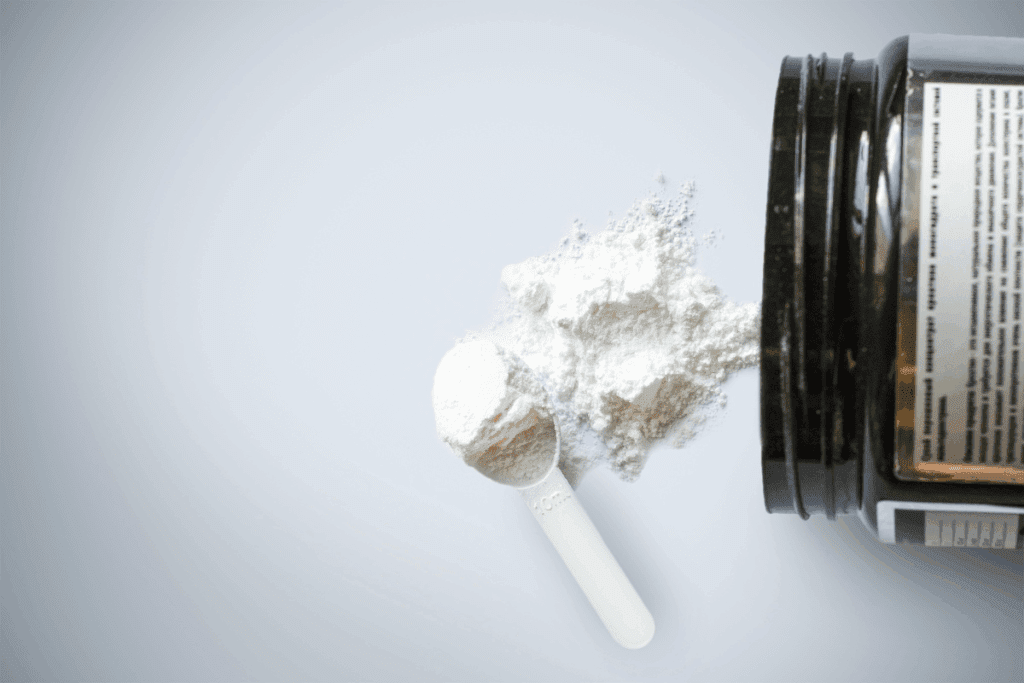
People can get creatine from food or take supplements. Creatine supplementation is popular among athletes. It involves taking creatine monohydrate powder or capsules to increase muscle energy.
- Dietary sources include red meat, fish, and eggs.
- Supplementation is often used to boost muscle creatine levels beyond dietary intake alone.
How Creatine Works in the Body
Creatine is key in making ATP, the cell’s energy. Taking creatine supplements can raise muscle creatine levels. This helps with high-intensity work, which is good for athletes needing quick energy.
Creatine turns into phosphocreatine, which helps quickly make ATP from ADP during hard exercise. This is vital for staying at top performance during training and competitions.
The Liver’s Role in Processing Supplements
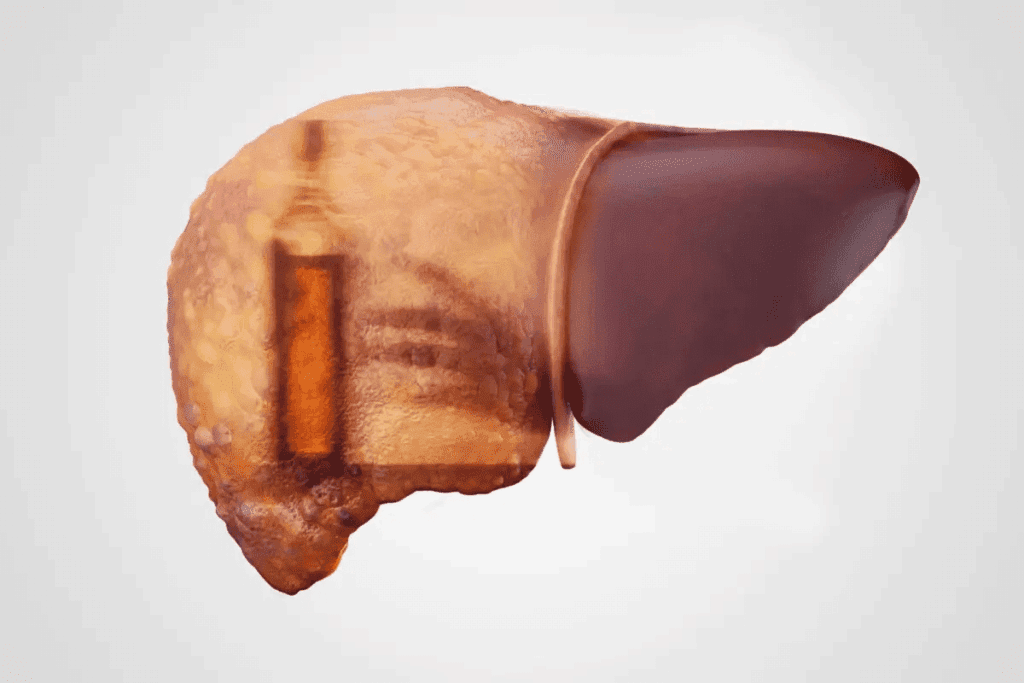
Let’s dive into how creatine affects the liver. First, we need to know what the liver does with supplements. The liver is key in breaking down nutrients, detoxifying, and making proteins.
Basic Liver Functions
The liver does a lot to keep us healthy. It cleans toxins, breaks down nutrients, and makes bile for digestion. It also makes proteins for blood clotting and more.
The liver is important for nutrient metabolism. It works on carbs, fats, and proteins so our body can use them. It also stores glycogen, which turns into glucose for energy.
How the Liver Metabolizes Supplements
The liver is key in breaking down supplements like creatine. It makes creatine from amino acids and sends it to muscles and tissues.
Many things can affect how the liver breaks down supplements. This includes liver health and other substances. For example, some meds or too much alcohol can mess with creatine processing.
Markers of Liver Health and Function
Doctors check liver health with certain markers. They look at liver enzymes like ALT and AST. These show if liver cells are damaged.
They also check bilirubin, albumin, and prothrombin time. High levels or odd results mean liver stress or damage. It’s important to watch these when taking supplements.
In short, the liver is essential for supplement processing, like creatine. Knowing how it works helps us choose supplements wisely. By watching liver health markers, we can avoid liver problems from supplements.
Does Creatine Affect Your Liver? The Research Evidence
Many studies have looked into how creatine affects the liver. They give us important information about its safety. We’ll look at what these studies say about creatine and liver health.
Population-Based Research Findings
Population studies give us a wide view of creatine’s impact on the liver. A big study with over 9,000 people found no big differences in liver health between those who took creatine and those who didn’t. This means creatine, even in big doses, likely doesn’t harm the liver for most people.
Cross-Sectional Studies on Creatine and Liver Health
Cross-sectional studies focus on a specific group at one time. They’ve shown no link between creatine and liver problems. For example, a big study found creatine didn’t raise the risk of liver disease or high liver enzymes.
Clinical Trial Results
Clinical trials are the strongest proof of creatine’s safety and benefits. Most trials on creatine and the liver have found no harm. A big review of trials said creatine doesn’t hurt liver enzymes or function in healthy people.
Here’s a table that summarizes the findings from different studies:
Study Type | Number of Participants | Duration | Findings on Liver Health |
Population-Based | 9,000+ | Varies | No significant differences in liver disease manifestations |
Cross-Sectional | Varies | Single point in time | No association between creatine use and adverse liver effects |
Clinical Trials | Varies | Varies (typically several weeks to months) | No significant impact on liver enzyme levels or liver function |
Overall, the research shows creatine is safe for the liver when used right. Always stick to the recommended amounts and talk to a doctor if you have liver issues.
Creatine Dosage and Liver Concerns
Knowing the right amount of creatine is key to getting its benefits without harming your liver. Many athletes and bodybuilders use creatine, but it’s important to know how much is safe. Too much can be risky.
Recommended vs. Excessive Intake
The usual dose of creatine is 3-5 grams a day. Some people start with a higher dose for a few days. But, taking too much can worry about liver health.
Excessive intake means taking more than 5 grams a day. While normal doses are safe, too much might stress your liver.
- Standard dosage: 3-5 grams per day
- Loading phase: Higher doses for the first 5-7 days
- Excessive intake: Significantly more than 5 grams per day
Animal Studies on Supraphysiological Doses
Studies on animals have shown how high doses of creatine might affect the liver. A study in the Journal of the International Society of Sports Nutrition found liver stress at very high doses.
“High-dose creatine supplementation resulted in elevated liver enzymes in some animal models, suggesting possible liver damage at very high doses.”
These findings are worrying, but it’s important to remember. Animal studies use doses much higher than what humans take. The results might not apply to people.
Safety Thresholds for Supplementation
Finding safe levels for creatine involves looking at dosage and individual factors. Most studies say 3-5 grams a day is safe for most people.
But, if you have liver problems or are on certain meds, talk to a doctor first. Getting regular blood tests can help catch any liver issues early.
- Consult a healthcare provider if you have pre-existing liver conditions.
- Monitor liver function regularly.
- Adhere to recommended dosages.
Understanding creatine dosage and its effects on the liver helps make smart choices about supplements.
Creatine and Non-Alcoholic Fatty Liver Disease
Creatine has been studied for its possible benefits against non-alcoholic fatty liver disease (NAFLD). NAFLD is when the liver holds too much fat, even if someone doesn’t drink much alcohol. It’s linked to obesity, insulin resistance, and metabolic syndrome.
Protective Mechanisms of Creatine
Creatine may help protect against NAFLD in several ways. Firstly, it boosts the energy storage in cells, which could lower liver inflammation and damage. It also might make insulin work better, which is important for avoiding NAFLD.
Research shows creatine can change how cells handle fats, which could lessen liver fat. By improving how mitochondria work, creatine might also help fix metabolic problems linked to NAFLD.
Research on High-Fat Diet Models
Studies on high-fat diets have shown creatine’s benefits for NAFLD. These studies found that creatine can lower liver fat, improve liver health, and reduce inflammation and oxidative stress.
In animal studies, creatine helped with glucose control and reduced liver fat. This suggests creatine could help prevent or manage NAFLD, mainly in those eating high-fat diets.
Implications for NAFLD Prevention
The benefits of creatine against NAFLD are promising for prevention. If more research backs this up, creatine could be used as a supplement for those at risk of NAFLD, like those with metabolic syndrome or insulin resistance.
Learning how creatine helps the liver could lead to new treatments for NAFLD. As research goes on, we might find new ways to prevent and treat NAFLD.
Risk Factors: When Creatine May Impact Liver Health
While creatine is generally safe, some people may face liver problems when using it. It’s important to know these risks to use creatine safely and effectively.
Pre-existing Liver Conditions
People with liver issues should be careful with creatine. Studies show that those with liver disease might face more problems with creatine. It’s recommended that individuals with liver conditions consult with a healthcare professional before starting creatine.
Conditions like cirrhosis, fatty liver disease, and hepatitis can make liver problems worse. These conditions can also affect how the liver breaks down supplements, including creatine.
Medication Interactions
Creatine can interact with some medicines, which might harm the liver. For example, people taking liver-metabolized drugs like statins or anti-inflammatory drugs should watch their liver health closely. It’s essential to inform your healthcare provider about all medications and supplements you’re taking.
Some medicines that might interact with creatine include:
- Blood thinners
- Diuretics
- Certain antibiotics
Individual Sensitivity Factors
How people react to creatine can vary a lot. Some might be more likely to experience side effects, including liver problems. This can depend on genetics, overall health, and how much creatine is taken.
Monitoring liver health while taking creatine is key, even more so for those who are sensitive or have liver concerns.
In summary, while creatine is usually safe, some factors can raise the risk of liver issues. By understanding these risks and taking the right steps, people can enjoy the benefits of creatine while keeping their liver safe.
Creatine and Alcohol: A Potentially Harmful Combination
While creatine is generally safe, mixing it with alcohol can harm the liver. It’s important to know the risks and how to avoid them.
Research on Combined Effects
Studies show that creatine and alcohol together can damage the liver more. Oxidative stress plays a big role in this damage. This combination can cause more inflammation and stress in the liver.
A study in the Journal of Clinical Biochemistry and Nutrition found rats given both creatine and alcohol had worse liver damage. This shows the two can have a bad effect on the liver together.
Oxidative Stress Mechanisms
Oxidative stress happens when free radicals and antioxidants are out of balance. Creatine and alcohol together can make this worse. Alcohol makes harmful oxygen species, and creatine might make the liver work harder, leading to more damage.
The oxidative stress mechanism disrupts cell function, causing damage. This is key to understanding how creatine and alcohol can harm the liver together.
Factor | Effect on Liver | Combined with Alcohol |
Creatine Supplementation | Increased energy demand | Enhanced oxidative stress |
Alcohol Consumption | Increased ROS production | Synergistic liver damage |
Oxidative Stress | Liver cell damage | Exacerbated inflammation |
Recommendations for Alcohol Users
If you drink alcohol and think about taking creatine, be careful. Here are some tips:
- Drink less alcohol while taking creatine to protect your liver.
- Talk to a doctor before starting creatine, if you drink a lot or have liver problems.
- Get your liver checked with blood tests if you drink and take creatine for a long time.
Being informed and careful can help you make safer choices for your health when using creatine and alcohol.
Monitoring Liver Health While Taking Creatine
It’s important to watch your liver health when using creatine. Knowing the signs of liver stress is key. Also, knowing how to check your liver health is vital.
Signs of Liver Stress to Watch For
Liver stress can show in many ways. Look out for persistent fatigue, jaundice (yellow skin and eyes), dark urine, and abdominal discomfort. Some people might also feel bloating, indigestion, or back pain. If you see these signs, see a doctor right away.
Recommended Testing and Frequency
Getting liver function tests (LFTs) is a good way to check your liver. These tests look at alanine transaminase (ALT) and aspartate transaminase (AST) levels. These enzymes show liver damage if they’re high.
We suggest getting LFTs before starting creatine to know your baseline. Then, do them every 6 to 12 months based on your health and risk factors.
When to Consult a Healthcare Provider
If you’re on creatine and feel liver stress symptoms, see a doctor. Also, if you have a pre-existing liver condition or take medicines that might interact with creatine, talk to a doctor first. A healthcare provider can give advice based on your health history and current situation.
Conclusion: Creatine and Liver Health – The Bottom Line
We’ve looked into how creatine affects liver health. We’ve seen the science and the possible dangers. For people who are healthy, taking the right amount of creatine is safe and won’t harm the liver. Studies show that creatine is not only safe but might even protect the liver, mainly for those with non-alcoholic fatty liver disease.
It’s important to stick to the recommended doses of creatine. Knowing your body’s sensitivity, like if you have liver issues or take certain medicines, is key. If you follow the guidelines, creatine is unlikely to harm your liver. To stay safe, keep an eye on your liver health and watch for any signs of trouble.
In conclusion, creatine is generally safe for most people when used correctly. While there’s a chance of liver damage, the research says creatine is good for the liver when used wisely. By knowing the facts and being careful, you can decide if creatine is right for you and your liver health.
FAQ
Is creatine bad for my liver?
Studies show that creatine is safe for the liver in healthy people. But, too much can be risky.
Does creatine affect liver function?
Research says creatine doesn’t harm liver function in healthy people when taken right.
Can creatine cause liver damage?
Most experts agree that creatine is safe for the liver at normal doses. But, people with liver issues should talk to a doctor first.
How does creatine interact with the liver?
The liver helps break down supplements like creatine. But, research shows it doesn’t stress the liver too much.
Is it safe to take creatine with other medications?
Creatine is usually safe, but it’s best to check with a doctor if you’re on other meds.
Can I take creatine if I have a pre-existing liver condition?
If you have a liver problem, always talk to your doctor before starting creatine.
How can I monitor my liver health while taking creatine?
Keep an eye out for liver stress signs. Get regular liver tests. And, see a doctor if you’re worried.
Does creatine affect the liver differently in different people?
People react differently to creatine. Liver health can be affected by existing conditions or meds.
Can I consume alcohol while taking creatine?
Mixing creatine with alcohol can be risky. It may cause more stress on the liver. Be careful and ask a doctor.
What are the recommended dosages of creatine?
The usual dose is 3-5 grams a day. Taking more can lead to side effects.
Can creatine help protect against non-alcoholic fatty liver disease?
Some studies hint that creatine might help with fatty liver disease. But, more research is needed.
Is creatine liver toxicity a concern?
The current evidence doesn’t link creatine to liver toxicity in healthy people at normal doses.
References
National Center for Biotechnology Information. Evidence-Based Medical Guidance. Retrieved from https://www.ncbi.nlm.nih.gov/pmc/articles/PMC3761536/